
Hi-Rel Processors for C2 Systems: Sourcing and Compliance
Table of Contents
- What Makes a Processor Hi-Rel Enough for C2 Systems?
- Which Processor Families Handle Modern C2 Workloads?
- How Do Certification, Environment, and Lifecycle Constraints Shape the BOM?
- What Should You Verify Before Accepting Hi-Rel C2 Processors?
- What Does a Sourcing Decision Actually Commit You To?
- What Procurement Teams Ask About Hi-Rel C2 Processors
- Does every C2 processor need QML-V certification?
- Can I substitute a commercial part and upscreen it?
- Why do lead times vary so much between hi-rel processor part numbers?
- What documentation should accompany every lot?
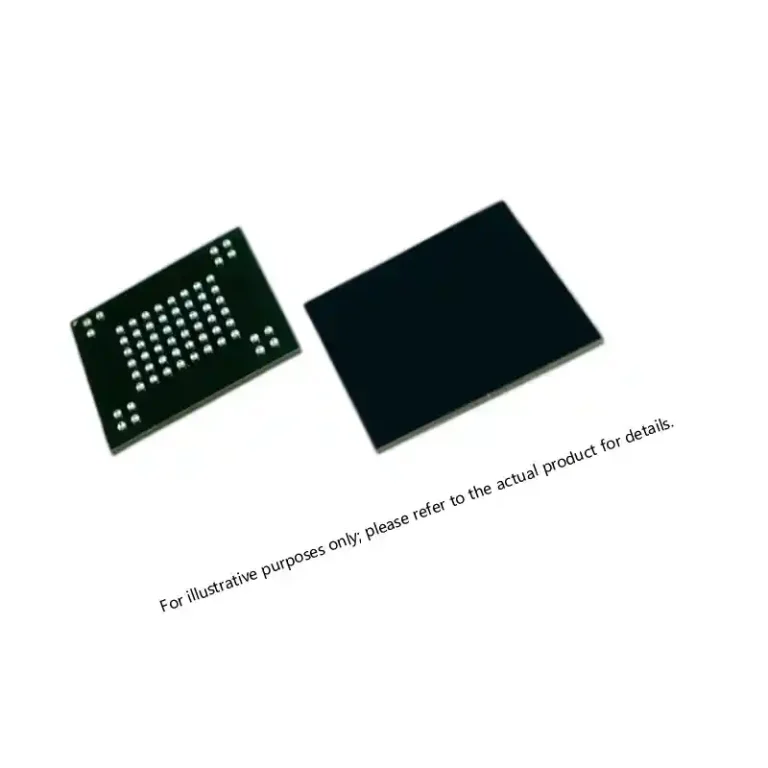
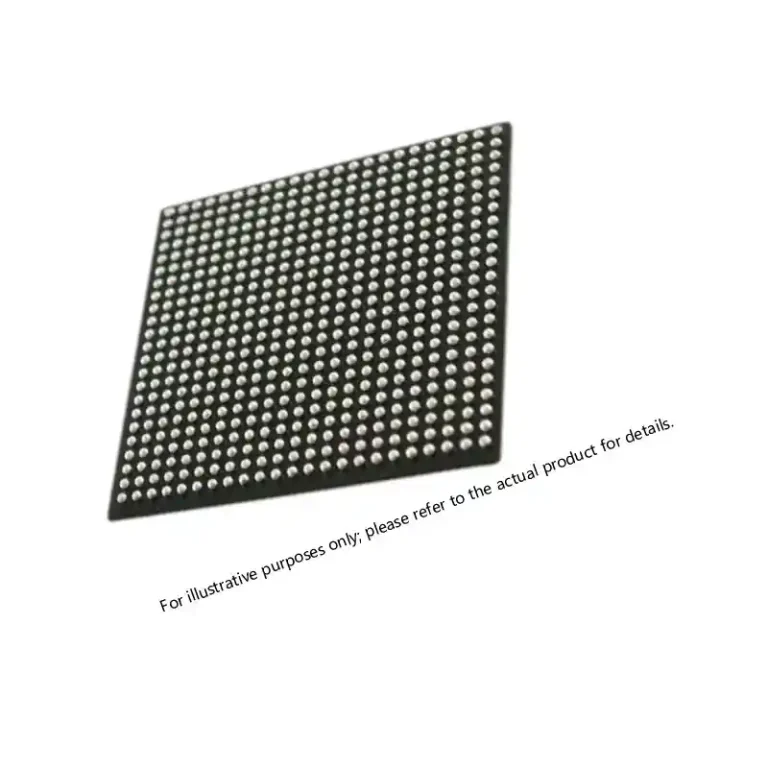
Hi-Rel processors for C2 systems carry the command decisions that keep a platform coordinated, and a sourcing mistake here does not stay on paper. It surfaces later as a failed qualification, a rejected lot, or a processor that cannot be replaced when the board revision changes. After twelve years in military-grade component sourcing, I treat verified QML or MIL-STD-883 screening, full lot traceability, and long-life supply planning as the real selection criteria, with datasheet performance only as the entry point. What follows moves from architecture selection to documentation and incoming inspection, because mission reliability is built long before the parts reach the assembly bench.
What Makes a Processor Hi-Rel Enough for C2 Systems?
Hi-rel is not a single temperature rating or a suffix on a part number. For C2 systems, the selection boundary comes from three directions at once: the qualification baseline the program requires, the environmental envelope the platform imposes, and the failure rate the architecture can absorb.
Most procurement teams start with the certification question. A QML-Q or QML-V device under MIL-PRF-38535 carries a controlled baseline, lot-specific testing, and DSCC or DLA oversight that a standard industrial part does not. MIL-STD-883 screening adds method-level tests: visual inspection, stabilization bake, temperature cycling, constant acceleration, seal tests, and often burn-in. JANTX and JANTXV levels apply to discretes, not processors, but they can appear elsewhere on the same BOM for power conditioning and interface protection.
The C2-specific requirement is usually endurance under sustained operation. A command shelter or a shipboard console may run for years without a reboot, with limited airflow and a vibration profile that never fully quiets. I have watched a well-sourced power module fail integration because the companion processor lot had no radiographic inspection record and the end customer refused to accept the documentation gap. The component itself was functional, but the program could not close the compliance file. That distinction between a working part and a defensible part is what procurement teams need to carry into every sourcing conversation.
Which Processor Families Handle Modern C2 Workloads?
C2 architectures rarely need one processor; they need a processing chain. The table below outlines the common functions and the component categories that carry them.
| Function | Processor type | Representative parts | Selection driver |
| Track fusion and radar signal processing | DSP | TMS320C6678ACYPA25, SMJ320C6701GLPW14 | fixed or floating point throughput under deterministic timing |
| Command host and real time control | PowerPC SoC | MPC8640DTVJ1067NE, T1040NXN7MQB | RTOS integration and on-chip I/O |
| Data distribution and interface adaptation | FPGA | XC7K410T-2FFG900I, MPF300T-FCSG536I | parallel data paths and pin mapping flexibility |
| MIL-STD-1553 bus control | Bus controller or transceiver | HI-8444PST-10, BU-61580S6-110 | deterministic avionics data bus timing |
| Low latency shared data | SRAM | EDI8L32512C12AC, CY7C1380D-167AXI | lower access latency than DDR in shared-memory blocks |
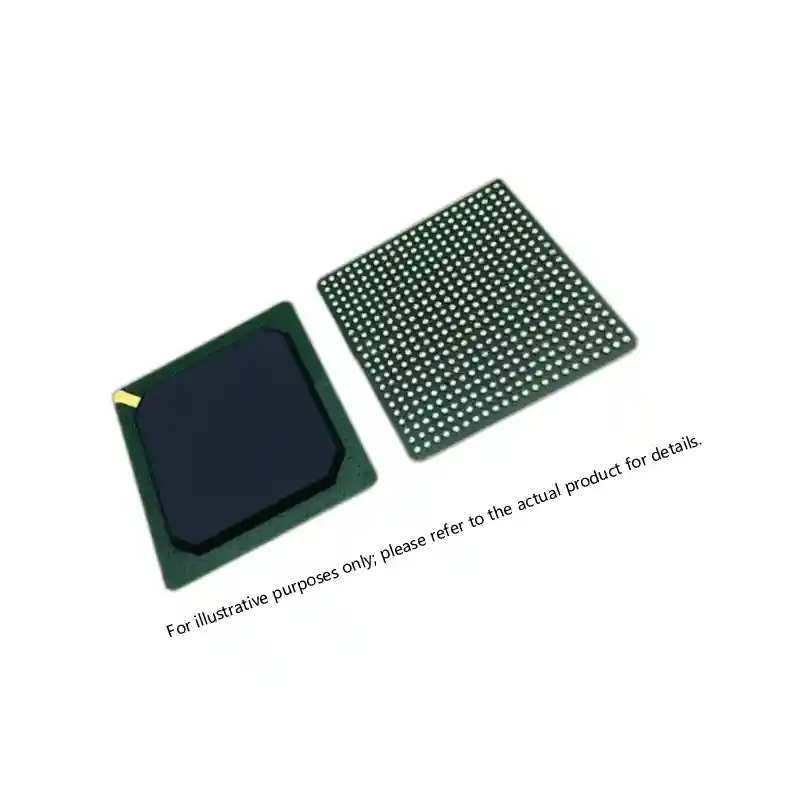
The processor choice follows the architecture, not the other way around. Where signal processing dominates, a TMS320C6678 class device gives the C2 node enough headroom for tracks, sensor returns, and communication packets without pushing the host processor into real-time overload. Where the board is more about coordinating subsystems, a PowerPC or QorIQ host leaves room for an RTOS and peripheral control.
This mixture is also where obsolescence risk concentrates. A single architecture refresh can strand three or four interface parts that were designed around the original bus timing. That is the main reason I ask for the board part number, not just the processor list, when a C2 team starts a sourcing request.
If your C2 architecture mixes new processing cards and legacy 1553 or VME interfaces, confirm the silicon revision and firmware baseline the board was designed around before you lock the BOM. Send the board part number or the processor list to xuansc2144@gmail.com and I can check current stock, screening level, and configuration state before you commit.
How Do Certification, Environment, and Lifecycle Constraints Shape the BOM?
Certification and environment are usually treated as separate discussions, but for C2 hardware they collapse into the same BOM risk. A processor that passes electrical tests at room temperature can still fail qualification if the package is not compatible with the program’s thermal or vibration limits.
Start with the package. C2 systems frequently require hermetic or ceramic packaging, not because every deployment gets salt fog, but because the program must be able to prove resistance to moisture, temperature cycling, and long storage intervals. Plastic packages can work in fixed indoor shelters, but they introduce a documentation burden when the qualification file asks for seal test data. This is why the part number suffix matters as much as the base part number: the package code and the screening level change both the price and the compliance path.
The lifecycle constraint arrives later but costs more. Many C2 platforms stay in service for fifteen or twenty years, while the underlying silicon may go end of life in eight. A procurement team that buys only for the next production lot inherits the shortage at the next technology refresh. Die banking, last time buys, and alternate source qualification are not supply chain extras; they are the mechanisms that let a program keep building after the primary line stops. Buyers should store wafer or die bank options long before the part shows an end of life notice.
What Should You Verify Before Accepting Hi-Rel C2 Processors?
Verification starts before the boxes arrive, and it continues at incoming inspection. The first filter is documentation: a C of C must tie each lot to a DSCC or DLA record, and a QML part should carry the SMD number, the manufacturer’s qualification level, and the test lot or date code. Any gap in that chain is a reason to stop the transaction, not a note to resolve later.
After the documents clear, inspect the physical evidence. Check date codes and lot codes against the pack slip. Look for uniform marking rather than mixed date code groups. For high value processors, run X-ray or acoustic imaging if the program requires it; a forged part can show die face or bond wire differences that marking alone would not reveal. Electrostatic handling is part of the inspection record too, particularly for ceramic packages with exposed leads.
The final check is configuration certainty. A processor that is not in the same silicon revision or package variant can pass visual inspection and still fail on the board. For C2 programs, I have seen a lot accepted by a third party inspection house only to be rejected by the end customer because the date code and test record did not align. The component functioned, but the compliance file did not close.
The less inspecting you can do before shipment, the more the supplier’s documentation and configuration control become the actual deliverable.
What Does a Sourcing Decision Actually Commit You To?
When a C2 program commits to a processor source, it commits to the documentation trail, the packaging standard, and the replenishment path for every lot that follows. A lower unit price that comes without lot traceability or without a plan for end of life parts becomes a liability the first time the program audits a contract deliverable.
That is why the sourcing conversation should not stop at a quote. A useful response states current stock, screening level, package configuration, date code, and the exact documentation available for each line item. If you are ready to move a C2 BOM forward, send the part numbers or board part number plus your target program date to xuansc2144@gmail.com. Sparkle Electronics can confirm what is in stock, what requires a factory lead time, and which documents will accompany the shipment before you place the order.
What Procurement Teams Ask About Hi-Rel C2 Processors
Does every C2 processor need QML-V certification?
No. QML-Q devices under MIL-PRF-38535 are suitable for many C2 applications, while QML-V is reserved for parts that must meet the tighter space or high reliability baseline. The requirement should come from the program’s qualification document, not from habit. If the system operates in a ground shelter or a shipboard console without radiation exposure, QML-Q, MIL-STD-883, or 5962-series parts may be enough. What matters is that the documentation matches the certification level claimed. A lower screening level can still be acceptable when the procurement file states it clearly.
Can I substitute a commercial part and upscreen it?
It depends on what the program will accept. Upscreening a commercial part can work for some ground based C2 hardware, but it only moves the part into the drawing if the qualification authority accepts the additional tests and the traceability remains intact. The commercial part has no original QML or MIL-STD-883 history, so the lab report becomes the only evidence. For high quantity programs this can lower unit cost; for audited defense contracts the documentation burden often erases the savings. If you go this route, lock the acceptance criteria in writing before the first lot ships.
Why do lead times vary so much between hi-rel processor part numbers?
In sourcing work for C2 boards, I see lead times diverge because some parts are built to a controlled baseline with scheduled wafer starts and others depend on residual stock or a last-time-buy window. A packaged QML device with an active DLA listing may ship from scheduled inventory, while the same function in a less common ceramic package may require a wafer start. The differences in packaging, screening, and configuration state are usually larger than the difference between suppliers. That is why I ask buyers to confirm the exact part number suffix and the package code before comparing quotes.
What documentation should accompany every lot?
A common mistake is to treat a certificate of conformance as the entire test record. It is only the top sheet. The real package starts with the C of C tied to a DSCC or DLA record, then adds the QML or screening documentation, the date code and lot code, the SMD number, and any final test or radiographic inspection summary the program requires. Check that the marking matches the documents and that the lot is not mixed. If a line item is missing a test lot record, hold that line until the supplier closes the gap. Share your documentation checklist with xuansc2144@gmail.com and I can confirm which records are available before shipment.
If you’re interested, check out these related articles:
XCKU115 UltraScale FPGA: Powering Critical Defense Systems
UltraScale KU085 FPGA Specifications for Defense Systems