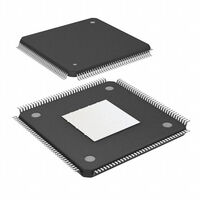

Military-Grade Components support critical functions across avionics and radar, secure communications, industrial and space systems. Choosing the right device requires more than matching a family name: package, electrical limits, temperature grade, qualification level, screening, lifecycle status, and documentation must all match the program requirement.
Sparkle Electronics supports buyers managing defense, aerospace, and long-lifecycle programs with traceable military-grade electronic components. We help customers compare available part numbers, identify active, allocated, end-of-life, and obsolete stock, review package and date-code constraints, and coordinate documentation or third-party inspection before shipment.
Our quotation process is part-number specific. We do not assume that devices with similar names are interchangeable. Suffixes may define package, pinout, speed grade, temperature range, screening flow, radiation performance, lead finish, shipment format, or manufacturer qualification. Any proposed alternate remains subject to the customer's engineering review and approval.
For an accurate quotation, provide the full manufacturer part number, quantity, required qualification level, acceptable date-code range, destination, target delivery date, and any COC, inspection, or testing requirement. For a multi-line requirement, submit the BOM in spreadsheet or PDF format so availability, lifecycle status, documentation, and risk notes can be reviewed line by line.

We review the complete part number, package, qualification, temperature range, quantity, date-code window, application constraints, and delivery target before quoting.

We disclose the proposed sourcing route and review available lot, date-code, label, packaging, COC, and chain-of-custody information before order.

Visual inspection, detailed photography, X-ray, decapsulation, solderability, or electrical testing can be coordinated according to order risk and customer requirements.

We support in-production, allocated, obsolete, and hard-to-find FPGA and processors, data converters and memory, power, passives, and connectors. Any alternate or cross-reference is clearly identified for customer engineering approval.

Submit single-line or BOM inquiries with quantity, destination, target date, packaging, split-delivery preferences, and shipping-document requirements.

Every quotation is matched to the complete manufacturer part number, package, grade, screening level, quantity, and requested date-code range rather than relying on a family-level description.

Available COC, label and packing photographs, lot or date-code details, visual inspection, and coordinated third-party test options are identified before order when requested.

Clearly specified in-stock inquiries are prioritized. Lead time, packing format, shipment documents, destination, and any split-delivery plan are confirmed before order.

Lifecycle status, proposed sourcing route, known supply constraints, alternate-part limitations, and available inspection controls are disclosed for customer review.

Common use cases include avionics and radar, secure communications, industrial and space systems. The same device family may be supplied in commercial, industrial, extended-temperature, military, radiation-tolerant, or manufacturer-screened variants.
Component suitability depends on electrical limits, package and pinout, environmental conditions, qualification requirements, lifecycle status, and the customer's system-level validation. Share the application and operating environment so the quotation can be aligned with the actual program rather than a generic family match.

We can help organize comparisons by package, pinout, temperature range, speed or power grade, qualification level, screening flow, lifecycle status, and available documentation. The full suffix must be reviewed because small differences can change electrical or mechanical compatibility.
Alternate and cross-reference suggestions are clearly marked as candidates only. The customer's engineering team remains responsible for schematic, firmware, timing, thermal, mechanical, environmental, and qualification approval before substitution.
For legacy and sustainment systems, provide the complete part number, acceptable date-code range, required quantity, packaging preference, and documentation expectations. We will review available channels and disclose the proposed source, stock condition, and inspection options.
Older inventory may justify additional photography, lot consistency checks, solderability review, X-ray, decapsulation, electrical testing, or other controls. These requirements should be defined before quotation so cost and lead time reflect the agreed risk-reduction plan.
Inspection begins with the information available for the exact lot: packaging, labels, markings, lead condition, body condition, date codes, and supporting documents. Requested controls can then be matched to part type, source, age, order value, and program risk.
Available options may include COC review, high-resolution photography, dimensional and marking inspection, X-ray, decapsulation, solderability, material analysis, or electrical testing through a qualified third-party laboratory. Test scope and acceptance criteria must be agreed before work begins.

Submit a spreadsheet or PDF BOM for line-by-line availability, lifecycle review, and risk notes. Include quantities, target dates, approved manufacturers, alternates policy, and any package, grade, date-code, origin, documentation, or test constraints.
We can separate readily available lines from constrained or obsolete requirements, identify where clarification is needed, and prepare the inquiry for engineering follow-up. Forecast and recurring demand information can also support scheduled deliveries or buffer-stock discussions.
Shipping options and documents are confirmed according to product classification, destination, end use, packaging, insurance, delivery target, and applicable trade requirements. Buyers should provide complete consignee and end-use information early for controlled or dual-use items.
Before order, confirm whether the shipment requires commercial invoice details, packing list, COC, inspection records, test reports, label photographs, country-of-origin information, or special packaging. The buyer remains responsible for final import, export, sanctions, and program-specific compliance.




Each RFQ is reviewed against part number, package, temperature grade, qualification level, and requested documentation. Available services include label and date-code photos, Certificate of Conformance, visual inspection, and coordinated third-party electrical or X-ray testing when requested.
Customers remain responsible for final design approval, export classification, and program-specific compliance.
Representative part available within the Military-Grade Components catalog. Submit the full part number, quantity, date-code requirement, and documentation needs for confirmation.
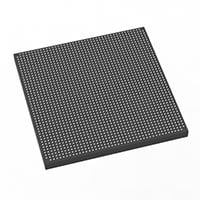
Representative part available within the Military-Grade Components catalog. Submit the full part number, quantity, date-code requirement, and documentation needs for confirmation.
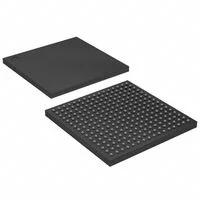
Representative part available within the Military-Grade Components catalog. Submit the full part number, quantity, date-code requirement, and documentation needs for confirmation.
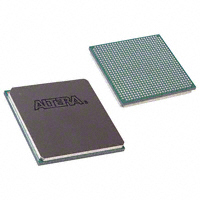
Representative part available within the Military-Grade Components catalog. Submit the full part number, quantity, date-code requirement, and documentation needs for confirmation.

Send your BOM or exact part number with quantity, date-code, qualification, and documentation requirements. We will confirm availability and next steps.
Submit Your RFQ

"We verify the exact part number, package, grade, date-code requirement, and documentation request before confirming supply."
"For obsolete or allocated devices, we explain the proposed sourcing route and available inspection options before order."
"Alternate and cross-reference suggestions are clearly marked for customer engineering review; they are never presented as automatic drop-in replacements."
"Quantity, destination, packaging, target delivery date, and required shipping documents are reviewed before order confirmation."
This category currently contains 17 direct product listings. Availability changes, so confirm stock, date code, and documentation through an RFQ. Sparkle Electronics supports buyers managing defense, aerospace, and long-lifecycle programs sourcing military-grade electronic components for avionics and radar, secure communications, industrial and space systems.
This landing page is designed for engineers comparing device families, procurement teams checking availability, and program managers evaluating traceability, inspection, lifecycle, and delivery options.
| Device group | Typical use | What to specify |
|---|---|---|
| FPGA and processors | avionics and radar | Part number, package, grade, speed or power rating |
| data converters and memory | secure communications | Temperature range, qualification level, date code |
| power, passives, and connectors | industrial and space systems | Quantity, documentation, test, and delivery needs |
Military, aerospace, space, industrial, and commercial variants can share a base part family while differing in screening, package, temperature range, radiation performance, or documentation. Ask whether the program requires MIL-PRF, QML, JANTX/JANTXV, space-grade, extended-temperature, or manufacturer-specific qualification. Customers remain responsible for final design acceptance and regulatory compliance.
For export-controlled or dual-use parts, provide destination and end-use information early. Sparkle Electronics can support commercial shipping documents, while the buyer remains responsible for applicable EAR, ITAR, sanctions, import, and end-use requirements.
Procurement decisions should evaluate the proposed source, original packaging, lot and date-code consistency, surface condition, marking quality, and requested documentation. Depending on the part and order, available controls may include visual inspection, label photographs, COC, decapsulation, X-ray, solderability, or electrical testing through a qualified laboratory.
Read more about our process on the About Sparkle Electronics page or contact the sourcing team with a BOM.
Searchers often need to know whether a part is in stock, obsolete, allocated, or available through a long-lead channel. Availability is confirmed at quotation time. For end-of-life devices, include acceptable date codes and whether an alternate manufacturer, package, or speed grade can be considered. Any cross-reference is offered for customer engineering validation, not as an automatic equivalent.
A complete RFQ reduces clarification time and makes quotations easier to compare. Include the manufacturer name, full orderable part number, quantity, target price when applicable, required delivery date, ship-to country, and whether split deliveries are acceptable. State any restrictions on date code, country of origin, packaging, lead finish, moisture-sensitivity handling, or storage history.
For regulated or high-reliability programs, also identify the required qualification or screening level, traceability expectations, Certificate of Conformance requirements, inspection plan, test standard, and reporting format. If the request is tied to a drawing, source-control document, approved-vendor list, or customer specification, include the current revision.
Electronic components can be affected by moisture, electrostatic discharge, oxidation, bent leads, damaged seals, or unsuitable long-term storage. The required controls depend on package construction, age, shipment format, and program risk. Ask for the available packaging condition and photographs before order when original factory packaging is important.
For older or moisture-sensitive stock, buyers may request dry-pack review, humidity-indicator and desiccant checks, bake or reseal services, solderability evaluation, or additional incoming inspection. Requirements should be agreed before shipment so the quotation reflects the correct handling and test scope.
Prototype orders prioritize fast identification of the correct orderable device and small-quantity availability. Production requirements add schedule, lot consistency, packing format, recurring demand, and change-control considerations. Sustainment programs may require obsolete inventory, acceptable date-code windows, additional inspection, or a documented last-time-buy strategy.
Share the program stage and forecast when possible. This helps the sourcing team distinguish an immediate spot requirement from a recurring production need and identify where lifecycle monitoring, buffer stock, scheduled deliveries, or engineering review of alternatives may be useful.

Yes. Send one manufacturer part number or a spreadsheet/PDF BOM. Include quantity and any grade, package, date-code, documentation, or test constraints.
No. Recommendations are navigation and comparison aids. The buyer's engineering team must approve electrical, mechanical, environmental, software, and qualification compatibility.
Yes, subject to availability and source review. Older stock may require additional inspection or testing, which can be quoted before order.
Depending on availability: COC, packing and label photos, lot/date-code information, inspection results, and coordinated third-party reports.
In-stock and clearly specified requests are prioritized. Complex BOMs, obsolete parts, or test requirements may need additional review.
International shipping is available where legally permitted. Final service, documentation, and routing depend on product classification, destination, and end use.
Send the manufacturer, full part number, quantity, target delivery date, destination, date-code requirement, and required documentation. Submit your RFQ for a part-specific response.