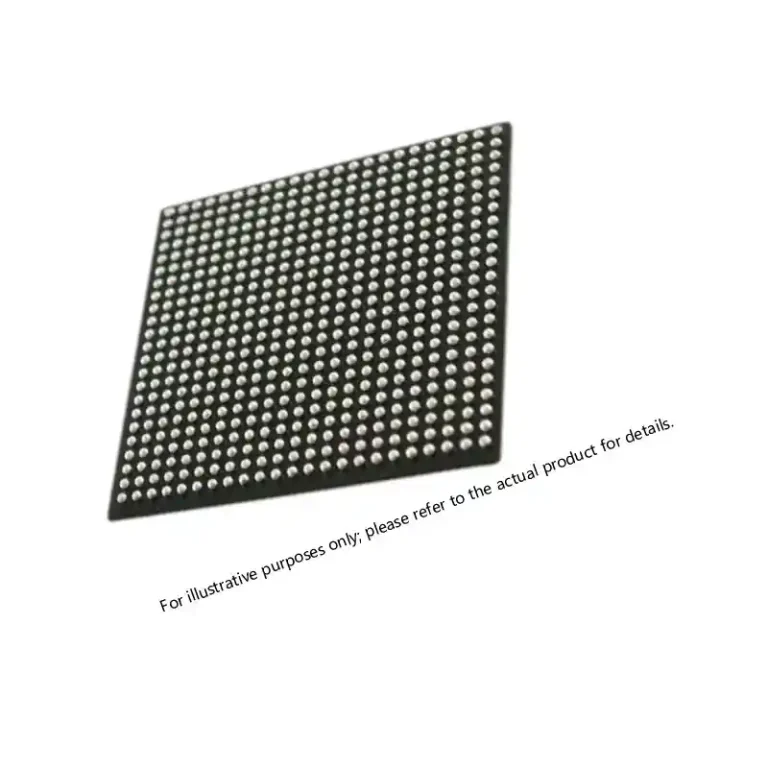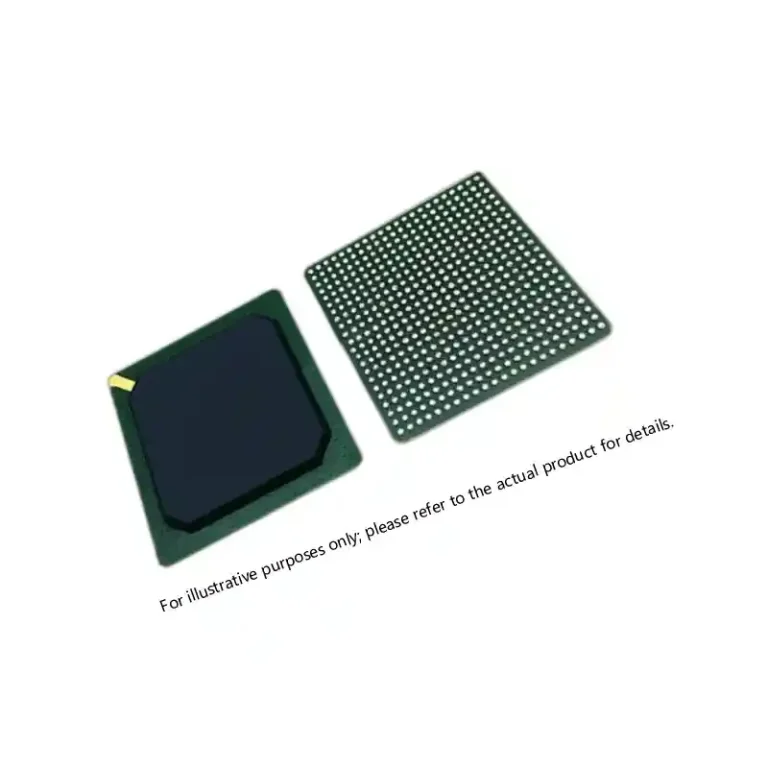
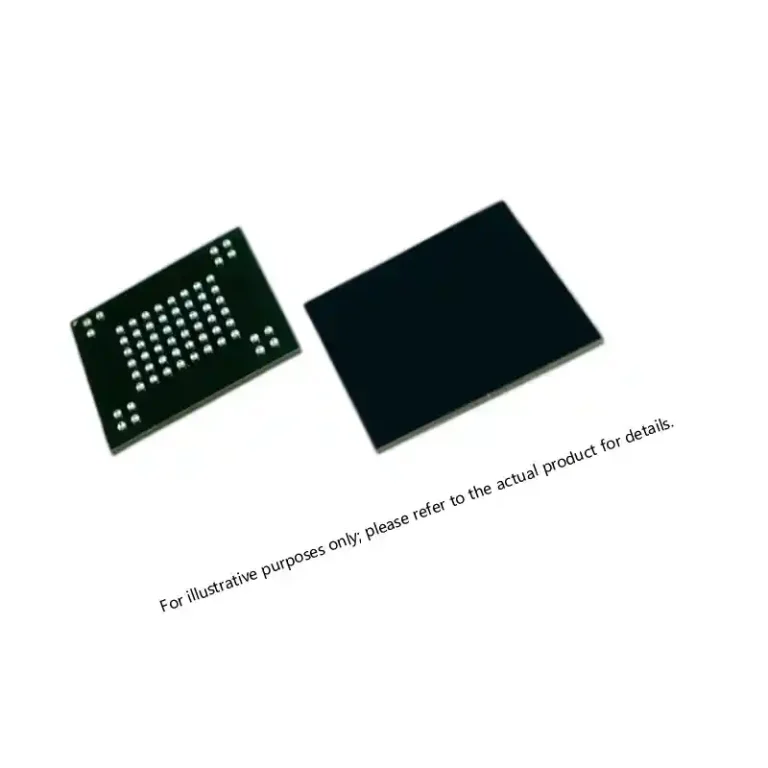
DCM3623T36G31C2T00: 36V Input, 3.3V/6A SiP DC-DC Module
Table of Contents
- DCM3623T36G31C2T00 operating profile
- Input, output, and protection planning
- 3.3 V rails for military FPGAs and processing loads
- Packaging, thermal, and reliability integration
- Sourcing, traceability, and program transparency
- Request a qualified quote for the DCM3623T36G31C2T00
- FAQ
- What is the output rating of the DCM3623T36G31C2T00?
- What input voltage should the module be connected to?
- Is the DCM3623T36G31C2T00 suitable for military electronics?
- What documentation should be requested with the part?
- What package format does the DCM3623T36G31C2T00 use?
- References
The DCM3623T36G31C2T00 belongs to the Vicor DCM family of isolated, regulated DC-DC converters delivered in a system-in-package format. It combines a 36 V nominal input with a 3.3 V output rated for 6 A of load current. That output is sized for point-of-load regulation around digital logic, FPGA I/O banks, configuration memory, and adjacent monitoring circuitry in military and high-reliability electronic systems.
DCM3623T36G31C2T00 operating profile
The module is intended for distributed power architectures where the 3.3 V domain must remain stable under changing digital-load conditions. The part number itself encodes the primary electrical identity: 36 V nominal input and a 3.3 V/6 A output. In practical terms, the output rating corresponds to roughly 20 W of available load power.
| Parameter | Value |
|---|---|
| Part number | DCM3623T36G31C2T00 |
| Nominal input | 36 V |
| Output | 3.3 V |
| Maximum output current | 6 A |
| Approximate output power | 20 W |
| Form factor | SiP / DC-DC module |
Because the converter is packaged as a system-in-package, it reduces discrete component count compared with traditional brick modules. The integration is useful in defense cards where board area is constrained and the power stage must be placed close to the load to control transient response.
Input, output, and protection planning
The nominal input is 36 V, so front-end selection starts with the bus voltage actually available in the program. A 28 V vehicle supply is not the same as a 36 V nominal input and generally requires an upstream conditioning or conversion stage before the module can be applied without violating its operating envelope. In aircraft or higher-voltage distributed-bus architectures, the input stage still needs to account for transient limits defined in MIL-STD-704F [1].
For ground-vehicle programs, MIL-STD-1275E establishes spike, surge, and sag limits for 28 Vdc utilization equipment [2]. When the DCM3623T36G31C2T00 is used in such an environment, the front end must condition the bus before reaching the converter input rather than assuming the vehicle supply can drive the module directly.
The 3.3 V output should be treated as a regulated low-voltage rail requiring clean routing and adequate decoupling. Protection features are designed into the converter family, but procurement teams should confirm exact undervoltage, overcurrent, and overtemperature threshold values against the controlled datasheet for the specific grade being purchased. Electromagnetic compatibility planning is also required because power modules connected to tactical loads can radiate and conduct unwanted emissions. Systems targeted for defense platforms are commonly evaluated under MIL-STD-461G [3].
3.3 V rails for military FPGAs and processing loads
In most defense processing cards, the 3.3 V output is not the highest-current FPGA core rail. The 6 A capacity is more often assigned to I/O banks, transceiver auxiliary supplies, configuration flash, and monitoring logic. The same rail can also serve smaller CPLDs or legacy gate arrays whose complete power requirement stays within the available output envelope.
A few representative high-reliability FPGA and CPLD devices that often share a 3.3 V domain with the DCM3623T36G31C2T00 are shown below.
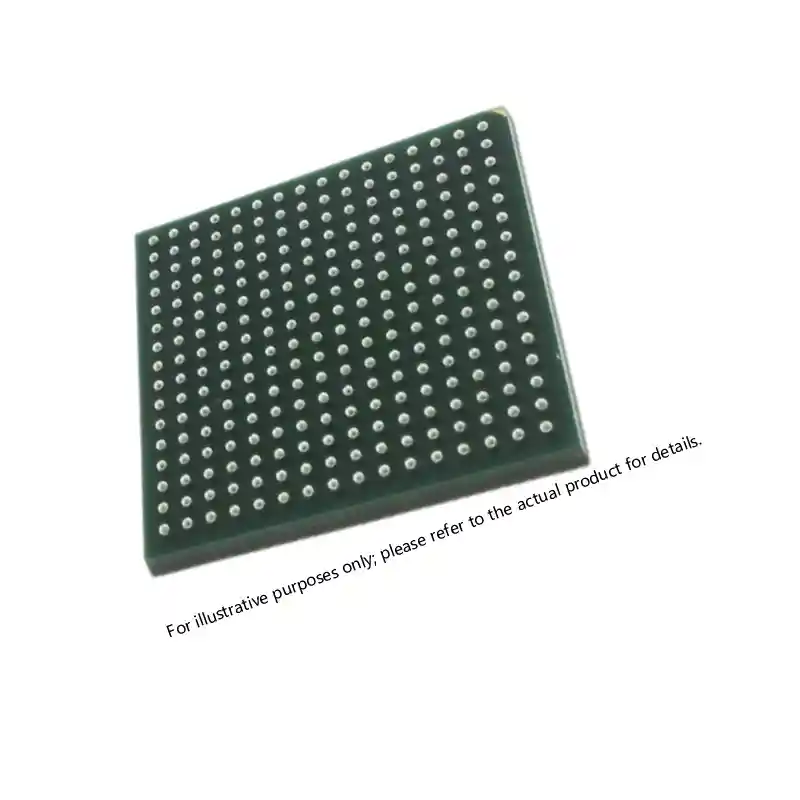
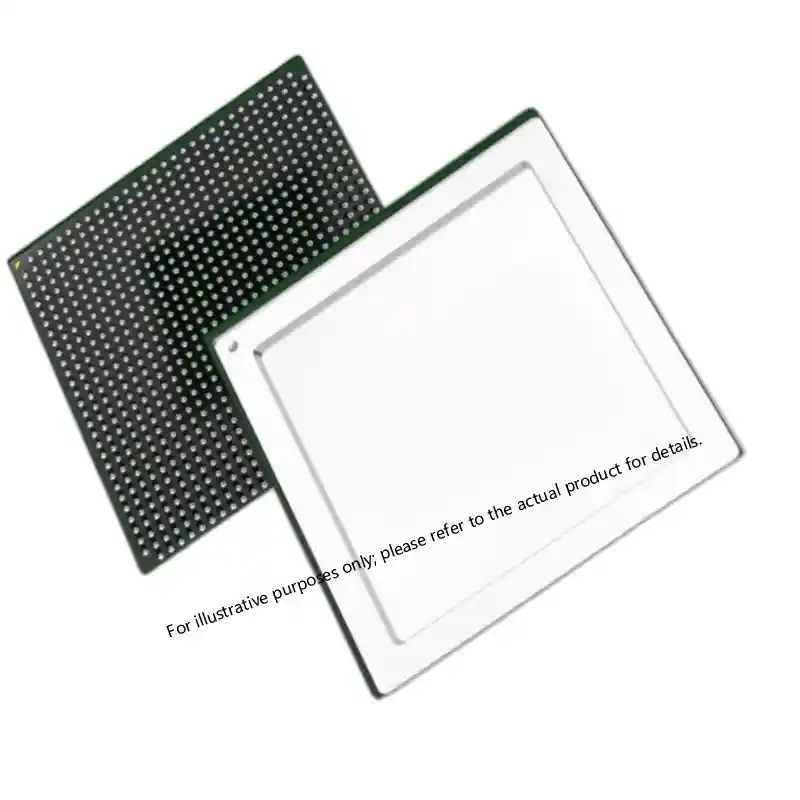
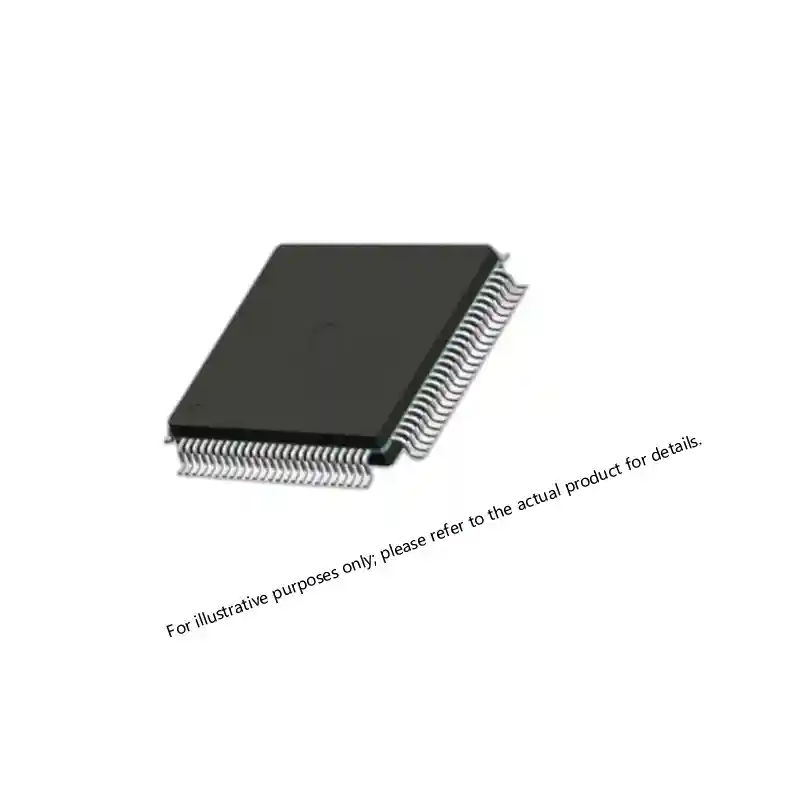
Once the FPGA family is selected, the 3.3 V rail budget becomes a system-level constraint rather than an isolated converter decision. The same output may need to support configuration devices, level translators, and supervisory circuits while still remaining within the module’s current rating.
For defense programs where the same 3.3 V rail budget feeds secure processing or embedded computing, converter selection usually moves with the FPGA choice. <XCKU115 UltraScale FPGA: Powering Critical Defense Systems> covers the core voltage and sourcing constraints that shape those power trees.
FPGA-heavy payloads rarely stop at a single 3.3 V domain. <Virtex-7 690T FPGA: Performance for Mission-Critical Systems> covers how high-utilization devices impose tighter transient and sequencing requirements on the surrounding DC-DC modules.
When the 3.3 V rail must remain stable under sustained processing, converter choice becomes part of the qualification argument. <XC7VX485T FPGA: Virtex-7 Performance for Defense> covers the power and integration considerations for defense signal processing cards.
Packaging, thermal, and reliability integration
The system-in-package construction supports direct placement on dense boards, but thermal management still requires a deliberate path from the module to the card frame or chassis. Conduction cooling through the thermal interface and proper derating at elevated ambient temperatures are the two factors that most affect long-term reliability in sealed avionics and ground-vehicle enclosures.
Environmental screening for the intended platform should follow MIL-STD-810H so that shock, vibration, humidity, and temperature cycling are evaluated against the actual installation profile [4]. For module-level qualification, defense programs may also apply the hybrid microcircuit requirements of MIL-PRF-38534 when the assembly is treated as a hi-rel electronic module rather than a commercial power component [5]. Reliability predictions can then be supported through the analysis methods in MIL-HDBK-217F [6].
Sourcing, traceability, and program transparency
For defense procurement, the power module purchase is not complete when the part number matches. The surrounding documentation matters just as much: certificate of conformance, lot traceability, test data, and source-of-origin records should be available before the part is accepted into an approved vendor list.
A practical mid-program inquiry should include the target bus voltage, expected output current, environmental baseline, and any packaging preference. For datasheet confirmation, full lot documentation, or support comparing the DCM3623T36G31C2T00 against alternate Vicor DCM module builds, contact David Lin at xuansc2144@gmail.com with those details. The sourcing review can then focus on compliance risk instead of part-number ambiguity.
Request a qualified quote for the DCM3623T36G31C2T00
Sparkle Electronics supports defense contractors and research institutions with traceable, MIL-SPEC-aligned procurement of Vicor power modules and related high-reliability components. Send your BOM, target program baseline, or packaging requirement to xuansc2144@gmail.com. Inquiries are reviewed by David Lin, defense electronics supply chain specialist, with priority placed on documentation, authenticity, and long-term support.
FAQ
What is the output rating of the DCM3623T36G31C2T00?
The module is rated for a 3.3 V output at up to 6 A, which corresponds to approximately 20 W of load power.
What input voltage should the module be connected to?
The part number designates a 36 V nominal input. The available bus voltage must be confirmed before integration; 28 V vehicle systems generally require an upstream conditioning or conversion stage.
Is the DCM3623T36G31C2T00 suitable for military electronics?
It is appropriate for high-reliability and defense power-distribution applications when the surrounding bus, thermal, and compliance requirements are defined for the specific program. Suitability depends on environmental screening, derating, and documentation requirements, not only electrical ratings.
What documentation should be requested with the part?
Typical defense procurement should include a certificate of conformance, lot traceability records, test data, and source-of-origin documentation. The exact documentation set should match the program’s incoming inspection and quality requirements.
What package format does the DCM3623T36G31C2T00 use?
It is provided as a system-in-package DC-DC module, which reduces the discrete component count and supports placement close to the 3.3 V load.
References
[1] U.S. Department of Defense, MIL-STD-704F, “Aircraft Electric Power Characteristics,” Mar. 2004.
[2] U.S. Department of Defense, MIL-STD-1275E, “Characteristics of 28 Volt DC Input Power to Utilization Equipment in Military Vehicles,” Mar. 2013.
[3] U.S. Department of Defense, MIL-STD-461G, “Requirements for the Control of Electromagnetic Interference Characteristics of Subsystems and Equipment,” Dec. 2015.
[4] U.S. Department of Defense, MIL-STD-810H, “Environmental Engineering Considerations and Laboratory Tests,” Jan. 2019.
[5] U.S. Department of Defense, MIL-PRF-38534, “Hybrid Microcircuits, General Specification for,” Jan. 2002.
[6] U.S. Department of Defense, MIL-HDBK-217F, “Reliability Prediction of Electronic Equipment,” Dec. 1991.
If you’re interested, check out these related articles:
Virtex-7 XC7VX690T: Performance and Reliability Insights
XC7VX485T Virtex-7 FPGA: Performance and Sourcing for Defense
Virtex-7 690T FPGA: Performance, Packaging, and Reliability Insights
Virtex-7 XC7VX690T: Performance, Reliability, and Integration