
Virtex-7 XC7VX690T: Performance and Reliability Insights
Table of Contents
- What Makes the Virtex-7 690T Architecture Suitable for High-Reliability Applications
- How to Read the XC7VX690T-2FFG1158I Part Number for Procurement Decisions
- Where Virtex-7 FPGAs Perform in Mission-Critical Deployments
- Why Authenticity Verification Matters for Defense Program Components
- How to Address Obsolescence and Supply Continuity for Virtex-7 FPGAs
- Partner with Sparkle Electronics for Critical Component Supply
- Frequently Asked Questions
- What performance characteristics should procurement teams verify when specifying the Virtex-7 XC7VX690T?
- How does the FFG1158 package affect reliability in harsh operating environments?
- What supply chain risks should program managers address when procuring high-reliability FPGAs like the XC7VX690T-2FFG1158I?
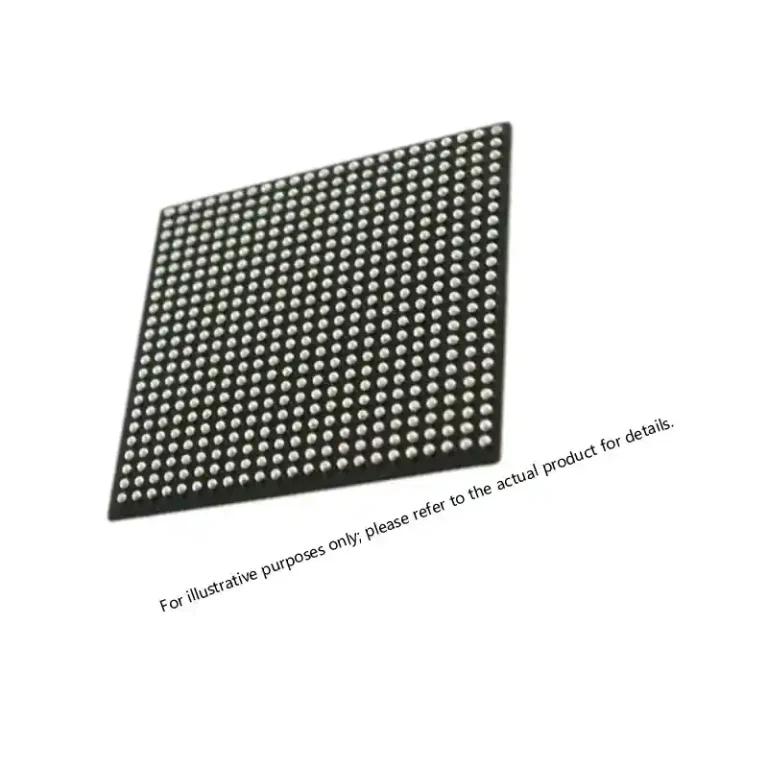
The Virtex-7 XC7VX690T Field-Programmable Gate Array represents a critical component for systems demanding high performance and unwavering reliability in extreme operational environments. Its architecture is specifically engineered to meet the stringent requirements of mission-critical applications, where computational density and operational integrity are paramount. Understanding the intricacies of this device is essential for defense contractors and systems integrators seeking to implement robust, long-lifecycle solutions.
What Makes the Virtex-7 690T Architecture Suitable for High-Reliability Applications
The Virtex-7 690T FPGA serves as a cornerstone for high-performance computing in demanding environments, offering substantial logic density and processing capabilities that few alternatives can match. This Xilinx Virtex-7 architecture integrates high-speed transceivers, large block RAMs, and extensive digital signal processing slices, all critical for sophisticated embedded processing and system-on-chip design. The robust design considerations inherent in these high-reliability FPGAs ensure consistent performance under variable conditions, which becomes particularly important when systems must operate continuously without maintenance access.
How to Read the XC7VX690T-2FFG1158I Part Number for Procurement Decisions
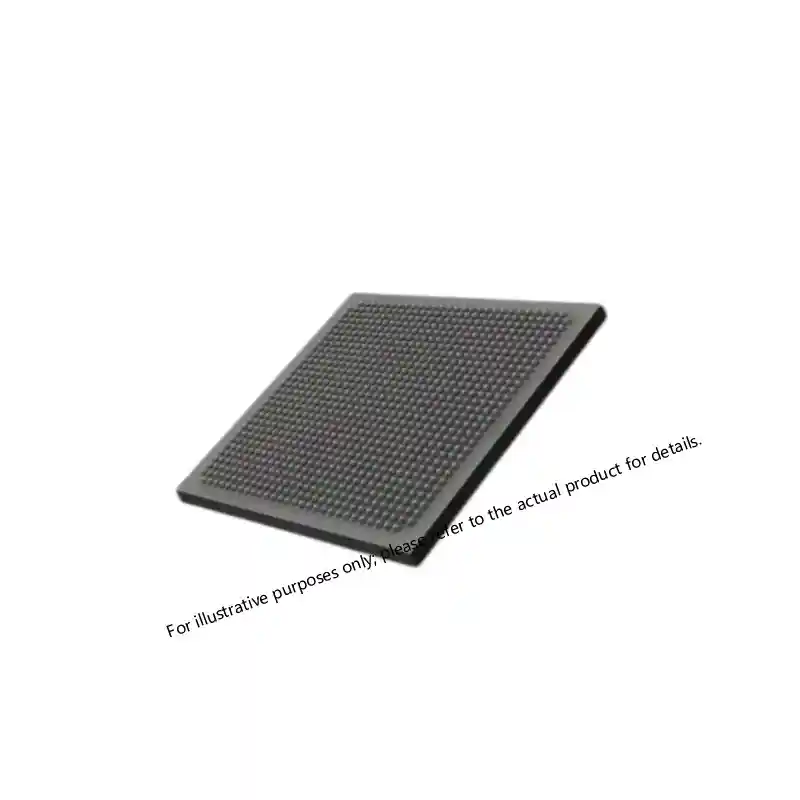
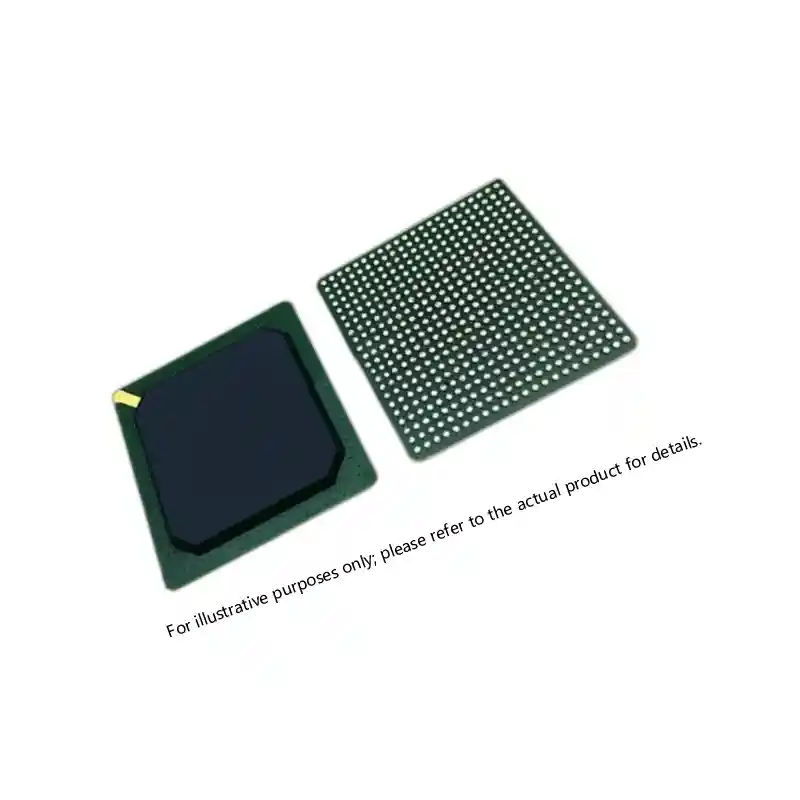
Each segment of the part number carries critical information dictating operational characteristics and suitability for specific applications. The “XC7VX690T” identifies the device family and its core features, including logic capacity and available resources. The “-2” signifies the speed grade, which directly impacts FPGA performance by defining the maximum operating frequency and propagation delays; a higher speed grade indicates faster performance, though it also affects power consumption and thermal requirements. The “FFG1158” refers to the package type, a flip-chip fine-pitch ball grid array with 1158 pins, designed for superior thermal dissipation and signal integrity. This package consideration becomes especially important for temperature range specifications in demanding environments. The final “I” denotes industrial temperature range operation, typically covering -40°C to +100°C.
| Part Segment | Description | Impact on Performance |
|---|---|---|
| XC7VX690T | Device Type | Logic capacity, DSP slices |
| -2 | Speed Grade | Max operating frequency |
| FFG1158 | Package Type | Thermal, signal integrity |
| I | Temperature | Industrial range operation |
Where Virtex-7 FPGAs Perform in Mission-Critical Deployments
The robust design and performance of the Virtex-7 690T make it indispensable for military, aerospace, and other mission-critical applications where failure carries consequences beyond simple downtime. These military-grade components are frequently deployed in defense applications such as radar systems, secure communications, and electronic warfare platforms. For aerospace electronics, the radiation-tolerant FPGA characteristics of the Virtex-7 family provide the resilience required for space-borne systems and avionics, mitigating the effects of ionizing radiation that would degrade or destroy conventional semiconductor devices. The integrity of these systems relies on components that can withstand extreme environmental stressors and maintain operational fidelity over extended periods, sometimes spanning decades of continuous service.
Why Authenticity Verification Matters for Defense Program Components
The integrity of high-reliability component supply chains is paramount, requiring rigorous verification processes to combat counterfeiting and ensure long-term program success. Authenticity verification involves comprehensive documentation and adherence to traceability standards, confirming the origin and chain of custody for each component from the original manufacturer through every handling point. For military-grade components, this often includes MIL-STD-883 testing, a set of standardized methods for testing microelectronic devices to determine their ability to withstand the destructive effects of military environments. The package type is important for high-reliability applications because it dictates thermal management, mechanical robustness, and overall environmental resilience. When programs require components that will remain in service for fifteen or twenty years, documentation gaps at procurement become audit failures and potential mission risks downstream.
| Verification Aspect | Description | Importance |
|---|---|---|
| Authenticity | Proof of genuine origin | Prevents counterfeit parts |
| Traceability | Component history record | Ensures accountability |
| MIL-STD-883 Testing | Environmental stress tests | Verifies ruggedness |
| Documentation | Certification of compliance | Supports program audits |
How to Address Obsolescence and Supply Continuity for Virtex-7 FPGAs
Navigating the complexities of sourcing specialized FPGAs involves addressing obsolescence, compliance, and securing reliable supply channels that can support programs through their full lifecycle. Component lifecycle management is crucial for long-term programs, requiring strategic planning to mitigate the impact of end-of-life notices that can arrive years before a system is scheduled for retirement. Obsolescence management involves proactive identification of at-risk components and securing last-time buys or suitable alternatives before market availability disappears entirely. Quality assurance for FPGAs mandates adherence to strict industry standards, such as JEDEC standards, which define electrical and mechanical specifications for semiconductor devices. The critical performance characteristics of the Virtex-7 XC7VX690T, including its logic capacity and high-speed interfaces, necessitate a procurement partner who understands these specifications deeply enough to evaluate alternatives when original parts become unavailable.
If your program involves long-lifecycle systems with Virtex-7 dependencies, it is worth discussing obsolescence planning and buffer stock strategies before supply constraints force reactive decisions.
Partner with Sparkle Electronics for Critical Component Supply
Sourcing authentic, high-reliability electronic components for critical programs does not have to be a daunting challenge. Sparkle Electronics helps defense contractors and systems integrators secure traceable and compliant FPGA supply through deep expertise and a global network. To discuss your specific requirements, contact us at sales@sparklemilchip.com or call +852-5444-2106.
Frequently Asked Questions
A1020B-PG84B ACT2 FPGA: Specs, Sourcing, and Availability
XC7VX485T FPGA: Virtex-7 Performance for Defense
What performance characteristics should procurement teams verify when specifying the Virtex-7 XC7VX690T?
The Virtex-7 XC7VX690T delivers high logic capacity, extensive DSP slices, and high-speed transceivers that support demanding signal processing and data throughput requirements. Its advanced architecture handles complex algorithms and high-bandwidth data processing, which makes it suitable for modern defense systems requiring robust FPGA performance. Procurement teams should verify that the speed grade matches the design’s timing requirements, as underspecifying here creates integration problems that surface late in qualification testing.
How does the FFG1158 package affect reliability in harsh operating environments?
The FFG1158 package is a flip-chip fine-pitch ball grid array designed for superior thermal and electrical performance compared to wire-bond alternatives. Its robust construction and numerous I/O pins ensure stable operation and enhanced signal integrity even in extreme temperature ranges, directly impacting the high-reliability FPGA’s longevity. The flip-chip design also provides shorter interconnect paths, which reduces parasitic inductance and improves high-frequency signal quality.
What supply chain risks should program managers address when procuring high-reliability FPGAs like the XC7VX690T-2FFG1158I?
Key supply chain considerations include ensuring component authenticity, managing obsolescence timelines, and verifying traceability to the original manufacturer through documented chain of custody. Reliable procurement partners provide documentation and adhere to industry standards like MIL-STD-883, safeguarding against counterfeit parts and ensuring long-term program support for military-grade components. For programs with multi-year production schedules, Sparkle Electronics can discuss buffer stock arrangements and alternative sourcing strategies to maintain supply continuity.
If you’re interested, you may want to read the following articles: