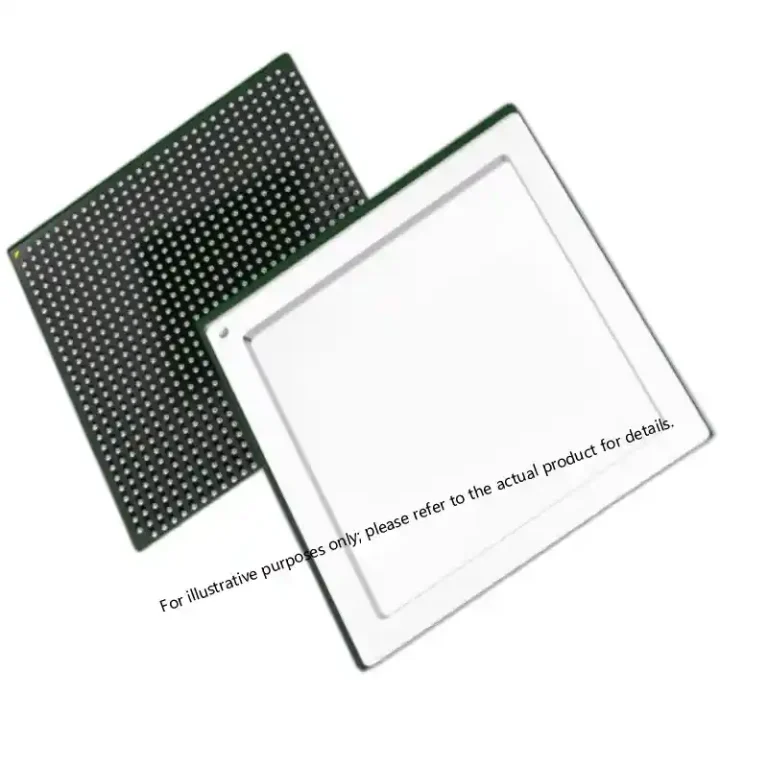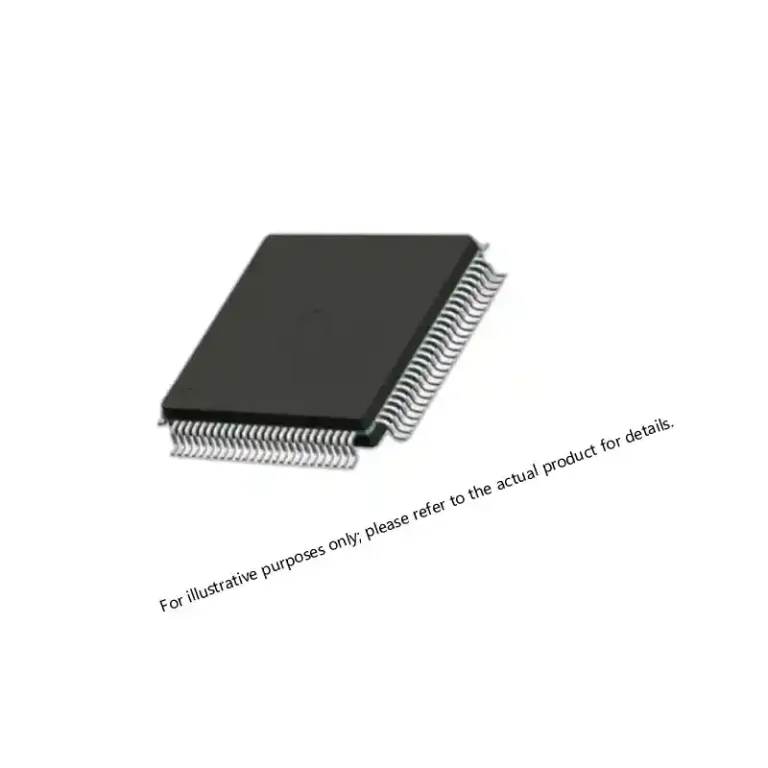
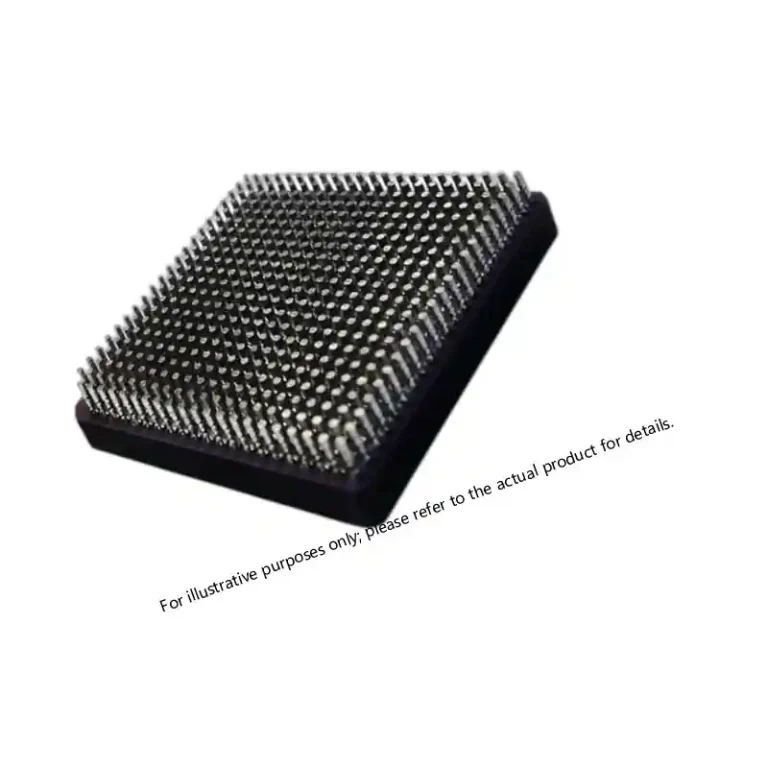
A1020B-PG84B ACT2 FPGA: Specs, Sourcing, and Availability
Table of Contents
- What the A1020B-PG84B Datasheet Actually Tells You
- Why A1020B-PG84B Availability Keeps Getting Harder
- How Counterfeit A1020B-PG84B Parts Enter Supply Chains
- What Integration Teams Need to Know About ACT2 Devices
- Procurement Approaches That Actually Work
- Frequently Asked Questions
- What performance differences matter when comparing ACT2 to newer FPGA architectures?
- How do you verify that A1020B-PG84B components are authentic?
- What lead times should programs expect for obsolete military-grade FPGAs?
The A1020B-PG84B ACT2 FPGA shows up in legacy defense and aerospace systems where reliability matters more than cutting-edge performance. Engineers managing these programs face a specific problem: the part is no longer in active production, yet the systems depending on it will operate for another decade or longer. This creates procurement challenges that differ fundamentally from sourcing current-generation components.
What the A1020B-PG84B Datasheet Actually Tells You
The A1020B-PG84B belongs to the ACT2 family, which uses a channeled gate array architecture. This architecture produces predictable routing and timing behavior, a characteristic that matters when certification timelines cannot accommodate design iterations caused by timing surprises.
The datasheet specifies parameters that drive integration decisions:
| Feature | Specification |
|---|---|
| Family | ACT2 |
| Logic Elements | 2,000-10,000 gates (application-dependent) |
| I/O Count | Up to 84 user I/Os (PG84B package) |
| Operating Temperature | Military-grade range (-55°C to +125°C) |
| Package Type | PG84B (Plastic Grid Array, 84 pins) |
| Voltage Supply | 5V (typical) |
The -55°C to +125°C operating temperature range reflects military-grade qualification. Commercial parts rated to narrower ranges cannot substitute without requalification, which typically costs more than the component savings justify.
Power consumption figures from the datasheet inform thermal management. The PG84B package dissipates heat through the pin grid, so board layout and airflow calculations depend on accurate power numbers under actual operating conditions rather than typical values.
Programming tools for ACT2 devices differ from current FPGA toolchains. Design teams maintaining these systems need access to legacy software environments, which creates its own support burden.
Why A1020B-PG84B Availability Keeps Getting Harder
The original manufacturer ended active production years ago. Remaining inventory exists in distributor stockrooms, broker warehouses, and the occasional surplus from canceled programs. This supply structure creates several problems.
Lead times are unpredictable. A distributor might have fifty pieces available today and none next month. Another might quote twelve-week delivery, then discover their supplier’s stock failed incoming inspection.
Price volatility follows availability. When a large program consumes available stock, prices spike until new inventory surfaces. Programs with fixed budgets find their component costs suddenly exceeding allocations.
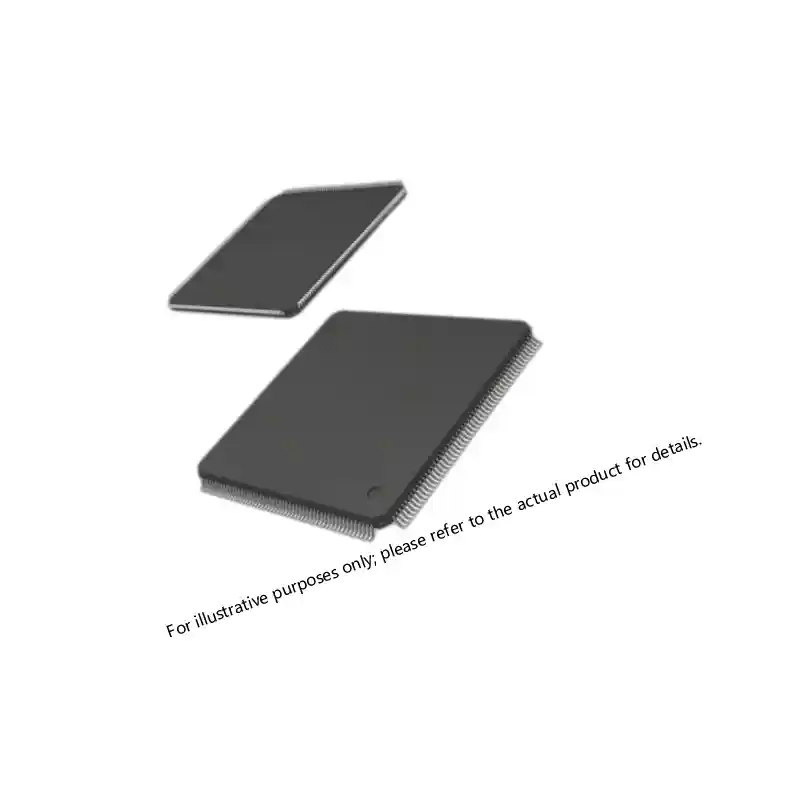
Some programs evaluate the APA1000-CQ208B or similar devices as potential alternatives. This approach works only when the design permits modification and requalification timelines align with program schedules. For systems already fielded, redesign often costs more than solving the procurement problem directly.
Effective obsolescence management requires monitoring multiple sources simultaneously. A single-source strategy that worked during active production becomes a liability when that source runs dry.
How Counterfeit A1020B-PG84B Parts Enter Supply Chains
Counterfeit components exploit the gap between demand and legitimate supply. When authentic A1020B-PG84B inventory becomes scarce, counterfeiters find willing buyers among procurement teams facing deadline pressure.
The counterfeiting methods vary in sophistication. Some involve remarking lower-grade parts with military markings. Others use recycled components pulled from scrapped equipment, cleaned, and resold as new. The most dangerous counterfeits are functional but fail under stress conditions that authentic parts would survive.
Traceability documentation provides the primary defense. Authentic military-grade components carry documentation linking each device to its manufacturing lot, test results, and chain of custody. This documentation should trace back to the original manufacturer or an authorized distribution channel.
MIL-SPEC components in the 5962-series carry specific qualification requirements. Devices claiming this qualification without supporting documentation warrant immediate suspicion.
ITAR compliance adds another verification layer for components destined for defense applications. Distributors handling these parts maintain records that support compliance audits.
If your program requires A1020B-PG84B components with full traceability, the sourcing conversation should begin with documentation requirements rather than price.
What Integration Teams Need to Know About ACT2 Devices
The A1020B-PG84B was not designed as a radiation-hardened device. Aerospace applications in high-radiation environments require either radiation-hardened alternatives or design-level mitigation techniques. The ACT2 family has characterized radiation response data, which allows designers to implement appropriate countermeasures when radiation-hardened parts are not available.
Thermal management becomes more critical in enclosed systems. The PG84B package relies on conduction through the pin grid and convection from the package surface. Systems with restricted airflow need thermal analysis specific to the installation configuration.
Environmental qualification testing for defense applications typically includes temperature cycling, vibration, and mechanical shock. These tests verify that the device survives conditions representative of its operational environment. Test protocols reference the specific environmental requirements of the target platform.
Procurement Approaches That Actually Work
Programs that successfully maintain A1020B-PG84B supply share common practices.
They maintain relationships with multiple qualified sources rather than depending on a single distributor. When one source experiences a shortage, alternatives exist.
They plan procurement cycles around program milestones rather than waiting for immediate needs. Buying ahead of requirements provides buffer against supply disruptions.
They verify documentation before accepting delivery. Inspection protocols catch problems before counterfeit or nonconforming parts reach production.
They track market conditions continuously. Early warning of supply tightening allows proactive purchasing before prices spike.
For programs where these practices require more resources than internal teams can provide, specialized distributors offer program support services that handle the monitoring and verification workload.
Frequently Asked Questions
What performance differences matter when comparing ACT2 to newer FPGA architectures?
Newer FPGAs offer higher logic density, faster clock speeds, and integrated IP cores that ACT2 devices lack. These advantages matter for new designs. For existing systems built around A1020B-PG84B, the relevant comparison is between maintaining the current design and the cost of redesign plus requalification. ACT2 devices remain appropriate where the existing design meets requirements and the qualification investment has already been made.
How do you verify that A1020B-PG84B components are authentic?
Verification starts with sourcing from distributors who maintain documented quality management systems. Request certificates of conformance, lot traceability to the original manufacturer, and test data supporting the claimed specifications. For high-value or high-risk applications, independent third-party testing confirms that parts meet datasheet parameters. Visual inspection can detect obvious remarking, but sophisticated counterfeits require electrical testing to identify.
What lead times should programs expect for obsolete military-grade FPGAs?
Lead times range from immediate availability to twelve weeks or longer, depending on current market conditions and the specific quantity required. Small quantities from distributor stock may ship within days. Larger quantities often require aggregating inventory from multiple sources, which extends timelines. Testing and documentation requirements add additional time. Programs should plan for variability rather than assuming consistent availability. For consultation on A1020B-PG84B ACT2 FPGA sourcing or technical requirements, contact SPARKLE ELECTRONICS CO., LIMITED at sales@sparklemilchip.com or +852-6912-1081.
If you’re interested, you may want to read the following articles: