V24A36T400BL DC-DC Converter: Sourcing and Hi-Rel Use
Table of Contents
- What the V24A36T400BL Part Number Tells You
- Electrical Checks Before You Lock the BOM
- Input, Protection, and Isolation
- Output Regulation and Load Response
- Thermal and Mechanical Fit in the BL Package
- Hi-Rel Documentation and Traceability
- Qualification, Screening, and Second-Source Planning
- Second-Source Package and Form-Fit Checks
- Long-Term Supply and Program Management
- Sourcing Support for the V24A36T400BL
- FAQ
- Is the V24A36T400BL suitable for a military system?
- What does the BL package require for cooling?
- Is V24A36M400BN3 a drop-in replacement for V24A36T400BL?
- What documentation should I request before ordering?
- How can I verify the module is authentic?
The V24A36T400BL is a 24 V input, 36 V output, 400 W DC-DC converter supplied in a BL package. For defense power systems, the part number is the beginning of the evaluation, not the end. A dependable purchase requires checking the electrical envelope, thermal mounting, screening trace, and the supply path behind the module. This guide walks through those checks and the documentation a procurement team should keep on file.
What the V24A36T400BL Part Number Tells You
The V24A36T400BL marking identifies a Vicor V24 family module with a nominal 24 V input, a nominal 36 V output, and a 400 W power rating. The BL suffix indicates the package configuration. The part number is a selection identifier, not a substitute for the manufacturer’s data sheet. The same 24/36/400 combination can appear in other package variants, and the package controls mounting, cooling, and mechanical qualification.
| Parameter | Part number signal | Required verification |
|---|---|---|
| Input voltage | 24 V nominal family | Minimum and maximum steady-state, transient, and startup limits |
| Output voltage | 36 V nominal | Trim range, set point tolerance, load regulation, remote sense |
| Output power | 400 W rating | Derating curves for baseplate temperature, airflow, and altitude |
| Package | BL form factor | Pinout, standoff, baseplate flatness, mechanical drawing revision |
| Grade | T character | Exact operating temperature or screening class in the approved data sheet |
Do not infer that the 400 W rating is available at every input voltage, baseplate temperature, or airflow condition. The rating is a design reference that becomes usable only when the application environment is defined.
Electrical Checks Before You Lock the BOM
For a 24 V military bus, the input range matters as much as the nominal value. The data sheet defines the minimum and maximum steady-state input voltage. If the bus can sag during engine start or spike during load disconnect, the selected module must stay within those limits. Confirm undervoltage lockout, overvoltage protection, and reverse polarity behavior before committing the part.
Input, Protection, and Isolation
Check whether the module includes input filtering, soft start, and output overcurrent protection. Isolation voltage is a separate requirement from input and output voltage. Do not treat a 24 V nominal input as proof that the converter will survive high-energy transients on a vehicle bus. The data sheet’s maximum ratings define the damage boundary, while the recommended operating conditions define the usable design window.
Output Regulation and Load Response
The 36 V output must remain within the downstream converter or load tolerance during load steps. A 400 W module may be derated when the baseplate temperature is high or airflow is restricted. When evaluating compatibility, specify the actual load range, the step size, the acceptable deviation, and the recovery time. That information lets the manufacturer or distributor confirm the module can support the rail rather than merely matching the output voltage.
Thermal and Mechanical Fit in the BL Package
The BL package determines how heat leaves the module. Without defined mounting and airflow, the 400 W figure is not a usable design commitment. The baseplate must contact the specified thermal interface, and the board layout must respect clearance, creepage, and mechanical tolerances. Confirm the module outline, hole pattern, and component height against the current manufacturer drawing.
The main mechanical checks are baseplate flatness and torque limits, thermal interface material thickness, airflow direction and CFM, altitude derating, and vibration and shock fixation. Each check should be recorded with the drawing revision it was evaluated against.
Hi-Rel Documentation and Traceability
For defense procurement, documentation is evidence, not paperwork. Before acceptance, request the manufacturer part number traceability, lot date code, certificate of conformance, and any screening or qualification records applicable to the program. If the module is not a QML or established-reliability item, state how it is being used and what additional testing will close the gap.
| Record | What it supports | Limit |
|---|---|---|
| Manufacturer CoC | Conformance of the shipped lot to the specified part number | Does not by itself prove defense-grade screening unless that grade is specified |
| Lot or date code trace | Source and batch identification | Ties records together but does not create qualification data |
| Screening or test records | Evidence of temperature cycling, burn-in, or electrical test | Must match the applicable procurement specification, not a generic checklist |
| Counterfeit inspection | Visual and marking checks, X-ray if required | Reduces risk but does not replace electrical verification |
| Configuration control | Approved data sheet revision and change notice history | Protects the design baseline as the supply chain moves |
Qualification, Screening, and Second-Source Planning
Some programs require the converter to be qualified to a specific military or aerospace standard. A commercial or industrial base part may still be usable if the program applies controlled upscreening, but the decision belongs to the responsible engineering authority. Upscreening is not a guarantee that every untested failure mechanism disappears. It is a defined process with documented limits.
Second-Source Package and Form-Fit Checks
A different package suffix is not automatically a drop-in replacement. Even when the electrical numbers look identical, pinout, baseplate, height, and pin length can differ. For example, the related V24A36M400BN3 listing uses a different package suffix. The mechanical comparison must come first. Compare the approved drawing, the thermal path, and the mechanical keep-out before calling a part an alternate. If the second source has a different screening grade, the change may require a new part number or drawing revision in the program’s configuration management system.
Long-Term Supply and Program Management
Power modules can have long lead times and revision changes during a defense program. Build a supply plan that includes approved alternate sources, last-time-buy triggers, and a defined incoming inspection method. That plan is more useful than holding a single part number without configuration records.
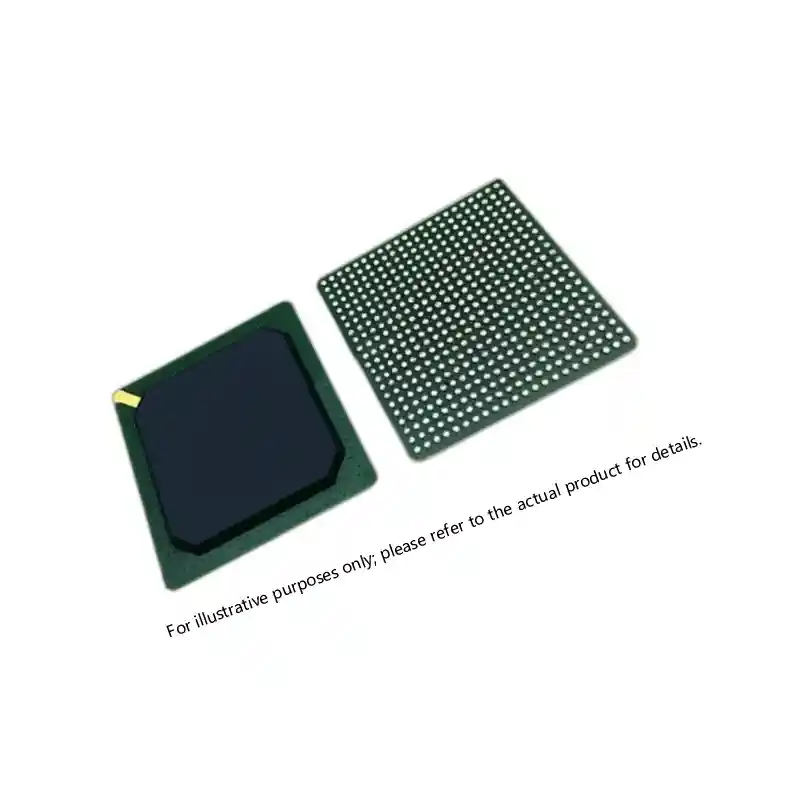
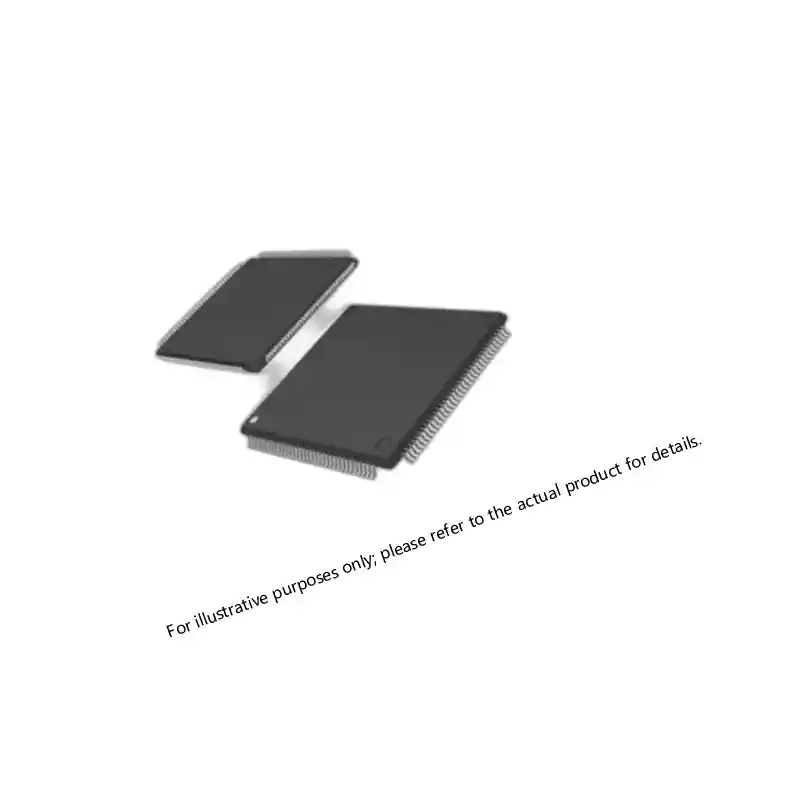
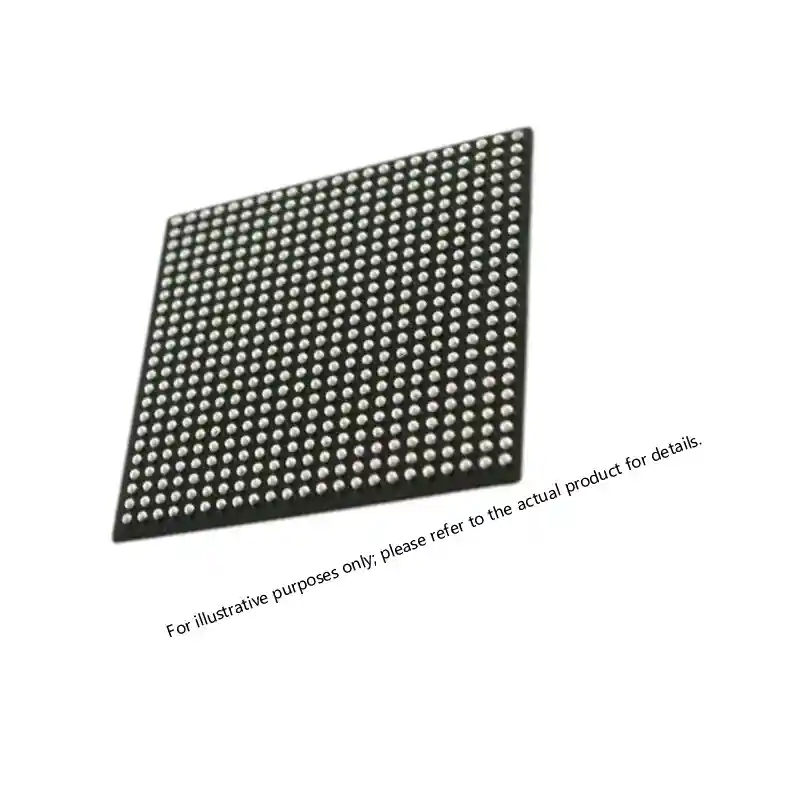
Sparkle Electronics stocks hi-rel components across power, logic, FPGA, memory, and signal-chain categories for programs that need a coordinated BOM response. The same lot-traceability and documentation control extends to adjacent devices so a power rail change does not become an isolated sourcing activity. Representative FPGA and CPLD inventory items are shown below.
Sourcing Support for the V24A36T400BL
To qualify the V24A36T400BL for your program, send Sparkle Electronics the target input range, load profile, thermal mounting details, required screening grade, and the documentation package you need. Include the approved drawing revision and the expected annual usage so the response can address both technical and supply risk. Contact Sparkle Electronics at xuansc2144@gmail.com with those details, and request a quote or a formal compliance review. A defined inquiry list shortens the time from BOM review to a defensible sourcing decision.
FAQ
Is the V24A36T400BL suitable for a military system?
It can be, but suitability is not established by the part number. The program must confirm the input range, output tolerance, temperature grade, isolation, and screening evidence against the system specification. For a commercial or industrial base module, the responsible engineering team must decide whether controlled upscreening or a higher-grade alternate is required. Do not use the module in a safety-critical or flight position until the qualification authority accepts the evidence.
What does the BL package require for cooling?
The BL package must be mounted to the specified baseplate or heat sink interface, with the correct thermal interface material and torque. The 400 W rating derates as baseplate temperature rises or airflow drops, so the thermal design must use the manufacturer’s derating curves rather than assuming full output. Confirm the mounting footprint, clearance, and any altitude derating before layout.
Is V24A36M400BN3 a drop-in replacement for V24A36T400BL?
Not automatically. The output ratings may be similar, but the package suffix differs, so the pinout, mechanical envelope, and thermal path must be compared against the approved drawing. A drop-in designation requires form, fit, function, and qualification evidence. Treat it as an alternate to be evaluated rather than a same-part substitution unless the program’s configuration control records approve equivalence.
What documentation should I request before ordering?
Request the manufacturer certificate of conformance, lot or date code traceability, applicable screening or test records, and the current data sheet revision. For high-reliability use, ask how the distributor authenticates and inspects incoming product and whether the lot has been tested or stored under controlled conditions. Keep those records with the program’s procurement file and configuration management system.
How can I verify the module is authentic?
Check the marking, packaging, and date code against the manufacturer’s format. Request lot traceability and inspect the part for inconsistent labeling or resurfacing. A qualified distributor should support incoming inspection and provide the documentation that links the shipped units to a traceable source. For critical applications, additional electrical testing and external visual or X-ray inspection can be used when the program requires it.
If you’re interested, check out these related articles:
XC7VX485T FPGA: Virtex-7 Performance for Defense
UltraScale KU085 FPGA Specifications for Defense Systems
XCKU115 UltraScale FPGA: Powering Critical Defense Systems
Virtex-7 XC7VX690T: Performance, Reliability, and Integration
Virtex-7 XC7VX690T: Performance and Reliability Insights