URAM2T23 Vicor AC Input Rectifier: Sourcing and Fit Checks
Table of Contents
- What the URAM2T23 Does in a Defense Power Front End
- How to Read the URAM2T23 Part Number and Package
- What to Confirm Before You Buy
- Which Documentation Protects the Procurement
- How to Reduce Substitution and Counterfeit Risk
- Lifecycle Planning for URAM2T23 Supply
- Sourcing Support for URAM2T23
- FAQ
- Is URAM2T23 a complete power supply?
- What is the difference between URAM2T23 and URAM2H21?
- Can I use URAM2MG3 instead of URAM2T23?
- What documents should I request before accepting URAM2T23 parts?
URAM2T23 is a Vicor AC input rectifier module whose value in defense power design depends on package fit, documentation, and the downstream converter chain. Procurement engineers often treat the rectifier as a simple front-end part, but the T23 suffix is not passive: it determines the mechanical package, termination approach, and the integration path into the power assembly. The supported procurement decision is to verify the exact URAM2T23 configuration against the system bus, thermal interface, and quality record before accepting stock. This guide explains the checks that separate a traceable, program-ready module from one that only appears to match the part number.
What the URAM2T23 Does in a Defense Power Front End
In a Vicor power chain, the AC input rectifier module converts the alternating-current source into a rectified high-voltage DC bus for downstream DC-DC converters. The URAM2T23 belongs to that front-end stage, so its output quality, current rating, and protection behavior influence every converter behind it. In defense applications the rectifier is often paired with EMI filtering and transient protection, and its placement on the board affects thermal management and serviceability. The exact input and output ratings are controlled by the manufacturer data sheet and the full part suffix, so the procurement check starts with the controlled document rather than a summarized catalog field.
How to Read the URAM2T23 Part Number and Package
URAM modules from Vicor use suffixes that separate function, package, and grade. A shortened listing such as URAM2T23 should be read as a family and package identifier, not as the complete procurement specification. The T23 designation identifies the package and termination form, while other variants in the same family include URAM2H21 and URAM2MG3. Each suffix drives mechanical fit, pin style, thermal path, and handling requirements.
| Part number | Package or grade signal in the listing |
|---|---|
| URAM2H21 | H-grade, H21 package |
| URAM2MG3 | MG3 package |
| URAM2T23 | T23 package |
These rows come from shortened component listings, so they are useful for separating variants during first-pass sourcing. They do not replace the manufacturer full part number and product drawing.
What to Confirm Before You Buy
Before accepting URAM2T23 stock, confirm the application requirements and the evidence that the specific lot matches them. The most expensive failures occur when a buyer accepts a visually similar module with a different package, grade, or input configuration. Use the following checks.
| Review point | What to confirm | Why it matters |
|---|---|---|
| Full manufacturer part number | Complete URAM2T23 suffix including grade, package, and any dash codes | Prevents form, fit, or grade substitution |
| Input source compatibility | System AC input range, frequency, and transient environment | Avoids a front-end configured for the wrong bus |
| Output bus and load profile | Compatibility with the downstream converter chain and startup current | Protects the DC-DC stage from out-of-range conditions |
| Thermal and mounting | T23 package footprint, cooling path, and mechanical retention | Confirms the board and chassis can carry the module |
| Lot evidence | Test records, date codes, and traceability documents | Supports acceptance, failure analysis, and future audits |
Which Documentation Protects the Procurement
For a defense program, the part number by itself is not enough. The procurement file should connect the physical unit to its origin, test status, and custody chain. Request the manufacturer or supplier documentation that shows what was performed on the lot offered, not what is generally available for the part family. Key records include certificate of conformance, source or lot traceability, incoming inspection results where available, and any program-required screening or environmental qualification evidence. When a document is not available, treat that gap as an open condition rather than assuming the part is suitable.
How to Reduce Substitution and Counterfeit Risk
Substitution risk rises when a scarce module is sourced from unknown stock because the part number seems familiar. URAM2T23 buyers should maintain a controlled supply path, verify package markings and date codes, compare the physical dimensions and terminations when samples are available, and confirm the electrical behavior at incoming inspection where the program requires it. A photograph or a label alone establishes identity; it does not establish that the module performs to the original manufacturer specification. If the offered part has inconsistent marking, no traceable lot, or a price that is far from the documented market range, treat it as a trigger for additional inspection.
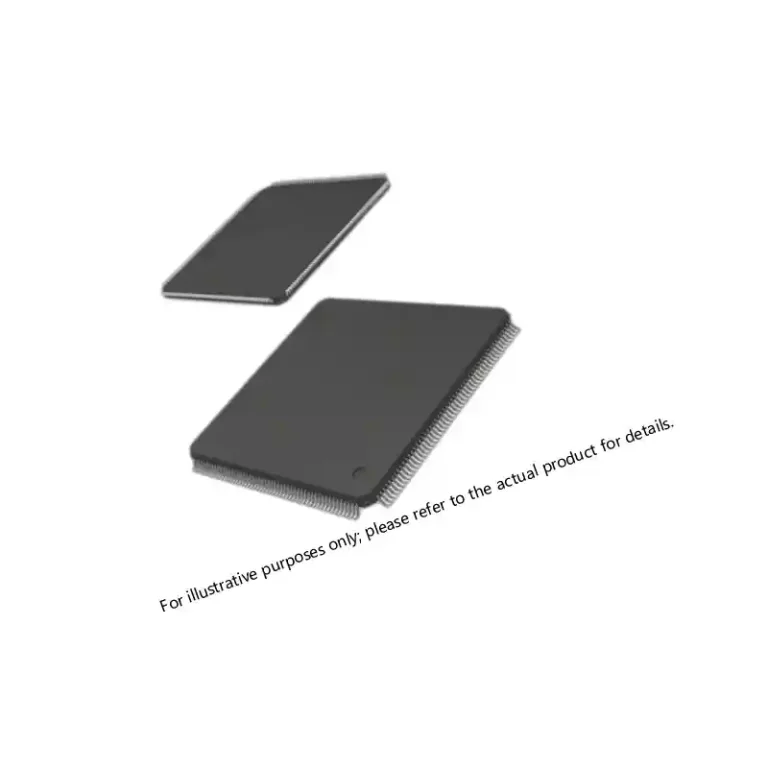
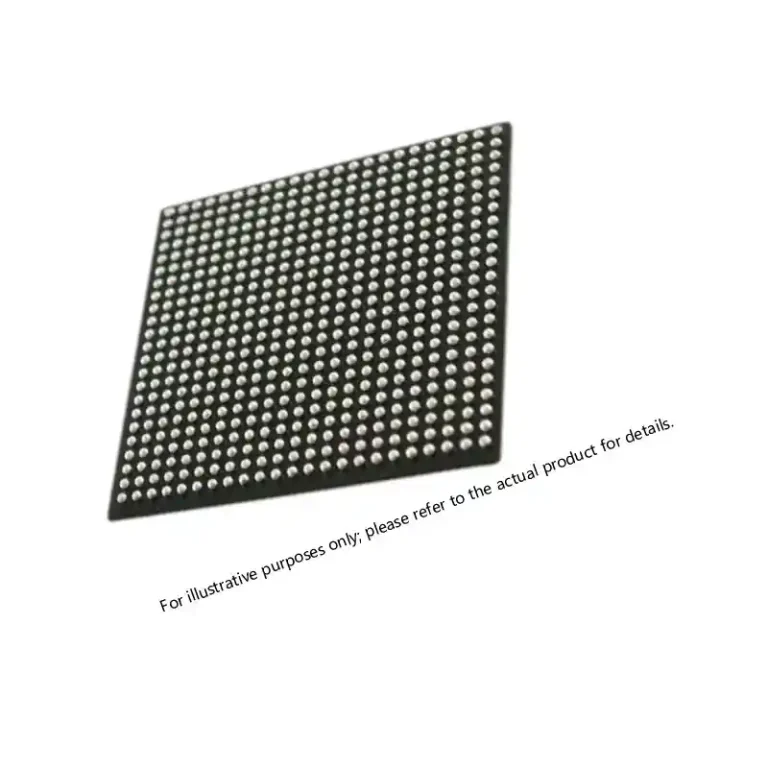
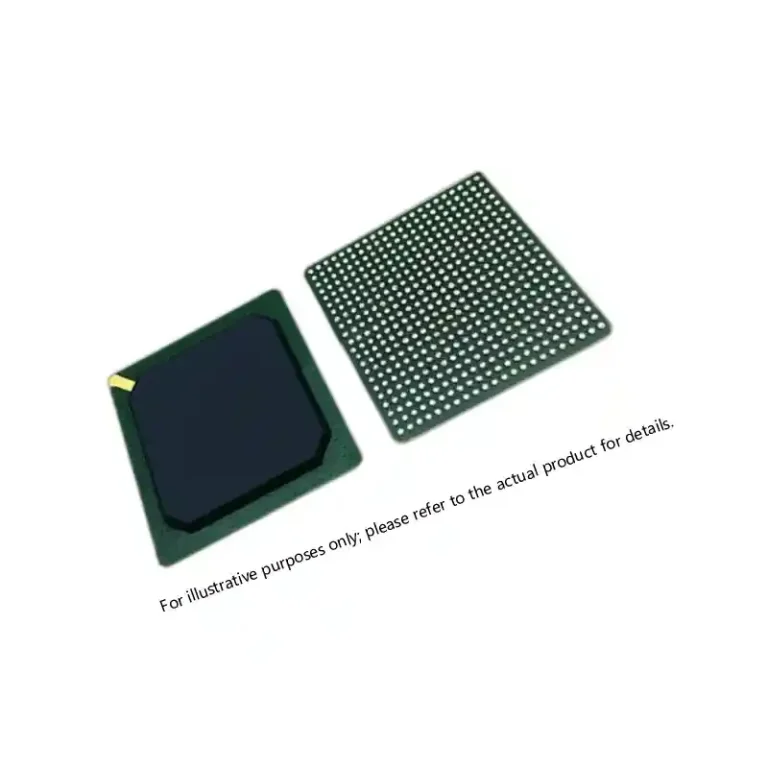
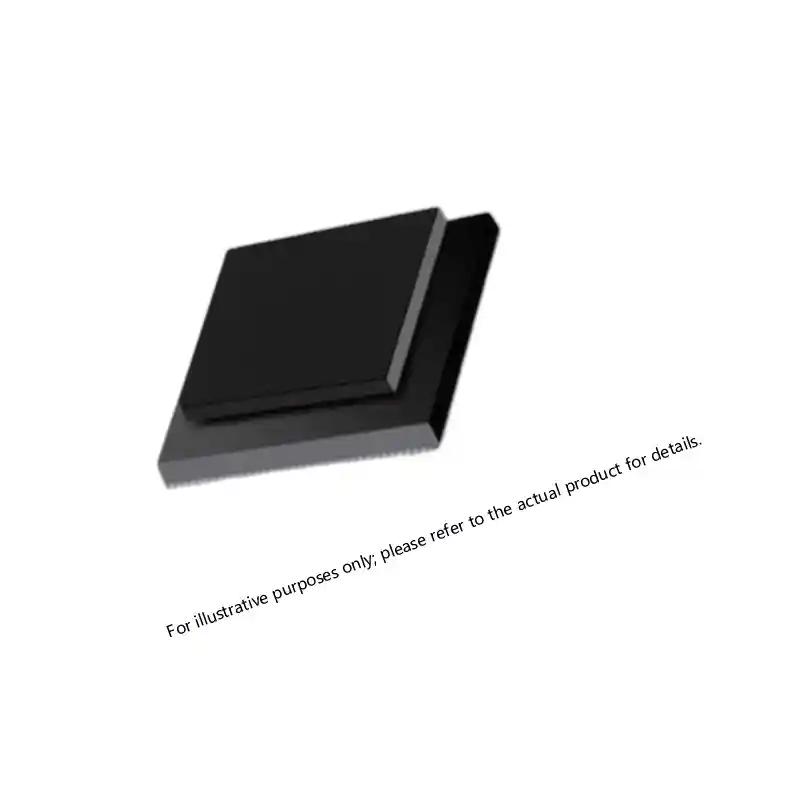
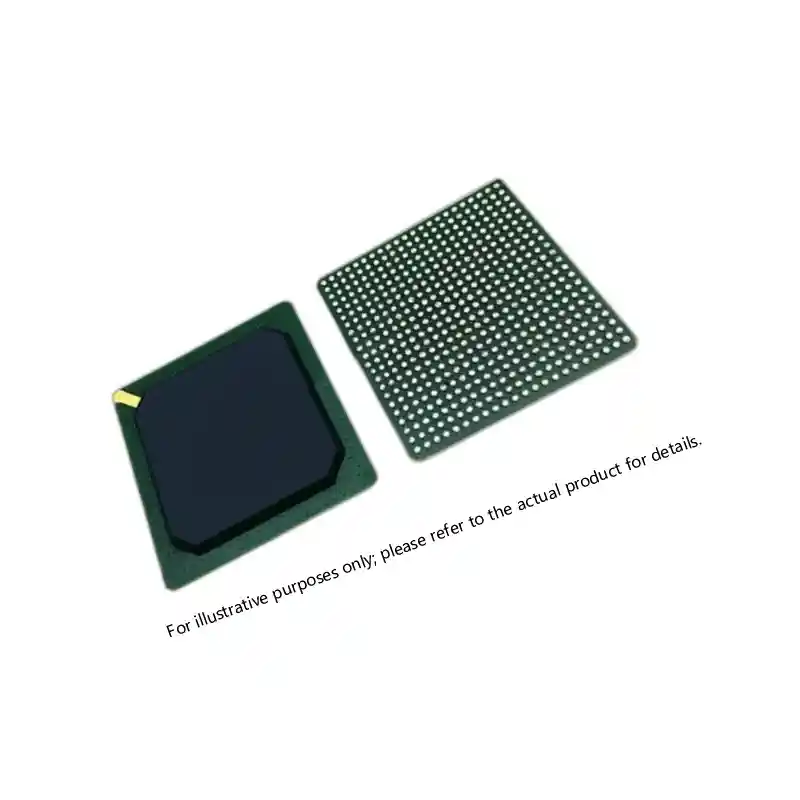
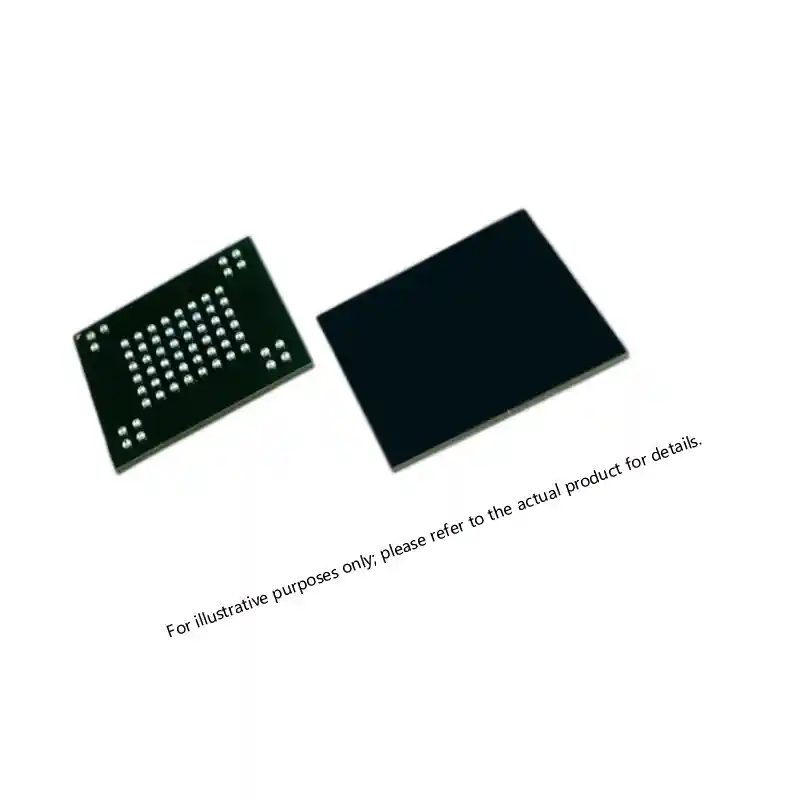
Visual documentation supports identification when it is tied to a lot and test record. Representative hi-rel component images from a distributor inspection process, such as 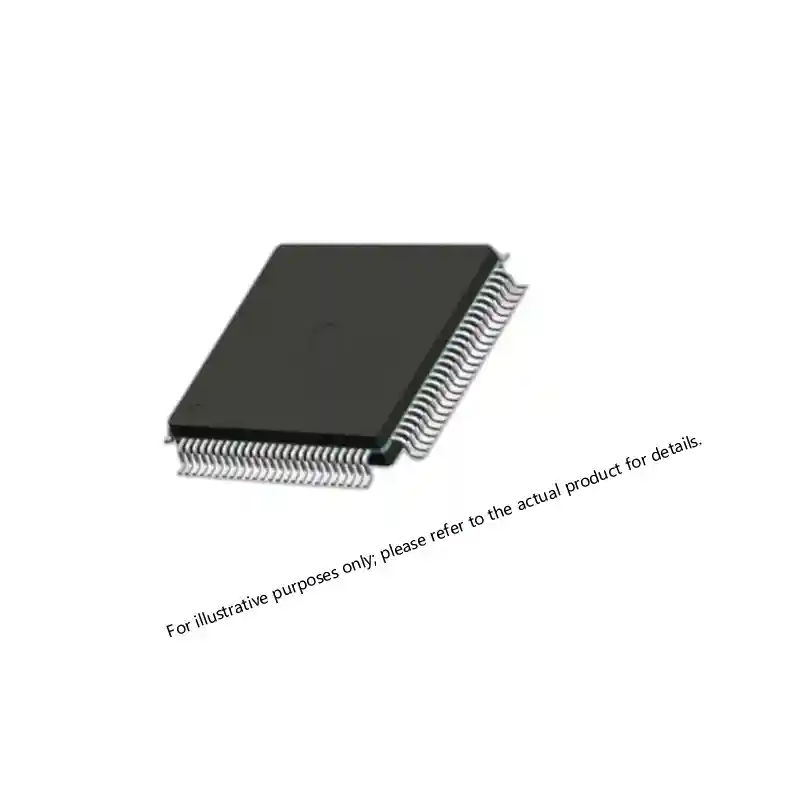 ,
 ,
 ,
 , and
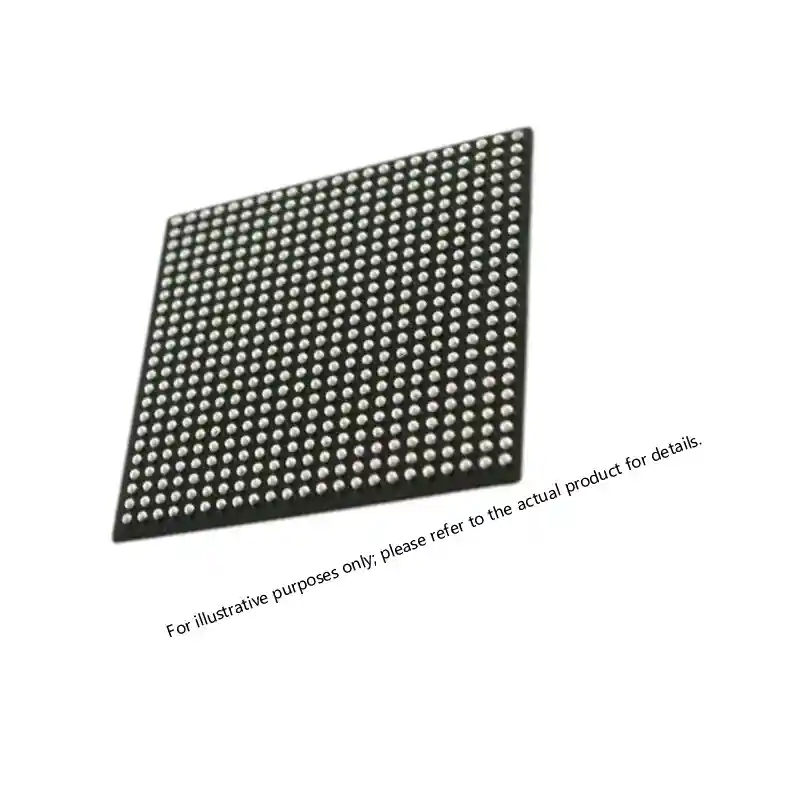 , show the kind of clear package-level records a disciplined supplier can provide. These images are examples of visual identity records, not electrical acceptance evidence for the URAM2T23 itself.
Lifecycle Planning for URAM2T23 Supply
For long-running defense programs, the URAM2T23 may be required long after the initial design release. Plan for lifecycle changes before the line stops. First, identify the exact approved manufacturer part and any alternate sources the program allows. Second, record the lot or date-code profile currently installed or accepted. Third, monitor manufacturer notifications and lifecycle status through controlled distribution. Fourth, hold a procurement file that includes the latest drawing, test requirements, and acceptance criteria so a future buy can be compared against the original approval rather than against memory. If an alternate package or grade is proposed, separate the electrical equivalence from the mechanical and qualification difference; changing the suffix is a design change until the program reviews it.
Sourcing Support for URAM2T23
Sparkle Electronics supports URAM2T23 sourcing requests with traceability and documentation review for defense and hi-rel programs. Send the full manufacturer part number, required package or grade, target quantity, and any lot, date-code, or qualification requirements to xuansc2144@gmail.com. The review can then focus on the actual part, not a generic family match.
FAQ
Is URAM2T23 a complete power supply?
No. It is an AC input rectifier module and forms the front-end conversion stage. A complete power solution still requires downstream DC-DC converters, filtering, and system-level protection to produce the final regulated outputs.
What is the difference between URAM2T23 and URAM2H21?
The suffix changes the package and grade signal. URAM2H21 is listed as H-grade with an H21 package, while URAM2T23 uses the T23 package. The exact electrical and environmental ratings should be confirmed from the manufacturer data sheet before comparing them as alternates.
Can I use URAM2MG3 instead of URAM2T23?
Only if the board fit, termination, thermal path, qualification status, and program documentation support the change. A URAM family match is not automatically a form, fit, and function match. Treat the suffix change as an engineering review item.
What documents should I request before accepting URAM2T23 parts?
Request the certificate of conformance, lot or date-code traceability, test records, and source evidence. Package photographs can support identity review, but they do not replace electrical or documentation checks.
If you’re interested, check out these related articles:
XC7VX485T Virtex-7 FPGA: Performance and Sourcing for Defense
XCKU085 UltraScale FPGA: Performance for Critical Systems
A1020B-PG84B ACT2 FPGA: Specs, Sourcing, and Availability
Virtex-7 690T FPGA: Performance, Packaging, and Reliability Insights