XC7VX485T Virtex-7 FPGA: Performance and Sourcing for Defense
Table of Contents
- What the XC7VX485T Virtex-7 FPGA Actually Delivers in Processing Power
- Why the FFG1927 Package Complicates Board-Level Integration
- Where the XC7VX485T Fits in Defense and Aerospace Systems
- How Counterfeit Risk Shapes XC7VX485T Sourcing Decisions
- What Obsolescence Planning Looks Like for Virtex-7 Programs
- Why Traceable Sourcing Matters for Virtex-7 FPGAs in Defense Applications
- Frequently Asked Questions About Virtex-7 FPGAs and High-Reliability Sourcing
- How do programs manage XC7VX485T availability over multi-decade lifecycles?
- What does the -2 speed grade mean for system timing margins?
- What documentation should accompany XC7VX485T devices for defense programs?
The XC7VX485T Virtex-7 FPGA handles the processing loads that defense and aerospace systems actually demand. Its architecture delivers what mission-critical platforms need: reliable throughput under conditions where failure is not an option. The component’s specifications, long-term availability, and sourcing integrity all factor into whether it fits a given program’s requirements.
What the XC7VX485T Virtex-7 FPGA Actually Delivers in Processing Power
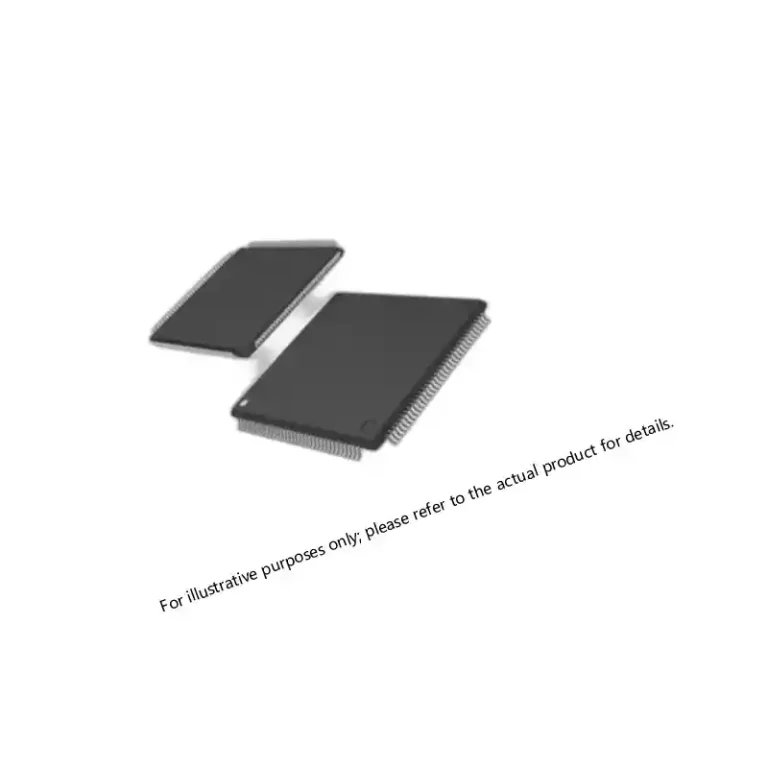
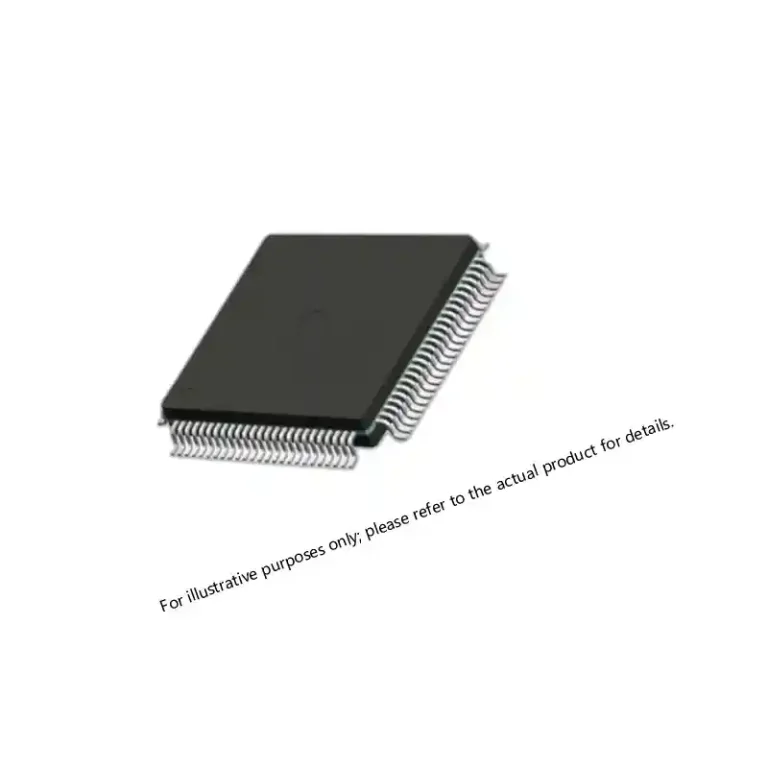
The XC7VX485T sits within the Xilinx Virtex-7 family, built on a 28nm process that keeps thermal output manageable while sustaining high clock rates. This Field-Programmable Gate Array packs 485,760 logic cells into a reconfigurable fabric that accommodates complex algorithms without the lead time of custom silicon. The 2,880 DSP slices handle filtering, fast Fourier transforms, and other signal processing operations that would otherwise bottleneck system performance. High-speed transceivers running up to 12.5 Gb/s support the data rates radar and secure communication systems require, while 34.6 Mb of block RAM reduces latency by keeping critical data on-chip rather than shuttling it to external memory.
The -2 speed grade positions this device at a performance tier that balances clock frequency against power draw, a tradeoff that matters in embedded systems where cooling capacity and power budgets are fixed constraints.
| Feature | Specification (XC7VX485T) | Benefit for Defense Applications |
|---|---|---|
| Logic Cells | 485,760 | High design flexibility, complex algorithm implementation |
| DSP Slices | 2,880 | Accelerated signal processing, real-time data handling |
| Transceiver Speed | Up to 12.5 Gb/s | High-bandwidth data transfer, secure communications |
| Block RAM (Mb) | 34.6 | On-chip data storage, reduced latency |
| Speed Grade | -2 | Optimized performance, power efficiency |
Why the FFG1927 Package Complicates Board-Level Integration
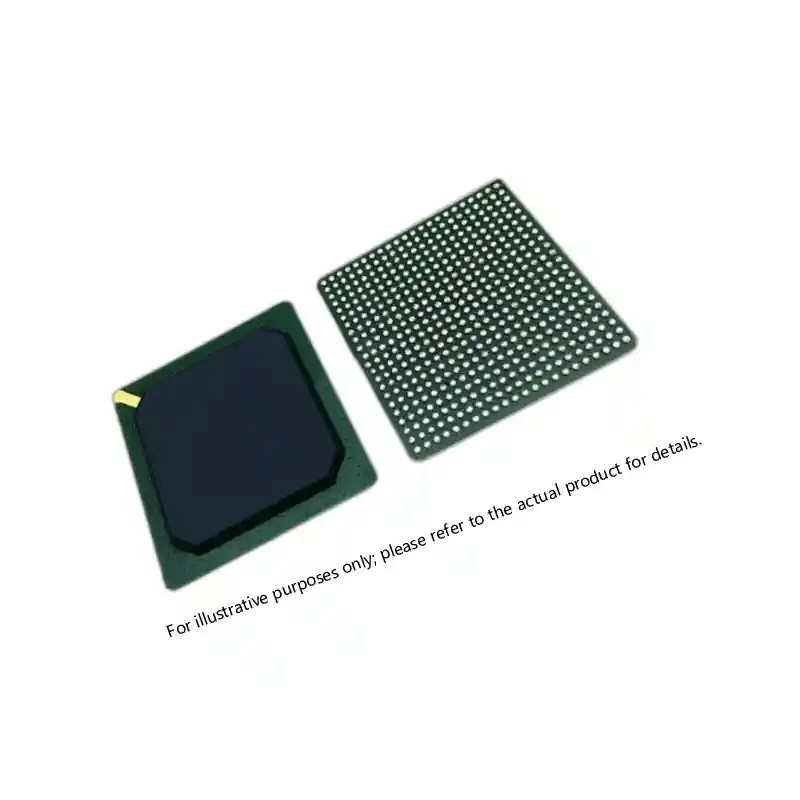
The FFG1927 flip-chip ball grid array presents integration challenges that surface early in the design cycle. Its high pin count and physical footprint demand PCB layouts with tight trace routing and controlled impedance to preserve signal integrity. Get the stackup wrong, and electromagnetic interference becomes a persistent headache.
Thermal management drives much of the mechanical design around this package. The junction temperature must stay within operational limits, which typically means heat sinks, thermal interface materials, and sometimes liquid cooling depending on the enclosure constraints. In airborne or shipboard systems where ambient temperatures fluctuate and vibration is constant, the mounting hardware needs to absorb mechanical stress without compromising thermal contact. Material selection for the board and mounting components affects both reliability and weight, two factors that rarely pull in the same direction.
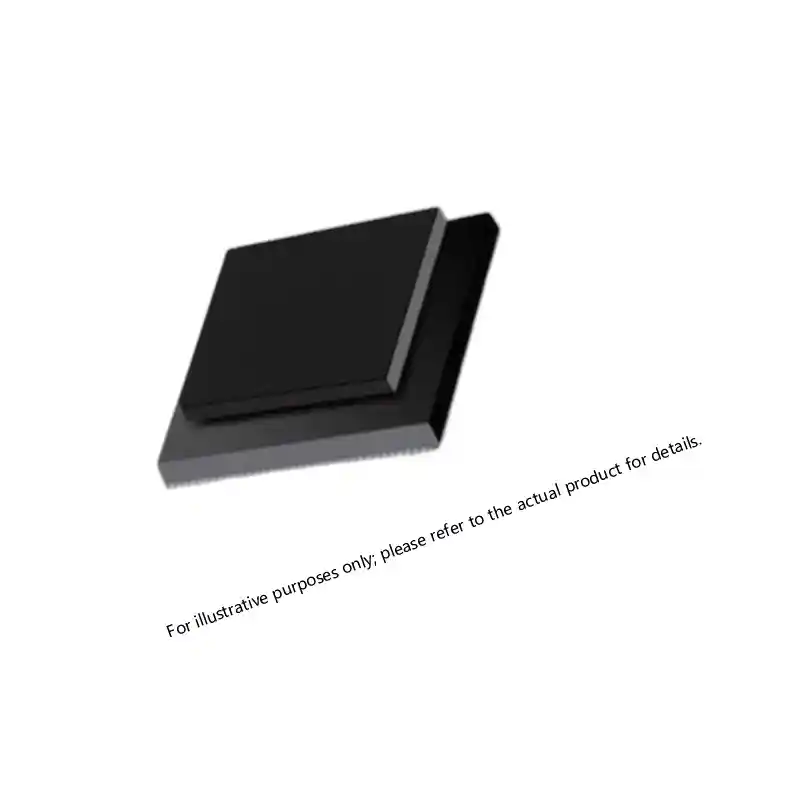
The package’s physical properties also dictate how the board handles shock and vibration. Solder joint fatigue accumulates over thermal cycles and mechanical loading, so designs intended for harsh environments need to account for this from the start rather than discovering problems during qualification testing.
Where the XC7VX485T Fits in Defense and Aerospace Systems
Radar processing is a natural fit for this device. The combination of DSP slices and high-speed transceivers handles the throughput that modern phased array systems generate, while the reconfigurable logic allows waveform updates without hardware changes. Electronic warfare applications benefit from the same characteristics: rapid signal analysis, adaptive countermeasures, and the ability to modify processing chains as threat signatures evolve.
Avionics platforms use the XC7VX485T for sensor fusion, flight control computations, and navigation processing. These applications demand MIL-STD-883 compliance and the kind of deterministic timing that FPGAs provide when properly designed. The reconfigurability extends operational lifespan by allowing in-field updates, a significant advantage when programs span decades and threat environments shift.
Satellite communication systems rely on this FPGA for processing high-bandwidth data streams and implementing cryptographic functions. The device’s power efficiency matters here because thermal dissipation in space-constrained enclosures limits what processing can be sustained continuously.
How Counterfeit Risk Shapes XC7VX485T Sourcing Decisions
The consequences of counterfeit components in defense systems go beyond procurement headaches. A compromised FPGA can introduce hardware backdoors, fail under operational stress, or simply not meet timing specifications that the design depends on. The risks justify the overhead of rigorous sourcing protocols.
Full traceability means every device can be tracked to its original manufacturing lot, with documentation including Certificates of Conformance, date codes, and original manufacturer test reports. QML-qualified devices and MIL-SPEC supply chains exist precisely because commercial sourcing practices do not provide the verification these applications require.
Visual inspection catches obvious remarking and package damage, but electrical testing and de-capsulation analysis detect subtler counterfeits that pass initial screening. If your program involves XC7VX485T devices in mission-critical roles, discussing sourcing verification protocols with a distributor experienced in defense supply chains is worth the time before procurement begins. Sparkle Electronics maintains the documentation and testing capabilities these applications demand.
What Obsolescence Planning Looks Like for Virtex-7 Programs
Defense programs routinely outlast the commercial availability of their components. The XC7VX485T will eventually face end-of-life announcements, and programs that depend on it need strategies in place before that happens.
Last-time buy opportunities require accurate forecasting of lifetime requirements, including spares and potential system expansions. Inventory management becomes a program function rather than just a procurement task. Distributors with experience in legacy component support can sometimes locate authentic devices after official channels close, but this depends on relationships and inventory visibility that take time to establish.
Compatible replacements exist for some applications, though migration involves requalification effort that program schedules may not accommodate. The practical approach combines strategic inventory with early engagement on replacement planning, treating obsolescence as a known constraint rather than a surprise.
Why Traceable Sourcing Matters for Virtex-7 FPGAs in Defense Applications
Non-traceable components introduce risks that extend beyond the technical. Regulatory compliance in defense electronics requires documented provenance, and audits that cannot verify component origins create program delays and potential legal exposure. Security concerns are equally serious: a device without verified history could contain modifications that compromise system integrity in ways that testing might not reveal.
The defense supply chain has learned these lessons through incidents that programs would rather not repeat. Traceable sourcing provides verifiable proof of origin and quality, which is the foundation for secure FPGA procurement in applications where operational integrity is non-negotiable.
Frequently Asked Questions About Virtex-7 FPGAs and High-Reliability Sourcing
How do programs manage XC7VX485T availability over multi-decade lifecycles?
Long-term availability requires active management rather than passive monitoring. Strategic last-time buys, relationships with distributors who maintain legacy inventory, and early evaluation of migration paths all contribute to continuity. Programs that wait for end-of-life announcements before acting typically face constrained options and premium pricing. Sparkle Electronics supports programs through these transitions with inventory planning and alternative sourcing.
What does the -2 speed grade mean for system timing margins?
The -2 speed grade defines the device’s timing characteristics, affecting achievable clock frequencies and setup/hold margins. For designs with tight timing closure requirements, the speed grade determines whether the target performance is achievable without architectural changes. Applications involving real-time signal processing or high-throughput data paths need to verify that the -2 grade meets their timing budgets during the design phase rather than discovering margin issues during integration.
What documentation should accompany XC7VX485T devices for defense programs?
Certificates of Conformance, original manufacturer test reports, date codes, and lot numbers form the baseline. Full traceability back to the original manufacturer is the standard for MIL-SPEC applications. Distributors serving defense programs should provide this documentation routinely, and programs should verify that their procurement processes require it. To discuss documentation requirements for your specific program, contact Sparkle Electronics at sales@sparklemilchip.com or +852-54468203.
If you’re interested, you may want to read the following articles:
XC7VX485T FPGA: Virtex-7 Performance for Defense
A1020B-PG84B ACT2 FPGA: Specs, Sourcing, and Availability