
ALTERA 5AGXBB7D4F35I5N
- 6.6 million logic elements for complex signal processing
- Up to 1,200 GMACs digital signal processing performance
- 28 Gbps transceivers for high-speed data transmission
- Radiation-tolerant design for aerospace environments
- Extended temperature range: -40°C to +100°C
Related Products For Your Business
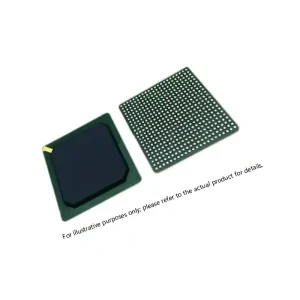
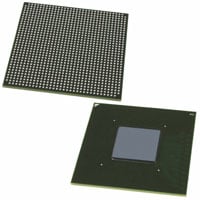
The Altera 5AGXBB7D4F35I5N is the highest-density member of the Arria V GX FPGA family — 190,240 ALMs (≈504K logic elements), 2,414 M10K embedded memory blocks (24,140 KByte total), 1,156 variable-precision DSP blocks, and up to 10.3125 Gbps transceivers — in the 1,152-pin F35 FBGA package, industrial temperature grade I5. Built on TSMC’s 28nm low-power process, it delivers the lowest static and dynamic power in the mid-range transceiver FPGA category, making it the preferred device for power-constrained defense signal processing, SDR payload, and satellite data handling applications where Stratix IV GX power consumption is prohibitive and Cyclone V GX logic density is insufficient.
Arria V GX Density Comparison — Key Devices
| Device | ALMs | LEs (K) | M10K Blocks | DSP Blocks | Max Transceivers | Package |
|---|---|---|---|---|---|---|
| 5AGXB7 (this device) | 190,240 | 504 | 2,414 | 1,156 | Up to 36 | F35 (1152-pin) |
| 5AGXB5 | 158,491 | 420 | 2,054 | 1,092 | Up to 36 | F35 (1152-pin) |
| 5AGXB3 | 136,880 | 362 | 1,726 | 1,045 | Up to 36 | F35 (1152-pin) |
| 5AGXA7 | 91,680 | 242 | 1,366 | 800 | Up to 28 | F35 (1152-pin) |
The F35 package enables vertical migration across the 5AGXB family — the same PCB footprint supports step-up or step-down to adjacent density devices, protecting board investment across program iterations. The I5 industrial speed grade covers the −40°C to +100°C junction temperature range, suitable for airborne and shipboard electronics without requiring the tighter thermal management demanded by commercial-grade parts. Hard IP blocks for PCIe Gen1/Gen2/Gen3 (up to x8), GbE, Serial RapidIO, CPRI, and GPON reduce fabric resource consumption for protocol-heavy designs, leaving more ALMs available for custom signal processing logic. All Arria V GX devices are supported in Intel Quartus Prime with full IP library access, including DSP Builder, JESD204B, and OpenCL SDK. For legacy defense platforms currently running Stratix II or Stratix III, Altera’s vertical migration guidance and IP compatibility path to Arria V GX is documented in the device handbook.
FAQ
What does each field in 5AGXBB7D4F35I5N mean?
5A = Arria V family; GX = GX variant (with transceivers); B = B die group; B7 = highest-density B-series member (190,240 ALMs); D4 = device option; F35 = 1,152-pin FBGA package; I5 = industrial temperature, speed grade 5.
What is the logic capacity of the 5AGXBB7D4F35I5N?
190,240 ALMs, equivalent to approximately 504K logic elements. This is the largest device in the Arria V GX B-series, providing the highest logic density available in the F35 package.
What transceiver speeds are supported?
Arria V GX transceivers support up to 10.3125 Gbps, covering PCIe Gen3, CPRI, JESD204B, Serial RapidIO, and custom protocols from 611 Mbps to 6.5536 Gbps via PCS hard IP. The 80-bit direct PMA interface supports protocols above 6.5536 Gbps up to 10.3125 Gbps.
What is the I5 speed grade and temperature range?
I5 is the industrial temperature speed grade for Arria V GX devices, covering a junction temperature range of −40°C to +100°C (Tj). Industrial speed grades (I3 and I5) are the only options for airborne, shipboard, and defense ground systems requiring operation below 0°C.
What embedded memory capacity does this device provide?
2,414 M10K blocks totaling 24,140 KByte of on-chip SRAM, plus MLAB distributed memory configurable from up to 50% of the ALMs. M10K blocks support single-port, dual-port, true dual-port RAM, FIFO, and ROM configurations with optional ECC.
Can this device be used as a drop-in replacement for Stratix III or Cyclone IV GX?
Not a direct pin-compatible drop-in, but Intel’s vertical migration path documentation covers RTL portability and IP migration from Stratix III/IV to Arria V GX. The F35 package supports vertical migration within the Arria V GX B-series. Contact Intel Quartus Prime support for a formal migration plan.
Arria V GX Density Comparison — Key Devices
| Device | ALMs | LEs (K) | M10K Blocks | DSP Blocks | Max Transceivers | Package |
|---|---|---|---|---|---|---|
| 5AGXB7 (this device) | 190,240 | 504 | 2,414 | 1,156 | Up to 36 | F35 (1152-pin) |
| 5AGXB5 | 158,491 | 420 | 2,054 | 1,092 | Up to 36 | F35 (1152-pin) |
| 5AGXB3 | 136,880 | 362 | 1,726 | 1,045 | Up to 36 | F35 (1152-pin) |
| 5AGXA7 | 91,680 | 242 | 1,366 | 800 | Up to 28 | F35 (1152-pin) |
The F35 package enables vertical migration across the 5AGXB family — the same PCB footprint supports step-up or step-down to adjacent density devices, protecting board investment across program iterations. The I5 industrial speed grade covers the −40°C to +100°C junction temperature range, suitable for airborne and shipboard electronics without requiring the tighter thermal management demanded by commercial-grade parts. Hard IP blocks for PCIe Gen1/Gen2/Gen3 (up to x8), GbE, Serial RapidIO, CPRI, and GPON reduce fabric resource consumption for protocol-heavy designs, leaving more ALMs available for custom signal processing logic. All Arria V GX devices are supported in Intel Quartus Prime with full IP library access, including DSP Builder, JESD204B, and OpenCL SDK. For legacy defense platforms currently running Stratix II or Stratix III, Altera’s vertical migration guidance and IP compatibility path to Arria V GX is documented in the device handbook.
FAQ
What does each field in 5AGXBB7D4F35I5N mean?
5A = Arria V family; GX = GX variant (with transceivers); B = B die group; B7 = highest-density B-series member (190,240 ALMs); D4 = device option; F35 = 1,152-pin FBGA package; I5 = industrial temperature, speed grade 5.
What is the logic capacity of the 5AGXBB7D4F35I5N?
190,240 ALMs, equivalent to approximately 504K logic elements. This is the largest device in the Arria V GX B-series, providing the highest logic density available in the F35 package.
What transceiver speeds are supported?
Arria V GX transceivers support up to 10.3125 Gbps, covering PCIe Gen3, CPRI, JESD204B, Serial RapidIO, and custom protocols from 611 Mbps to 6.5536 Gbps via PCS hard IP. The 80-bit direct PMA interface supports protocols above 6.5536 Gbps up to 10.3125 Gbps.
What is the I5 speed grade and temperature range?
I5 is the industrial temperature speed grade for Arria V GX devices, covering a junction temperature range of −40°C to +100°C (Tj). Industrial speed grades (I3 and I5) are the only options for airborne, shipboard, and defense ground systems requiring operation below 0°C.
What embedded memory capacity does this device provide?
2,414 M10K blocks totaling 24,140 KByte of on-chip SRAM, plus MLAB distributed memory configurable from up to 50% of the ALMs. M10K blocks support single-port, dual-port, true dual-port RAM, FIFO, and ROM configurations with optional ECC.
Can this device be used as a drop-in replacement for Stratix III or Cyclone IV GX?
Not a direct pin-compatible drop-in, but Intel’s vertical migration path documentation covers RTL portability and IP migration from Stratix III/IV to Arria V GX. The F35 package supports vertical migration within the Arria V GX B-series. Contact Intel Quartus Prime support for a formal migration plan.