Virtex-7 690T FPGA: Performance for Mission-Critical Systems
Table of Contents
- Understanding the XC7VX690T: Core Architecture and Capabilities
- How Speed Grade and Package Affect Virtex-7 690T System Performance
- Why Authenticity and Traceability Matter for Military-Grade Virtex-7 690T FPGAs
- What Considerations Are Crucial When Sourcing Virtex-7 690T FPGAs for Defense?
- How to Navigate Compliance and Obsolescence When Procuring Virtex-7 690T FPGAs
- What Performance Advantages Does the Virtex-7 690T Offer for Defense Applications?
- How Does the FFG1927 Package Impact Thermal and Signal Integrity?
- Where High-Reliability Virtex-7 690T FPGAs Are Heading in Defense and Space
- Connect with SPARKLE ELECTRONICS CO., LIMITED
Understanding the XC7VX690T: Core Architecture and Capabilities
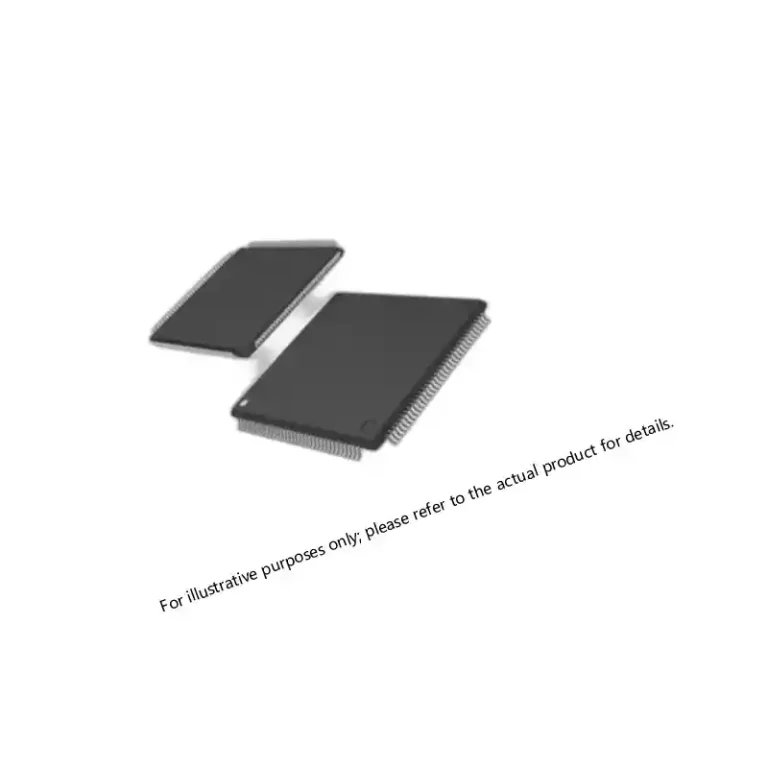
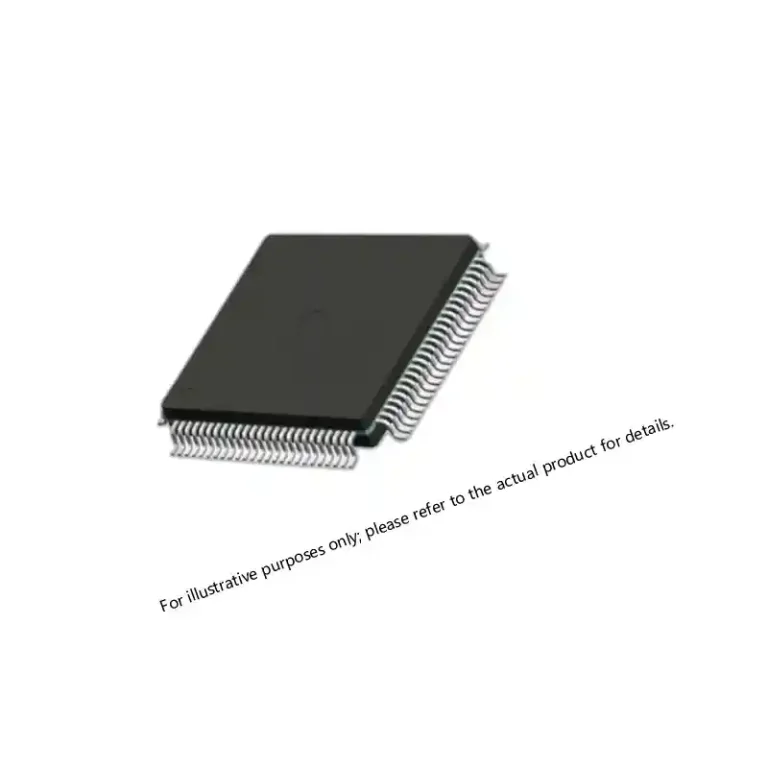
The Virtex-7 690T, specifically the Xilinx XC7VX690T, represents a cornerstone of high-performance computing in demanding environments. This Field-Programmable Gate Array offers unparalleled logic density and processing power, which is critical for complex defense and aerospace applications. Its architecture integrates a vast array of configurable logic blocks, digital signal processing slices, and high-speed transceivers, enabling the implementation of sophisticated algorithms and rapid data flow. These programmable logic devices provide the flexibility to adapt to evolving system requirements while maintaining deterministic performance.
The XC7VX690T features an impressive 693,120 logic cells, providing substantial capacity for complex designs. Its 3,600 DSP slices are optimized for high-throughput arithmetic operations, making it ideal for radar processing, electronic warfare, and secure communications. The device includes 96 high-speed transceivers, capable of data rates up to 12.5 Gb/s, facilitating rapid data exchange across various interfaces. This combination of resources ensures the Virtex-7 690T FPGA can handle real-time processing demands with exceptional efficiency and reliability.
| Feature | Specification |
|---|---|
| Logic Cells | 693,120 |
| DSP Slices | 3,600 |
| Block RAM (Mb) | 52.9 |
| Transceivers | 96 |
| Max Transceiver Speed | 12.5 Gb/s |
How Speed Grade and Package Affect Virtex-7 690T System Performance
The selection of a specific speed grade and package for a Virtex-7 690T FPGA directly influences its performance characteristics and physical integration into a system. The -2 speed grade signifies optimized performance, indicating that the device meets defined timing parameters at a specific operating voltage and temperature range. This optimization is critical for applications requiring deterministic latency and high clock frequencies, such as real-time control systems or high-bandwidth data acquisition. A higher speed grade number, like -3, would denote even faster performance, while a lower number, such as -1, would indicate slower operation.
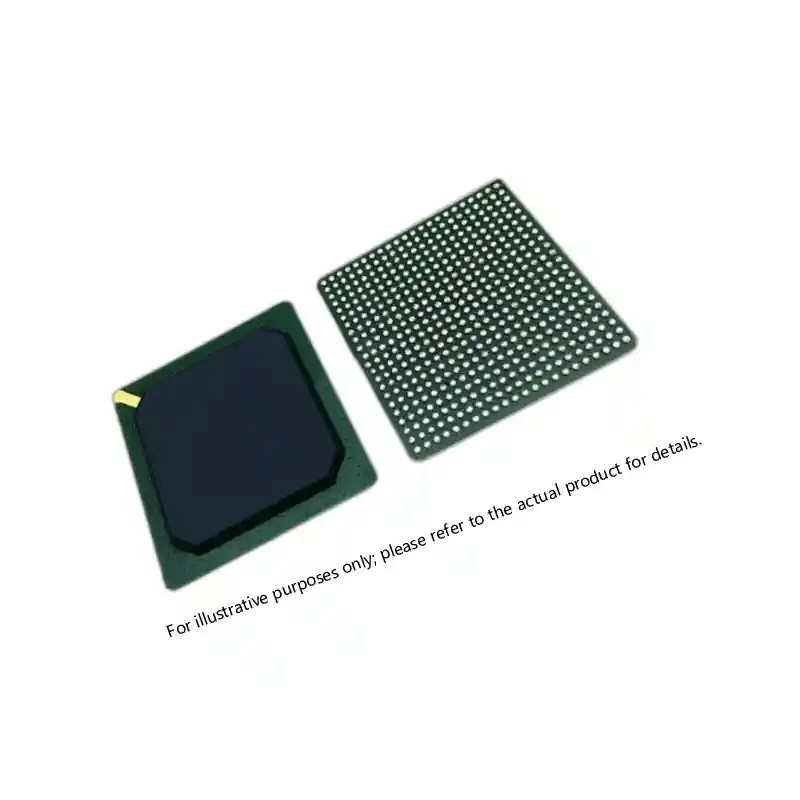
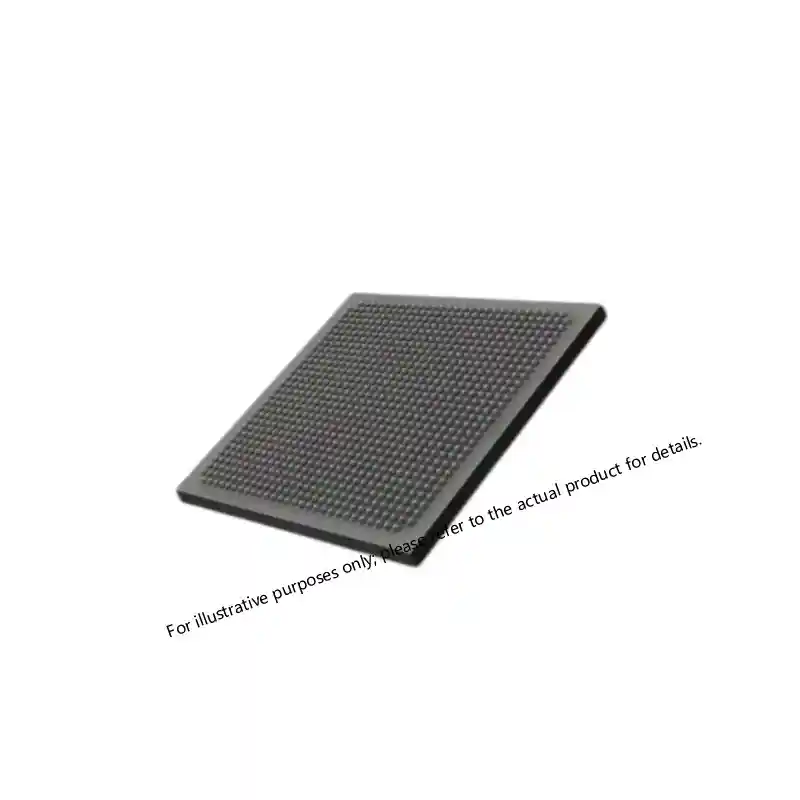
The FFG1927 package dictates the physical integration and thermal management strategies essential for system reliability, especially in harsh conditions. This package type, a flip-chip ball grid array, features 1927 pins, which allows for extensive input/output connectivity and power distribution. The larger pin count and substrate area of the FFG1927 package facilitate better heat dissipation compared to smaller packages, which is vital for maintaining optimal operating temperatures. Effective thermal management prevents performance degradation and ensures the long-term reliability of the Virtex-7 690T FPGA. Signal integrity challenges also become more pronounced with high-speed interfaces, and the FFG1927 package design, with its controlled impedance routing and power delivery network, helps mitigate issues like crosstalk and signal reflection.
Why Authenticity and Traceability Matter for Military-Grade Virtex-7 690T FPGAs
The integrity of the supply chain for military-grade FPGAs is paramount. Verifying authenticity and traceability prevents counterfeit components from entering critical defense systems, which could lead to catastrophic failures. For defense contractors and system integrators, sourcing components like the Virtex-7 690T requires stringent adherence to MIL-SPEC standards, comprehensive traceability documentation, and a verified supply chain. This process ensures that every component is genuine, meets specified performance criteria, and has a clear lineage from the original manufacturer.
I recall a specific project where our team was tasked with sourcing a quantity of radiation-tolerant FPGAs for a satellite communication system. The client required full MIL-PRF-38535 equivalent components and QML-qualified devices. We implemented a multi-stage verification protocol that included visual inspection, electrical testing, and detailed documentation review, tracing each component back to its wafer lot and assembly date. This rigorous approach confirmed authenticity and provided the immutable proof of origin required for mission assurance, preventing any potential contamination of the supply chain. This process resulted in 100% compliant parts delivered on schedule, directly contributing to the project’s success.
What Considerations Are Crucial When Sourcing Virtex-7 690T FPGAs for Defense?
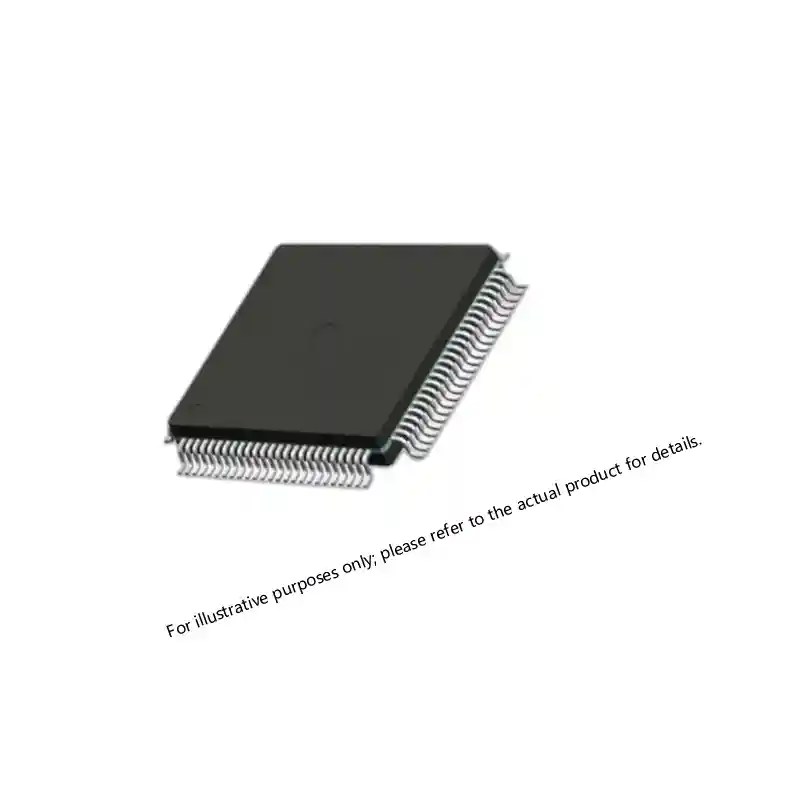
Sourcing Virtex-7 690T FPGAs for defense requires stringent adherence to MIL-SPEC standards, comprehensive traceability documentation, and a verified supply chain to ensure component authenticity and long-term reliability. If your program involves extended deployment timelines or operates in contested environments, it is worth discussing verification protocols and documentation requirements before committing to a supplier. Partners like SPARKLE ELECTRONICS CO., LIMITED specialize in these critical requirements, providing expertise in compliance and verification.
How to Navigate Compliance and Obsolescence When Procuring Virtex-7 690T FPGAs
Defense programs face unique challenges with component obsolescence and strict compliance demands, necessitating proactive strategies for long-term availability and adherence to evolving military standards. Aerospace electronics and embedded systems design often have lifecycles that far exceed the typical commercial availability of integrated circuits. This disparity requires a robust FPGA obsolescence management plan, including strategic last-time buys, lifetime buys, and partnerships with specialized distributors who can manage inventory and provide long-term support.
Design considerations for Virtex-7 690T FPGAs in defense applications also extend to ensuring their long-term viability. This includes designing with obsolescence in mind, using components with established longevity, and working with suppliers who offer solutions for end-of-life products. SPARKLE ELECTRONICS CO., LIMITED acts as a crucial partner in this regard, offering expertise in navigating complex defense contractor sourcing requirements and providing solutions for sustained component supply.
What Performance Advantages Does the Virtex-7 690T Offer for Defense Applications?
The Virtex-7 690T offers significant performance advantages through its high logic capacity, advanced DSP slices, and high-speed transceivers, enabling complex algorithms and rapid data processing essential for modern defense applications. Its architecture is specifically designed to handle intensive computational loads with high efficiency. The 693,120 logic cells provide the design headroom needed for implementing multiple parallel processing chains, while the 3,600 DSP slices can execute the multiply-accumulate operations that radar and signals intelligence systems depend on. The 96 transceivers operating at up to 12.5 Gb/s enable the high-bandwidth data links required for sensor fusion and real-time situational awareness.
How Does the FFG1927 Package Impact Thermal and Signal Integrity?
The FFG1927 package, with its specific pin count and thermal characteristics, directly impacts thermal dissipation and signal routing. It requires careful board design to maintain optimal operating temperatures and ensure signal integrity for high-frequency operations, mitigating issues like signal degradation and heat-induced performance drops. The flip-chip ball grid array construction places the die closer to the heat sink mounting surface, improving thermal transfer efficiency. Board designers should plan for adequate copper pour on inner layers for heat spreading and consider the use of thermal vias beneath the package footprint. For signal integrity, the controlled impedance characteristics of the FFG1927 substrate help maintain consistent transmission line behavior, but the PCB stack-up must be designed to match these impedances across all high-speed interfaces.
Where High-Reliability Virtex-7 690T FPGAs Are Heading in Defense and Space
The evolution of high-reliability FPGAs continues to push boundaries in processing power and adaptability, driving innovation in next-generation defense and space systems. We are seeing increased demand for radiation-tolerant design, which is crucial for space-based applications where components are exposed to harsh radiation environments. These Virtex-7 690T FPGAs must maintain their functionality and data integrity despite cosmic rays and other radiation sources.
Advancements in FPGA development tools and methodologies are also making it easier to design and verify complex systems, reducing development cycles for critical projects. Ongoing research into optimizing power consumption in Virtex-7 and subsequent generations of FPGAs aims to extend battery life and reduce thermal loads in power-constrained military and aerospace platforms. The benefits of Virtex-7 690T for defense will continue to grow as these devices integrate more sophisticated features and become even more resilient to extreme conditions.
Connect with SPARKLE ELECTRONICS CO., LIMITED
For detailed discussions on sourcing the Virtex-7 690T FPGA or to address specific high-reliability component requirements for your defense or aerospace programs, contact us directly at xuansc2144@gmail.com.
Virtex-7 XC7VX690T: Performance and Reliability Insights
XC7VX485T FPGA: Virtex-7 Performance for Defense