VU9P UltraScale+ FPGA: Enabling Advanced Defense Electronics
Table of Contents
- What the UltraScale+ VU9P Architecture Actually Delivers
- How the VU9P Performs Under Mission-Critical Conditions
- What Makes FPGA Procurement Different for Defense Programs
- What Integration Challenges the VU9P Presents
- How Compliance Requirements Shape Procurement Decisions
- Secure Your Mission-Critical Components
- Frequently Asked Questions
Modern defense electronics place extreme demands on processing power, adaptability, and reliability. Field-Programmable Gate Arrays have become essential components in this space, and the Xilinx UltraScale+ VU9P FPGA represents one of the more capable devices available for complex algorithm execution and high-speed data processing. For engineers and program managers working in mission-critical sectors, understanding both the technical capabilities and procurement realities of this component is worth the time investment.
What the UltraScale+ VU9P Architecture Actually Delivers
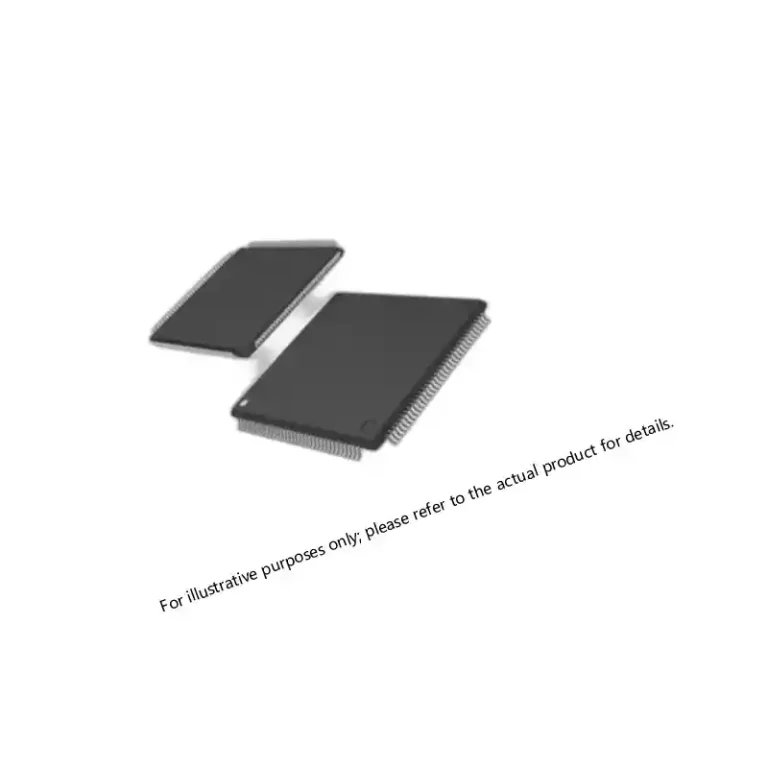
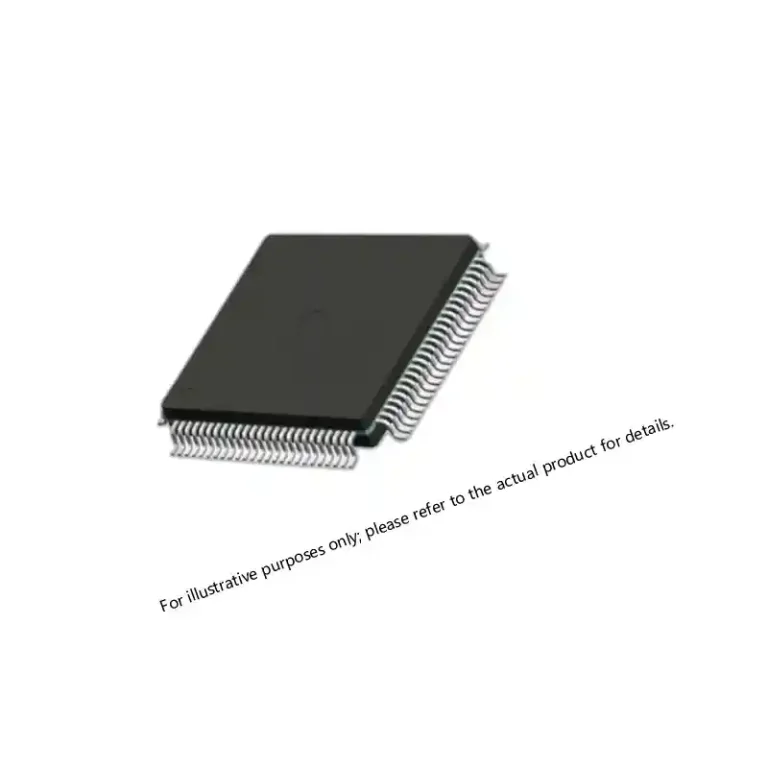
The Xilinx UltraScale+ architecture marked a genuine step forward in FPGA technology, built specifically for high-performance computing and signal processing workloads. The VU9P sits among the larger devices in this family, integrating substantial programmable logic resources, high-bandwidth memory, and advanced I/O capabilities. Where it excels is parallel processing with extremely low latency, which matters enormously for real-time defense applications including radar systems, electronic warfare platforms, and secure communications infrastructure.
The VU9P device specifications tell a straightforward story: millions of logic cells, extensive digital signal processing slices, and substantial Block RAM give designers room to implement complex embedded systems and custom hardware accelerators. Integrated transceivers operating at multi-gigabit speeds handle rapid data transfer between components and across networks. In threat detection scenarios where microseconds determine outcomes, these capabilities translate directly to operational advantage. The reconfigurability inherent to FPGAs also means hardware functions can be updated after deployment, which addresses the reality that defense requirements evolve faster than hardware refresh cycles.
Key Specifications of a High-Performance UltraScale+ FPGA
| Feature | Description | Benefit for Defense |
|---|---|---|
| Logic Cells | Millions of programmable logic elements | High complexity, custom algorithm implementation |
| DSP Slices | Dedicated hardware for digital signal processing | Real-time signal analysis, radar processing |
| Block RAM | Integrated high-speed memory blocks | On-chip data buffering, reduced latency |
| High-Speed Transceivers | Multi-gigabit data links (e.g., 32.75 Gb/s) | Fast data transfer, network connectivity |
| I/O Pins | Versatile input/output interfaces | System integration, sensor interfacing |
| Power Efficiency | Optimized for performance per watt | Extended mission duration, reduced thermal load |
How the VU9P Performs Under Mission-Critical Conditions
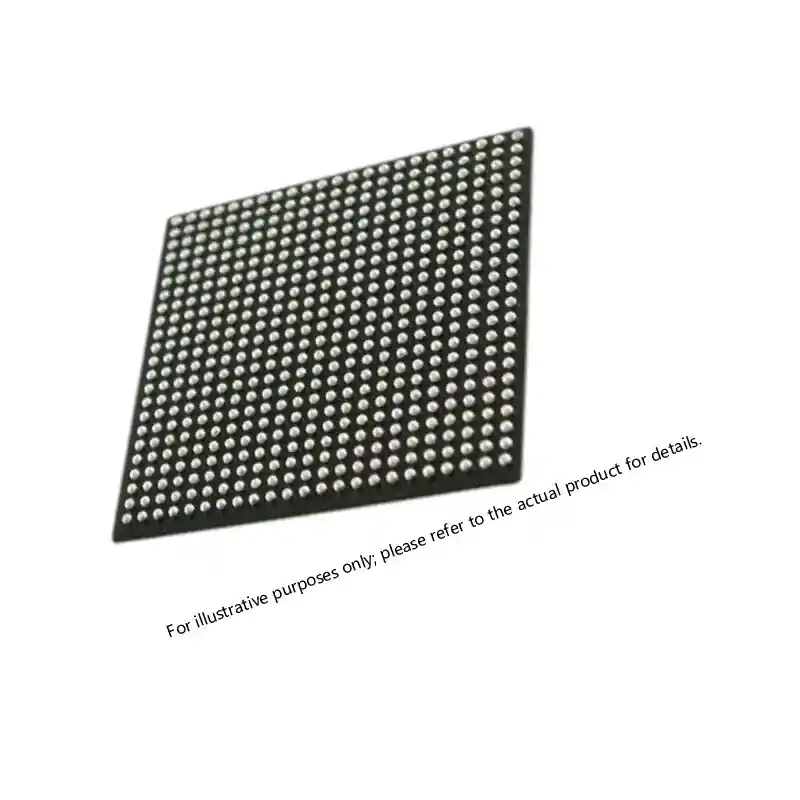
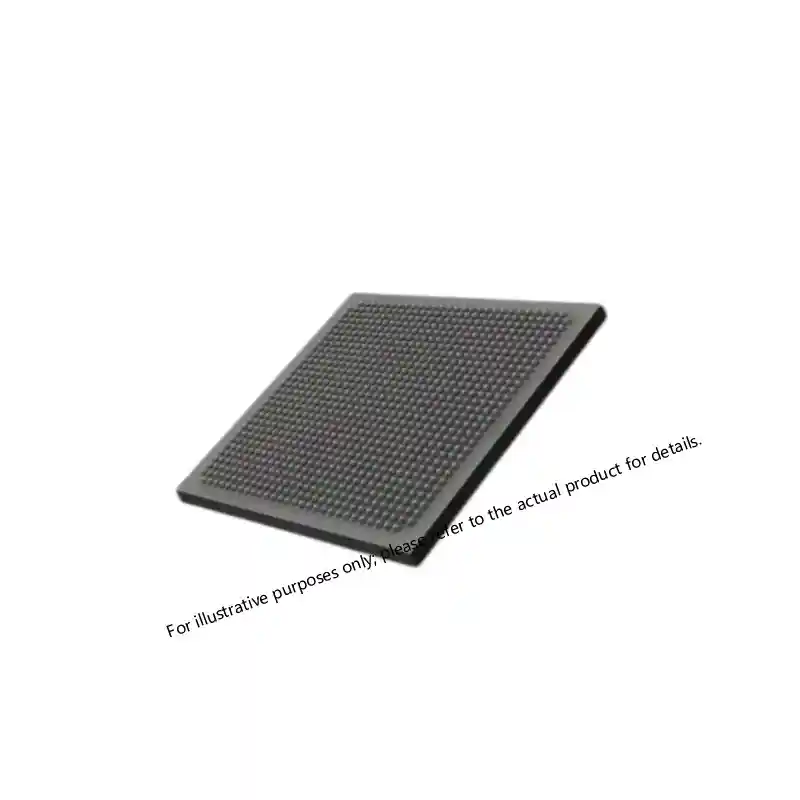
Performance specifications mean little if a component fails when conditions deteriorate. The VU9P, particularly variants like the XCVU9P-1FLGA2577I, is engineered to operate within demanding environmental parameters. The “-1 speed grade” designation indicates a performance tier balancing speed against power consumption VU9P characteristics and thermal behavior, making it appropriate for applications requiring sustained operation over extended periods. The FLGA2577 package, a Fine-pitch Land Grid Array with 2577 pins, provides mechanical integrity and efficient thermal management FPGA characteristics that matter when devices face vibration, shock, and temperature swings.
Radiation-hardened components come up frequently in space and high-altitude aerospace discussions. The standard VU9P is not inherently rad-hard, though its architecture supports error correction code implementation within programmable logic, which contributes to resilience. For radiation-intensive environments, system-level mitigation strategies or specialized rad-hard by design FPGAs may be necessary. For many defense electronics applications operating at lower altitudes, the VU9P’s baseline reliability and testing protocols prove adequate.
MIL-STD-883 testing defines uniform methods for evaluating microelectronic devices intended for military and aerospace use. This standard ensures components can withstand mechanical, electrical, and environmental stresses encountered in mission-critical systems. Components destined for these environments undergo screening including temperature cycling, mechanical shock, and burn-in tests to identify potential failures before they reach deployed systems. We coordinate with defense contractors regularly to ensure components meet specific MIL-STD-883 requirements, providing documentation and test reports that procurement teams need.
Thermal management FPGA solutions deserve serious attention for high-density devices like the VU9P. Heavy computational loads generate heat, and inadequate dissipation leads to performance degradation or outright failure. Design considerations include heat sinks, thermal interface materials, and cooling systems sized to keep the device within its specified temperature range. Power consumption VU9P analysis during design phases helps optimize system efficiency and minimize thermal output, extending operational lifespan for the entire assembly.
What Makes FPGA Procurement Different for Defense Programs
Sourcing specialized components like the UltraScale+ VU9P FPGA for defense programs involves challenges that commercial procurement rarely encounters. Supply chain resilience extends beyond simple availability to encompass authenticity verification, traceability requirements, and long-term availability guarantees. The defense industry cannot absorb the risk of counterfeit electronic components, which compromise system integrity and mission outcomes. Counterfeit mitigation strategies become essential, involving supplier vetting, comprehensive documentation, and rigorous inspection processes.
Component obsolescence management presents ongoing challenges for defense contractors given that military platforms remain in service for decades. Programs often require stable component supply long after commercial production ends. This reality drives strategic partnerships with suppliers who can provide long-term availability solutions including last-time buy management, bonded inventory, and access to authorized excess stock.
If your program involves extended lifecycle requirements or you are seeing early signs of component availability issues, discussing inventory strategies before production schedules tighten is worth considering.
What Integration Challenges the VU9P Presents
Integrating the UltraScale+ VU9P into complex defense systems requires addressing several FPGA design considerations from the outset. Power delivery, signal integrity, and thermal dissipation all demand attention early in the design cycle. The density of the VU9P means minor design flaws can cascade into significant performance issues or reliability concerns. Design verification FPGA methodologies must be thorough, incorporating simulation, formal verification, and hardware-in-the-loop testing to confirm functional correctness and specification compliance.
FPGA development tools, particularly Xilinx Vivado Design Suite, provide comprehensive environments for design entry, synthesis, implementation, and verification. These tools receive updates supporting the latest UltraScale+ features and optimizing designs for performance and resource utilization. System-on-Chip integration frequently appears in defense applications, combining FPGA fabric with embedded processors like ARM cores to create flexible computing platforms. This approach balances hardware acceleration with software programmability, addressing high-performance computing requirements in defense contexts.
Security features FPGA implementations have become increasingly important for defense electronics, protecting against intellectual property theft, tampering, and unauthorized access. The VU9P includes bitstream encryption, authentication, and physical unclonable functions to safeguard sensitive designs and data. Implementing these features correctly forms part of a robust security posture, ensuring deployed system integrity. Secure boot processes and runtime protection mechanisms also require consideration given evolving cyber threats.
How Compliance Requirements Shape Procurement Decisions
Compliance is non-negotiable in defense electronics procurement. ITAR compliance requirements and export control regulations dictate how defense-related articles, including certain FPGAs and associated technical data, can be transferred internationally. Understanding and adhering to these regulations is critical for avoiding penalties and maintaining program integrity. We work with clients to ensure transactions meet these requirements, providing documentation and guidance throughout the process.
The Qualified Manufacturers List matters particularly for space-grade applications. QML-certified components have undergone rigorous qualification processes ensuring they meet the highest reliability and performance standards for extreme environments. While the VU9P itself may not always carry QML listing, understanding the QML process informs selection of other components and overall system design for high-reliability applications.
Program lifecycle support extends well beyond initial procurement to include obsolescence management, end-of-life planning, and continuous supply throughout a defense system’s operational life. This requires monitoring product change notifications and strategically planning for future needs. A reliable supply partner functions as an extension of your procurement team, providing insights and solutions that mitigate component availability risks.
Secure Your Mission-Critical Components
Sourcing authentic, traceable, and compliant Xilinx UltraScale+ FPGAs does not need to compromise your defense program timelines. SPARKLE ELECTRONICS CO., LIMITED delivers high-reliability components with expertise in MIL-SPEC compliance and supply chain integrity. Contact us to discuss your requirements and ensure program success.
Frequently Asked Questions
What are the key features of the Xilinx UltraScale+ VU9P FPGA?
The Xilinx UltraScale+ VU9P FPGA combines massive programmable logic capacity with numerous DSP slices for intensive arithmetic operations and integrated high-bandwidth memory. High-speed transceivers enable rapid data movement while advanced I/O capabilities support diverse interface requirements. These attributes collectively enable complex algorithm execution, real-time signal processing, and embedded computing tasks that advanced defense and aerospace systems require.
Where can I find reliable suppliers for military-grade FPGAs like the VU9P?
Reliable suppliers for military-grade FPGAs like the VU9P typically specialize in high-reliability components and demonstrate extensive knowledge of MIL-SPEC standards. Look for distributors who can provide full traceability documentation and have either authorized status or strong relationships with original equipment manufacturers. Robust quality control processes are essential for securing authentic and compliant parts.
How do I ensure the authenticity and traceability of high-reliability electronic components?
Authenticity and traceability verification starts with demanding complete documentation, including manufacturer certificates of conformance and detailed lot traceability. Supplier audits and third-party testing for critical components add additional assurance. At SPARKLE ELECTRONICS CO., LIMITED, we implement multi-point inspection processes including visual inspection, electrical testing, and de-lidding when necessary for high-reliability components. In a recent project for a European defense contractor requiring Xilinx FPGAs, we identified lot code discrepancies on a batch from a non-authorized source. Our verification process, which includes cross-referencing with manufacturer databases and X-ray analysis, confirmed the parts did not match the stated production run. We sourced authentic, fully traceable components through authorized channels, preventing potential system failure and keeping the program on schedule.
Why choose UltraScale+ for defense applications?
The UltraScale+ architecture suits defense applications due to its high performance, reconfigurability, and advanced security features. Its capacity for complex signal processing, embedded computing, and high-speed data transfer makes it appropriate for radar, electronic warfare, and secure communication systems. Long-term availability and manufacturer support, combined with robust supply chain management, support its position in mission-critical programs.
What are the long-term support implications for the XCVU9P UltraScale+ FPGA?
Long-term support for the XCVU9P UltraScale+ FPGA is critical for defense programs, often requiring robust obsolescence management strategies. Manufacturers typically provide product lifecycle notifications, but securing a reliable distributor with strong program lifecycle support focus is key to ensuring continuous supply and managing potential end-of-life scenarios effectively.
Are there specific environmental considerations for integrating the FLGA2577 package?
Integrating the FLGA2577 package requires careful environmental consideration, especially in rugged applications. Vibration, shock, and extreme temperature cycling demand robust board design and thermal management FPGA solutions. Proper package handling and mounting are essential to maintain signal integrity and mechanical reliability in harsh conditions.
How does the -1 speed grade impact the overall power-performance balance of the VU9P?
The -1 speed grade of the XCVU9P-1FLGA2577I indicates a specific performance tier, directly influencing power consumption VU9P characteristics and maximum operating frequency. While offering solid performance, it typically consumes less power than higher speed grades. Designers must balance this trade-off against specific application requirements to optimize system efficiency and thermal dissipation.
To discuss specific requirements, contact us at xuansc2144@gmail.com or call us directly.
If you’re interested, check out these related articles:
XCKU115 UltraScale FPGA: Powering Critical Defense Systems
XCKU085 UltraScale FPGA: Performance for Critical Systems
Virtex-7 XC7VX690T: Performance and Reliability Insights
UltraScale KU085 FPGA Specifications for Defense Systems