XC7VX485T FPGA: Virtex-7 Performance for Defense
Table of Contents
- What the XC7VX485T-2FFG1927I Specification Sheet Actually Tells You
- Why the -2 Speed Grade and FFG1927 Package Matter for Real-Time Processing
- Where XC7VX485T Procurement Gets Complicated
- How Sparkle Electronics Handles Authentication and Traceability
- Matching XC7VX485T Capabilities to Defense Application Requirements
- What Defense Programs Gain from the Virtex-7 XC7VX485T Architecture
- Beyond Component Supply: What Program Support Actually Involves
- Frequently Asked Questions About Virtex-7 XC7VX485T FPGAs
The XC7VX485T FPGA occupies a specific niche in defense electronics where raw processing density must coexist with environmental resilience. Its Virtex-7 architecture delivers the logic cell count and transceiver bandwidth that radar, electronic warfare, and secure communications platforms demand, but the real procurement challenge lies in sourcing devices that carry full traceability and meet MIL-SPEC documentation requirements. For defense contractors evaluating this FPGA, understanding both the technical specifications and the supply chain realities determines whether a program stays on schedule.
What the XC7VX485T-2FFG1927I Specification Sheet Actually Tells You
The Virtex-7 XC7VX485T packs 485,760 logic cells and 2,880 DSP slices into a single device, numbers that matter when you’re implementing parallel signal processing chains or complex encryption algorithms. The 37.3 Mbits of block RAM and 12.5 Gb/s transceivers support the high-bandwidth data movement that modern sensor fusion systems require. These are not marketing figures; they define the upper bound of what a single FPGA can handle before you need to partition across multiple devices.
| Feature | Specification (XC7VX485T-2FFG1927I) |
|---|---|
| Logic Cells | 485,760 |
| DSP Slices | 2,880 |
| Block RAM (Mbits) | 37.3 |
| I/O Pins | 800 |
| Transceivers (Gb/s) | 12.5 |
| Temperature Grade | Industrial (-40°C to +100°C) |
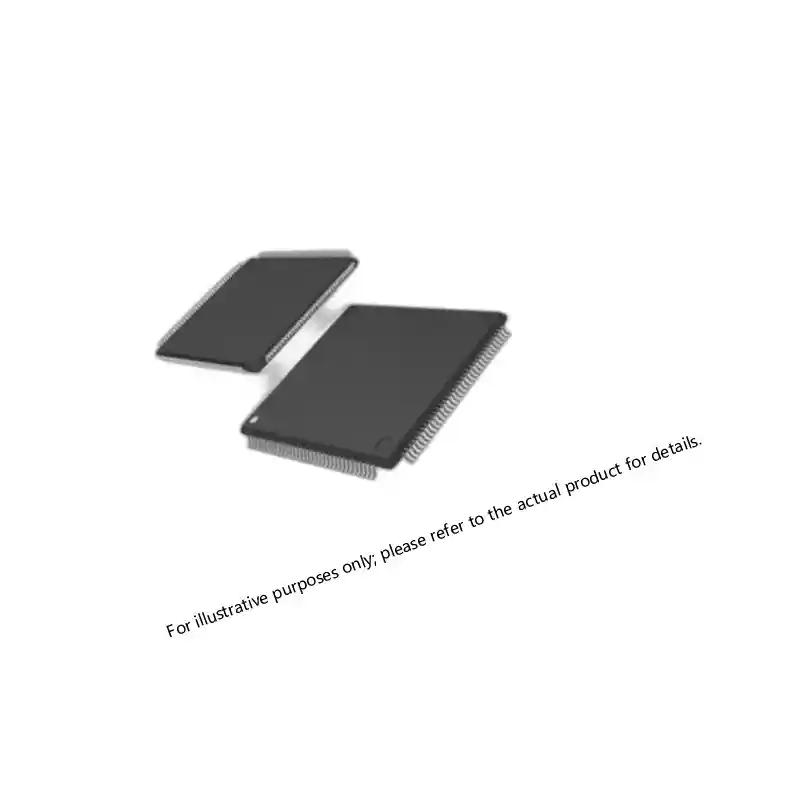
The industrial temperature grade (-40°C to +100°C) covers most ground-based and airborne applications, though programs with space exposure or extended high-altitude operation may need to evaluate radiation-hardened variants separately. The specification sheet gives you the operating envelope; your thermal analysis determines whether you can actually use it.
Why the -2 Speed Grade and FFG1927 Package Matter for Real-Time Processing
The “-2” speed grade designation indicates a higher performance bin with faster clock speeds and reduced propagation delays. In practical terms, this translates to tighter timing margins in your place-and-route results and the ability to close timing on designs that would fail in slower bins. For radar signal processing or electronic warfare countermeasures where latency directly affects system effectiveness, the speed grade is not optional.
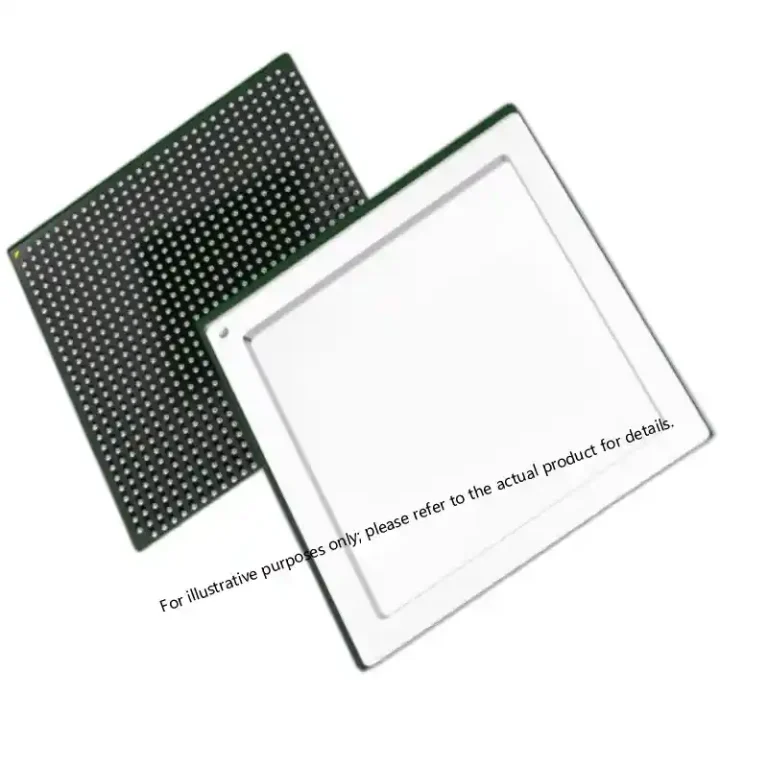
The FFG1927 package, a flip-chip ball grid array with 1927 pins, addresses thermal management and mechanical reliability simultaneously. The flip-chip construction provides better thermal conductivity from the die to your heatsink than wire-bonded alternatives, which becomes critical when you’re pushing the device near its power envelope. The 1927-pin count also gives you routing flexibility for high-speed differential pairs without forcing compromises in your PCB stackup.
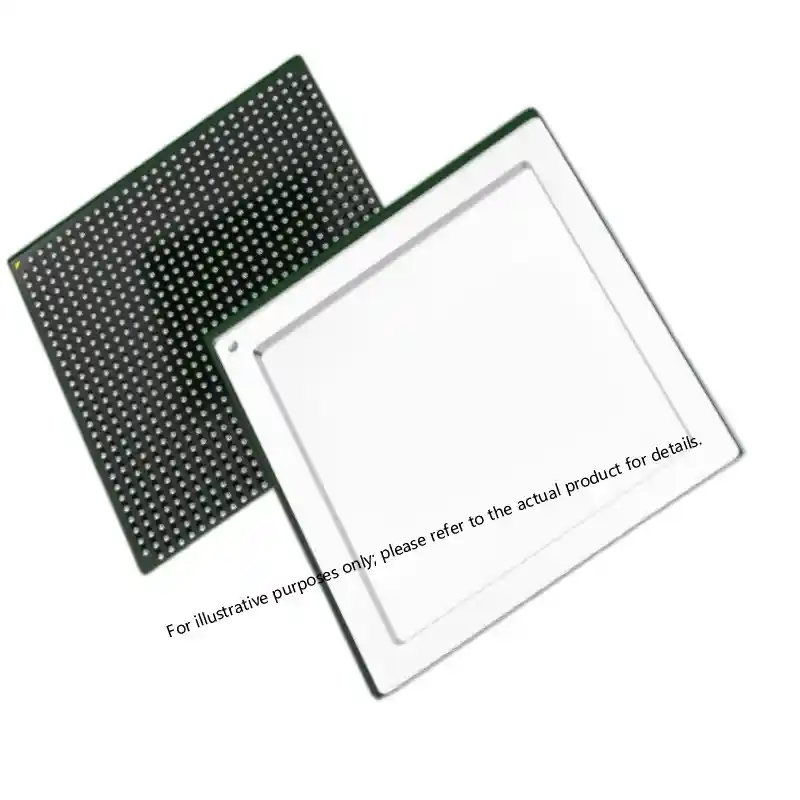
Thermal dissipation in high-density FPGA configurations is where many designs run into trouble. The FFG1927 package helps, but it does not eliminate the need for careful thermal modeling. Power consumption scales with utilization and clock frequency; a design using 80% of the logic cells at 400 MHz will dissipate significantly more heat than the same device at 50% utilization and 200 MHz. Your thermal solution needs to account for worst-case operating conditions, not typical ones.
Where XC7VX485T Procurement Gets Complicated
MIL-SPEC FPGA procurement is not a standard commercial transaction. The defense supply chain requires full traceability, meaning every device must have documentation linking it back to the original manufacturing lot. QML-qualified components and JANTX/JANTXV devices carry specific testing and screening requirements that commercial-grade parts do not meet. When a program specifies MIL-SPEC compliance, substituting commercial parts is not an option, even if the electrical specifications appear identical.
The counterfeit risk in semiconductor supply chains is real and well-documented. Non-authorized channels may offer lower prices or faster availability, but the cost of a counterfeit device failing in a fielded system far exceeds any procurement savings. Counterfeit mitigation requires incoming inspection protocols, lot number verification, and supplier qualification processes that most commercial distributors do not maintain.
ITAR compliance adds another layer for programs involving defense articles or technical data. Components sourced through channels that cannot demonstrate ITAR compliance create export control risks that can shut down entire programs. The paperwork burden is substantial, but it exists for reasons that defense contractors understand.
How Sparkle Electronics Handles Authentication and Traceability
Authentication and traceability for high-reliability FPGAs require systematic processes, not just good intentions. Incoming inspection protocols include visual examination, X-ray analysis where warranted, and electrical testing against manufacturer specifications. Lot number tracking maintains the chain of custody from manufacturer to end user, with documentation packages that satisfy defense program auditors.
Direct manufacturer relationships provide access to current production lots rather than aged inventory of uncertain provenance. For the XC7VX485T and similar high-reliability devices, this means components that have not been sitting in uncontrolled storage conditions or passed through multiple brokers. The documentation package for each shipment includes certificates of conformance, test data where applicable, and traceability records that link every device to its manufacturing origin.
If your program requires XC7VX485T devices with full MIL-SPEC documentation, discussing your specific compliance requirements before placing an order avoids delays later in the procurement cycle.
Matching XC7VX485T Capabilities to Defense Application Requirements
The XC7VX485T’s architecture suits applications where parallel processing and high-bandwidth I/O intersect. Radar systems use the DSP slices for pulse compression and beamforming calculations. Electronic warfare platforms leverage the logic density for real-time signal analysis and countermeasure generation. Secure communications systems implement encryption algorithms in the FPGA fabric while using the high-speed transceivers for data transport.
Radiation effects are a design consideration for any defense application with potential space or high-altitude exposure. The commercial XC7VX485T is not inherently radiation-hardened, though design techniques like triple modular redundancy can mitigate single-event upset risks. Programs with strict radiation requirements may need to evaluate Xilinx’s radiation-tolerant offerings or implement additional protection at the system level.
Obsolescence management is the long-term concern that many programs underestimate. Military hardware operates for decades, but semiconductor manufacturing lines do not. The XC7VX485T is a current-generation device, but planning for eventual end-of-life requires either lifetime buys, design flexibility to accommodate future devices, or relationships with suppliers who can source obsolete parts when needed.
What Defense Programs Gain from the Virtex-7 XC7VX485T Architecture
The performance advantages of the XC7VX485T for defense applications come down to three factors: I/O bandwidth, DSP density, and deterministic timing. The 12.5 Gb/s transceivers support high-speed sensor interfaces and inter-processor communication without bottlenecking the data path. The 2,880 DSP slices handle the multiply-accumulate operations that dominate signal processing workloads. The FPGA’s deterministic execution, unlike software running on general-purpose processors, guarantees that timing-critical operations complete within known bounds.
These characteristics matter most in applications where latency affects mission outcomes. A radar system that processes returns faster can track more targets or detect threats at greater range. An electronic warfare system that analyzes signals faster can respond before an adversary’s weapon reaches its target. The XC7VX485T provides the computational substrate; the system design determines whether that capability translates into operational advantage.
Beyond Component Supply: What Program Support Actually Involves
Defense programs need more than components; they need suppliers who understand the programmatic context. Documentation requirements for defense procurement extend beyond commercial datasheets to include certificates of conformance, country-of-origin declarations, and compliance certifications that satisfy prime contractor and government customer requirements. Getting this documentation wrong delays programs and creates audit findings.
Lifecycle management for high-reliability components requires visibility into manufacturer roadmaps and proactive communication about end-of-life notices. A supplier relationship that provides early warning of availability changes gives programs time to execute lifetime buys or qualify alternative devices. This is particularly important for FPGAs, where design migration to a new device family can require significant engineering effort.
Supply chain continuity planning addresses the scenarios that disrupt normal procurement: manufacturer allocation, natural disasters affecting production facilities, or geopolitical events that affect material availability. Suppliers with diversified sourcing and strategic inventory positions can maintain delivery schedules when single-source suppliers cannot.
Frequently Asked Questions About Virtex-7 XC7VX485T FPGAs
What lead times should defense programs expect when ordering XC7VX485T devices?
Lead times for the XC7VX485T fluctuate with market demand and Xilinx manufacturing capacity. Standard lead times can range from 12 to 26 weeks depending on the specific speed grade and temperature rating. Programs with firm delivery requirements should discuss availability early in the procurement cycle, as strategic inventory positioning or allocation agreements may be necessary to meet critical milestones.
How does the -2 speed grade affect design closure for timing-critical applications?
The -2 speed grade provides faster clock-to-output and setup times compared to the -1 grade, which directly affects whether your design meets timing constraints after place-and-route. For designs operating at high clock frequencies or with tight latency requirements, the -2 grade may be the difference between closing timing with margin and failing timing closure entirely. The performance improvement is most noticeable in designs that push the device’s capabilities.
What documentation packages are available for XC7VX485T devices procured through Sparkle Electronics?
Documentation packages include certificates of conformance, lot traceability records, and compliance certifications appropriate to the component grade and program requirements. For MIL-SPEC applications, this extends to test reports, country-of-origin declarations, and any additional documentation specified by the prime contractor or government customer. Specific documentation requirements should be discussed during the quotation process to ensure the delivered package meets program needs. Contact our team at sales@sparklemilchip.com or +852-5937-6700 to discuss your documentation requirements.
If you’re interested, you may want to read the following articles: