XCKU115 UltraScale FPGA: Powering Critical Defense Systems
Table of Contents
- What Makes the XCKU115 Architecture Work for Defense Applications
- How the FLVA1517 Package and Speed Grade Affect System Design
- Where the XCKU115 Fits in Defense System Architectures
- Why Authenticity and Traceability Matter for Defense Procurement
- Managing Supply Chain Risk for Long-Lifecycle Programs
- Frequently Asked Questions
The XCKU115 UltraScale FPGA has become a go-to component for defense system designers who need serious computational density without compromising on reliability. When you’re building radar processing chains, electronic warfare platforms, or secure communication systems, the architecture of this device handles the workload in ways that general-purpose processors simply cannot match. The combination of high-speed transceivers, dedicated DSP resources, and flexible logic fabric makes it well-suited for the signal processing demands that define modern military electronics.
What Makes the XCKU115 Architecture Work for Defense Applications
The XCKU115 builds on Xilinx’s UltraScale architecture, which was designed from the ground up for high-performance computing and complex signal processing. At the core, you have a large array of configurable logic blocks containing look-up tables and flip-flops. These elements let designers implement custom digital circuits that can be optimized for specific algorithms rather than relying on fixed instruction sets.
Beyond the basic logic fabric, the XCKU115 includes dedicated DSP slices optimized for multiply-accumulate operations. These are the workhorses for radar processing, image analysis, and any application where you need to crunch through large datasets in real time. The Block RAM resources provide high-bandwidth on-chip storage that keeps data close to the processing elements, which cuts latency significantly compared to external memory access.
The clocking infrastructure and high-speed transceivers deserve particular attention. With transceiver support up to 32.75 Gb/s, the device can interface directly with high-speed data converters and communication links. This matters when you’re trying to move raw sensor data through the system fast enough to maintain real-time performance. The architecture ties these elements together in a way that lets designers build systems where data flows efficiently from input to processing to output.
How the FLVA1517 Package and Speed Grade Affect System Design
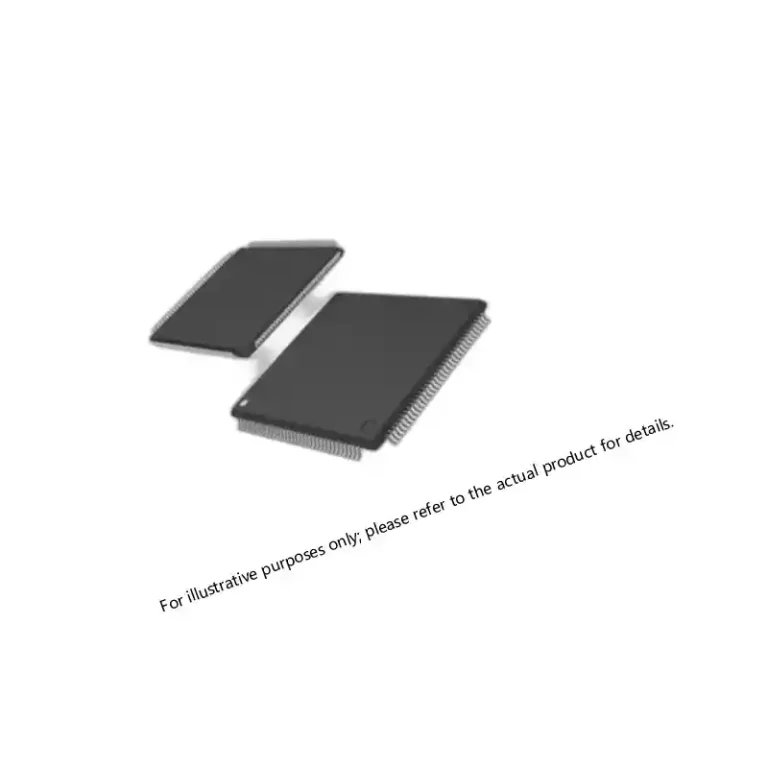
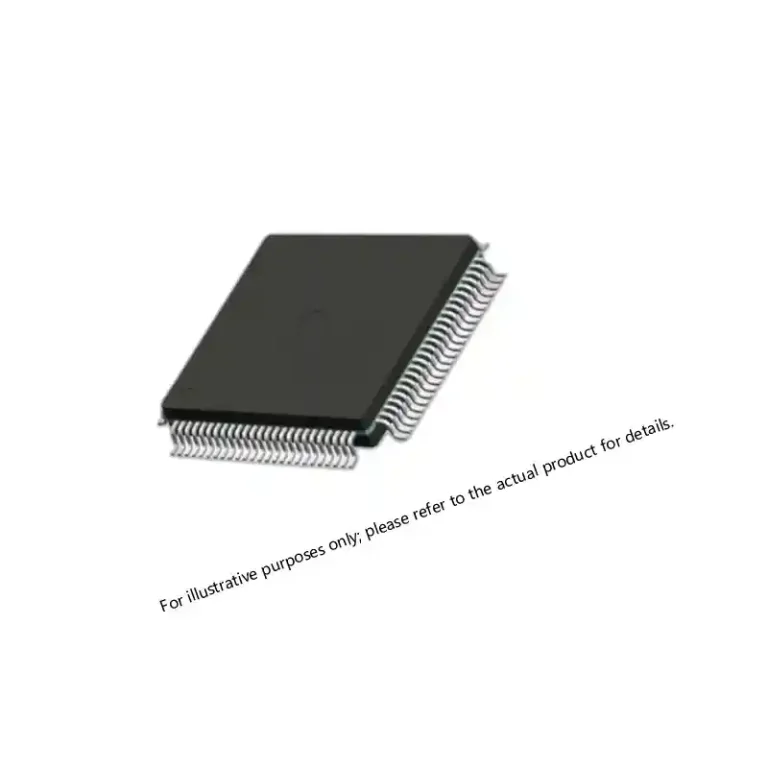
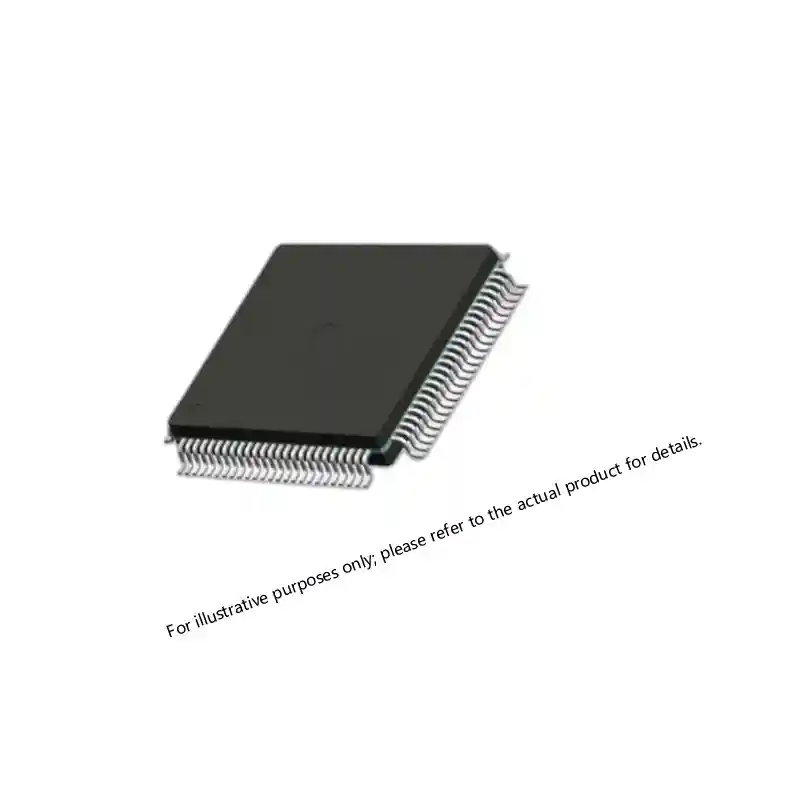
The FLVA1517 package is a flip-chip ball grid array that influences both electrical performance and thermal behavior. The high pin count supports the I/O density that complex defense systems require, while the flip-chip construction provides efficient power distribution across the die. Signal integrity at high frequencies depends heavily on package characteristics, and the FLVA1517 was designed with this in mind.
Thermal management becomes a serious consideration when you’re running a device like the KU115 at full capacity. The package facilitates heat transfer from the die to the thermal interface, but system-level cooling solutions still need careful attention. In constrained enclosures or environments with limited airflow, thermal design can make or break a project.
The -2 speed grade indicates where the device sits in terms of maximum operating frequency. For timing-critical defense applications, this specification determines whether your design will meet its performance targets. Power consumption scales with operating frequency and logic utilization, so there’s always a tradeoff between performance headroom and thermal budget.
| Feature | XCKU115-2FLVA1517I |
|---|---|
| Logic Cells | 1,451,680 |
| DSP Slices | 5,520 |
| Block RAM (Mb) | 75.9 |
| UltraRAM (Mb) | 36 |
| GTY Transceivers | 64 |
| Max Transceiver Speed | 32.75 Gb/s |
| Package | FLVA1517 |
| Speed Grade | -2 |
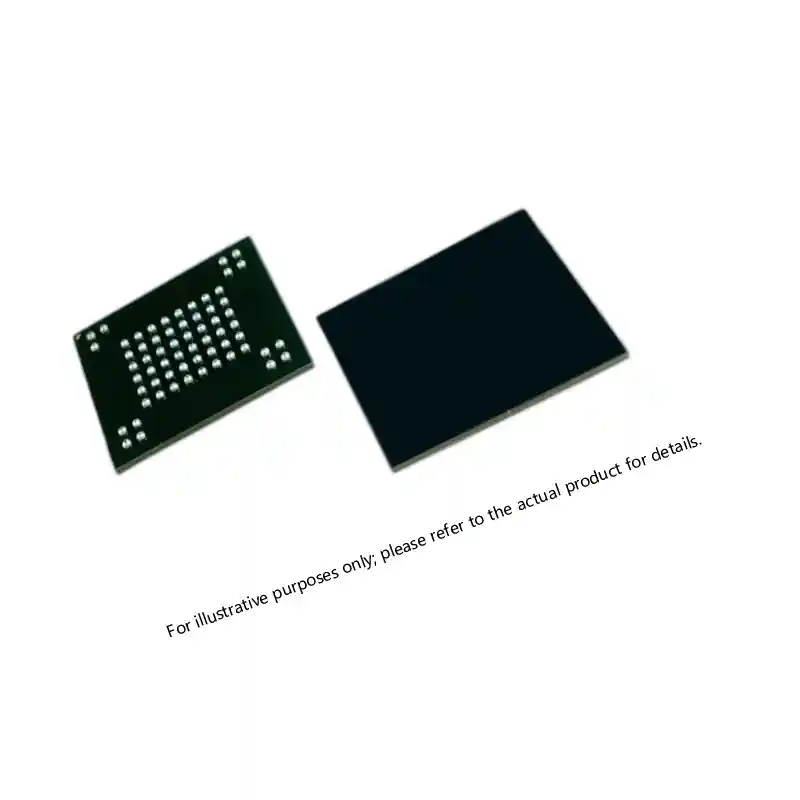
The FLVA1517 package uses a flip-chip ball grid array construction that puts the silicon die in direct contact with the thermal interface. This minimizes the thermal resistance path, allowing heat to move efficiently from the active circuitry to whatever heatsink or cooling solution you’re using. For the KU115’s high-density logic and fast transceivers, this design prevents the localized hot spots that can cause timing failures or reduce device lifetime. The package essentially determines how much thermal headroom you have before the device starts throttling or degrading.
Where the XCKU115 Fits in Defense System Architectures
Radar processing represents one of the clearest use cases for the XCKU115. The device can handle digital beamforming, pulse compression, and target tracking algorithms in parallel, processing raw sensor data fast enough to maintain real-time situational awareness. The DSP slice density and memory bandwidth make it possible to implement processing chains that would require multiple devices in earlier FPGA generations.
Electronic warfare systems benefit from the XCKU115’s combination of processing power and reconfigurability. Threat environments change, and the ability to update FPGA firmware in the field means the same hardware can adapt to new signal types or jamming techniques. The high-speed transceivers support the wideband receivers and exciters that electronic warfare platforms require.
Image and video processing for surveillance and reconnaissance is another natural fit. Feature extraction, object recognition, and video compression all map well onto the XCKU115’s architecture. The parallel processing capability lets these systems handle multiple video streams simultaneously while maintaining the frame rates that operators need for real-time decision making.
The device also sees use in secure communication systems where encryption and decryption need to happen at line rate. The logic density supports complex cryptographic algorithms while the transceivers handle the high-speed data links that connect distributed military networks.
Why Authenticity and Traceability Matter for Defense Procurement
Counterfeit components represent a real risk in defense electronics procurement. A device that looks correct but fails to meet specifications can cause system failures at exactly the wrong moment. For the XCKU115, authenticity verification starts with sourcing from channels that maintain proper documentation and chain of custody records.
Compliance with standards like MIL-PRF-38535 and QML qualification provides a baseline for device suitability in extreme conditions. These standards cover testing and screening procedures that verify devices will perform reliably across the temperature ranges, vibration levels, and radiation environments that military systems encounter.
On a recent satellite communication program, we supplied XCKU115-2FLVA1517I devices where the prime contractor required full manufacturer certificates of conformance and lot traceability documentation. Our verification process included visual inspection, electrical testing, and third-party decapsulation analysis. The testing confirmed the devices were genuine and met all performance parameters, which allowed the program to proceed on schedule. That level of verification takes time and costs money, but the alternative is discovering problems after integration when the cost of replacement is orders of magnitude higher.
Managing Supply Chain Risk for Long-Lifecycle Programs
Defense programs often span decades, which creates a fundamental tension with semiconductor product lifecycles. A device that’s readily available today may be obsolete before the system it’s part of reaches end of life. The XCKU115 is no exception to this pattern.
If your program depends on a specific FPGA variant, proactive lifecycle management becomes essential. This means monitoring manufacturer announcements, planning for last-time buy opportunities, and maintaining relationships with distributors who can provide access to authenticated stock after standard production ends.
Strategic inventory management helps buffer against supply disruptions, but it requires capital and storage infrastructure. The tradeoff between carrying costs and availability risk depends on program timelines and how critical the specific device is to system function.
For the XCKU115, working with distributors who specialize in military-grade components provides access to expertise in navigating these challenges. They understand the documentation requirements, maintain appropriate storage conditions, and can help identify alternative sourcing options when primary channels become constrained.
Specialized distributors with established track records in military electronics are the most reliable sources for XCKU115-2FLVA1517I components. The key indicators include comprehensive traceability documentation, adherence to MIL-PRF-38535 standards, documented counterfeit mitigation procedures, and demonstrated capability to support extended program lifecycles. Price alone is not a reliable indicator of quality in this market segment.
Frequently Asked Questions
Are XCKU115-2FLVA1517I FPGAs readily available for long-term projects?
Availability varies with market conditions and manufacturer production schedules. Specialized distributors often maintain strategic inventories specifically to support extended program durations. If your project timeline extends beyond standard product availability windows, discuss lifecycle management options with your supplier early in the program rather than waiting until stock becomes constrained.
What specific quality standards should I look for when procuring these UltraScale devices?
MIL-PRF-38535 compliance and QML qualification are the primary standards for defense applications. These cover the testing and screening procedures that verify device performance across military operating conditions. Traceability documentation should include manufacturer certificates of conformance, lot and date code information, and chain of custody records from the point of manufacture.
How can I verify the authenticity of Xilinx FPGAs like the KU115?
Verification involves multiple layers. Start with sourcing from authorized channels that maintain proper documentation. Physical inspection can identify obvious counterfeits through marking quality, package condition, and lead finish. Electrical testing verifies that the device meets its published specifications. For highest assurance, third-party laboratory analysis including decapsulation can confirm the die matches the expected design. The appropriate level of verification depends on the criticality of the application and the risk tolerance of the program.
If your program requires XCKU115 UltraScale FPGAs with full traceability and authentication, contact SPARKLE ELECTRONICS CO., LIMITED at xuansc2144@gmail.com or +86-13926510300 to discuss your specific requirements.
XC7VX485T Virtex-7 FPGA: Performance and Sourcing for Defense
Virtex-7 690T FPGA: Performance, Packaging, and Reliability Insights
XC7VX485T FPGA: Virtex-7 Performance for Defense
Virtex-7 XC7VX690T: Performance and Reliability Insights