XCKU115 UltraScale FPGA: Architecture, Speed, and Applications
Table of Contents
- How the UltraScale Architecture Shapes XCKU115 Capabilities
- Why the -2 Speed Grade Matters for High-Frequency Operations
- FLVD1924 Package Characteristics for Demanding Environments
- Where XCKU115 FPGAs Deliver Value in Critical Systems
- Design Tool Selection and Implementation Approaches
- What Supply Chain Integrity Means for Program Success
- Frequently Asked Questions
Designing advanced electronic systems for aerospace and defense requires components that deliver exceptional performance alongside unwavering reliability. The XCKU115 UltraScale FPGA in its -2 speed grade and FLVD1924 package configuration represents a cornerstone for such demanding applications. This device combines significant processing capabilities with robust physical characteristics, making it a preferred choice for mission-critical systems where data integrity and operational longevity determine program success.
How the UltraScale Architecture Shapes XCKU115 Capabilities
The XCKU115 builds on the Xilinx UltraScale architecture, a foundational design for field-programmable gate arrays that prioritizes high logic density and processing throughput. An FPGA is an integrated circuit configured by designers after manufacturing, allowing flexible hardware customization without the lead times and costs of custom silicon. UltraScale moves beyond traditional FPGAs toward what the industry now terms system-on-chip solutions, combining programmable logic with high-bandwidth memory interfaces and high-speed transceivers to accelerate complex algorithms in a single device.
The architecture’s logic fabric consists of configurable logic blocks (CLBs), the fundamental building blocks for implementing digital logic functions. UltraScale CLBs offer greater density and efficiency compared to previous Xilinx generations, packing more functionality into each block while reducing routing congestion. Beyond CLBs, the XCKU115 integrates dedicated blocks for digital signal processing and block random-access memory. These specialized resources execute arithmetic operations and data storage tasks efficiently, which proves critical for radar processing, secure communications, and sensor fusion applications. The device also features advanced clocking resources and low-power consumption modes that optimize performance across extended operational periods.
Within the UltraScale family, the XCKU115 occupies a distinct position in the Kintex UltraScale series. While Virtex UltraScale devices offer higher logic counts and more extensive SerDes interfaces, the XCKU115 provides a compelling balance of logic capacity, DSP slices, and memory resources for many high-speed data processing tasks. It delivers a substantial number of logic cells and I/O pins, making it versatile for complex embedded systems without the higher cost or power demands of top-tier Virtex devices. This positions the XCKU115 as an optimal choice for projects requiring significant computational power within specific power and footprint constraints.
Why the -2 Speed Grade Matters for High-Frequency Operations
The -2 speed grade signifies a critical performance tier for the XCKU115, enabling it to meet stringent timing requirements that lower speed grades cannot achieve. Speed grades classify the maximum operating frequency and performance characteristics of a device based on manufacturing process results. A -2 speed grade part operates at higher clock frequencies and achieves faster signal propagation delays compared to -1 variants, which is essential for applications demanding low-latency communication and rapid data throughput.
Achieving maximum throughput in modern digital systems depends on component ability to operate at high clock frequencies without timing violations. The -2 speed grade XCKU115 supports these higher frequencies, facilitating faster data processing and quicker response times across the entire design. This capability proves particularly beneficial in signal processing applications where real-time analysis of high-rate data streams determines system effectiveness. In advanced radar systems, the ability of the FPGA to process incoming signals at gigabit speeds directly impacts detection and tracking accuracy. The integrated SerDes interfaces, high-speed serial transceivers capable of multi-gigabit rates, further enhance data throughput by enabling fast communication between the FPGA and other system components.
Even at the -2 speed grade, the UltraScale architecture incorporates features designed to optimize power consumption. Fine-grained clock gating and configurable power modes allow designers to balance performance with energy efficiency based on operational requirements. Proper thermal management solutions remain critical for maintaining reliability and longevity in any high-performance FPGA deployment. Meticulous attention to heat dissipation through advanced heatsinks and optimized airflow directly impacts sustained performance, preventing thermal throttling and ensuring consistent operation over the device’s lifespan.
FLVD1924 Package Characteristics for Demanding Environments
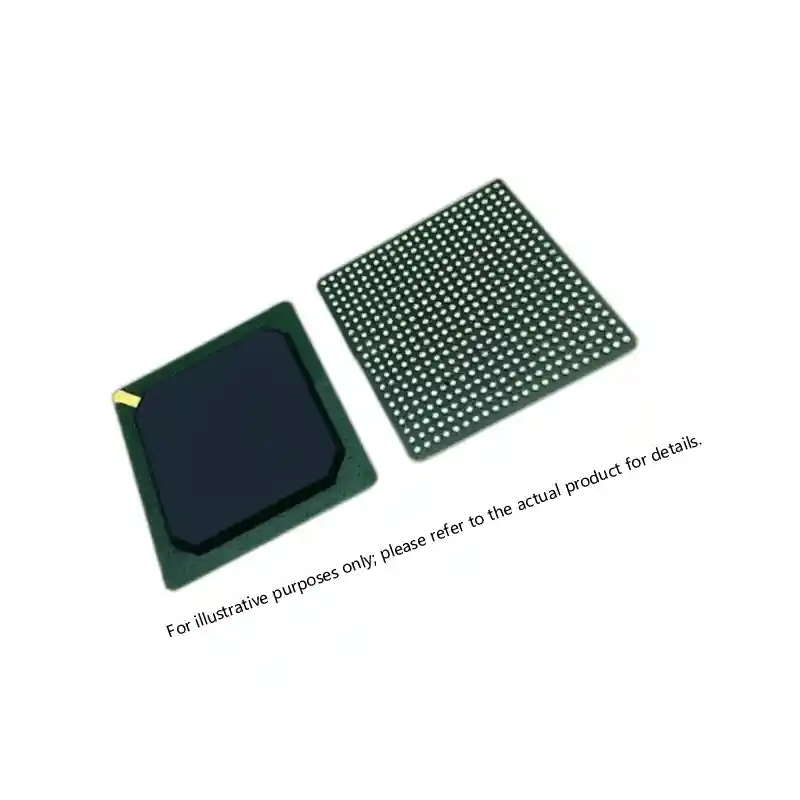
The FLVD1924 package provides a high-density interconnect solution with robust thermal and mechanical properties essential for demanding environments. This specific package type is a flip-chip fine-pitch ball grid array with 1924 balls, indicating a large number of I/O connections available for system integration. The flip-chip design places the die face-down on the substrate, minimizing the distance between the silicon and the package connections.
The extensive pinout configuration allows for a high degree of connectivity, supporting numerous high-speed interfaces and general-purpose I/Os simultaneously. This proves crucial for complex system integration where the FPGA acts as a central processing unit for data aggregation and distribution across multiple subsystems. Maintaining signal integrity across these many connections requires careful attention to trace impedance, crosstalk, and power delivery network stability. The flip-chip design minimizes parasitic inductance and resistance, contributing to better electrical performance and reduced noise for sensitive analog and digital signals.
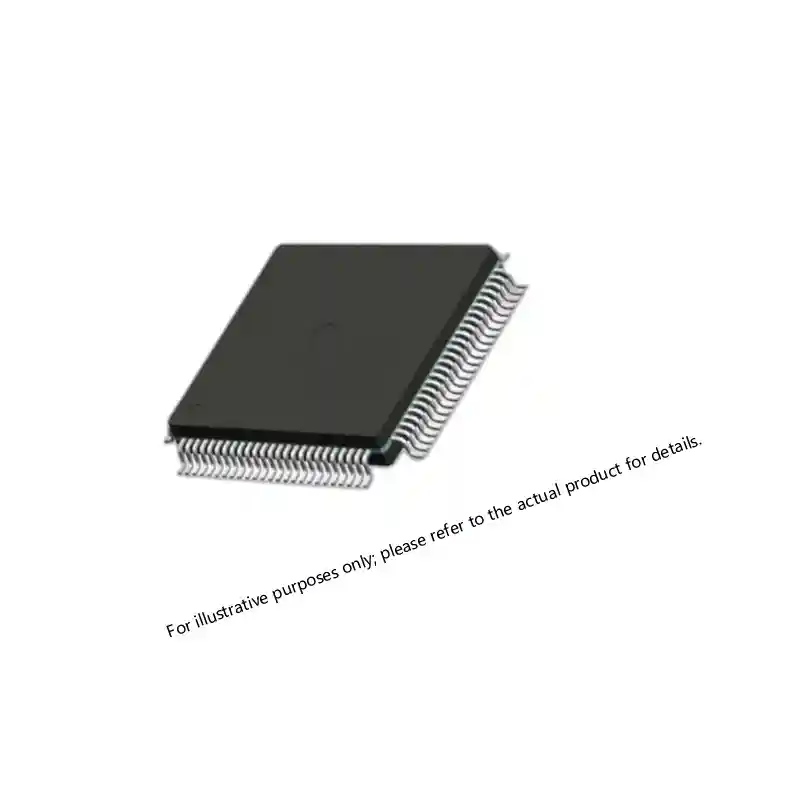
Beyond electrical performance, the mechanical and environmental robustness of the FLVD1924 package addresses requirements for harsh operational conditions. This package withstands significant thermal cycling, vibration, and shock, conforming to JESD22 test methods for packaged integrated circuits. For military-grade electronics, the physical integrity of the component under extreme operational stress matches the importance of its electrical functionality. The materials used in the package, from substrate to solder balls, are selected for durability and long-term stability, ensuring the XCKU115 operates reliably in aerospace and defense systems where environmental factors are often unpredictable and severe.
Where XCKU115 FPGAs Deliver Value in Critical Systems
The XCKU115 serves as a cornerstone for advanced systems in aerospace, defense, and high-performance computing due to its reliability and processing power. Its programmable nature allows adaptation to evolving requirements, making it ideal for long-lifecycle programs where technology refresh cycles span decades.
In aerospace and defense, the XCKU115 FPGA finds primary applications in areas requiring real-time processing and high data rates. Electronic warfare systems, secure communication platforms, and advanced radar and sonar processing all benefit from the device’s capabilities. In a synthetic aperture radar system, the XCKU115 handles the massive influx of raw sensor data, performs complex image formation algorithms, and outputs processed imagery in real time. Its ability to implement custom hardware accelerators makes it particularly effective for tasks demanding deterministic latency and high computational throughput. The robust packaging and extended temperature range capabilities of the -2FLVD1924I variant ensure suitability for deployment in extreme operational environments.
Embedded systems performing data acquisition and signal processing benefit significantly from the XCKU115’s integrated resources. Consider a satellite communication payload where multiple high-speed data streams must be aggregated, filtered, and transmitted. The FPGA manages these diverse data flows, performs necessary protocol conversions, and applies digital signal processing algorithms to enhance signal quality. Its integrated block RAM and DSP slices accelerate these operations, reducing the need for external memory or dedicated DSP processors. This level of integration simplifies board design, reduces power consumption, and improves overall system reliability, all critical factors in embedded aerospace and defense applications.
Design Tool Selection and Implementation Approaches
Developing with the XCKU115 UltraScale FPGA typically involves the Vivado Design Suite as the primary integrated development environment. This suite provides comprehensive tools for hardware description language synthesis, simulation, implementation, and verification. Designers begin with VHDL or Verilog to describe their logic, then use Vivado to compile and map this logic onto the FPGA’s configurable resources. The toolchain includes features for power analysis, timing closure, and debugging, which prove crucial for optimizing performance and ensuring design functionality before committing to hardware.
Effective use of these tools requires understanding the UltraScale architecture’s specific characteristics. The XCKU115’s clock distribution network, for instance, differs from previous generations and requires careful planning during the design phase. Similarly, the DSP slice architecture supports specific operation modes that maximize throughput when properly utilized. Thorough design verification, including both simulation and hardware testing, remains fundamental to maximizing the potential of the XCKU115 in production systems.
| Feature | XCKU115-2FLVD1924I | Typical Mid-Range FPGA |
|---|---|---|
| Logic Cells | ~1.1M | ~300K |
| DSP Slices | 5,520 | 1,000 |
| Block RAM (Mbits) | 75.9 | 15 |
| SerDes Transceivers | Up to 48 | Up to 16 |
| Speed Grade | -2 (High) | -1 (Standard) |
| Package Type | FLVD1924 | FFG900 |
What Supply Chain Integrity Means for Program Success
Sourcing authentic, traceable, and compliant high-reliability components like the XCKU115 for critical defense programs presents challenges that extend beyond simple procurement. The complexity of these devices necessitates a structured approach from concept to deployment, with particular attention to component provenance and documentation.
A defense contractor faced significant delays when counterfeit components entered their supply chain during a radar system development program. The project required implementing a rigorous verification process, including detailed documentation checks and third-party testing, which ultimately reduced the risk of non-compliant parts by over 90% in subsequent procurements. This experience illustrates why partnering with specialized distributors represents a necessity rather than a convenience for programs with strict compliance requirements.
If your program involves extended temperature range requirements or long-term availability concerns, discussing supply chain strategy early in the design phase helps avoid schedule impacts later. SPARKLE ELECTRONICS CO., LIMITED specializes in providing a secure and reliable supply chain for military-grade electronic components, understanding the urgency and compliance demands of defense sourcing. Component traceability and authenticity verification mitigate the risks associated with obsolescence management and unauthorized parts entering the supply chain.
Frequently Asked Questions
What specific environmental standards does the XCKU115-2FLVD1924I meet?
The XCKU115-2FLVD1924I meets rigorous industrial and extended temperature range standards, ensuring reliable operation in harsh conditions. The device datasheet outlines its qualification for various environmental stresses, including temperature cycling from -40°C to 100°C junction temperature, humidity exposure, and vibration testing per JESD22 standards. Specific qualification data and reliability reports are available from Xilinx for programs requiring detailed compliance documentation.
Is the XCKU115-2FLVD1924I suitable for long-lifecycle defense programs?
The UltraScale architecture, including the XCKU115, is often chosen for programs requiring long-term availability and support due to its robust design and Xilinx’s commitment to product longevity. Defense programs typically span 15 to 25 years, and the XCKU115’s position in the product lifecycle makes it appropriate for new designs entering production. Xilinx provides product change notifications and end-of-life planning support that align with defense program requirements.
How can I verify the authenticity and traceability of XCKU115 components?
Verifying authenticity requires purchasing from authorized distributors or specialized high-reliability component suppliers who provide full traceability documentation and adhere to strict quality control protocols. This includes certificates of conformance, detailed lot-level information, and date code verification. Visual inspection, X-ray analysis, and electrical testing provide additional verification for critical applications. To discuss specific verification requirements for your program, contact SPARKLE ELECTRONICS CO., LIMITED at xuansc2144@gmail.com.
XCKU085 UltraScale FPGA: Performance for Critical Systems
XCKU115 UltraScale FPGA: Powering Critical Defense Systems