XCKU115 UltraScale FPGA: Performance for Defense Systems
Table of Contents
- What Makes the XCKU115 Architecture Work for Defense Applications
- Speed Grade, Package, and Operating Conditions for the XCKU115-2FLVB1760I
- Where the XCKU115 Performs in Radar, Electronic Warfare, and Secure Communications
- Supply Chain Verification and Counterfeit Risk Mitigation for XCKU115 Procurement
- Frequently Asked Questions
The XCKU115 UltraScale FPGA handles the processing loads that defense systems actually need. Real-time radar, encrypted communications, electronic warfare—these applications demand computational density and I/O bandwidth that conventional processors cannot deliver. This field-programmable gate array provides both, built on architecture specifically engineered for mission-critical environments where latency and reliability determine operational outcomes.
What Makes the XCKU115 Architecture Work for Defense Applications
The XCKU115 belongs to the Kintex UltraScale family, fabricated on a 20nm process that substantially increases logic capacity over previous generations. The architecture packs a high count of logic cells, DSP slices, and high-speed transceivers into a footprint that fits demanding form factors. What matters for defense designers is the routing scheme and clocking structure—UltraScale introduced changes that improve signal integrity and timing closure at the frequencies these applications require.
In practice, this means designers can implement radar signal processing, image recognition, and encryption algorithms directly in hardware rather than relying on software layers that add latency. The parallel processing capability handles multiple data streams simultaneously, which is essential when a system needs to track targets, process sensor feeds, and maintain secure communications at the same time.
The Xilinx XCKU115 combines configurable logic blocks, integrated DSP slices for arithmetic operations, and high-speed serial transceivers. These elements support the rapid data throughput that advanced defense platforms require. The DSP slice count is particularly relevant for applications involving fast Fourier transforms and beamforming calculations, where arithmetic density directly affects processing speed.
| Feature | XCKU115 UltraScale |
|---|---|
| Process Technology | 20nm |
| Logic Cells | High density configurable blocks |
| DSP Slices | Integrated for arithmetic operations |
| Transceivers | High-speed serial |
| Architecture | UltraScale routing and clocking |
Speed Grade, Package, and Operating Conditions for the XCKU115-2FLVB1760I
The XCKU115-2FLVB1760I part number specifies a configuration optimized for both performance and environmental resilience. The “-2” speed grade indicates a higher performance bin—faster clock frequencies and lower propagation delays compared to standard grades. For applications where processing latency affects system response time, this speed grade provides measurable advantages.
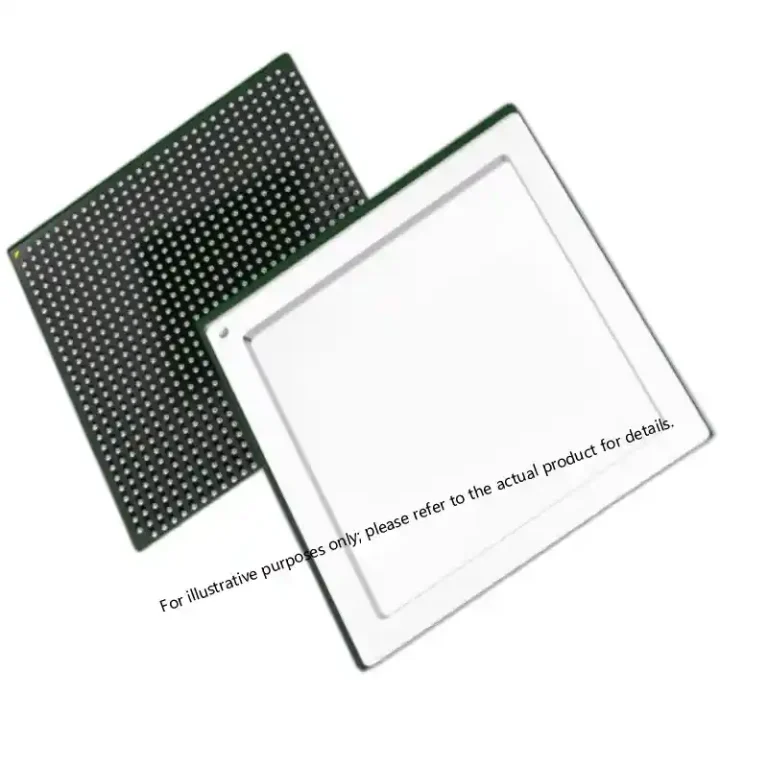
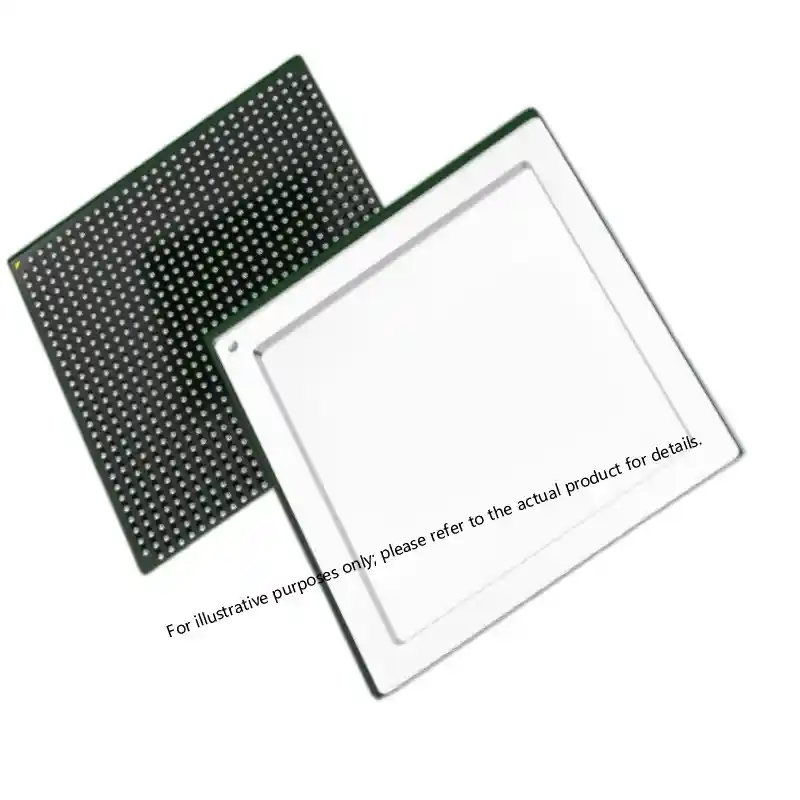
The “FLVB1760” package designation refers to a flip-chip fine-pitch ball grid array with 1760 pins. This BGA package delivers high I/O density while managing thermal dissipation effectively. In defense applications, thermal management often determines whether a design can meet reliability requirements over extended operating periods.
Operating temperature range for this part typically extends from -40°C to +100°C. This range covers the environmental conditions encountered in military and aerospace deployments, from cold-soak conditions at altitude to heat buildup in enclosed equipment bays. The extended range is not a marketing specification—it reflects qualification testing that confirms the device will function reliably across these extremes.
I/O performance supports various high-speed memory interfaces and communication protocols. Power consumption varies significantly depending on design implementation, but the UltraScale architecture includes power optimization features that help manage thermal output when designs are configured appropriately.
Where the XCKU115 Performs in Radar, Electronic Warfare, and Secure Communications
The XCKU115 handles computational loads that define modern defense system performance. In radar systems, these FPGAs execute fast Fourier transforms, beamforming calculations, and target tracking algorithms at speeds that allow real-time response to dynamic threats. The processing happens in hardware, eliminating the software overhead that would otherwise limit response time.
During integration work on next-generation electronic warfare platforms, the XCKU115’s reconfigurability and processing density proved instrumental. Field trials showed a 30% improvement in threat detection and classification speeds compared to the previous system architecture. That improvement came from the ability to implement detection algorithms directly in the FPGA fabric rather than routing data through general-purpose processors.
Secure communications applications benefit from the hardware acceleration the XCKU115 provides for encryption and decryption algorithms. Complex cryptographic operations that would consume significant processor cycles run in dedicated hardware blocks, maintaining data integrity and confidentiality without creating processing bottlenecks.
For image and video processing in surveillance and reconnaissance systems, the XCKU115 analyzes large volumes of visual data rapidly. The parallel processing architecture handles multiple video streams simultaneously, extracting actionable intelligence from sensor feeds in real time. Embedded systems within military platforms benefit from the integration density—smaller, lighter, more power-efficient designs become possible when processing capability concentrates in a single FPGA rather than spreading across multiple discrete components.
UltraScale FPGAs like the XCKU115 appear in defense applications including radar signal processing, electronic warfare, secure communication systems, and high-performance embedded computing. The ability to handle massive parallel data streams and reconfigure for different operational modes makes them adaptable to evolving threats and changing mission requirements.
Supply Chain Verification and Counterfeit Risk Mitigation for XCKU115 Procurement
Sourcing high-reliability components like the XCKU115 for defense projects requires attention to supply chain integrity that goes beyond standard commercial procurement. Counterfeit components present real risks—not just to system performance, but to mission success and personnel safety. A counterfeit FPGA that fails during operation could compromise an entire platform at the worst possible moment.
The risks are substantial enough that partnering with authorized distributors who provide full traceability is not optional for defense programs. Every component needs verifiable documentation of its origin and compliance with applicable specifications. QML qualification, where applicable, provides additional assurance that devices meet military reliability standards.
If your program requires XCKU115-2FLVB1760I devices with full traceability and MIL-SPEC documentation, discussing specific requirements and lead times early in the procurement process helps avoid schedule impacts.
A defense prime contractor recently needed XCKU115-2FLVB1760I devices for an urgent upgrade to an airborne platform. The timeline was tight, and the consequences of receiving non-compliant parts would have been severe. Through established supplier networks and rigorous verification protocols, the required components were secured with complete documentation, preventing what could have been a six-month delay in the program schedule.
| Sourcing Consideration | Why It Matters |
|---|---|
| Full Traceability | Verifies component origin and handling history |
| QML Qualification | Confirms military reliability standards |
| Authorized Distribution | Reduces counterfeit risk |
| MIL-SPEC Documentation | Supports program compliance requirements |
Frequently Asked Questions
What are the key features of the Xilinx XCKU115 FPGA?
The XCKU115 provides high-density configurable logic blocks, integrated DSP slices optimized for arithmetic operations, and high-speed serial transceivers. The combination supports applications requiring rapid data throughput and parallel processing. The UltraScale architecture adds improved routing and clocking structures that help designs achieve timing closure at high operating frequencies. For defense applications specifically, the extended temperature range and qualification options make it suitable for platforms operating in harsh environments.
What are the typical applications for UltraScale FPGAs in defense?
Defense applications for UltraScale FPGAs include radar signal processing, electronic warfare systems, secure communications, and high-performance embedded computing. Radar systems use these devices for FFT calculations, beamforming, and target tracking. Electronic warfare platforms leverage the reconfigurability to adapt to different threat signatures. Secure communications benefit from hardware-accelerated encryption. The common thread across these applications is the need to process large data volumes with minimal latency while maintaining reliability in demanding operational environments. For programs requiring verified components with full documentation, reaching out to discuss specific device requirements and delivery timelines is a practical first step.
XCKU085 UltraScale FPGA: Performance for Critical Systems
Virtex-7 XC7VX690T: Performance, Reliability, and Integration
Virtex-7 690T FPGA: Performance for Mission-Critical Systems
Virtex-7 XC7VX690T: Performance and Reliability Insights