URAM2MG3 AC Input Rectifier: Sourcing the Vicor MG3 Package
Table of Contents
- Understanding the URAM2MG3 in a Defense Power Chain
- MG3 Package: Mechanical and Thermal Integration
- Electrical Interface and System-Level Boundaries
- Authentication and Traceability Requirements
- Qualification, Incoming Inspection, and Long-Term Support
- URAM2MG3 Quote Request
- Frequently Asked Questions
- What is the URAM2MG3 used for?
- Is the MG3 package interchangeable with other Vicor URAM package styles?
- Which standards apply to the URAM2MG3 in military systems?
- What documentation should accompany a URAM2MG3 order?
- How can programs reduce lead time and obsolescence risk?
- References
The URAM2MG3 is a Vicor AC input rectifier in the MG3 package, positioned at the front end of high-reliability power conversion chains. In defense and avionics systems, it converts an AC bus into a managed DC feed for downstream DC-DC converters, making it the boundary where platform power quality, electromagnetic compatibility, and component traceability intersect. For procurement and systems engineers, the central task is controlling the interface conditions and documentation trail around the part, not simply confirming an electrical match.
Understanding the URAM2MG3 in a Defense Power Chain
The URAM2MG3 is applied between the aircraft or vehicle AC supply and the high-density DC-DC converter stage. It must operate within the normal and transient voltage envelope defined by MIL-STD-704F for aircraft electrical power characteristics [1]. At the same time, the input stage contributes to conducted and radiated emissions, so the installation normally falls under the electromagnetic compatibility limits of MIL-STD-461G [2]. Both constraints mean the rectifier cannot be treated as a passive commodity; mounting, filtering, and earthing practice strongly influence whether the system passes platform qualification.
Power conversion decisions sit inside a broader mission-critical electronics architecture. <XCKU115 UltraScale FPGA: Powering Critical Defense Systems> covers how power-sensitive FPGA platforms are integrated into critical defense systems.
MG3 Package: Mechanical and Thermal Integration
The MG3 package is a modular chassis-mount format in Vicor’s AC input rectifier family. For a defense program, the package drives more than outline dimensions: it determines heat rejection, mounting location, and the ability to replace units during sustainment. The mechanical drawing from the controlled parts list should be treated as a formal interface document, and engineers should lock the mounting footprint, fastener torque, clearance envelope, and baseplate temperature before committing to board or harness layout.
Electrical Interface and System-Level Boundaries
The AC input module does not operate alone. In most implementations, the rectifier output feeds a hold-up capacitance bank and downstream converters, while the input side requires line filtering and transient protection appropriate to the platform bus [1]. Program engineers should confirm the permitted input frequency range, inrush current limitation, and output voltage droop under the intended load. Because these values are configuration-dependent, they must be read from the controlled datasheet and validated by test rather than inferred from similar part numbers.
Fast-response sourcing: For URAM2MG3 requests with full BOM, compliance, and packaging requirements, send your requirement to xuansc2144@gmail.com with the part number, target quantity, and required documentation. A responsive quote should address lead time, lot traceability, and inspection status before order placement.
Authentication and Traceability Requirements
For military and high-reliability programs, the primary procurement risk is not electrical function but authenticity and supply chain pedigree. Counterfeit mitigation begins with document review: the order should be tied to a specific lot, a certificate of conformance where applicable, and evidence of authorized or traceable sourcing. SAE AS5553 provides a practical framework for counterfeit avoidance, detection, mitigation, and disposition [3]. Under DFARS 252.246-7007, contractors subject to the clause must maintain a counterfeit electronic part detection and avoidance system that extends to distributor selection and inspection [4].
| Verification Item | Typical Documentation | Standard / Reference |
|---|---|---|
| Supplier identity and authorization | Authorized distributor or OEM confirmation | [3], [4] |
| Lot traceability | Lot/date code, chain of custody records | [3] |
| Conformance and test data | Certificate of conformance, incoming inspection report | [4] |
| Environmental stress screening | Conditioning and test records | MIL-STD-810H [5] |
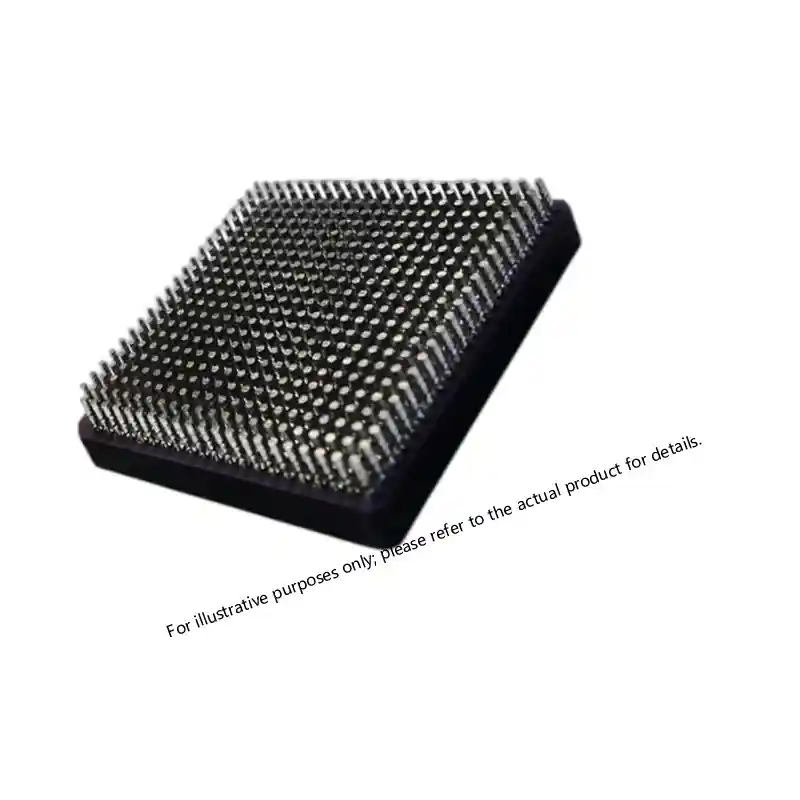
The same traceability discipline applies across component families, from FPGAs to power modules such as the URAM2MG3.
Qualification, Incoming Inspection, and Long-Term Support
Before deployment, the URAM2MG3 should pass incoming inspection procedures aligned with MIL-STD-810H environmental engineering considerations and laboratory tests [5] for the intended application environment. Where module-level hybrid microcircuit requirements apply, MIL-PRF-38534 establishes the general specification for hybrid microcircuits [6]. Inspection should cover marking consistency, lead or terminal condition, packaging integrity, and lot uniformity, with any anomaly triggering a formal failure analysis path. For long-duration defense programs, the buyer should also establish a last-time-buy and technology refresh plan, because AC input modules can leave active production while the platform remains in service for decades.
Maintain a controlled component list that records part number, package variant, qualification status, alternate sources, and the exact datasheet revision used for design validation. This record helps prevent silent substitutions between package styles such as H21, MG3, and T23, which may share electrical function but differ in mounting and thermal behavior.
URAM2MG3 Quote Request
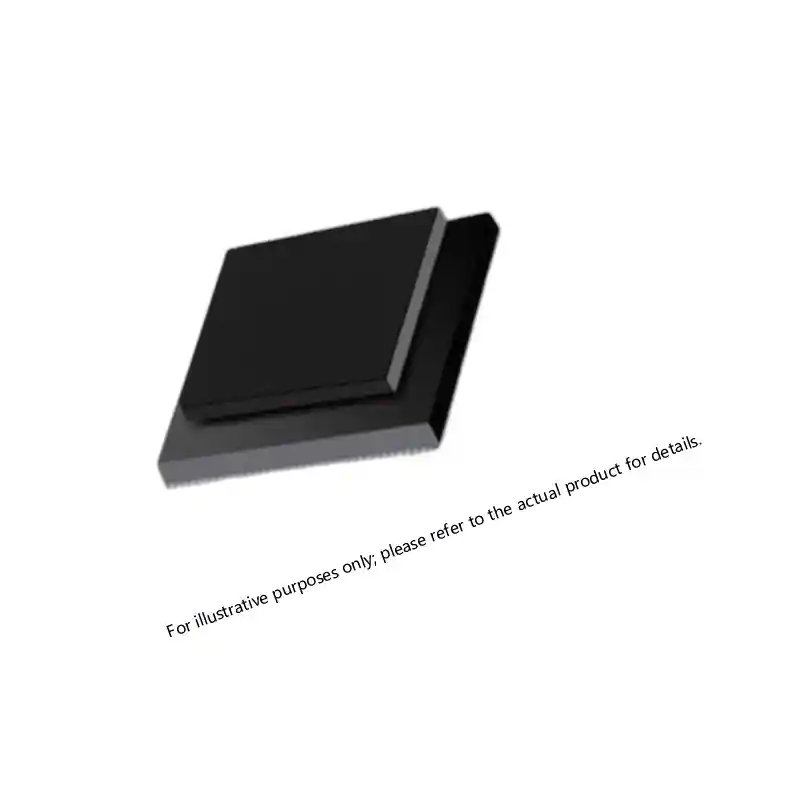
Sparkle Electronics supports URAM2MG3 sourcing with lot-level traceability, documentation review, and responsive RFQ handling for defense programs. When sourcing the URAM2MG3 for a defense or avionics program, provide the full part number, required package style, target quantity, delivery window, and documentation package. The supply-chain response should include lot-specific traceability, certificate of conformance review, and an incoming inspection plan before shipment acceptance.
- Part number: URAM2MG3
- Package style: MG3
- Required documentation: Certificate of Conformance, lot traceability, test data
- Direct inquiry: xuansc2144@gmail.com
For a direct inquiry, email xuansc2144@gmail.com with “URAM2MG3 quote” in the subject line and include your BOM, compliance requirements, and ship-to location.
Frequently Asked Questions
What is the URAM2MG3 used for?
The URAM2MG3 is an AC input rectifier that conditions an AC bus for downstream high-density DC-DC converters. It is used in defense, avionics, and other high-reliability power architectures where the front-end conversion must align with platform power quality and EMI requirements.
Is the MG3 package interchangeable with other Vicor URAM package styles?
Not automatically. Package styles such as H21, MG3, and T23 may share electrical function but can differ in mounting footprint, thermal resistance, and mechanical clearance. Interchangeability should be confirmed only against the controlled mechanical drawing and the specific application’s thermal and mounting constraints.
Which standards apply to the URAM2MG3 in military systems?
Installation-level requirements commonly reference MIL-STD-704F for aircraft power characteristics, MIL-STD-461G for electromagnetic compatibility, and MIL-STD-810H for environmental conditions [1], [2], [5]. Where module-level hybrid microcircuit qualification applies, MIL-PRF-38534 may also be relevant [6].
What documentation should accompany a URAM2MG3 order?
The minimum package should include lot-specific traceability, a certificate of conformance where required, incoming inspection records, and test or conditioning data appropriate to the part’s qualification status. SAE AS5553 and DFARS 252.246-7007 provide useful documentary expectations for counterfeit risk control [3], [4].
How can programs reduce lead time and obsolescence risk?
Early technical review, a controlled component list, and a last-time-buy or technology refresh plan reduce schedule risk. Programs should also monitor package-variant availability and maintain a qualified second source where possible, while keeping the exact datasheet revision used for design validation under configuration control.
References
[1] U.S. Department of Defense, “Aircraft Electric Power Characteristics,” MIL-STD-704F, Mar. 2004.
[2] U.S. Department of Defense, “Electromagnetic Interference Characteristics of Subsystems and Equipment,” MIL-STD-461G, Dec. 2015.
[3] SAE International, “Counterfeit Electronic Parts; Avoidance, Detection, Mitigation, and Disposition,” AS5553, latest revision.
[4] Defense Federal Acquisition Regulation Supplement, “Contractor Counterfeit Electronic Part Detection and Avoidance,” DFARS 252.246-7007, current.
[5] U.S. Department of Defense, “Environmental Engineering Considerations and Laboratory Tests,” MIL-STD-810H, Jan. 2019.
[6] U.S. Department of Defense, “Hybrid Microcircuits, General Specification for,” MIL-PRF-38534, latest revision.
If you’re interested, check out these related articles:
Virtex-7 XC7VX690T: Performance, Reliability, and Integration
Virtex-7 690T FPGA: Performance, Packaging, and Reliability Insights
XC7VX485T FPGA: Virtex-7 Performance for Defense