Defense FPGA Cyber Resilience: Supply Chain and Configuration
Table of Contents
- Why Does Cyber Resilience in Military FPGAs Depend on Supply Chain Security?
- What are the most common entry points for supply chain compromise?
- How Should Defense Programs Specify FPGA Configuration Security Requirements?
- What documentation should accompany each configuration device?
- What Does a Verified Chain of Custody Look Like for Military FPGA Procurement?
- How to Manage FPGA Configuration Data Across a Multi-Year Defense Program?
- How Do Second-Source Transfers Impact FPGA Configuration Integrity?
- How can a distributor support second-source qualification?
- How Do You Audit and Document FPGA Configuration Compliance?
- Securing Your FPGA Configuration Supply Chain
- Questions Defense Buyers Ask About FPGA Configuration Security
- Are encrypted bitstreams enough if the supply chain is unverified?
- Can we use non-QML FPGAs for non-flying prototypes?
- How do ITAR and export controls affect FPGA configuration?
- What if the FPGA vendor has a trusted foundry program — does that replace supply chain security?
When a military embedded system powers up and loads an FPGA configuration bitstream, the silicon itself must be trusted implicitly — but that trust begins months earlier, at the procurement desk. In over a decade of supporting defense contractors, I’ve seen the same pattern repeatedly: a program invests in advanced encryption and anti-tamper IP, then sources the FPGA from a broker that can’t provide chain-of-custody records. The result is a nominally “secure” design resting on an insecure supply chain foundation. Cyber resilience in military FPGAs isn’t only about cryptographic algorithms — it’s about controlling the physical path of the device and the integrity of the configuration data from the moment a part number is quoted through years of fielded system sustainment. Programs that separate supply chain decisions from configuration security planning are building on sand.
Why Does Cyber Resilience in Military FPGAs Depend on Supply Chain Security?
Most discussions of FPGA cyber resilience focus on design security: encrypted bitstreams, secure boot, and post-configuration monitoring. These are necessary, but they cannot compensate for a supply chain that introduces compromised or counterfeit devices. An FPGA that has been tampered with at the packaging stage, or a configuration PROM that has been reprogrammed en route, can bypass software-level protections entirely.
Supply chain risk for military FPGAs is multidimensional: counterfeit devices that contain hardware Trojans or reduced-temperature-range silicon; gray-market parts that lack the full screening pedigree required for MIL-SPEC applications; and configuration memories (PROMs, SPI flash) that may have been programmed with malicious firmware before reaching the integrator. These threats are not theoretical. In programs I’ve supported, we’ve intercepted Xilinx and Microsemi parts where the top marking was original but the die inspection revealed older, non-qualified revisions. The cryptographic safeguards inside the FPGA are irrelevant if the device itself has been substituted.
What are the most common entry points for supply chain compromise?
Three vectors account for the majority of supply chain vulnerabilities in defense FPGA programs: unauthorized distribution channels, incomplete documentation, and configuration memory handling outside controlled environments. Brokers who acquire parts from excess inventory or liquidation sales strip the traceability record, making it impossible to verify whether a device has undergone temperature cycling, burn-in, or serialized lot testing. Even when the FPGA itself passes initial functional test, a configuration PROM sourced separately without secure provenance can introduce a persistent compromise that no amount of bitstream encryption can detect.
How Should Defense Programs Specify FPGA Configuration Security Requirements?
Specification starts with the procurement package — before any FPGA is ordered. The requirements document must treat configuration security as a system-level attribute, not an isolated design item. This means specifying, at minimum: (1) the required device qualification level and screening class (e.g., MIL-PRF-38535 QML Class Q or V, or JANTXV equivalent for non-FPGA support components); (2) the authorized source list, with preference for OEM-authorized paths or distributors who can demonstrate AS6081-compliant inspection and traceability; and (3) configuration memory handling requirements that mandate serialized, certificate-backed programming for all pre-loaded devices.
A frequent error I see is a specification that demands “MIL-SPEC FPGA” but neglects to define screening flow for the associated configuration memory. The FPGA may arrive with full test reports, but if the PROM is ordered from a catalog house with no lot testing, the entire configuration chain is unverified. Demand lot-specific certificates of conformance for configuration memory just as you would for the FPGA itself. And require that the distributor provide full chain-of-custody documentation — from OEM to final shipment — with date-coded, serialized records that can be cross-referenced against manufacturer logistics databases.
What documentation should accompany each configuration device?
Every FPGA and configuration memory device in a defense program should arrive with a minimum documentation package: manufacturer Certificate of Conformance (C of C), copy of the original OEM invoice or packing slip, independent test reports (if the device was rescreened), and a certificate of authenticity from the distributor. For pre-programmed configuration devices, add a programming verification record that includes the checksum of the written bitstream, the hardware revision of the programmer, and the operator ID. This paperwork is not overhead; it is the auditable evidence that the configuration data being loaded has not been altered.
What Does a Verified Chain of Custody Look Like for Military FPGA Procurement?
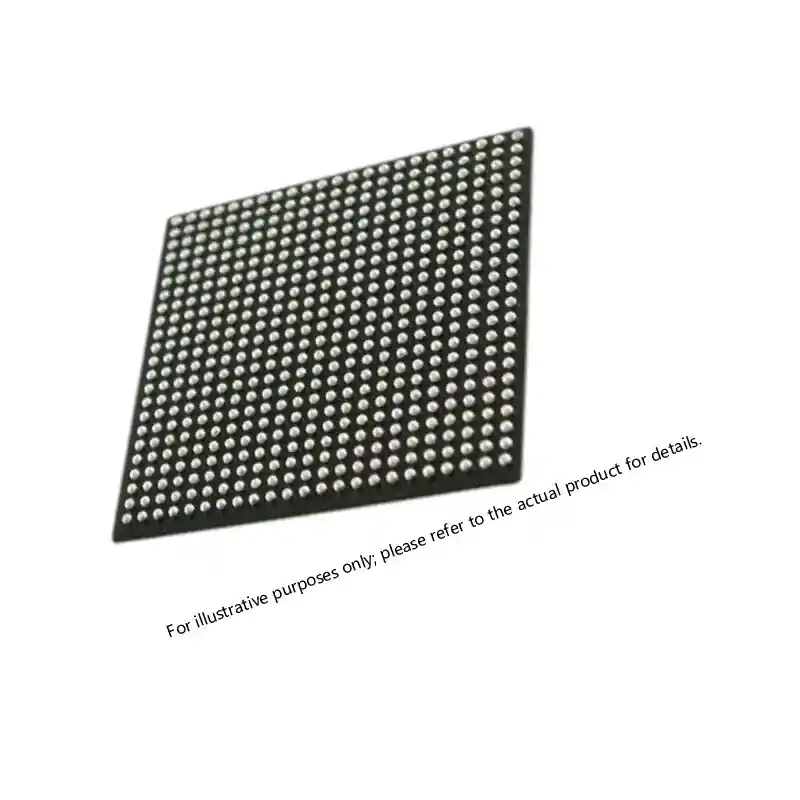
Verified chain of custody means that at every handoff in the supply chain — from wafer fabrication to assembly and test, through distribution, and into the program’s receiving inspection — the device’s identity and condition are recorded and preserved. Practically, this requires that the distributor maintains segregated inventory for defense parts, lot-level traceability, and a documented incoming inspection process aligned with AS6081 or equivalent.
At Sparkle Electronics, we apply a multi-stage verification flow for every QML-class FPGA: visual inspection for marking anomalies, tape-and-reel integrity check, X-ray inspection on a sample basis, and cross-referencing of date codes and lot numbers against OEM shipment records. This isn’t a marketing claim; it’s a procedural necessity. A single QML device that enters your inventory without that chain-of-custody backstop can invalidate your trust in the entire lot.
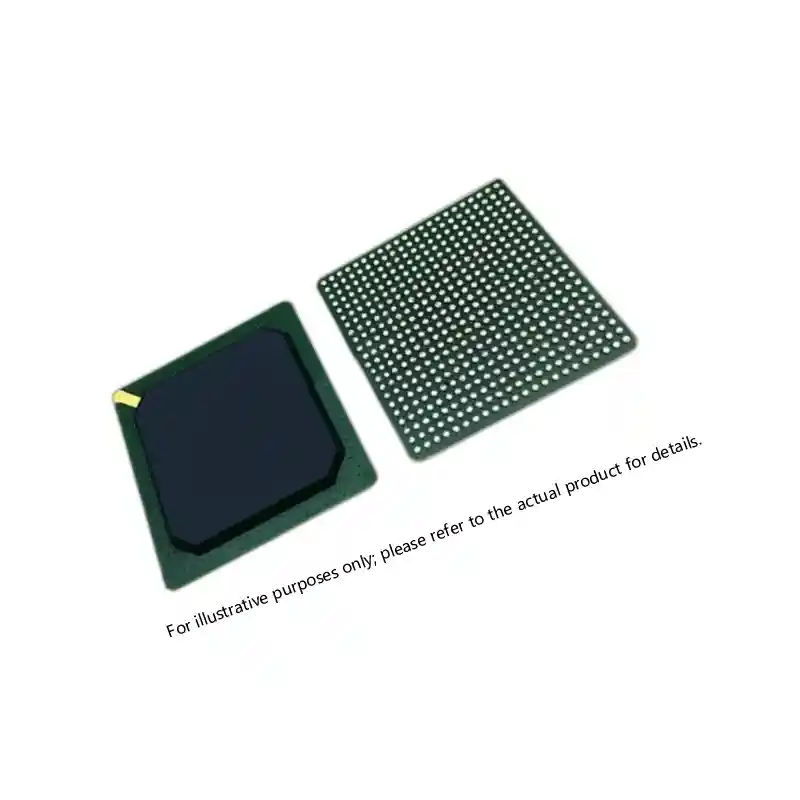
Ask your distributor: Can you provide the manufacturer’s original shipping label for this lot? If the answer is no, treat the part as unverified and either reject it or subject it to full destructive physical analysis. In long-running defense programs, we’ve had to reseal and retest components because the OEM batch records couldn’t be reconciled. That effort is costly, but far less costly than a field failure caused by a configuration integrity compromise that traces back to a paperwork gap.
How to Manage FPGA Configuration Data Across a Multi-Year Defense Program?
Configuration data management becomes the weak link when programs extend over a decade or more. A bitstream that was secure at design finalization may become vulnerable if configuration memories are stocked without proper environmental monitoring, or if revision control practices slip during depot-level maintenance.
I recommend three practices. First, treat configuration PROMs as safety-critical inventory: store them in humidity- and temperature-controlled cabinets, log environmental exposure per MIL-STD-810, and refresh the storage media if shelf-life limits are reached. Second, maintain a strict revision log that ties each configuration image to a specific hardware revision and firmware baseline, with digitally signed manifests. Third, never allow field programmers to write configuration data from unauthenticated sources — every programming station must authenticate the bitstream against a known hash before writing.
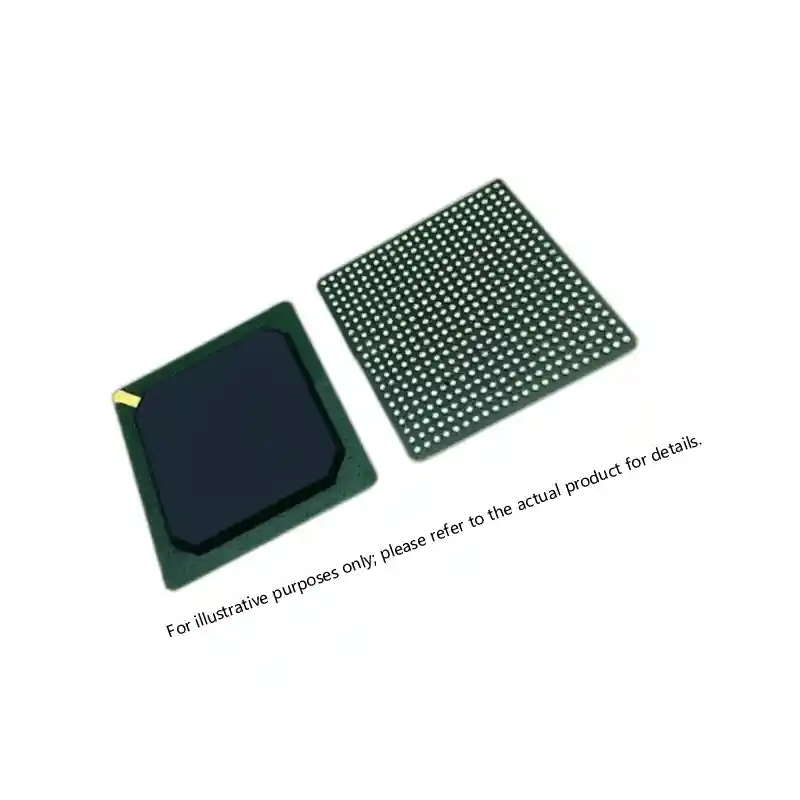
Configuration migration during technology refresh is another pain point. When an FPGA goes obsolete, programs often move to a newer device without re-validating the configuration chain. I’ve supported several programs where a replacement FPGA required a different PROM architecture, and the original bitstream had to be re-targeted, re-signed, and re-tested, which introduced a window of misconfiguration risk. Plan for these transitions from the start by including re-programming and re-certification milestones in the configuration management plan.
How Do Second-Source Transfers Impact FPGA Configuration Integrity?
Switching FPGA sources — whether due to obsolescence or multi-sourcing mandates — is one of the most disruptive events for configuration security. The new source may supply the same part number, but the configuration memory implementation, power-on sequence, or internal security engine can differ subtly between wafer lots or packaging revisions. I’ve encountered cases where a ProASIC3 device from a secondary source introduced a different power-up reset behavior that corrupted the first configuration load, even though the FPGA passed incoming functional test.
To preserve configuration integrity during a second-source transfer, require that the new supplier provide: (1) a detailed silicon revision report with diff analysis against the incumbent device; (2) full electrical characterization data, including power-up and power-down sequencing; and (3) a report on any changes to security fuses or key storage mechanisms. Then re-run the complete configuration security test suite — including secure boot, bitstream integrity check, and tamper response — on at least five qualification samples from the new source. Skipping this because “it’s the same P/N” is a recipe for a latent security fault.
How can a distributor support second-source qualification?
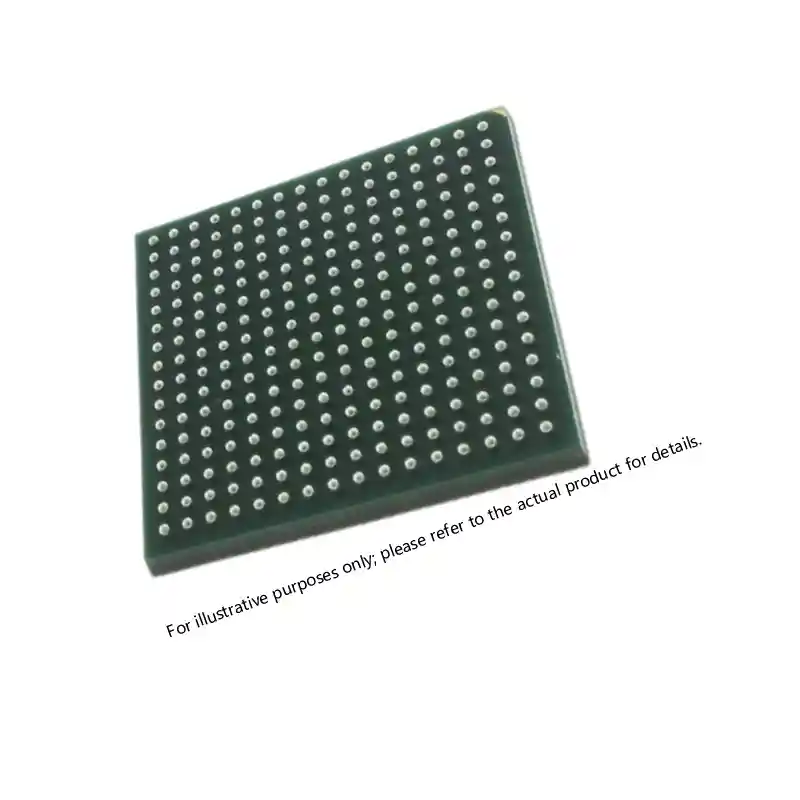
An experienced distributor can act as a buffer, consolidating technical data from multiple OEMs and presenting a unified qualification package. Ask whether your distributor maintains a database of known silicon revisions and their configuration behavior. At Sparkle Electronics, we track revision histories for the major military FPGA families — Xilinx Virtex, Microchip SmartFusion, and others — and flag for customers when a part number shift requires configuration re-validation. This is not information the OEM typically publishes openly; it accumulates from years of cross-referencing purchase orders with field reports.
How Do You Audit and Document FPGA Configuration Compliance?
Auditability is what makes configuration security defensible during a program review or incident investigation. Every decision — part selection, distributor qualification, incoming inspection results, programming records, and field updates — must be traceable to a documented procedure and a responsible individual. I’ve seen programs pass design security audits only to fail a supply chain audit because they couldn’t produce the incoming inspection report for a batch of configuration PROMs two years old.
Build an audit trail that answers five questions: (1) Who approved this FPGA source and why? (2) What is the complete chain-of-custody record for each device? (3) How was the configuration bitstream generated, signed, and verified? (4) Where and when was each configuration memory programmed, and by whom? (5) How are configuration updates controlled and logged in the field? A spreadsheet with links to scanned documents can suffice for small programs, but for multi-year, multi-contract platforms, invest in a database that ties part serial numbers to digital records.
Auditors will also want to see evidence of supplier qualification. If you used an independent distributor, have the AS6081 certification, employee training records, and electrostatic discharge (ESD) control documentation ready. A defense contractor once asked me for our ESD floor map and quarterly calibration certificates for inspection equipment before clearing our supply for a flight-critical FPGA. That level of scrutiny is appropriate, and programs that can’t support it with documentation are accepting unquantifiable risk.
Securing Your FPGA Configuration Supply Chain
When a program treats FPGA configuration only as a design task, it leaves the physical delivery path unguarded. The supply chain is the delivery path — and securing it requires the same rigor that goes into the cryptographic architecture. Start by requiring full traceability and QML-class screening for every FPGA and every configuration memory, not just the processor. Validate the chain of custody for each lot with paperwork that traces back to the manufacturer’s shipping dock. Manage configuration data with the discipline of a safety-critical inventory item, through storage, revision control, and field updates. And when sourcing shifts, re-qualify the entire configuration chain.
We support defense contractors globally with FPGAs and configuration memories that carry documented, auditable provenance — from OEM to your receiving dock with no gaps. If your program requires a second-source validation or a long-term configuration data management plan, send your part number and quantity to xuansc2144@gmail.com, or call us to discuss your specification needs, and we’ll confirm stock and documentation availability.
Questions Defense Buyers Ask About FPGA Configuration Security
Are encrypted bitstreams enough if the supply chain is unverified?
No. Encryption protects the bitstream in transit and at rest, but if the FPGA or configuration memory has been physically tampered with or substituted, the encryption keys may be read out or bypassed. Supply chain integrity is a prerequisite; without it, you are encrypting a compromised platform.
Can we use non-QML FPGAs for non-flying prototypes?
It depends on the program’s security posture and contract requirements. Many programs use commercial FPGAs for prototyping, but if the prototype will ever be connected to classified networks or contain operational configuration data, the risk of a substitute device or unvetted PROM exceeds any schedule benefit. At minimum, treat prototype FPGAs with the same incoming inspection rigor, and do not allow them to carry the final bitstream without re-qualification.
How do ITAR and export controls affect FPGA configuration?
Configuration data for military FPGAs is often considered technical data under ITAR, especially if it implements cryptographic functions or electronic warfare algorithms. Distributors who ship programmed devices internationally must ensure compliance with destination control statements and end-user verification. In programs we support, we segregate ITAR-controlled configuration memory lots and ship with the required documentation and licensing, and we recommend that programs include configuration data classification in their procurement specifications.
What if the FPGA vendor has a trusted foundry program — does that replace supply chain security?
Trusted foundry programs address fabrication-stage integrity for the IC itself and are a strong foundation, but they do not cover configuration memory handling, subsequent distribution, or field programming. They must be paired with a verified distribution chain and a configuration security plan to be effective end-to-end. If your program relies solely on a trusted foundry label without downstream controls, you’re missing the majority of the configuration lifecycle. Share your program’s configuration management plan with us and we can help identify where trusted foundry coverage gaps exist.
If you’re interested, check out these related articles:
Virtex-7 690T FPGA: Performance for Mission-Critical Systems
XC7VX485T FPGA: Virtex-7 Performance for Defense
XCKU115 UltraScale FPGA: Powering Critical Defense Systems
UltraScale KU085 FPGA Specifications for Defense Systems