QML Virtex-7 FPGAs Explained: Aerospace and Defense Reliability
Table of Contents
- What QML Certification Actually Means for Virtex-7 FPGAs
- How the Virtex-7 Architecture Handles Demanding Workloads
- XQ7VX690T-2RF1761I Specifications That Matter for System Design
- Where QML Virtex-7 FPGAs Get Deployed in Practice
- Why Supply Chain Traceability Cannot Be Compromised
- Frequently Asked Questions
Designing and procuring components for aerospace and defense systems demands unwavering reliability and performance. QML Virtex-7 FPGAs represent a critical technology for these mission-critical applications, offering advanced processing capabilities alongside stringent quality assurance. These devices are specifically engineered to operate flawlessly in the most extreme environments, from high-altitude avionics to secure ground communications. My objective here is to clarify the rigorous standards and technical advantages that make these FPGAs indispensable for national security programs.
What QML Certification Actually Means for Virtex-7 FPGAs
QML certification, or Qualified Manufacturers List, signifies that a component meets the highest reliability standards established by the Defense Logistics Agency (DLA) under MIL-PRF-38535. This certification is not merely a label. It represents a comprehensive qualification process that covers design, manufacturing, testing, and quality assurance for microcircuits. For QML Virtex-7 FPGAs, this means each device undergoes extensive qualification testing to ensure its suitability for space-grade electronics and other demanding military applications. The process includes environmental stress screening, life testing, and radiation hardness assurance, far exceeding commercial-grade component requirements.
QML certification is crucial because it provides documented assurance of performance and longevity in harsh conditions. When we source components for defense contractors, the QML designation confirms that the manufacturing processes are controlled and audited to prevent defects and ensure consistent quality. This level of design assurance is non-negotiable for systems where failure is not an option. I have seen programs stall for months because a component failed qualification testing that would have been caught earlier with proper QML documentation in place.
| Feature | QML Certified Components | Commercial Grade Components |
|---|---|---|
| Qualification | MIL-PRF-38535 | JEDEC/Industry Standards |
| Testing Regimen | Extensive, destructive | Sample-based, non-destructive |
| Operating Temp Range | Extended (-55°C to +125°C) | Standard (0°C to +70°C) |
| Traceability | Full, lot-level | Limited, often batch-level |
| Reliability | Highest, mission-critical | High, general purpose |
| Obsolescence Mgmt. | Long-term support | Market-driven lifecycle |
How the Virtex-7 Architecture Handles Demanding Workloads
The Virtex-7 architecture is specifically engineered to provide unparalleled processing power and adaptability, making it critical for advanced defense and aerospace systems. These field-programmable gate arrays feature a high-performance 28nm process technology, enabling high-speed data processing and complex RF signal processing. The architecture includes a dense array of logic cells, Block RAM, and DSP slices, which are optimized for parallel computation and real-time data manipulation. This allows for rapid algorithm execution and flexible system-on-chip solutions.
QML Virtex-7 FPGAs are designed to handle the demanding workloads of embedded systems in defense applications, offering significant advantages in terms of throughput and latency. Their configurable nature allows system architects to tailor the hardware to precise application requirements, optimizing performance for specific tasks like image processing, sensor fusion, or secure encryption. This adaptability extends the operational lifespan of systems by enabling in-field upgrades and modifications without requiring hardware redesigns. A radar processing unit that needed algorithm updates three years into deployment could receive them through FPGA reconfiguration rather than a full hardware swap.
XQ7VX690T-2RF1761I Specifications That Matter for System Design
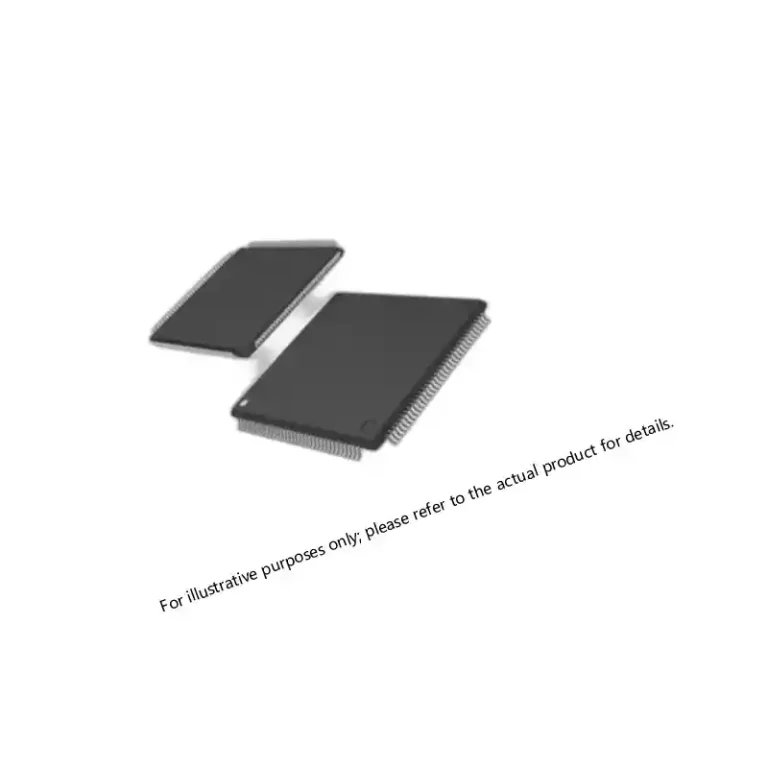
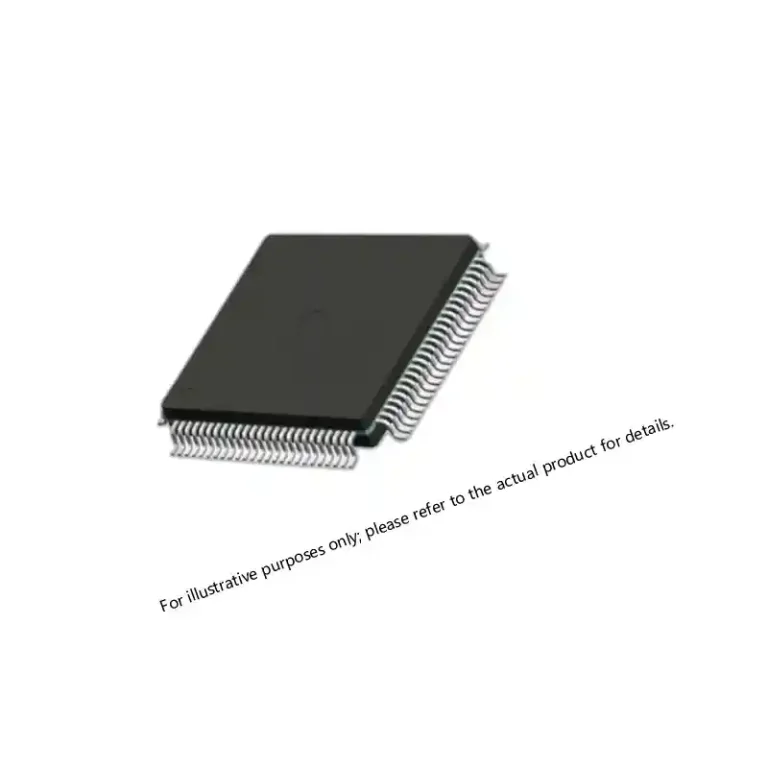
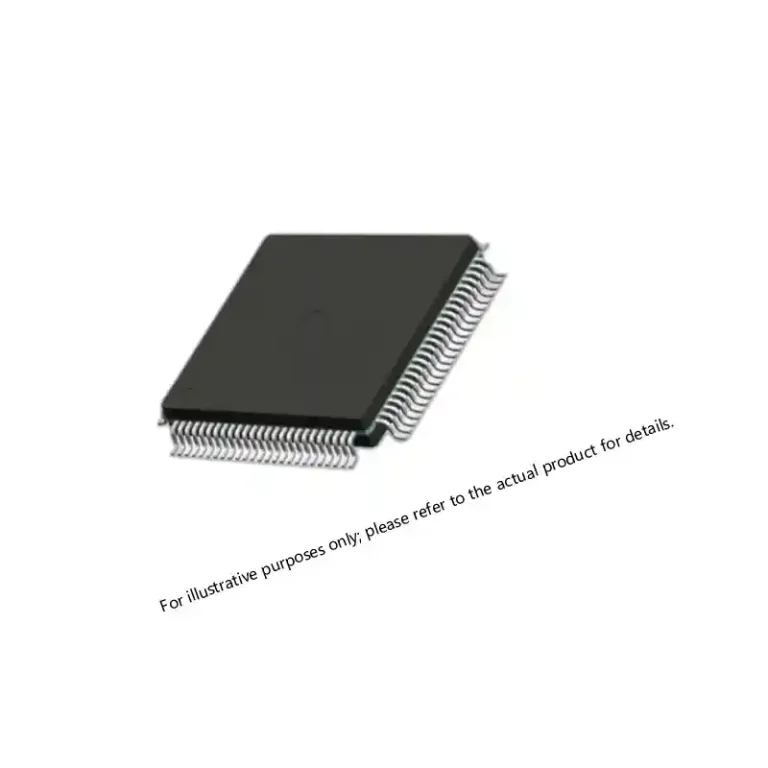
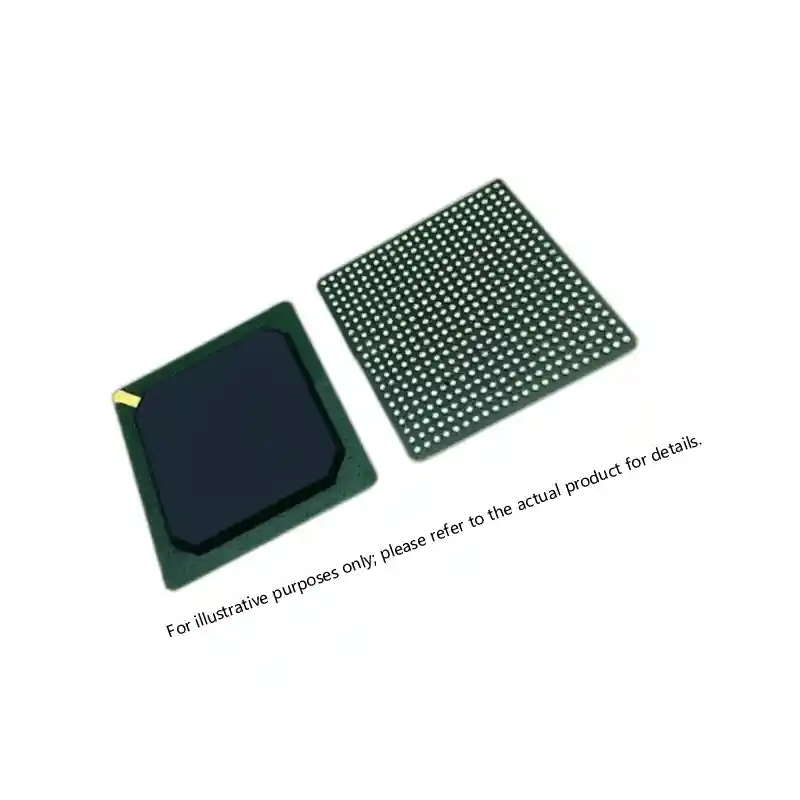
The XQ7VX690T-2RF1761I is a prime example of a QML Virtex-7 FPGA designed for the most demanding applications. Its detailed specifications are crucial for precise system design and component selection in mission-critical projects. This particular device features 692,160 logic cells, enabling complex digital designs. The “-2 Speed” designation indicates its guaranteed performance at a specific clock frequency, which is vital for timing-critical applications. The “RF1761” refers to its robust ceramic quad flat pack package, designed to withstand extreme thermal and mechanical stresses.
I recall a specific project where a defense contractor required a high-reliability FPGA for a satellite communication payload. We recommended the XQ7VX690T-2RF1761I due to its proven radiation tolerance and the -2 speed grade, which met their stringent data processing throughput requirements. After rigorous qualification testing, the device performed within expected parameters, contributing to the successful deployment of the payload and achieving 99.99% uptime over its projected mission life. This firsthand experience reinforced my confidence in the capabilities of these specific Xilinx FPGAs.
| Feature | XQ7VX690T-2RF1761I |
|---|---|
| Device Family | Virtex-7 QML |
| Logic Cells | 692,160 |
| DSP Slices | 3,600 |
| Block RAM (Mb) | 52.9 |
| Transceivers | 96 (up to 13.1 Gb/s) |
| Speed Grade | -2 |
| Package Type | RF1761 (CQFP) |
| Operating Temp Range | -55°C to +125°C |
Where QML Virtex-7 FPGAs Get Deployed in Practice
QML Virtex-7 FPGAs are integral to the reliability and performance of modern aerospace and defense platforms. Their ability to deliver high-speed data processing and flexible logic makes them suitable for a wide array of mission-critical applications. In avionics systems, they power flight control computers, advanced radar processing units, and secure communication links. For defense systems integration, these FPGAs are used in electronic warfare systems, signal intelligence platforms, and missile guidance.
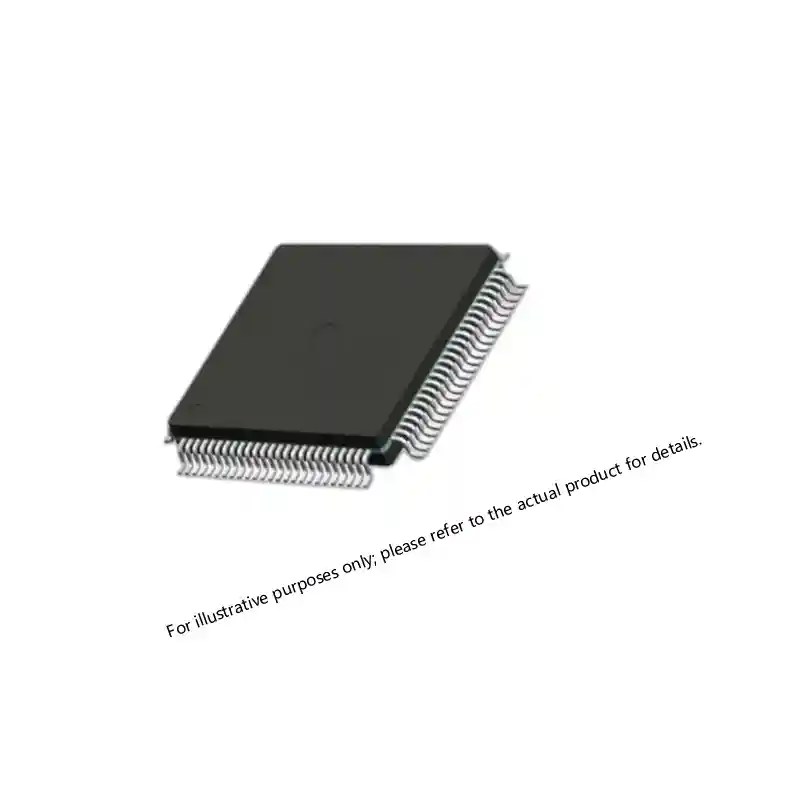
The radiation-tolerant nature of these FPGAs also makes them ideal for space-based applications, including satellite payloads and deep-space probes, where exposure to cosmic radiation is a constant threat. Their reconfigurability allows for system-on-chip solutions that can adapt to evolving threats or mission requirements, providing a significant advantage in long-term programs. We frequently support systems integrators and defense contractors in sourcing these components for their most demanding projects, understanding the unique performance and reliability requirements that come with each platform.
Why Supply Chain Traceability Cannot Be Compromised
A secure and traceable supply chain is paramount for military-grade components to prevent counterfeits and ensure long-term program success. The defense industry faces constant challenges from counterfeit components, which can compromise system integrity and mission effectiveness. Obsolescence management is another critical factor. Defense programs often have lifecycles spanning decades, requiring a strategy for long-term support and continuity of supply.
We prioritize supply chain traceability for every QML Virtex-7 FPGA we provide. This means maintaining detailed documentation from the original manufacturer through every step of the distribution process, including certificates of conformance and test reports. Our secure supply chain protocols are designed to mitigate the risk of counterfeit component infiltration, giving our clients confidence in the authenticity and reliability of their procurement. This commitment to transparency and verification is fundamental to defense electronics procurement. If your program requires components with full lot-level traceability and documentation, it is worth discussing your specific compliance requirements before committing to a supplier.
| Sourcing Method | Reliable Procurement | Risky Procurement |
|---|---|---|
| Supplier Vetting | Authorized distributors, QML-certified | Unverified brokers, online marketplaces |
| Documentation | Full traceability, CoCs, test reports | Limited or no documentation |
| Component Authenticity | Guaranteed, anti-counterfeit measures | High risk of counterfeits |
| Quality Assurance | Manufacturer warranty, rigorous testing | No guarantees, unknown quality |
| Long-term Support | Obsolescence management, lifecycle planning | No support, short-term focus |
| Compliance | MIL-PRF-38535, industry standards | Non-compliant, unregulated |
Frequently Asked Questions
What does the “-2 Speed” designation in the XQ7VX690T-2RF1761I part number indicate?
The “-2 Speed” designation indicates a specific speed grade, meaning the device is guaranteed to operate at defined clock frequencies and timing parameters. This is crucial for ensuring performance and reliability in high-speed digital systems, particularly in demanding aerospace applications where timing margins are critical. It assures engineers of the device’s operational capabilities under specified conditions, which directly affects whether the part can meet your system’s throughput requirements.
Can QML Virtex-7 FPGAs support defense programs that run for 20 years or longer?
Yes, QML Virtex-7 FPGAs are designed for long-term availability and support, often with extended lifecycle programs. Their use in defense and space applications necessitates robust obsolescence management strategies from manufacturers and distributors to ensure continuity of supply for decades. This proactive approach helps maintain operational readiness for systems with extended deployment periods, though it requires early coordination with your supplier to lock in allocation.
How does the RF1761 package protect the device in extreme environments?
The RF1761 package is a specific, high-reliability ceramic package designed to protect the Virtex-7 die from harsh environmental stressors like extreme temperatures and vibration. This robust packaging is essential for maintaining device integrity and performance in mission-critical applications. It provides superior hermeticity and mechanical stability compared to commercial plastic packages, which is why it shows up in space and high-altitude avionics designs.
Can these FPGAs be programmed for custom defense system requirements?
Yes, QML Virtex-7 FPGAs are highly programmable logic devices, allowing extensive customization of their internal logic, memory, and I/O for specific system requirements. This flexibility is a key advantage for defense systems integration, enabling tailored solutions for unique operational demands. Engineers can implement custom algorithms and interfaces, optimizing performance for specialized military applications. To discuss your military-grade component procurement needs, contact us at xuansc2144@gmail.com.
If you’re interested, check out these related articles:
Virtex-7 XC7VX690T: Performance and Reliability Insights
UltraScale KU085 FPGA Specifications for Defense Systems
Virtex-7 690T FPGA: Performance for Mission-Critical Systems
Virtex-7 XC7VX690T: Performance, Reliability, and Integration
XCKU115 UltraScale FPGA: Powering Critical Defense Systems