QML Virtex-6 240T: High-Reliability FPGAs for Defense
Table of Contents
- Breaking Down the XQ6VLX240T-2RF1759I Part Number
- Why QML Certification Actually Matters for FPGA Selection
- What Separates QML FPGAs from Commercial Alternatives
- Designing for Harsh Environments with QML Virtex-6 Devices
- Navigating Supply Chain Risks for Military-Grade FPGAs
- Identifying Trustworthy Suppliers for Military Xilinx FPGAs
- Where QML Virtex-6 FPGAs Fit in Defense System Architectures
- Working with SPARKLE ELECTRONICS CO., LIMITED
- Frequently Asked Questions
The Xilinx QML Virtex-6 240T FPGA, part number XQ6VLX240T-2RF1759I, remains one of the few devices that can actually meet the reliability thresholds aerospace and defense programs require. Most commercial FPGAs fail qualification at the radiation screening stage or cannot maintain timing specifications across the full military temperature range. This device passes both, which is why it continues to appear in new design wins despite being a mature platform.
Breaking Down the XQ6VLX240T-2RF1759I Part Number
The part number tells you exactly what you are getting. The XQ prefix indicates QML status under MIL-PRF-38535, meaning this device has passed military qualification and carries the documentation trail defense programs require. The 6VLX240T identifies the Virtex-6 LX series with approximately 240,000 logic cells, which provides enough resources for complex signal processing chains without forcing you into a larger, more expensive device. The -2 speed grade sits in the middle of the available options, offering a practical balance between clock rate capability and power dissipation.
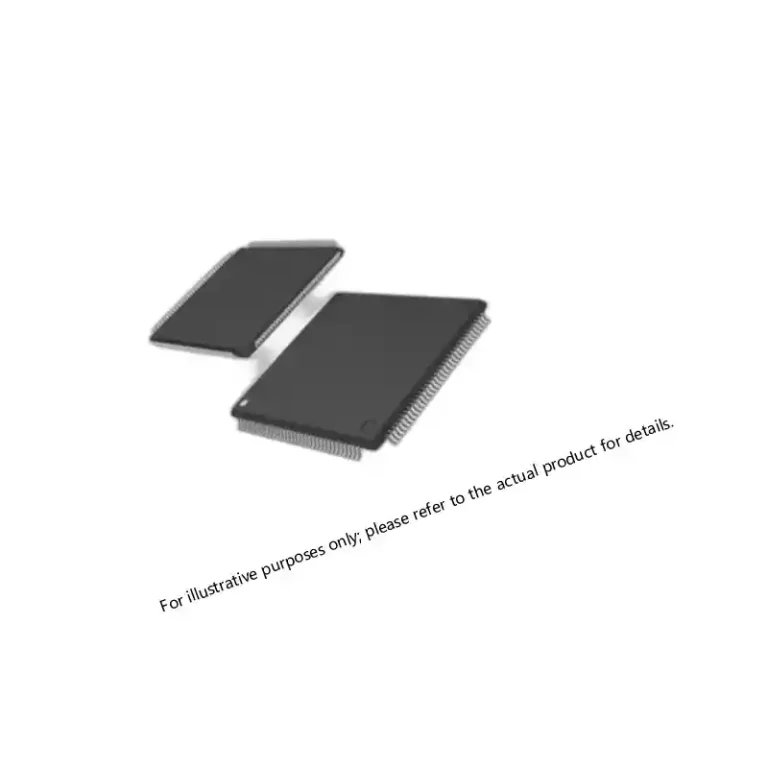
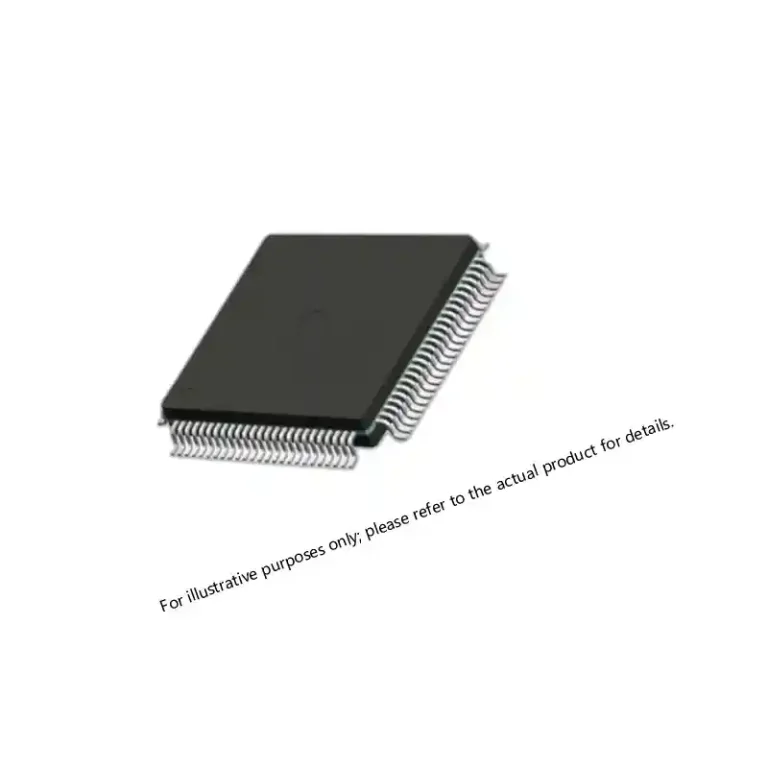
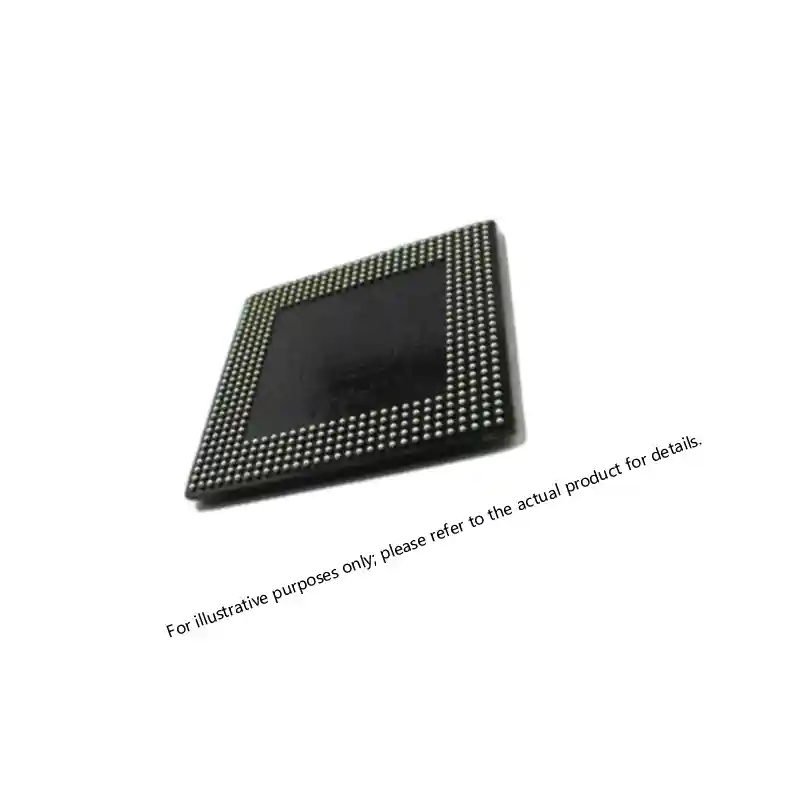
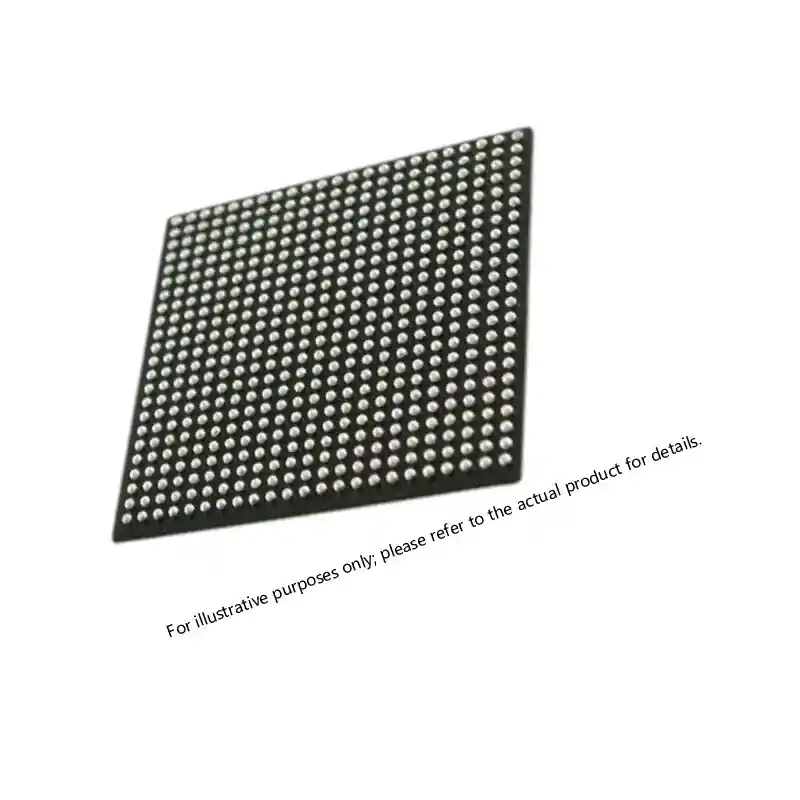
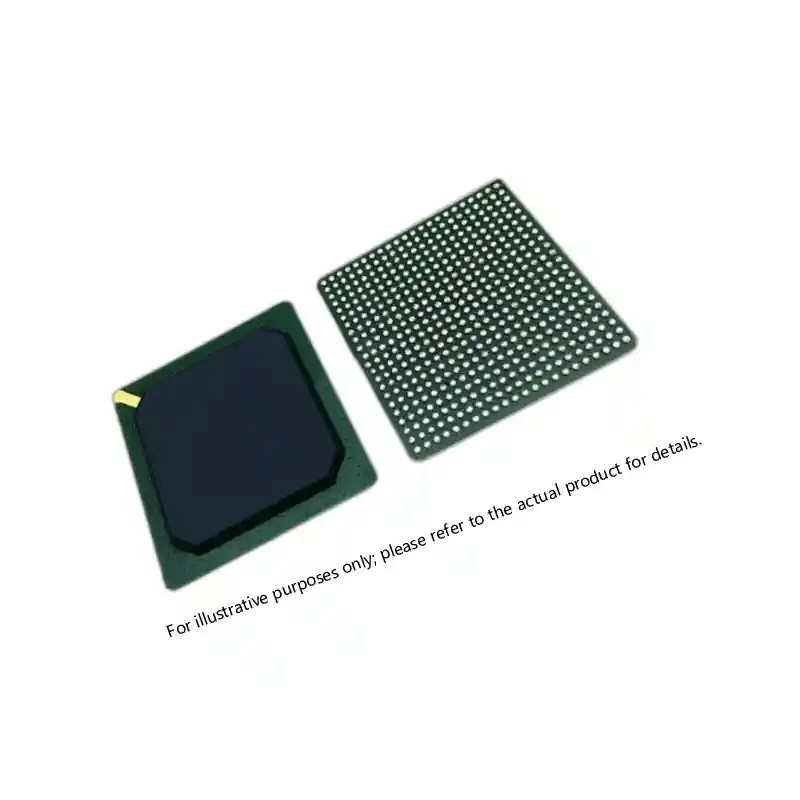
The RF1759 package designation matters more than most engineers initially realize. This 1759-pin Ceramic Column Grid Array uses a construction specifically designed for thermal cycling and mechanical shock. Standard BGA packages often develop solder joint fatigue under repeated temperature excursions, but the CCGA structure handles the -55°C to +125°C qualification range without the same reliability concerns. I have seen programs switch to CCGA specifically after experiencing field failures with plastic packages in high-vibration environments.
| Feature | XQ6VLX240T-2RF1759I Specification | Practical Impact |
|---|---|---|
| Logic Cells | ~240,000 | Supports multi-channel DSP and control logic in a single device |
| Package | 1759-pin CCGA | Survives thermal cycling and mechanical stress better than plastic alternatives |
| Speed Grade | -2 | Adequate timing margins for most radar and communications applications |
| Temperature Range | -55°C to +125°C | Full military operating range without derating |
| QML Status | Class V capable | Meets MIL-PRF-38535 requirements for space and strategic programs |
Why QML Certification Actually Matters for FPGA Selection
QML certification under MIL-PRF-38535 is not just a paperwork exercise. The qualification process imposes manufacturing controls, screening requirements, and documentation standards that directly affect device reliability. Commercial FPGAs skip most of these steps because they add cost and slow down production, but that cost savings disappears quickly when a device fails in a system that cannot be serviced.
The screening process for QML parts includes burn-in testing that stresses devices at elevated temperature and voltage to precipitate early failures before shipment. Commercial parts rarely see this treatment. The result is a lower infant mortality rate in the field, which matters considerably when your system is operating in a location where replacement is impossible or extremely expensive.
Radiation performance represents another area where QML qualification provides real value. The testing protocols characterize both total ionizing dose tolerance and single-event upset rates, giving designers the data they need to predict system behavior over a multi-year mission. Commercial datasheets rarely include this information because the testing is expensive and the commercial market does not require it.
What Separates QML FPGAs from Commercial Alternatives
The differences between commercial and QML-qualified FPGAs extend beyond the obvious temperature range and radiation specifications. Process controls during manufacturing are tighter for QML parts, with more frequent lot sampling and stricter acceptance criteria. Traceability documentation follows each device from wafer fabrication through final test, which becomes critical when investigating field anomalies or demonstrating compliance during program audits.
Commercial FPGAs optimize for cost and time-to-market. The testing is sufficient to catch gross defects, but the screening does not stress devices to the same degree. This approach works well for consumer electronics where a 0.1% field failure rate is acceptable and warranty replacement is straightforward. Defense systems operate under different constraints where even a single failure can compromise a mission or endanger personnel.
The extended lifecycle commitment for QML parts also differs from commercial practice. Commercial FPGAs may go end-of-life with relatively short notice as manufacturers shift production to newer devices. QML programs typically include longer notification periods and last-time-buy options that give defense contractors time to qualify alternatives or stock sufficient inventory for program duration.
Designing for Harsh Environments with QML Virtex-6 Devices
The XQ6VLX240T-2RF1759I addresses harsh environment challenges through both silicon design and package construction. Radiation hardening techniques reduce sensitivity to single-event effects, though the specific mitigation approach varies by failure mode. Single-event upsets in configuration memory require different countermeasures than single-event latchup in the logic fabric, and the device architecture incorporates features addressing both.
Temperature stability across the -55°C to +125°C range requires careful attention to timing analysis. The device specifications include derating curves showing how performance parameters shift with temperature, and designs must maintain adequate margins at both extremes. I have reviewed designs that met timing at room temperature but failed at the cold corner because the designer did not account for how interconnect delays change with temperature.
Power management becomes more complex in military applications because the thermal environment is often constrained. Avionics enclosures may have limited cooling capacity, and space applications rely entirely on radiative heat transfer. The Virtex-6 architecture includes power management features that allow designers to reduce consumption in unused logic blocks, but achieving the lowest power operation requires deliberate design effort during implementation.
The I/O capabilities support the high-speed interfaces common in modern defense systems. Multi-gigabit transceivers handle serial links for radar data and communications, while parallel I/O banks provide the connectivity needed for sensor interfaces and memory controllers. The key consideration during design is ensuring that I/O bank voltage assignments and termination schemes remain compatible across the full operating temperature range.
Navigating Supply Chain Risks for Military-Grade FPGAs
Sourcing QML Virtex-6 devices involves challenges that do not exist in commercial component procurement. The combination of limited production volumes, long program lifecycles, and high unit values creates conditions where counterfeit parts can enter the supply chain. A single counterfeit device that passes incoming inspection but fails in the field can compromise an entire system and trigger expensive failure investigations.
Counterfeit mitigation requires a multi-layered approach. Purchasing from authorized sources eliminates most risk, but defense programs sometimes need to source from the open market when authorized channels cannot meet schedule or quantity requirements. In those cases, rigorous incoming inspection becomes essential. X-ray imaging can reveal die and bond wire anomalies, while electrical testing confirms that the device meets specification. Decapsulation and die marking verification provide additional confidence for high-value or high-risk purchases.
Obsolescence management for QML FPGAs requires planning that starts early in program development. The Virtex-6 family is a mature product line, and while QML parts typically have longer availability than commercial equivalents, supply is not unlimited. Programs with multi-decade lifecycles need strategies that may include lifetime buys, qualified alternate sources, or planned technology insertion points where newer devices can be substituted.
If your program involves XQ6VLX240T-2RF1759I procurement and you have encountered sourcing difficulties or authenticity concerns, discussing your specific situation with a specialist distributor can identify options you may not have considered.
Identifying Trustworthy Suppliers for Military Xilinx FPGAs
Evaluating potential suppliers for military-grade FPGAs requires examining several factors beyond price and availability. QML certification of the supplier’s quality management system indicates they understand the documentation and handling requirements for military parts. Experience with MIL-PRF-38535 compliance means they can provide the certificates of conformance and traceability data your program requires.
Anti-counterfeit capabilities matter significantly for QML FPGA procurement. Ask potential suppliers about their incoming inspection procedures, their sources for open-market purchases, and their response process if a counterfeit part is detected. Suppliers who have invested in X-ray equipment, electrical test capabilities, and trained inspection personnel demonstrate a commitment to supply chain integrity that protects your program.
Long-term support capability separates transactional distributors from strategic partners. Defense programs need suppliers who can maintain inventory positions, provide technical support for legacy devices, and help navigate obsolescence challenges. The relationship should extend beyond individual purchase orders to encompass the full program lifecycle.
Where QML Virtex-6 FPGAs Fit in Defense System Architectures
The XQ6VLX240T-2RF1759I appears in applications where processing density, reliability, and reconfigurability intersect. Radar signal processing chains use these devices for pulse compression, Doppler filtering, and target detection algorithms. The logic density supports multiple processing channels in a single device, reducing system size and power compared to multi-chip alternatives.
Electronic warfare systems leverage the reconfigurability to adapt to evolving threat environments. The ability to update FPGA configurations in the field allows systems to incorporate new countermeasure techniques without hardware modifications. This flexibility extends system relevance as adversary capabilities change over the deployment lifecycle.
Secure communications equipment uses QML FPGAs for encryption and protocol processing. The combination of high-speed I/O and substantial logic resources supports the throughput requirements of modern waveforms while the QML qualification satisfies the reliability requirements for systems that must operate continuously in contested environments.
Satellite payloads represent a particularly demanding application where the radiation environment, thermal constraints, and impossibility of repair combine to make component selection critical. The XQ6VLX240T-2RF1759I radiation characterization data allows mission planners to predict upset rates and design appropriate mitigation strategies for the specific orbital environment.
Working with SPARKLE ELECTRONICS CO., LIMITED
SPARKLE ELECTRONICS CO., LIMITED specializes in military-grade component procurement, including QML Virtex-6 FPGAs. Our verification protocols address the authenticity and traceability requirements that defense programs demand, and our supplier relationships provide access to inventory that may not be visible through standard distribution channels.
Frequently Asked Questions
Is the XQ6VLX240T-2RF1759I still actively supported by Xilinx?
The Virtex-6 family has transitioned to different support phases depending on the specific variant. QML parts like the XQ6VLX240T-2RF1759I typically maintain availability longer than commercial equivalents because defense program requirements drive continued production. Current availability status requires checking with authorized sources, as inventory positions change. Programs planning new designs should verify long-term supply commitments before committing to this device.
What are the common challenges when integrating QML FPGAs into existing designs?
Integration challenges typically center on three areas. Power delivery must handle the current transients during configuration and operation while maintaining voltage stability across temperature. Thermal design must remove the heat generated at maximum operating conditions without exceeding junction temperature limits. Configuration management must address both initial programming and any field update requirements while maintaining the security and integrity requirements of the target application. Each of these areas requires analysis specific to your system architecture and operating environment.
How does the -2 speed grade of the XQ6VLX240T-2RF1759I impact performance compared to other grades?
The -2 speed grade provides timing parameters that fall between the slower -1 grade and faster -3 grade options. For most radar and communications applications, the -2 grade offers sufficient performance margins without the power penalty associated with faster grades. The practical impact depends on your specific design. Designs that are timing-limited at the -2 grade may benefit from the -3 option, while designs with margin to spare could potentially use the -1 grade at lower power. Static timing analysis during implementation reveals which category your design falls into.
To discuss component sourcing requirements or verify availability for your program, contact SPARKLE ELECTRONICS CO., LIMITED at xuansc2144@gmail.com or by phone.
If you’re interested, check out these related articles:
XC7VX485T FPGA: Virtex-7 Performance for Defense
Virtex-7 690T FPGA: Performance for Mission-Critical Systems
Virtex-7 690T FPGA: Performance, Packaging, and Reliability Insights
XCKU085 UltraScale FPGA: Performance for Critical Systems