XQ7Z045-1RF900Q QML Zynq-7045 SoC: High-Reliability for Defense
Table of Contents
- What the XQ7Z045-1RF900Q Actually Delivers
- Why QML Qualification Changes the Procurement Conversation
- What separates commercial Zynq SoCs from QML-qualified versions?
- When does QML qualification become a program requirement?
- How the XQ7Z045-1RF900Q Performs Under Operational Stress
- How does the -1 speed grade affect timing margins?
- What Makes High-Reliability Component Sourcing Different
- How to Approach QML Zynq-7045 Procurement Strategically
- Frequently Asked Questions
- What lead times should programs expect for QML Zynq-7045 components?
- Can the XQ7Z045-1RF900Q support space applications?
- What does the RF900 package contribute to system reliability?
Mission-critical defense and aerospace systems demand electronic components capable of unparalleled reliability and performance in the harshest conditions. The XQ7Z045-1RF900Q QML Zynq-7045 System-on-Chip (SoC) provides a robust and highly integrated solution, designed to meet the rigorous demands of applications where operational integrity is paramount. This specific part number designates a Field Programmable Gate Array (FPGA) with an embedded ARM processor, qualified to the highest military standards.
What the XQ7Z045-1RF900Q Actually Delivers
The XQ7Z045-1RF900Q is a System-on-Chip from the Zynq-7000 family. It integrates a dual-core ARM Cortex-A9 processor with 28nm Artix-7 based FPGA fabric. This architecture enables flexible hardware acceleration alongside software programmability on a single device, which reduces board space requirements while maintaining processing throughput.
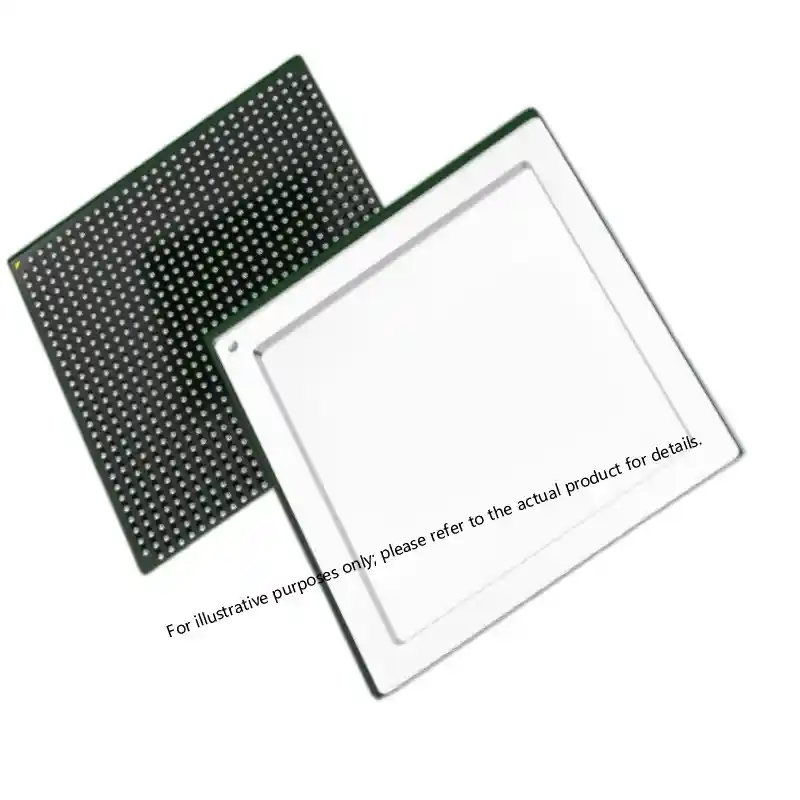
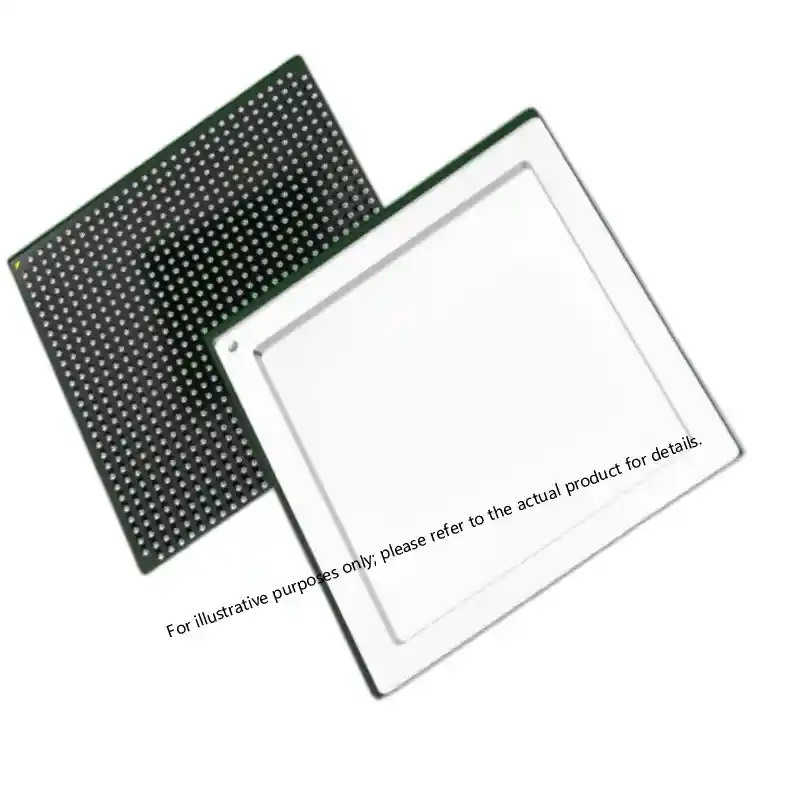
The RF900 package uses a ceramic column grid array (CCGA) form factor. This choice reflects thermal and mechanical priorities: the CCGA structure handles thermal cycling stress better than plastic packages and dissipates heat more efficiently under sustained load. The “-1” speed grade indicates the device meets timing parameters at the slowest characterized bin, which matters when you need guaranteed performance across the full military temperature range rather than typical-case numbers.
| Feature | Specification |
|---|---|
| Processor | Dual-core ARM Cortex-A9 |
| FPGA Fabric | 28nm Artix-7 based |
| Package | RF900 (Ceramic Column Grid Array) |
| Speed Grade | -1 |
| Qualification | QML per MIL-PRF-38535 |
Why QML Qualification Changes the Procurement Conversation
The QML qualification process separates components intended for defense and aerospace from commercial parts in ways that affect both reliability and documentation burden. QML (Qualified Manufacturers List) is a certification program managed by the Defense Logistics Agency under MIL-PRF-38535. The standard dictates testing, screening, and quality assurance protocols that microcircuits must pass before they can be specified for military and space-grade electronics.
Unlike commercial-off-the-shelf components, QML parts undergo environmental screening that includes extreme temperature cycling, vibration, and shock testing. Electrical characterization spans the full military temperature range rather than commercial or industrial limits. The documentation trail is complete: lot traceability, test data, and conformance certificates travel with the parts.
One satellite communication project illustrated what this means in practice. The QML-V components we supplied went through radiation testing and extended burn-in cycles before delivery. Over a five-year mission, the system recorded zero field failures. That outcome validated the cost premium for QML parts and demonstrated why program managers accept longer lead times for qualified components.
What separates commercial Zynq SoCs from QML-qualified versions?
The distinction centers on qualification rigor and documentation depth. Commercial Zynq SoCs target general industrial or consumer applications and undergo standard commercial-grade testing. QML-qualified versions adhere to MIL-PRF-38535, meaning they come from certified facilities, pass more extensive environmental and electrical testing, and ship with full traceability documentation. This ensures predictable performance in conditions that would exceed commercial specifications.
When does QML qualification become a program requirement?
QML components become necessary when system specifications call for guaranteed performance across wide temperature ranges, radiation tolerance, or extended operational life without maintenance access. The comprehensive documentation also simplifies compliance audits and lifecycle management for programs that span decades.
How the XQ7Z045-1RF900Q Performs Under Operational Stress
The XQ7Z045-1RF900Q delivers consistent performance in scenarios that would degrade or fail commercial alternatives. Its QML qualification validates resilience against extreme temperatures, high vibration, and radiation exposure, conditions common in defense and aerospace deployments.
The integrated ARM processing system and FPGA fabric create a powerful combination for real-time data processing and control. Embedded vision systems benefit from high-speed image acquisition and processing for situational awareness or targeting applications. Signal processing applications such as radar, sonar, and electronic warfare systems require the low-latency and high-throughput computations this architecture supports.
The RF900 package contributes directly to operational longevity. Its ceramic construction resists mechanical stress from vibration and thermal cycling, while the column grid array geometry facilitates heat transfer away from the die. These characteristics extend operational lifespan in deployments where component replacement is impractical or impossible.
How does the -1 speed grade affect timing margins?
The -1 speed grade means the device has been characterized and guaranteed to meet timing parameters at the slowest performance bin. For military applications, this translates to predictable operation across the full -55°C to +125°C temperature range. Complex algorithms and high-speed data transfers execute consistently without timing violations, which is essential for real-time systems where a missed deadline can mean mission failure.
What Makes High-Reliability Component Sourcing Different
Procuring components like the XQ7Z045-1RF900Q for defense programs involves challenges that commercial procurement processes do not address. Authenticity verification and traceability are not optional features; they are fundamental requirements that affect program compliance and system reliability.
Counterfeit components represent a persistent supply chain risk. Parts that appear genuine but fail under stress can compromise entire systems. Verification processes must confirm component provenance through documentation review, physical inspection, and testing when warranted.
Obsolescence management adds another layer of complexity. Defense programs often span decades, outlasting the production life of many components. Proactive planning and reliable sourcing relationships help maintain supply continuity when manufacturers discontinue parts.
SPARKLE ELECTRONICS CO., LIMITED addresses these challenges through established authentication processes. Every component we supply, including specialized QML Zynq-7045 SoCs, ships with complete documentation confirming provenance and MIL-SPEC compliance. We maintain relationships that support long-term supply planning and help mitigate disruptions that could delay program milestones.
How to Approach QML Zynq-7045 Procurement Strategically
Strategic procurement of QML Zynq-7045 SoCs requires understanding both technical specifications and regulatory compliance demands. Components must satisfy MIL-PRF-38535 and related MIL-SPEC documentation requirements, not just electrical and mechanical parameters.
Design engineers and program managers face pressure to balance performance requirements against schedule constraints. The qualification and testing processes that make QML components reliable also extend lead times compared to commercial alternatives. Planning procurement early in the design cycle prevents schedule conflicts later.
SPARKLE ELECTRONICS CO., LIMITED offers expertise in navigating these requirements. We assist with documentation, authenticity verification, and long-term supply planning. The goal is ensuring components like the XQ7Z045-1RF900Q integrate into designs smoothly from initial concept through sustained production.
If your program involves QML component requirements or you need to verify supply chain options for qualified parts, discussing specifics early helps avoid surprises. Contact us at xuansc2144@gmail.com to review your requirements.
Frequently Asked Questions
What lead times should programs expect for QML Zynq-7045 components?
Lead times for QML Zynq-7045 components vary based on manufacturer stock levels and specific qualification requirements. Planning several months ahead is typical, accounting for the testing and certification processes these high-reliability parts require. Programs with firm delivery dates should initiate procurement discussions early in the design phase.
Can the XQ7Z045-1RF900Q support space applications?
The QML designation indicates suitability for space-grade electronics. The XQ7Z045-1RF900Q has undergone testing for radiation hardness and extreme environmental conditions that make it viable for many space applications. Specific mission requirements should be reviewed against the device’s radiation characterization data to confirm compatibility.
What does the RF900 package contribute to system reliability?
The RF900 package provides enhanced thermal performance and mechanical robustness through its ceramic column grid array construction. The ceramic material resists stress from thermal cycling better than plastic alternatives, while the column grid geometry facilitates efficient heat dissipation. These characteristics support long-term operational reliability in demanding military and aerospace environments. For programs requiring detailed thermal analysis or package qualification data, reach out to discuss your specific application requirements.
If you’re interested, check out these related articles:
XC7VX485T FPGA: Virtex-7 Performance for Defense
A1020B-PG84B ACT2 FPGA: Specs, Sourcing, and Availability
Virtex-7 XC7VX690T: Performance, Reliability, and Integration
UltraScale KU085 FPGA Specifications for Defense Systems
XCKU115 UltraScale FPGA: Powering Critical Defense Systems