XQ5VFX130T-1EF1738I: QML FPGA for Military Aerospace
Table of Contents
- What the QML Virtex-5 FXT 130T Actually Delivers
- Why QML Certification Changes the Reliability Equation
- Where the XQ5VFX130T Fits in Defense System Architectures
- How to Verify Authenticity and Maintain Supply Chain Integrity
- Planning for Decades of Program Support
- Frequently Asked Questions
- What does the “-1 Speed” designation mean for the XQ5VFX130T?
- Are there alternative QML FPGAs if the XQ5VFX130T-1EF1738I becomes obsolete?
- How can I verify the authenticity of a XQ5VFX130T-1EF1738I component?
- What are the typical lead times for QML Virtex-5 FXT 130T components?
The XQ5VFX130T-1EF1738I belongs to a specialized class of Field-Programmable Gate Arrays designed for military and aerospace applications. This component, part of the QML Virtex-5 FXT family, provides a high-reliability solution for systems that must perform under extreme environmental conditions. Understanding its specifications and the implications of QML certification matters for defense program success.
What the QML Virtex-5 FXT 130T Actually Delivers
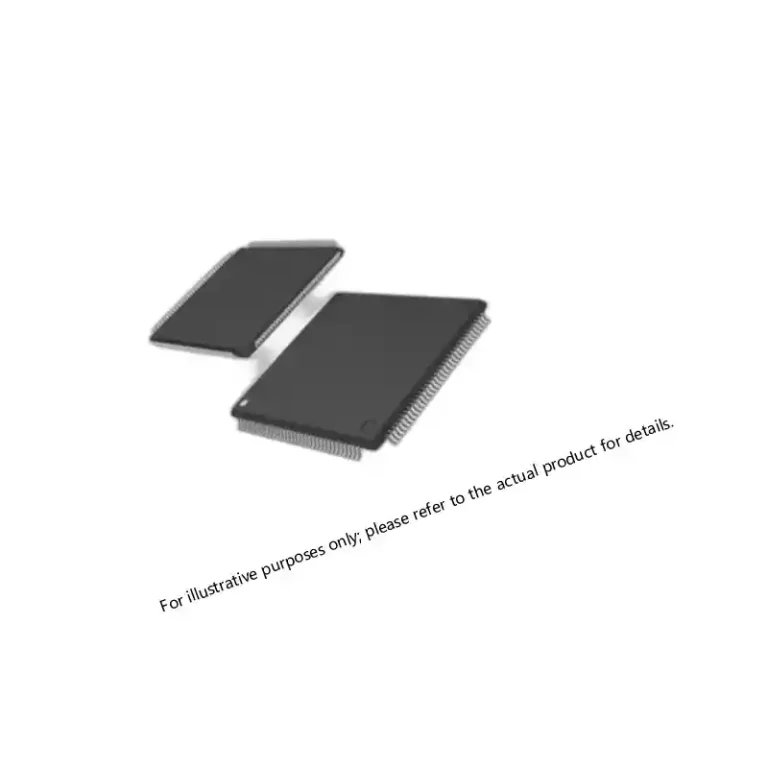
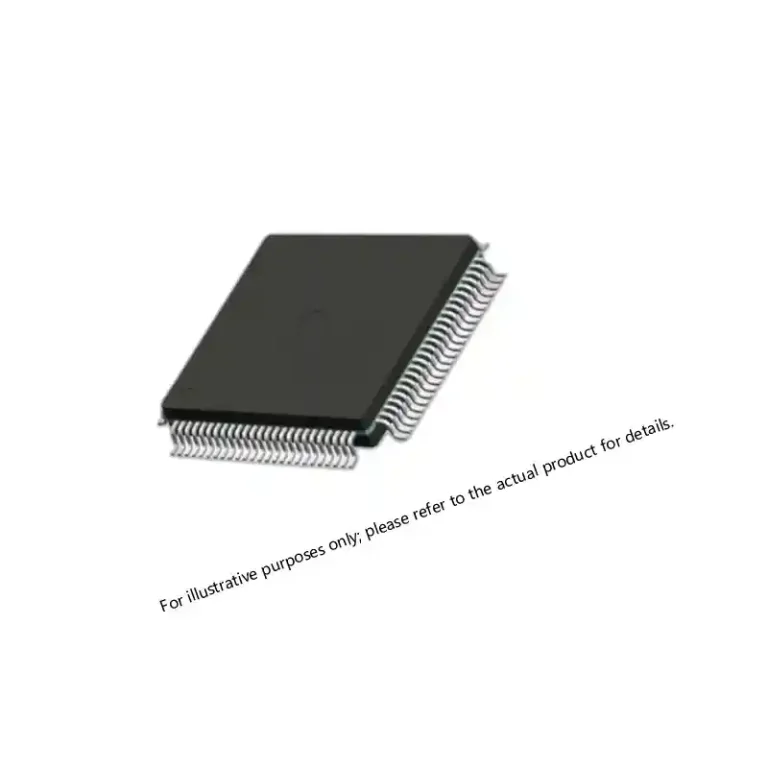
The XQ5VFX130T-1EF1738I is a radiation-tolerant FPGA from the Virtex-5 FXT series, engineered to meet stringent military specifications. Its architecture integrates features required for complex signal processing and data management in defense systems.
| Feature | XQ5VFX130T-1EF1738I |
|---|---|
| Logic Cells | 131,072 |
| Block RAM (Mbits) | 10.368 |
| DSP Slices | 640 |
| RocketIO Transceivers | 24 |
| Operating Temperature | -55°C to +125°C |
| Speed Grade | -1 |
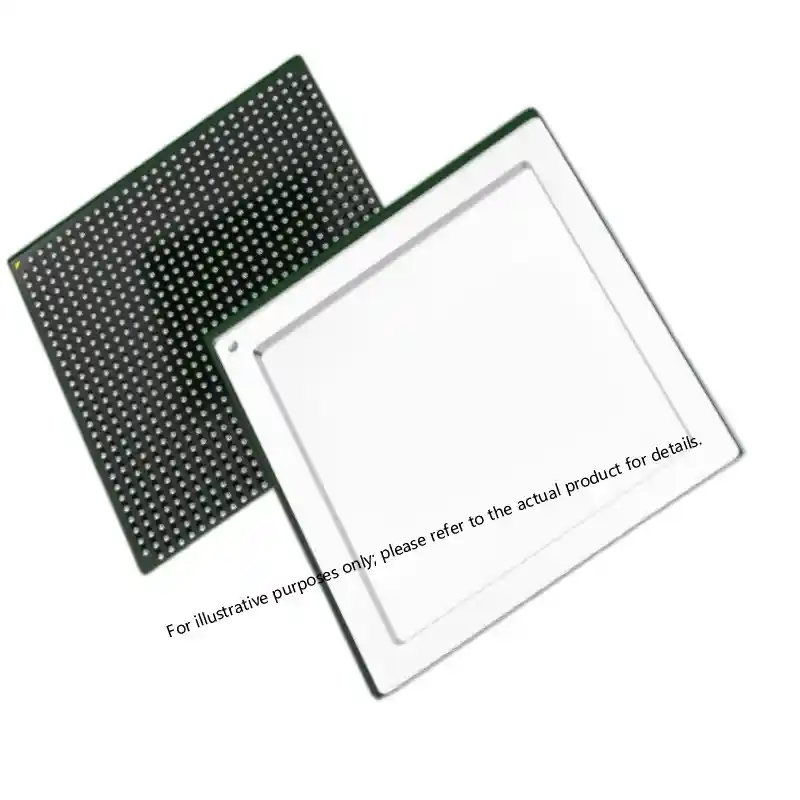
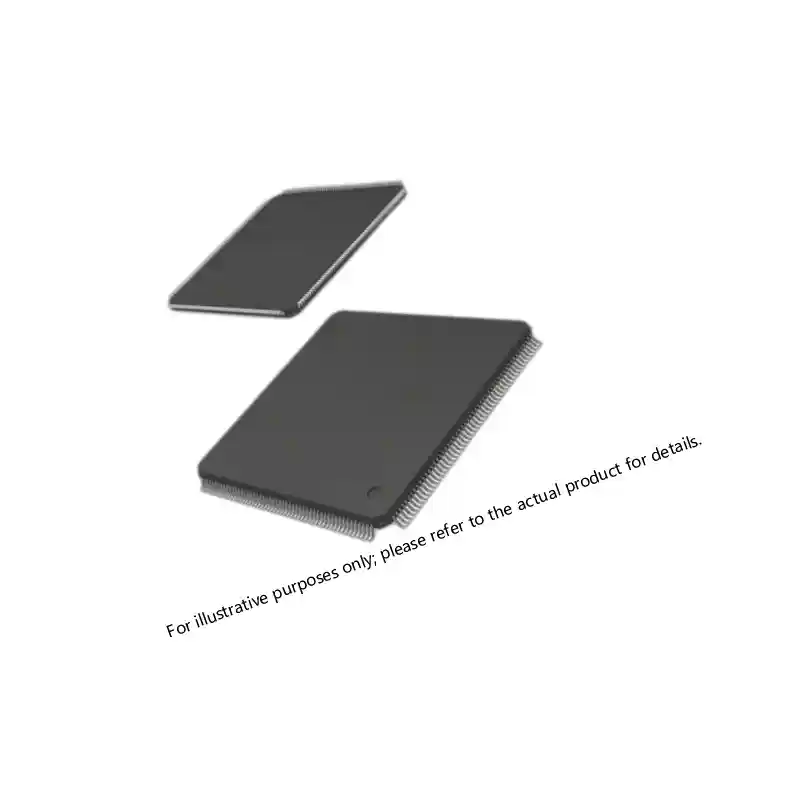
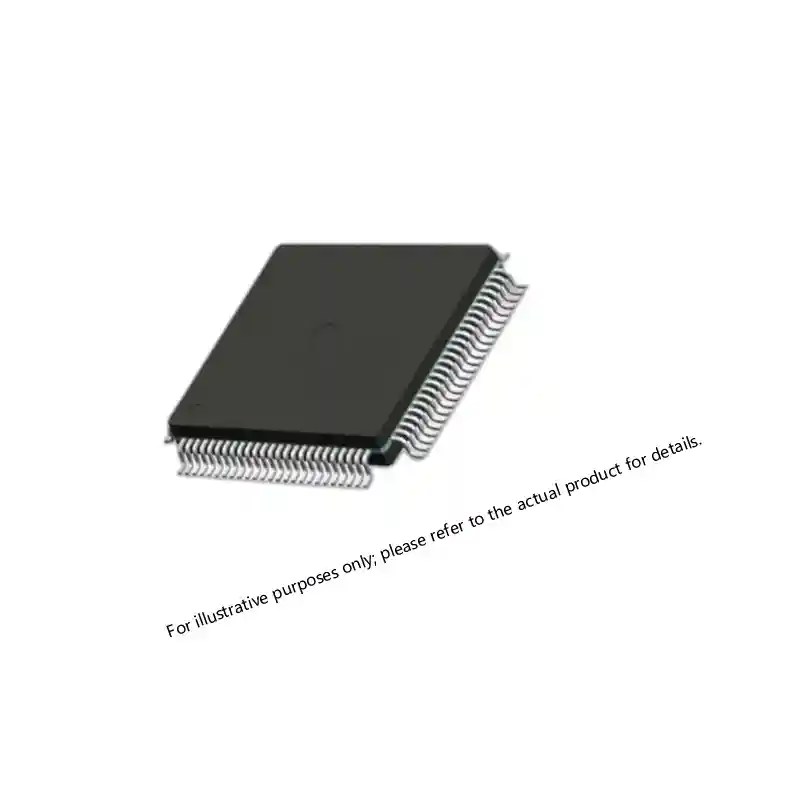
The logic cell count and DSP slice allocation provide substantial computational headroom for parallel processing tasks. The 24 RocketIO transceivers handle high-speed serial connectivity for modern data links. The “-1 Speed” designation indicates the device’s timing characteristics, which designers must factor into their analyses to confirm the device meets required clock frequencies and propagation delays. Power consumption varies with utilization and clock rates, a consideration for systems with constrained power budgets. The EF1738I packaging option defines the form factor and pin count, influencing board layout and thermal management strategies.
Why QML Certification Changes the Reliability Equation
QML, or Qualified Manufacturers List, certification assures the highest level of quality and reliability for electronic components used in military and aerospace applications. For FPGAs, QML certification means the device has undergone extensive testing and screening beyond commercial-grade components, adhering to MIL-PRF-38535 standards. This includes qualification of the manufacturing facility, the design, and the specific part type. The process verifies performance across extreme temperature ranges, resistance to radiation effects, and mechanical integrity under severe vibration and shock.
On a satellite communication payload project, we observed that the QML screening process, which included 100% burn-in and Group A, B, and C testing, significantly reduced the early-life failure rate compared to commercial equivalents. The meticulous approach resulted in a projected mean time between failures that met the program’s 20-year operational life requirement, avoiding costly in-orbit failures. This level of scrutiny directly impacts mission readiness and system longevity.
Where the XQ5VFX130T Fits in Defense System Architectures
The XQ5VFX130T suits high-reliability aerospace and defense applications where performance, radiation tolerance, and extended temperature operation are required. Typical deployment scenarios include radar processing, secure communications, electronic warfare systems, and space-borne computing platforms.
For system-on-chip integration, designers must account for the device’s interfaces, power management, and thermal dissipation characteristics. Radiation-hardened features protect against single-event upsets and total ionizing dose effects, which are critical in space environments. Board layout requires attention to signal integrity for high-speed RocketIO transceivers and robust power delivery networks.
If your program involves extended operational lifespans or harsh deployment environments, discussing radiation tolerance margins and thermal derating early in the design phase prevents costly redesign later.
How to Verify Authenticity and Maintain Supply Chain Integrity
Sourcing authentic, traceable, and compliant military-grade FPGAs presents a persistent challenge within the defense supply chain. Counterfeit components pose a real risk, potentially compromising system performance and mission success.
Mitigating these risks requires stringent procurement practices. Purchasing exclusively from authorized distributors or trusted partners eliminates most exposure. Component traceability, documenting the component’s origin, manufacturing lot, and handling history, is non-negotiable for defense programs. ITAR compliance and other defense procurement regulations must be maintained throughout the supply chain.
Multi-layered verification protocols provide additional assurance. Visual inspection catches obvious physical anomalies. Electrical testing confirms performance against datasheet specifications. De-capsulation analysis, when warranted, verifies die markings and construction match the manufacturer’s records. These steps confirm every Xilinx FPGA supplied is genuine and meets its specified performance.
Planning for Decades of Program Support
Defense programs often have lifecycles extending decades, far outlasting the typical production cycles of electronic components. This reality demands proactive obsolescence management and strategic sourcing for military-grade FPGAs.
Long-term availability requires careful planning. Monitoring manufacturer roadmaps identifies end-of-life announcements before they create supply gaps. Last-time-buy opportunities allow programs to secure sufficient inventory for projected needs. When original components become unavailable, identifying suitable alternatives and facilitating re-qualification processes maintains operational continuity.
Strategic inventory positioning helps buffer against supply disruptions. Anticipating component supply challenges well in advance protects the operational continuity of defense platforms.
Frequently Asked Questions
What does the “-1 Speed” designation mean for the XQ5VFX130T?
The “-1 Speed” designation indicates the slowest speed grade available for the QML Virtex-5 FXT 130T. This affects maximum operating frequency and timing margins. Engineers must verify this speed grade meets their specific timing requirements during design validation, particularly for high-frequency clock domains and critical timing paths.
Are there alternative QML FPGAs if the XQ5VFX130T-1EF1738I becomes obsolete?
Direct drop-in replacements for QML-qualified FPGAs are rare due to the specific combination of architecture, pinout, and qualification status. Obsolescence planning typically involves last-time-buy strategies, identifying functionally similar devices that require design modification, or qualifying newer generation parts. Starting this process early, ideally years before end-of-life, provides the most options.
How can I verify the authenticity of a XQ5VFX130T-1EF1738I component?
Verification starts with procurement source. Authorized distributors and trusted partners provide full traceability documentation and manufacturer certifications. Physical inspection checks package markings, date codes, and construction quality against known-good references. Electrical testing confirms the device meets datasheet specifications. For high-risk situations, independent laboratory analysis including X-ray imaging and de-capsulation provides definitive verification.
What are the typical lead times for QML Virtex-5 FXT 130T components?
Lead times for QML-qualified FPGAs vary significantly based on manufacturing schedules and testing queues. Standard lead times can extend to 26 weeks or longer. Distributors maintaining strategic inventory or holding allocation with manufacturers can often provide shorter delivery windows. For program planning purposes, confirming current lead times directly with your supply chain partner avoids schedule surprises. To discuss availability for your specific program timeline, contact us at xuansc2144@gmail.com.
If you’re interested, check out these related articles:
XCKU085 UltraScale FPGA: Performance for Critical Systems
XC7VX485T FPGA: Virtex-7 Performance for Defense