MIL-SPEC Op Amp Guide: Sourcing from Analog Devices
Military operational amplifiers from Analog Devices are the foundation of defense signal conditioning, from radar receiver front-ends to missile guidance control loops. Selecting the right ADI MIL-SPEC op amp is only the first step; procurement teams face a more complex challenge: verifying compliance documentation, ensuring lot-level traceability, and securing stable supply in a constrained market. Our experience supporting defense programs has shown that the difference between a successful deployment and a line-down delay often hinges on how well the sourcing strategy is managed—not just the part number chosen. This guide covers the key performance parameters, qualification levels, and practical sourcing practices that defense buyers need when procuring Analog Devices military-grade op amps.
Key Parameters for Selecting Military Op Amps
The first decision point in military op amp procurement is understanding which electrical and environmental specifications matter for the target system. While commercial op amp selection typically prioritizes cost and ease of use, defense-grade requirements demand a broader view that includes reliability under temperature extremes, radiation exposure, and long-term parametric stability.
The table below compares typical commercial versus MIL-SPEC performance targets for a general-purpose operational amplifier. These are not universal values but reflect the thresholds that most defense program specifications reference.
| Parameter | Commercial Op Amp | MIL-SPEC Op Amp Requirement |
|---|---|---|
| Gain-bandwidth product | 1–10 MHz typical | 1 MHz minimum; often 5–10 MHz for wideband applications |
| Slew rate | 0.5–5 V/µs | 2–20 V/µs depending on signal bandwidth |
| Input offset voltage | 0.5–5 mV | ≤0.5 mV after screening; better for precision circuits |
| Input bias current | 1–100 nA | ≤50 nA; JFET inputs for high-impedance sensors |
| Common-mode rejection ratio (CMRR) | 80–100 dB | ≥100 dB across full military temperature range |
| Power supply rejection ratio (PSRR) | 80–100 dB | ≥100 dB |
| Voltage noise density | 10–30 nV/√Hz | <10 nV/√Hz for low-noise signal chains |
| Operating temperature range | 0°C to 70°C or –40°C to +85°C | –55°C to +125°C standard; extended for cryogenic or high‑temp applications |
| Radiation tolerance | Not specified | TID tolerance 100–300 krad(Si) for space-grade; SEE immunity for digital control rails |
For signal chains that involve high-speed differential signaling, the ADI AD829SQ/883B, a /883B-qualified video op amp, illustrates how specifications tighten under military screening: its 120 MHz gain-bandwidth and fast settling are maintained over the full mil temperature range after 100% burn‑in and hermetic testing.
Beyond these parameters, the power supply voltage range must be verified against the system bus. Many analog signal chains operate from ±15 V rails, but newer low-power designs often require single-supply operation from 3.3 V or 5 V, which may limit the pool of available mil‑spec devices. Whenever the operating voltage is non‑standard, checking ADI’s product roadmaps early is essential to avoid designing around a part that will be discontinued.
Understanding MIL-SPEC Qualification Levels for Analog Devices Op Amps
Military qualification is not a single label but a tiered system that determines how a component is screened and the level of documentation provided. For Analog Devices op amps, the most commonly referenced levels are:
/883 screening – Components are screened by the manufacturer to MIL-STD-883, typically Class B, which includes 100% burn‑in, temperature cycling, and visual inspection. This flow is widely accepted for ground‑based and naval systems. Part numbers ending in /883 or /883B, such as AD829SQ/883B, indicate this level.
JAN, JANTX, JANTXV, JANS – These are Joint Army-Navy qualification designations defined under MIL-PRF-38535. They require manufacturing on a certified QML line and 100% screening per the product’s Standard Microcircuit Drawing (SMD). JANS is the highest reliability grade, intended for space and strategic missile applications. For ADI op amps with JAN marks, the part number will typically start with 5962-.
QML – The Qualified Manufacturers List system under MIL-PRF-38535 allows ADI to self‑certify certain product families once the manufacturing line has been qualified. QML‑certified devices meet the same reliability levels as JAN but with a streamlined documentation process.
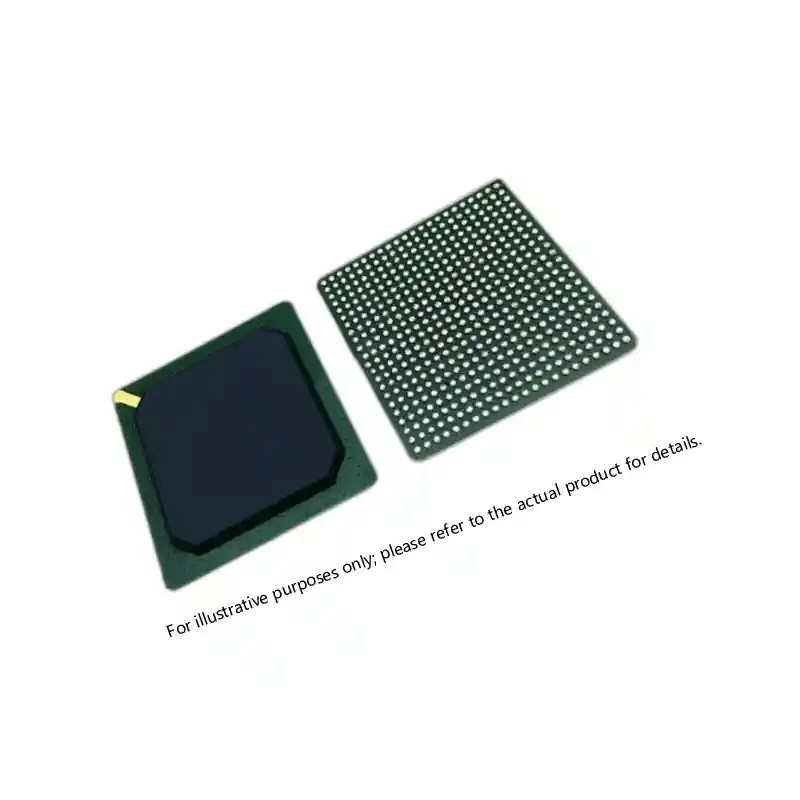
In practice, defense programs often call for a specific SMD number that maps to an ADI die. If the program specification allows /883 screening, sourcing from ADI’s standard product catalog can be fast. However, if the drawing demands QML Class Q or V, the part may be exclusive to ADI’s military business unit with longer lead times and minimum order quantities. One procurement mistake we see frequently is assuming that a standard ADI part with “–55°C to +125°C” marking is automatically MIL-SPEC qualified. The temperature range alone does not guarantee the component has passed the full screening flow required by the contract. Always verify the exact screening level with the supplier before committing.
Verifying Authenticity and Traceability of Military Op Amps
Counterfeit op amps—especially older, discontinued ADI models—remain a persistent risk in the defense supply chain. Since many mil-spec op amps have been in production for decades, gray-market brokers often offer parts that appear new but carry no manufacturer certification. In my experience, the most effective safeguard is to demand lot traceability back to the Analog Devices wafer fab and package assembly site. A valid Certificate of Conformance (C of C) from the supply chain must include the ADI lot code, date code, and package marking, all traceable to ADI’s internal shipment records. For more detail, see the Counterfeit Military Components guide.
At Sparkle, our incoming inspection process includes a visual check of package marking against the ADI product data sheet, followed by lot verification with ADI’s authorized distribution channels. When the original ADI lot number cannot be confirmed, we reject the lot entirely. For critical programs, we recommend that the customer request AD9467‑style source‑control documentation, including the original ADI packing list and third‑party test data if the part has been stored for extended periods.
Documentation requirements have tightened under AS6081, the SAE standard for counterfeit parts avoidance. Many defense primes now require that independent distributors demonstrate a documented chain of custody for every mil‑spec op amp shipped. That means the COC alone is insufficient—the supplier must retain purchase records from the authorized ADI source, along with storage condition logs if the parts were held for more than a year.
Sourcing ADI Military Op Amps: Lead Times and Procurement Strategies
Lead times for Analog Devices mil-spec op amps have been inconsistent in recent years. Devices that are actively manufactured on QML lines may have 16–22 weeks lead time, but for older /883-screened parts that rely on die bank inventory, the wait can exceed 30 weeks. When ADI issues a last‑time buy (LTB) notice for a popular op amp like the AD660SQ, the only viable strategy is to secure a multi‑year supply through authorized distribution or negotiate a die bank agreement with ADI. The Long Lead Time Military Components article covers additional mitigation tactics.
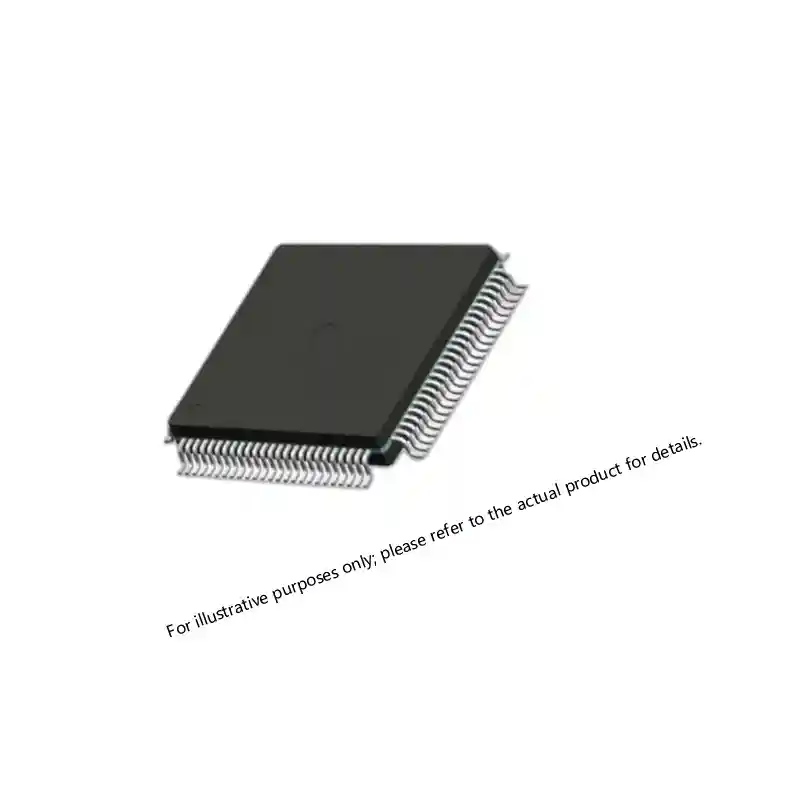
The shift toward die‑level procurement is becoming more common for programs with 15‑year‑plus sustainment requirements. By purchasing verified ADI wafers or die, contractors can arrange packaging and screening at a trusted external facility. This approach shifts the supply chain risk but requires that the program maintain a certified die bank and an approved packaging house. Small contractors without that infrastructure are better served by partnering with a distributor that holds inspected stock and can coordinate screening with a qualified lab.
A related challenge is part number migration. ADI periodically consolidates product lines, and the original military drawing number may be superseded by a newer commercial‑grade die that meets the same SMD. Before placing a large order, confirm with ADI whether the preferred part number has a formal Product Change Notice (PCN) and whether the replacement is pin‑compatible and already MIL‑spec qualified. Without that step, you risk receiving a functionally equivalent but undocumented device that fails an inspection audit.
Selecting a Reliable Military Op Amp Distributor
Distributor selection for mil-spec op amps goes beyond checking inventory availability. Defense contractors should evaluate whether the supplier holds AS9120 or AS6081 certification, has the capability to perform in-house visual inspection to MIL-STD-883 Method 2009, and can provide full lot traceability documentation. The AS6081 and AS9120 article outlines the differences between these certifications.
A second factor is the distributor’s relationship with ADI and other analog semiconductor manufacturers. Authorized distribution provides the strongest guarantee of authenticity, but it may also mean limited access to last‑time buy inventory. Independent distributors, by contrast, can source from a wider network but must demonstrate rigorous inspection and traceability protocols. In our work at Sparkle, we maintain a verification database that links every ADI mil‑spec op amp lot to its original authorized transaction, so customers receive the same assurance regardless of the sourcing channel.
The final evaluation point is transparency during the RFQ stage. A trustworthy supplier provides lead time estimates that reflect actual ADI factory backlog, not optimistic assumptions. They also disclose if the offered lot has been stored for more than 12 months, because extended storage can affect solderability and require re‑testing. Defense procurement teams should include a shelf‑life and recertification clause in the purchase agreement, especially for high‑temperature packaged op amps.
If your program depends on Analog Devices mil-spec op amps and current supply is uncertain, we can help verify available stock and documentation. Share your part numbers and target quantities at xuansc2144@gmail.com for a supply assessment.
Common Questions About Military Op Amp Procurement
What is the difference between /883 and JAN qualification for Analog Devices op amps?
/883 screening is a manufacturer‑driven process that tests the component to MIL-STD-883 requirements, with 100% burn‑in and temperature cycling. JAN qualification goes further: it requires manufacturing on a QML-certified line under government oversight, with lot traceability to the wafer fabrication facility. For ADI op amps, a JAN designation means the device meets a specific SMD and has passed additional electrical tests beyond the /883 flow. In practice, many ground‑based programs accept /883‑screened parts, while space and strategic systems demand JAN or JANS.
How can I confirm that an ADI mil-spec op amp from an independent distributor is genuine?
Request a lot‑specific Certificate of Conformance that includes the ADI lot code and date code, then verify with ADI’s product support whether the lot was shipped to an authorized distribution partner matching the claimed chain of custody. Additionally, ask for the original packing list and, if storage exceeds one year, recertification test data. Any supplier that cannot provide these documents within 48 hours should be treated with caution.
Why are lead times for certain ADI op amps so long, and what can I do about it?
Lead times extend when a part is discontinued at wafer level but still screened for existing defense contracts, or when ADI’s military packaging line has limited capacity. To mitigate, consider placing a forecast order on a supplier that maintains buffer stock, or explore a die‑banking arrangement with ADI. When the op amp is critical to a long‑running program, initiating a die procurement early and arranging external screening can decouple the timeline from ADI’s factory constraints.
What documentation should I receive with every shipment of mil-spec op amps?
Each shipment should include a Certificate of Conformance with the ADI lot code, package marking drawing, and a statement of screening level (e.g., /883B, JANTXV). For JAN‑qualified devices, the government inspection lot number is also required. Additionally, any unused lot that has been stored beyond 12 months should be accompanied by a recertification report showing no degradation in solderability or electrical performance. If your program faces compliance gaps in existing documentation, share your BOM with us at xuansc2144@gmail.com, and we can help identify the correct paperwork and testing path.
If you’re interested, check out these related articles:
Virtex-7 XC7VX690T: Performance, Reliability, and Integration
A1020B-PG84B ACT2 FPGA: Specs, Sourcing, and Availability
Virtex-7 690T FPGA: Performance for Mission-Critical Systems
Virtex-7 690T FPGA: Performance, Packaging, and Reliability Insights
XC7VX485T Virtex-7 FPGA: Performance and Sourcing for Defense