MIL-SPEC Component Cost: Key Factors That Influence Prices
Table of Contents
- Why Are MIL-SPEC Components More Expensive Than Commercial Parts?
- What certifications drive up MIL-SPEC component cost?
- How does screening level affect the price of military-grade ICs?
- What Hidden Costs Drive MIL-SPEC Component Procurement?
- Why is traceability documentation so expensive?
- What are the costs of counterfeit component mitigation?
- Can a Trusted Distributor Lower MIL-SPEC Component Cost?
- How does supplier verification reduce program risk?
- Is a certified distributor more expensive than a broker?
- How Do Lead Times and Obsolescence Affect Component Budgeting?
- Steps to Get an Accurate BOM Quote for MIL-SPEC Components
- Common Questions About MIL-SPEC Component Costs
- Are MIL-SPEC components always more expensive than industrial equivalents?
- How much more does a QML-certified part cost than a standard MIL-STD-883 part?
- Can I use a broker to get lower MIL-SPEC component prices?
- What is the best way to budget for MIL-SPEC component cost variability?
- Does Sparkle Electronics offer competitive pricing on MIL-SPEC FPGAs and ADCs?
When defense program managers review a bill of materials populated with MIL-SPEC electronic components, the initial per-unit cost often appears disproportionately high compared to commercial or industrial alternatives. This reaction is understandable. However, unit price alone is a poor indicator of what you will actually spend to get compliant, traceable devices onto the production floor. From my twelve years managing sourcing for aerospace and defense programs, I have learned that the true cost of a MIL-SPEC part includes the price of risk mitigation, documentation completeness, and supplier accountability, elements that are invisible on a line-item quote but materialize as delay penalties, requalification charges, and re-procurement costs when ignored. This article explains the primary factors that shape MIL-SPEC component pricing and how a well-structured procurement strategy reduces total program expenditure.
Why Are MIL-SPEC Components More Expensive Than Commercial Parts?
The price difference between a MIL-SPEC IC and its commercial counterpart is not arbitrary. It reflects the cumulative cost of producing a device that will perform reliably across extreme temperatures, vibration, and shock while maintaining documented traceability back to the wafer lot. Three key elements drive the premium: qualification and screening, material and packaging, and compliance documentation.
What certifications drive up MIL-SPEC component cost?
Certifications such as QML (Qualified Manufacturer Listing) and JANTX/JANTXV are among the most significant cost drivers. A QML device carries the manufacturer’s commitment to continuous process monitoring and periodic requalification testing, costs that are amortized over a smaller production volume than commercial parts. In my experience, the price premium for a QML-qualified FPGA or ADC can range from 30% to over 100% compared to a standard military temperature range device, depending on complexity and die size. This premium, however, eliminates the need for source-controlled drawing reviews and reduces incoming inspection overhead.
How does screening level affect the price of military-grade ICs?
Screening per MIL-STD-883 or MIL-PRF-38535 adds multiple test insertion points—burn-in, centrifuge, fine leak, PIND test for cavities—each requiring dedicated equipment and extending manufacturing cycle time. A product that goes through Class B screening already costs more than a commercial version; moving to Class S for space applications can double the per-unit cost again. The table below illustrates how screening level influences price for a typical hermetic IC.
| Screening Level | Typical Cost Multiplier | Key Tests Added | Typical Application |
|---|---|---|---|
| Commercial | 1.0x | Room-temp functional test only | Consumer electronics |
| Industrial (-40°C to +85°C) | 1.5-2.0x | Extended temp test | Industrial controls |
| Military (-55°C to +125°C) | 2.5-5.0x | Temp cycling, burn-in, hermetic seal | Ground vehicles, avionics |
| MIL-STD-883 Class B | 4.0-8.0x | Full screening + radiographic, PIND | Missiles, tactical systems |
| MIL-PRF-38535 Class S | 8.0-15.0x | All Class B plus wafer lot acceptance, extreme lot controls | Space, strategic systems |
These multipliers are not linear because each additional test batch adds labor and equipment cost, and yield losses at later stages drive up the price of qualifying units.
What Hidden Costs Drive MIL-SPEC Component Procurement?
Beyond the component’s unit price, defense programs face several layers of hidden cost that are easy to overlook during initial budgeting. The two most consequential are the administrative burden of documentation and the financial exposure of counterfeit avoidance.
Why is traceability documentation so expensive?
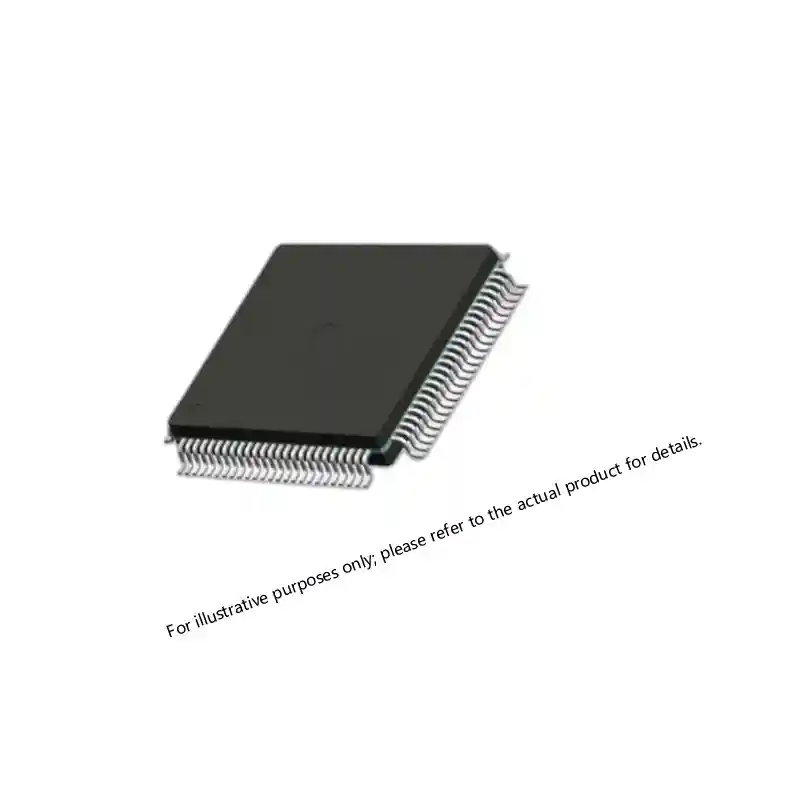
Every MIL-SPEC part shipment must be accompanied by a Certificate of Conformance (C of C), test reports, and often a full manufacturer traceability paper trail. For programs subject to DFARS or ITAR, the documentation package can run to dozens of pages per line item. I have seen programs where the man-hours spent reviewing and archiving paperwork exceeded the procurement cost of the components themselves, particularly for mixed BOMs containing hundreds of different part numbers. Without a disciplined approach—such as working with a distributor that consolidates and vets documentation upfront—these administrative costs add 5% to 10% to the effective per-part price.
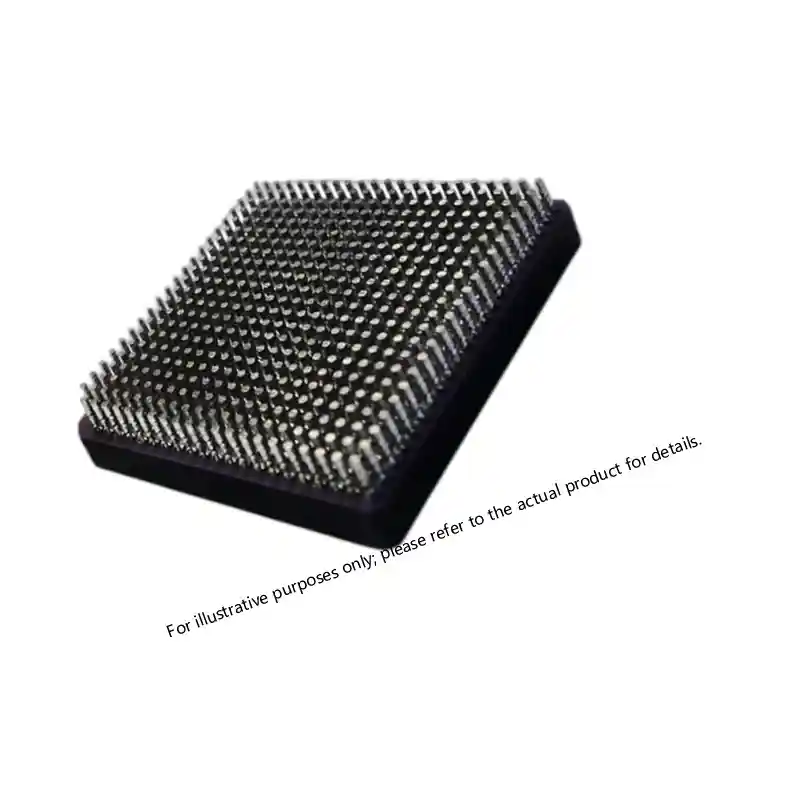
On a related note, if your program involves a large number of line items or part numbers that require varied documentation, it is worth confirming the distributor’s ability to provide a single, verified package before finalizing your BOM—reach out at xuansc2144@gmail.com.
What are the costs of counterfeit component mitigation?
Counterfeit ICs in the defense supply chain are not a hypothetical risk. Since 2010, the number of reported incidents has grown steadily, and the Department of Defense has responded with regulations like DFARS 252.246-7007 and the creation of the GIDEP database. When a counterfeit device enters the assembly line, the direct costs include removal, failure analysis, and replacement. The indirect costs are worse: program delays, possible field failures, and loss of trust with contracting officers. I recall a case where a small set of power transistors purchased through an uncertified broker turned out to be relabeled commercial parts. The program spent three weeks and over $40,000 on investigation, re-procurement, and assembly rework—an amount far exceeding the few hundred dollars saved on the initial purchase. Mitigating this risk through accredited sourcing adds perhaps 3% to 5% to the procurement budget, but it is an insurance premium that pays for itself many times over.
Can a Trusted Distributor Lower MIL-SPEC Component Cost?
Working with a qualified, trustworthy distributor does not merely reduce the probability of a catastrophic failure; it can lower your total cost of ownership in measurable ways. The unit price from a certified distributor may be 5% to 15% higher than a broker’s quote, but the downstream savings in quality assurance, documentation management, and supply continuity frequently outweigh that margin.
How does supplier verification reduce program risk?
A distributor holding AS9120 and AS6081 certifications is audited for counterfeit avoidance procedures, employee training, and full-chain traceability. When you buy from such a source, you receive components that have already passed visual inspection, electrical verification where applicable, and careful documentation checks. Our team at Sparkle Electronics maintains a verification program that includes x-ray, decapsulation spot checks, and lot code tracing back to the original manufacturer. This level of scrutiny eliminates the need for duplicate incoming inspection at the end-user’s facility, saving both time and lab fees.
Is a certified distributor more expensive than a broker?
The short answer is yes on the invoice, no on the balance sheet. The table below compares the typical cost structure between a certified distributor and a non-certified broker for a batch of 100 MIL-SPEC linear regulators. While the broker appears cheaper on the line item, the hidden costs of verification and risk push the effective per-unit cost far higher.
| Cost Element | Certified Distributor | Uncertified Broker |
|---|---|---|
| Unit price (per piece) | $45.00 | $38.00 |
| Incoming inspection (per batch) | $0 (included) | $2,500 |
| Documentation verification labor | $0 | $1,200 |
| Risk premium (counterfeit/neligible) | $0 | Statistical reserve ~$4,500 |
| Total effective cost per 100 units | $4,500 | $8,500 |
The broker price initially looks 15% lower, but after accounting for your own verification costs and a conservative risk reserve, the total expenditure is 89% higher. Programs that skip the risk reserve still face the potential of a single counterfeit incident that could alone exceed tens of thousands of dollars. In defense procurement, the cheapest upfront option is rarely the most economical long-term choice.
How Do Lead Times and Obsolescence Affect Component Budgeting?
Another cost dimension that procurement teams must model is the time-to-delivery and the program’s ability to absorb obsolescence. MIL-SPEC components often have lead times of 20 to 52 weeks, and some specialized die-level devices can extend beyond 18 months. Extended lead times introduce schedule risk: if a critical FPGA or ADC is late, the program may need to pay expediting fees or accept temporary stopgap designs that incur requalification costs later. I recommend building a 15% schedule buffer and maintaining a small strategic inventory of long-lead items—especially FPGAs, DSPs, and ADCs that are known to have volatile availability. Sparkle Electronics regularly holds stock of commonly requested MIL-SPEC FPGAs and ADCs, and we can provide lead time projections for most 5962-series and QML part numbers.
Obsolescence planning is equally critical. When a manufacturer issues a last-time buy (LTB) notice, the program must commit funds for the entire remaining build quantity, often at once. This creates a capital outlay that can strain budgets if not anticipated. Working with a distributor that can forecast EOL notifications and help structure die bank agreements can spread the cost over multiple fiscal years, making LTB budgeting more manageable.
Steps to Get an Accurate BOM Quote for MIL-SPEC Components
Translating a bill of materials into a realistic cost projection requires more than sending a list of part numbers to three suppliers. To receive a quote that reflects genuine market availability and includes all compliance costs, follow these steps:
- Annotate each line item with required documentation: identify whether the part needs a C of C, full lot traceability, or specific test reports. Supply chain managers should communicate this upfront rather than negotiating after the fact.
- Specify allowed manufacturers and authorized sources: indicate whether alternates are acceptable and if the design requires the original manufacturer listed in the drawing. This affects pricing because sole-source items often command a premium.
- Request lead time and stocking availability separately: many quotes show price but not realistic delivery dates. Ask for two columns—current stock and factory lead time—to avoid surprise delays.
- Include compliance requirements like DFARS, ITAR restrictions: if the program is subject to the Berry Amendment or specific security clauses, the quote must reflect the additional cost of domestic-only supply chains or encrypted documentation transfer.
- Send the annotated BOM to a partner that understands defense logistics: a distributor that primarily serves commercial markets may misunderstand the compliance stack. At Sparkle Electronics, we specialize in defense-grade electronics and can return a comprehensive quote that covers unit pricing, compliance costs, and lead time forecasts within 24 hours. Email your BOM to xuansc2144@gmail.com.
Common Questions About MIL-SPEC Component Costs
Are MIL-SPEC components always more expensive than industrial equivalents?
Yes, the price will be higher because of the mandatory testing, documentation, and traceability. However, I consider the cost of a properly sourced MIL-SPEC part as an investment in program integrity. Industrial parts used in defense systems without adequate up-screening have caused failures that cost orders of magnitude more to remediate than the initial purchase difference.
How much more does a QML-certified part cost than a standard MIL-STD-883 part?
The premium varies. For simple logic gates, a QML version might cost 10% to 20% more than an equivalent MIL-STD-883 product. For complex FPGAs or high-speed ADCs, the difference can be 50% to 100% due to the extensive wafer-level testing and process monitoring that QML certification demands. The premium is partially offset by the reduced need for incoming lot testing, which can be a wash for large volumes.
Can I use a broker to get lower MIL-SPEC component prices?
You can, but the risk is high. Brokers often cannot provide full traceability or guarantee that a part is not a relabeled commercial device or reclaimed from e-waste. I have seen too many programs fall into trouble because a “great deal” turned out to be a batch of counterfeits. Using an AS9120/AS6081 certified distributor may cost a bit more per piece, but the peace of mind and the avoidance of re-procurement costs are substantial.
What is the best way to budget for MIL-SPEC component cost variability?
Build your initial budget with a 10% to 15% contingency for market fluctuations, and engage a knowledgeable distributor early in the design phase. Procurement teams often wait until the BOM is finalized, by which time some components may already be on allocation. Early engagement allows you to lock in pricing and availability, and if a part is going to become obsolete, you will have time to plan a last-time buy without rushing.
Does Sparkle Electronics offer competitive pricing on MIL-SPEC FPGAs and ADCs?
Yes. We hold inventory on hundreds of MIL-SPEC part numbers, including FPGAs, ADCs, DACs, and power modules from manufacturers like Xilinx, ADI, TI, Microsemi, and Vicor. Our pricing reflects market conditions without hidden markups for documentation or compliance support. If your program requires a specific device, send the part number and required quantity to xuansc2144@gmail.com and we will provide a quotation that includes all compliance documentation costs upfront.
If you’re interested, check out these related articles:
Virtex-7 XC7VX690T: Performance, Reliability, and Integration
XCKU115 UltraScale FPGA: Powering Critical Defense Systems