AS9100 Electronic Component Standards for Aerospace Systems
Table of Contents
- What Does AS9100 Mean for Electronic Components?
- What Are the Key AS9100 Requirements for Component Procurement?
- How Do You Verify an Electronic Component’s AS9100 Compliance?
- How Does AS9100 Address Supply Chain Traceability and Counterfeit Prevention?
- How Do You Select a Distributor That Meets AS9100 Standards?
- What Are Common Questions About AS9100 and Electronic Components?
- Does AS9100 apply specifically to electronic components, or is it an entire system standard?
- What is the difference between AS9100 and AS9120?
- Can I use commercial off-the-shelf components in an AS9100-certified program?
- What documentation should I expect with an AS9100-compliant component shipment?
- How often should a distributor be audited for AS9100 compliance?
For defense and aerospace procurement teams, ensuring electronic components meet the rigorous demands of AS9100 is not a compliance checkbox. It is a foundational requirement for mission success. AS9100 electronic component standards extend far beyond commercial quality management systems, mandating detailed traceability, counterfeit prevention, and configuration control that directly shape long-term program reliability. In twelve years of sourcing military-grade ICs, I have watched programs with robust AS9100-aligned procurement processes avoid the supply chain breakdowns and early-life failures that consistently hit teams relying on unvetted distribution channels. This article walks you through the key standards, the verification methods that procurement engineers actually use, and the sourcing practices that ensure every part entering your program meets aerospace-grade expectations.
What Does AS9100 Mean for Electronic Components?
AS9100 is the quality management standard developed specifically for the aerospace industry. It incorporates all of ISO 9001 and adds nearly 100 supplementary requirements covering product safety, risk management, and supply chain control. For electronic components, the standard shifts the conversation from “does the part work” to “can you prove it has always been handled correctly, from wafer to shipping dock.”
The standard treats every component as a potential safety-of-flight item. That means the documentation supporting a single FPGA, ADC, or MIL-PRF capacitor carries as much weight as the device itself. In my work with defense contractors, we have rejected entire lots of parts that passed electrical testing with perfect margins but arrived with incomplete or inconsistent paperwork. AS9100 requires that the paper trail is as robust as the hardware. Without it, the component is unacceptable, regardless of test results.
What Are the Key AS9100 Requirements for Component Procurement?
When you are buying electronic components for an AS9100-governed program, a handful of specific requirements define every purchase order. The table below contrasts these with the practices typical in commercial procurement.
| AS9100 Requirement | What It Means for Component Procurement | Commercial Practice |
|---|---|---|
| Supplier Approval and Monitoring | Distributors must be audited and re-evaluated regularly against documented criteria. | Ad-hoc supplier selection with minimal ongoing monitoring. |
| First Article Inspection (AS9102) | The first article from a new production lot must undergo a full physical and documentation review before acceptance. | First piece checks are often informal or skipped. |
| Certificate of Conformance | Every shipment must include a C of C that links the parts to the manufacturer’s original certification, lot codes, and date codes. | Packing slip may substitute; no formal C of C required. |
| Traceability to OEM | Components must be traceable back to the original component manufacturer through an unbroken chain of custody. | Gray-market sourcing with incomplete chain of custody is common. |
| Counterfeit Prevention | Risk-based controls including supply chain mapping, authorized distribution channels, and documented inspection procedures. | No formal counterfeit prevention framework; visual inspection only. |
| Configuration Management | Part number, revision, and specification changes must be documented and approved before implementation. | Engineering changes may occur without full documentation. |
These requirements are not optional add-ons. Every audit of a compliant procurement system will request evidence for each of these elements. Sparkle Electronics maintains a supplier qualification process that mirrors these AS9100 requirements, so your purchasing team does not start from a blank procedure document.
How Do You Verify an Electronic Component’s AS9100 Compliance?
Verification begins before the parts arrive. Start by confirming that the distributor operates under a quality management system certified to AS9120, which is the distribution-specific derivative of AS9100. Require a copy of the current certificate and check the certifying body’s accreditation.
For the components themselves, the first line of defense is the Certificate of Conformance. I require our team to cross-check every C of C against the manufacturer’s original COC or test reports. A C of C that simply restates the part number and date code without linking to a specific manufacturer lot is insufficient. The traceability chain must be complete. If the distributor cannot provide a direct link to the original component manufacturer for every line item, the shipment fails the AS9100 documentation test.
At incoming inspection, verify that part markings, date codes, and packaging match the documentation exactly. We also perform visual inspection under magnification on a sample basis for high-risk parts, looking for sanding marks, inconsistent plating, or any sign of remarking. 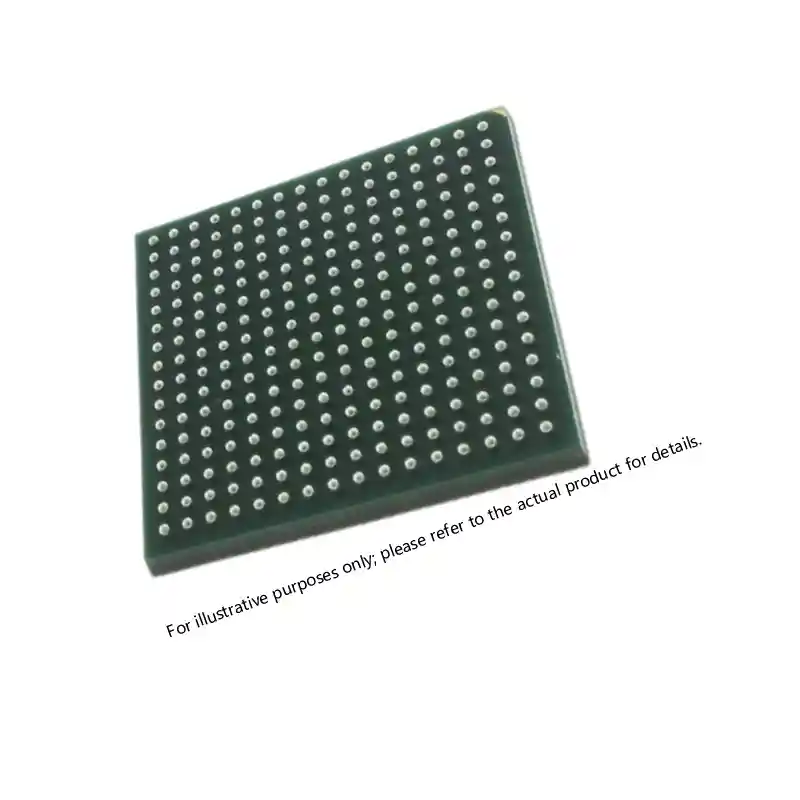
If your program involves high-mix, low-volume components across multiple lot codes, manually verifying every purchase order’s documentation is a real bottleneck. Reach out at xuansc2144@gmail.com to discuss how our pre-verified documentation packages can reduce your incoming inspection workload without compromising AS9100 compliance.
How Does AS9100 Address Supply Chain Traceability and Counterfeit Prevention?
Traceability is the engine of counterfeit prevention within AS9100. The standard requires that the distributor can demonstrate an unbroken chain of custody from the original component manufacturer to your receiving dock. For electronic components, this chain typically includes the wafer fab, assembly and test house, authorized distributor, and any intermediate stock points. Every handoff must be documented.
In my experience, the single most common entry point for counterfeit parts is the unauthorized independent distributor who cannot produce the full chain of custody. When a broker offers a part at 20% below market price but cannot name the original manufacturer or show the custody trail, the risk is unmanageable. AS9100 mandates that you walk away from such offers unless you can independently authenticate the parts through third-party lab testing, which is cost-prohibitive for most programs.
We maintain full traceability records for every military-grade component we ship. From the manufacturer’s lot number and production date code to the shipping documentation, every link in the chain is preserved and available for your audit. 
How Do You Select a Distributor That Meets AS9100 Standards?
Not every distributor claiming to support aerospace programs actually operates under AS9100 or AS9120 discipline. Start your evaluation with the following checklist.
| Selection Criteria | What To Look For |
|---|---|
| Quality Management Certification | Active AS9120 or AS9100 certificate from an accredited body. |
| Documentation Infrastructure | Capability to provide complete certification packages including C of C, traceability records, and test reports with each shipment. |
| Counterfeit Detection Program | Documented inspection procedures, sample-based testing protocols, and access to external test labs when needed. |
| Stock Authenticity | Inventory sourced directly from authorized channels, not the open market. |
| Long-Term Program Support | Ability to hold strategic stock, manage EOL notifications, and support technology refresh cycles. |
When we onboard a new customer, we provide our quality manual, certification documentation, and a sample traceability package so your quality team can audit us before the first purchase order. This transparency is not a sales tactic. It is the minimum standard for working in a supply chain where a single counterfeit microcontroller can ground a fleet. 
What Are Common Questions About AS9100 and Electronic Components?
Does AS9100 apply specifically to electronic components, or is it an entire system standard?
AS9100 applies to the organization’s entire quality management system, but it imposes concrete requirements on how electronic components are procured, received, and handled. Every part flowing into an aerospace system is captured by the standard’s traceability, inspection, and control clauses. If your company is certified to AS9100, your component procurement and incoming inspection processes are squarely within the audit scope.
What is the difference between AS9100 and AS9120?
AS9100 is the standard for design and manufacturing organizations. AS9120 is the equivalent standard for distributors and stockists who do not manufacture or alter the product. If you are buying components from a distributor, AS9120 certification is the appropriate credential to demand. Sparkle Electronics operates under the distribution-specific requirements that mirror the same rigor.
Can I use commercial off-the-shelf components in an AS9100-certified program?
It is possible, but only if the commercial parts are subjected to an approved upscreening process that verifies their suitability for the aerospace application. This process must be documented and traceable. If the commercial component’s manufacturer changes the process without notifying you, the entire lot can be rejected. For mission-critical functions, sourcing a QML or MIL-SPEC device with a known pedigree is almost always the lower-risk path.
What documentation should I expect with an AS9100-compliant component shipment?
At minimum, you should receive a Certificate of Conformance that references the manufacturer’s original certification, lot numbers, date codes, and quantity. Additional documentation may include test reports, a declaration of conformance to the applicable military specification, and chain-of-custody records. If your distributor pushes back on providing the full documentation package before payment, that is a red flag. 
How often should a distributor be audited for AS9100 compliance?
Certification bodies perform surveillance audits annually and recertification audits every three years. In addition, your organization should conduct its own supplier audits on a risk-based schedule, typically annually for critical suppliers. A distributor who resists on-site audits or cannot provide recent auditor findings lacks the transparency a true aerospace partner must have. Share your supplier audit requirements with our team, and we will provide the documentation and access you need to complete your evaluation efficiently.
Sourcing aerospace-grade electronic components that comply with AS9100 standards is not an occasional requirement. For defense and space programs, it is every single order. The margin for error is zero. Sparkle Electronics provides a documented, traceable, and verified supply chain for military-grade components, from FPGAs and high-speed ADCs to power modules and MIL-SPEC passives. Send your bill of materials and program requirements to xuansc2144@gmail.com for a compliance review and quotation. We will verify each line item’s documentation status, lead time, and authenticity, so your team can focus on program execution with confidence.
If you’re interested, check out these related articles:
A1020B-PG84B ACT2 FPGA: Specs, Sourcing, and Availability
Virtex-7 690T FPGA: Performance for Mission-Critical Systems
Virtex-7 XC7VX690T: Performance and Reliability Insights
XC7VX485T FPGA: Virtex-7 Performance for Defense