
Independent Military Component Distributor Evaluation Guide
Table of Contents
- Core Credentials Every Independent Military Component Distributor Must Hold
- Tracing Supply Chain Authenticity Beyond the Certificate on File
- Documentation Practices That Survive a Program Audit
- Testing Evidence and Inspection Reports You Should Require
- Building a Vetted Distributor Partnership That Reduces Program Risk
- Common Questions About Military Component Distributor Evaluation
- How is an independent distributor different from a franchised distributor for military parts?
- What is the single most revealing question to ask an independent distributor?
- Can an independent distributor supply QML-qualified parts with full traceability?
- Should I require destructive testing for every military component order?
- Does using an independent distributor create a compliance risk for DFARS or NDAA Section 889?
Most defense procurement teams have a checklist for evaluating distributors. They confirm the AS9120 cert, verify the ERAI membership, and check a few references. Then they sign a vendor approval form and move on. That approach works until an audit surfaces a traceability gap, or a test report reveals a component that does not match the paperwork. I have spent twelve years managing military-grade component sourcing, and the distributors that pass a genuine evaluation share one trait: their documentation holds up when someone actually pulls on the thread. This article identifies the verification steps that separate credible independent military component distributors from those who look qualified on paper but cannot prove where their parts came from.
Core Credentials Every Independent Military Component Distributor Must Hold
An independent distributor without the right certifications is not worth evaluating further. Three standards matter most at the entry gate.
AS9120 certification tells you the distributor operates a quality management system designed for aerospace and defense supply chains. It covers traceability, handling, storage, and record retention. A distributor claiming “equivalent practices” without the certification has not met the bar. AS6081, the specific standard for independent distribution, addresses risk assessment and counterfeit mitigation in the open market. If a distributor sources from non-franchised channels, this certification is what demonstrates they have a systematic approach rather than a reactive one.
ERAI membership provides a direct feed into industry counterfeit reporting. Distributors who are not members lack visibility into suspect part notifications that affect the exact part numbers you may be ordering. GIDEP participation signals the same awareness from the government side. Neither replaces your own incoming inspection, but a distributor without either is flying blind on counterfeit intelligence.
The third credential is manufacturer authorization depth. An independent distributor will not hold every line card a franchised distributor carries, but they should have documented relationships with specific OEMs or their authorized channels for the part categories they claim to supply. Ask for the authorization letter, not a verbal assurance. If the distributor hesitates, move on.
Tracing Supply Chain Authenticity Beyond the Certificate on File
This is where most evaluations lose rigor. A certificate of conformance in a PDF does not prove a component’s origin. It proves someone printed a certificate. The real evaluation requires following the paper backward.
I ask every prospective distributor three questions on the first call. Where did this specific date code come from? Can you show me the procurement record from that source? And if I audit the chain, will every link match the documentation you are giving me today? Distributors who source primarily from OEM excess programs can usually answer all three. Those operating as brokers passing inventory between trading desks rarely can.
The sourcing channel matters more than the cert. If a distributor acquired parts from an OEM-authorized excess sale, the paperwork will reference the original manufacturer’s transaction record. If they sourced from another distributor or a component exchange, the chain has an extra link that your program needs to know about. For QML-qualified devices and JANTX/JANTXV semiconductors, I require the procurement record to trace directly to a franchised source or a documented OEM surplus event. Parts that entered the supply chain through multiple intermediaries carry provenance risk that no C of C can eliminate.
The difference between a supplier that survives scrutiny and one that does not often boils down to whether they volunteer the procurement methodology or wait for you to ask.
If your program involves 5962-series microcircuits or radiation-tolerant FPGAs with long lead times, confirming the procurement path before committing to a BOM is worth the extra day of due diligence. Reach out at xuansc2144@gmail.com with your part list and we can review what traceability evidence looks like for your specific device types.
Documentation Practices That Survive a Program Audit
Auditors do not read intentions. They read dates, signatures, and chain of custody records. A distributor’s documentation package either stands or it does not. Here is what I look for.
First, the certificate of conformance must reference the original manufacturer’s lot number, not an internally assigned tracking code that obscures the source. If the lot number on the C of C cannot be matched to a manufacturer’s production record, the document has no audit value. Second, the chain of custody must show every entity that handled the parts from the original source to your receiving dock. Gaps in custody records are the most common finding in counterfeit investigations, and they are avoidable. Third, test reports must include the testing laboratory’s accreditation and the specific test standard revision applied. A report that says “tested per MIL-STD-883” without specifying method, condition, and date is incomplete.
| Documentation Element | What a Credible Distributor Provides | Red Flag |
|---|---|---|
| Certificate of Conformance | References OEM lot number, dated, signed | Internally generated code with no OEM cross-reference |
| Chain of Custody | Full custody record, every handler listed | Gaps between original source and distributor |
| Test Reports | Accredited lab, standard revision, specific method | Generic statement with no lab identification |
| Procurement Record | Identifies source type (OEM excess, authorized channel) | Source described only as “supply chain” or “global network” |
| Photos of Markings | High-resolution images of the exact parts being shipped | Stock photos or refusal to provide pre-shipment images |
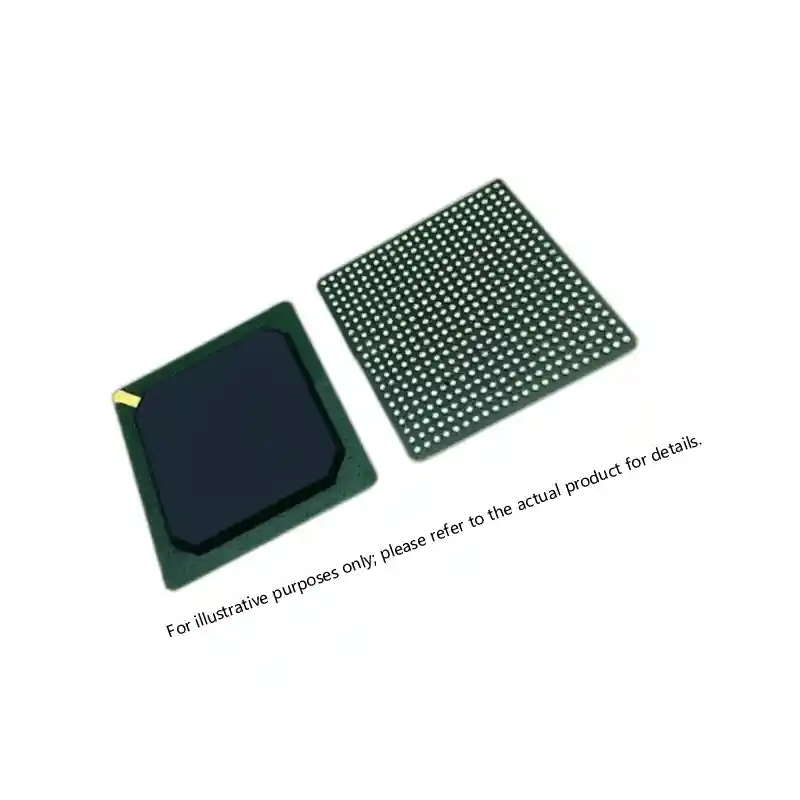
I have seen programs lose months resolving traceability disputes because the distributor’s paperwork looked complete at the surface but could not survive a cross-reference check against manufacturer records. The time to test documentation is before the purchase order, not during a failure analysis.
Testing Evidence and Inspection Reports You Should Require
A distributor’s internal inspection capability separates those who verify from those who resell. The minimum I expect for military-grade components includes incoming visual inspection per IDEA-STD-1010, remarking and resurfacing detection, and electrical verification where the part type warrants it.
Not every distributor operates an in-house lab. That is not automatically disqualifying. But if they outsource testing, the laboratory must be ISO/IEC 17025 accredited and the reports must flow directly from the lab to your team, not filtered through the distributor’s formatting. I have encountered cases where a distributor’s “summary report” omitted test failures that the original lab report documented. Always request the raw report.
For QML and JANTXV devices, the testing requirement shifts. These parts are already screened by the manufacturer, so the distributor’s role is verifying that the markings, packaging, and documentation match the manufacturer’s certification. Destructive testing on QML parts is counterproductive. What you need is external visual inspection, marking permanency verification, and X-ray or XRF where the program risk justifies it. Direct the testing scope to the part’s specific risk profile rather than applying a generic battery of tests.
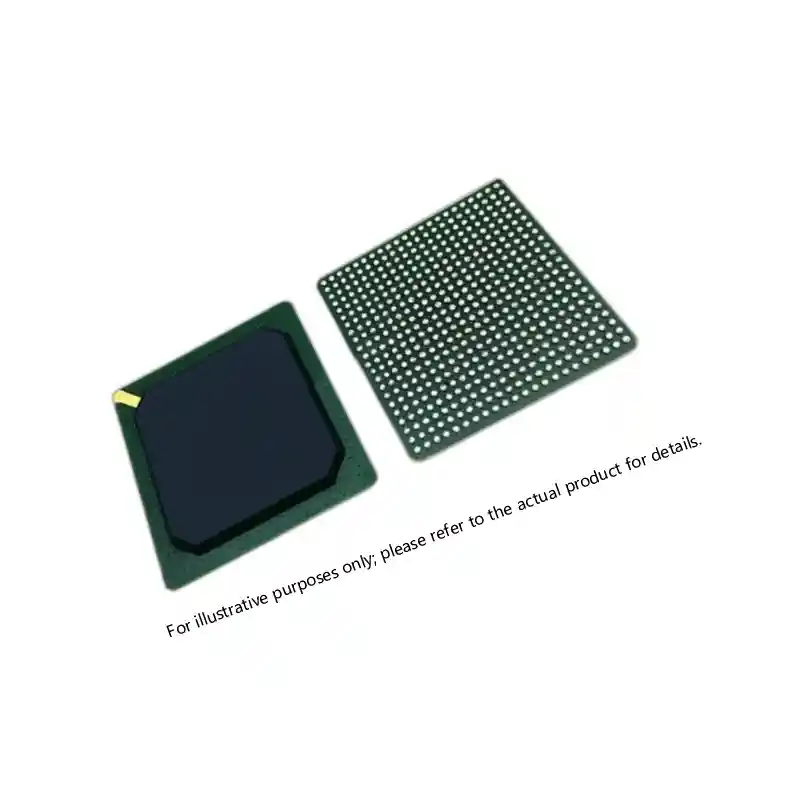
For programs using FPGAs, DSPs, or high-speed data converters where a single suspect part can set back integration by weeks, I recommend requiring photographic documentation of the exact devices before shipment, including date code, lot code, and any package markings that will be cross-referenced during incoming inspection.
Building a Vetted Distributor Partnership That Reduces Program Risk
A qualified distributor becomes more valuable the longer you work with them. Over multiple transactions, you learn their sourcing patterns, their preferred channels for specific part categories, and how they handle exceptions. That institutional knowledge reduces risk in ways no initial audit can replicate.
Start with a trial order on a non-critical BOM line that still requires full documentation. Evaluate the paperwork, the packaging, the lead time accuracy, and the communication quality. If everything holds, expand the relationship to more sensitive part types. A distributor that performs consistently across six months of orders has demonstrated what a single audit cannot: reliability under real program conditions.
The strongest distributor partnerships I have seen involve the distributor understanding the program’s long-term roadmap. When a program faces an obsolescence issue or a last-time buy, a distributor who already knows your approved part types and your documentation requirements can move faster than one starting from scratch. Share your technology refresh timeline and your critical BOM watch list early, and you will learn quickly whether the distributor is a transactional source or a genuine supply chain partner.
Sparkle Electronics supports defense contractors across more than 30 countries with MIL-SPEC, QML, and hi-rel components spanning FPGAs, DSPs, high-speed ADC/DAC, memory, power modules, and passive devices. If your next program requires a distributor who can demonstrate procurement traceability, testing evidence, and audit-ready documentation from the first quote, send your part number and target quantity to xuansc2144@gmail.com. We will respond with sourcing channel detail and lead time confirmation, not a template.
Common Questions About Military Component Distributor Evaluation
How is an independent distributor different from a franchised distributor for military parts?
An independent distributor does not hold a direct franchise agreement with the component manufacturer. They source through OEM excess programs, authorized channel partners, and qualified surplus events. A franchised distributor buys directly from the manufacturer under contract. For active production parts, franchised sources are preferred. For allocated, obsolete, or long-lead devices where franchised stock is unavailable, a properly vetted independent distributor becomes the practical supply path. The key is not the category label but the verifiability of the specific sourcing channel used for your order.
What is the single most revealing question to ask an independent distributor?
Ask for the procurement record of a part they currently have in stock, including the source name and transaction date. A distributor who provides this without hesitation has a transparent supply chain. One who deflects or offers a generic description of their sourcing network probably cannot deliver the traceability your program needs. This question takes thirty seconds to ask and often reveals more than a two-hour audit.
Can an independent distributor supply QML-qualified parts with full traceability?
Yes, if the parts were acquired through documented OEM excess sales or authorized redistribution channels. QML parts carry manufacturer certification that remains valid regardless of the sales channel, provided the chain of custody is unbroken and the parts have been stored and handled correctly. The distributor’s responsibility is to prove the custody chain, not to re-certify the part. Request the procurement record, the OEM certificate, and evidence of proper storage conditions throughout the holding period.
Should I require destructive testing for every military component order?
No. Destructive testing, such as decapsulation or solderability testing, is appropriate for high-risk part types, date codes with known counterfeiting activity, or first-time orders from a new distributor. For repeat orders of known part numbers from a vetted source, external visual inspection and marking verification are usually sufficient. Over-testing burns program budget without proportionally reducing risk. Match the testing scope to the part’s specific counterfeit risk profile rather than applying a uniform standard.
Does using an independent distributor create a compliance risk for DFARS or NDAA Section 889?
Not inherently. Compliance depends on the component’s origin and the distributor’s sourcing practices, not on the distributor’s business classification. An independent distributor sourcing from verified OEM excess or authorized channels can deliver DFARS-compliant parts. The risk arises when the sourcing trail is unclear or when parts from non-compliant sources enter the supply chain. Your evaluation process should verify the sourcing channel for each order, not rely on the distributor’s business model as a proxy for compliance. If your program requires country-of-origin verification on specific part numbers, confirm the distributor can provide it before committing the order. Share your requirements and we will confirm compliance documentation availability for your part list.
If you’re interested, check out these related articles:
XC7VX485T FPGA: Virtex-7 Performance for Defense
XC7VX485T Virtex-7 FPGA: Performance and Sourcing for Defense
Virtex-7 XC7VX690T: Performance, Reliability, and Integration