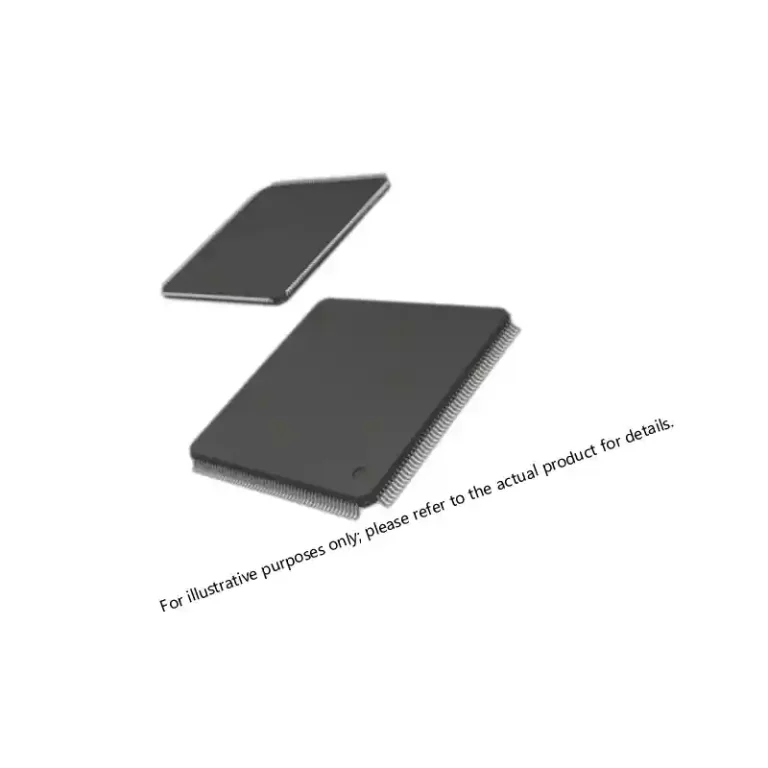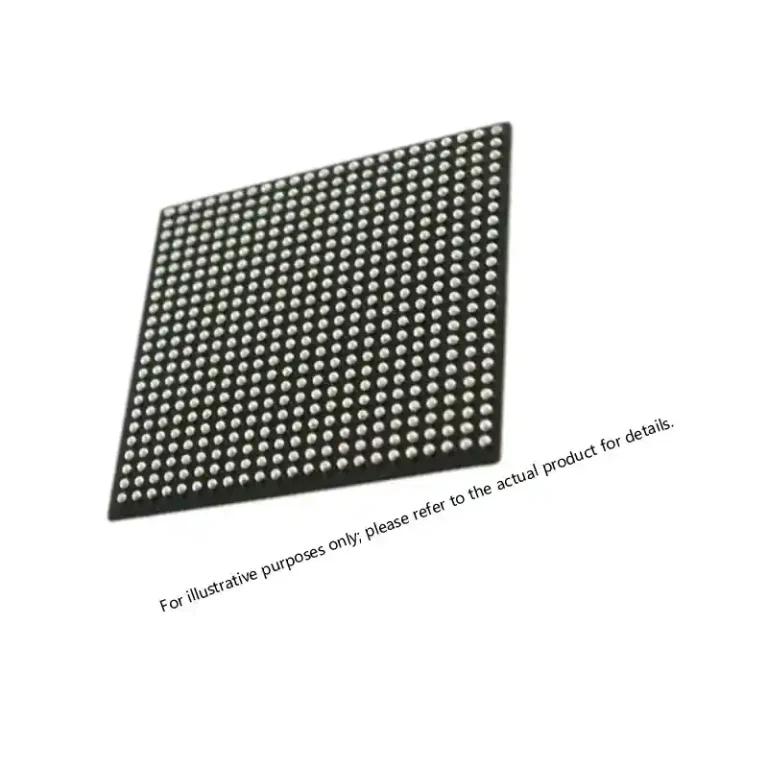
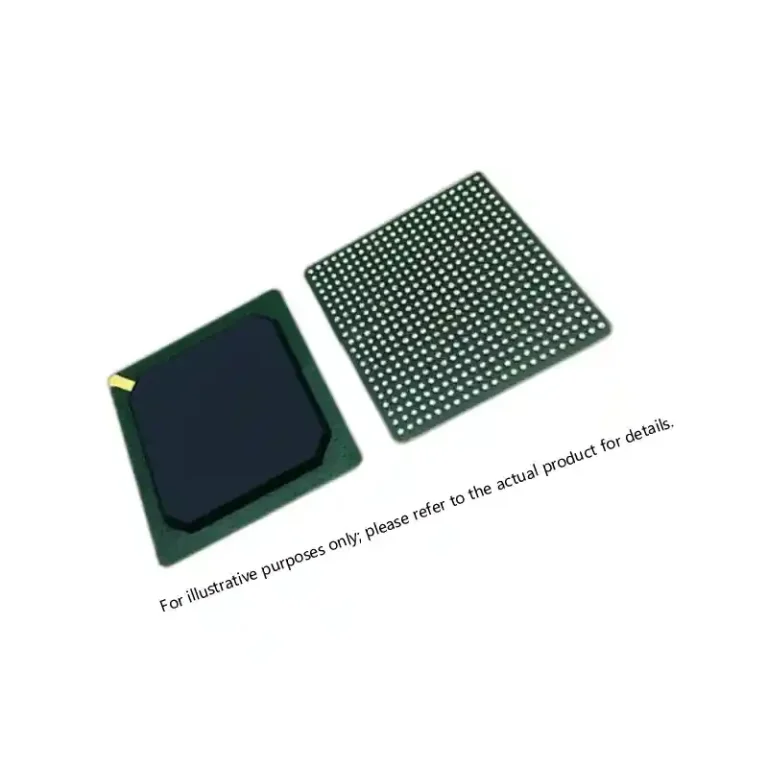
Procuring MIL-SPEC SRAM and Flash Memory for Rugged Systems
Table of Contents
- MIL-SPEC Memory Standards Define More Than Just Temperature Range
- Key Specifications That Drive Memory Selection in Rugged Systems
- Counterfeit Memory Components Are a Real Supply Chain Threat
- Qualifying a Trusted Military Memory Distributor
- Lifecycle Management and Obsolescence Planning for Military Memory
- Building a Resilient Memory Supply Chain
- Practical Questions Defense Buyers Ask About Military Memory Procurement
- What actual tests are performed on MIL-PRF-38535 qualified memory, and how do they differ from industrial-grade screening?
- How do I verify that a memory IC actually meets the -55°C to +125°C temperature range before buying?
- Is it worth paying a premium for QML-V over QML-Q for memory parts?
- How do I handle an obsolete memory part that has no direct replacement?
Sourcing military-grade SRAM and flash memory for rugged defense systems is not a simple component purchase. It is a procurement discipline that demands verification of authenticity, compliance with MIL-SPEC documentation, and management of supply chain risks unique to high-reliability environments. Many procurement teams discover gaps only when a batch fails incoming inspection or when an obsolete part leaves a program stranded. This article outlines a practical framework for procuring MIL-SPEC memory that works — from understanding key specifications to qualifying suppliers and managing long-term support, based on over a decade of supporting defense electronics programs.
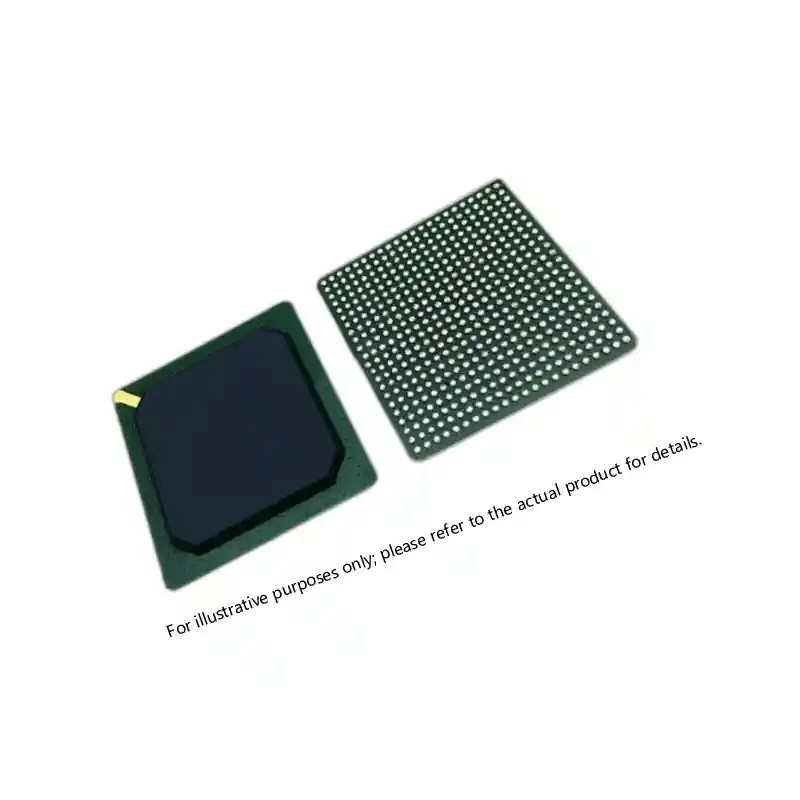
MIL-SPEC Memory Standards Define More Than Just Temperature Range
Military-grade memory components carry designations like MIL-PRF-38535, QML Class Q or V, and JANTX/JANTXV that are often misunderstood as simple temperature ratings. In truth, these standards define the entire manufacturing, screening, and documentation flow. A device qualified under MIL-PRF-38535 must come from a certified fabrication line with full traceability back to wafer lot, and it must pass a battery of tests that commercial parts never see: burn-in at elevated voltages, temperature cycling, fine and gross leak testing, and electrical parameter verification at the extremes of -55°C to +125°C.
For SRAM and flash memory specifically, the standards also address data retention, endurance, and radiation tolerance in some cases. A 512K×32 SRAM rated at 15 ns and 5 V from a QML-V line, for instance, carries a pedigree that a commercial equivalent does not. The documentation package — Certificate of Conformance, test data reports, and the Defense Logistics Agency’s QML listing — is as critical to the procurement as the silicon itself. When a part arrives without that paperwork, rejecting it is standard procedure across every defense program I have supported.
Key Specifications That Drive Memory Selection in Rugged Systems
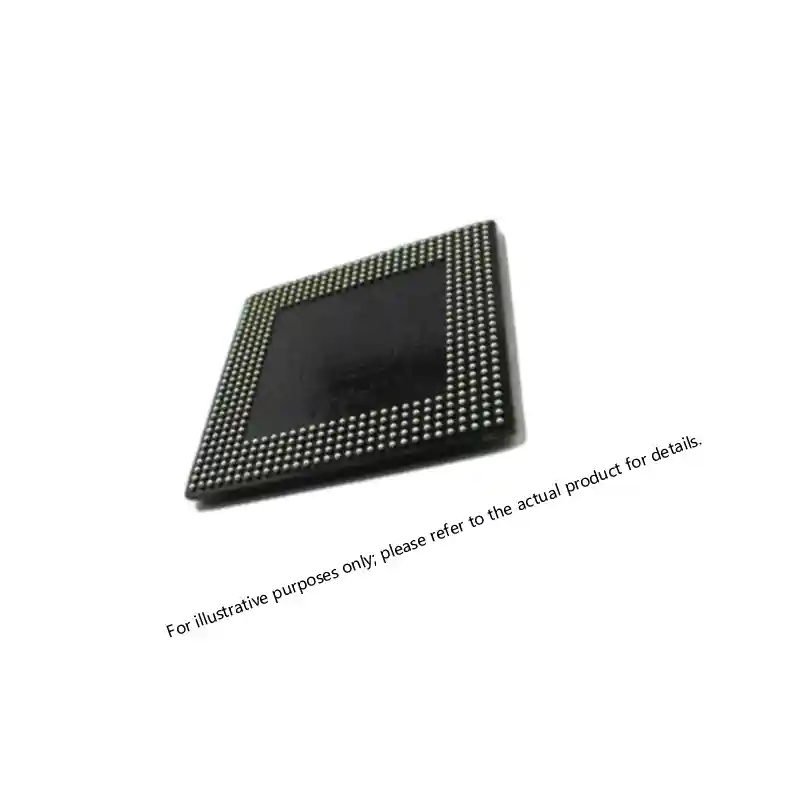
Choosing the right military-grade memory involves more than matching density and speed. The operating environment forces decisions that ripple through the entire bill of materials. Voltage tolerance, access time, package type, and even cell architecture become engineering constraints that must be verified against the system’s thermal and mechanical requirements.
A comparison of the primary memory types used in defense applications helps clarify where each fits.
| Memory Type | Typical Density (Defense) | Speed | Key Strengths | Rugged-System Concerns |
|---|---|---|---|---|
| SRAM | 256Kb – 32Mb | 10–55 ns | Simple interface, deterministic latency, no wear-out | High cost per bit, limited density, power consumption |
| NOR Flash | 1Mb – 2Gb | 70–150 ns | Execute-in-place capability, high endurance | Slow write speeds, higher cost than NAND |
| NAND Flash | 1Gb – 256Gb | 25–50 MB/s (sequential) | Highest density, low cost per bit | Requires error correction, wear-leveling, bad block management |
| EEPROM | 1Kb – 4Mb | 1–10 ms/byte | Byte-level erase/write, high endurance for small data | Very low density, slow writes |
For applications like radar signal processing buffers or FPGA configuration storage, a radiation-tolerant SRAM like the Aeroflex ACT-S512K32N series with 17 ns access time and full military temperature range is often selected. In contrast, a data logging application on an unmanned vehicle might use a managed NAND device with built-in error correction to handle terabytes of write cycles across years of deployment. The selection process must account for the combination of thermal, vibration, and reliability requirements that commercial off-the-shelf memory cannot guarantee.
Counterfeit Memory Components Are a Real Supply Chain Threat
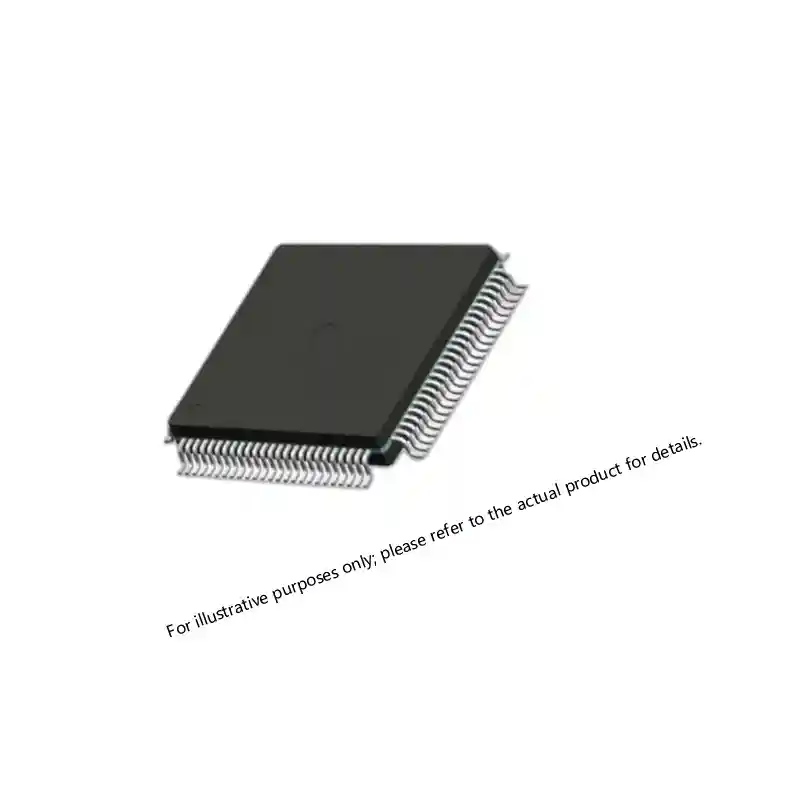
Counterfeit memory ICs are not a theoretical risk. In high-reliability and defense procurement, they are one of the most frequently encountered problems. Memory parts are small, standard-pinout, and easily remarked — a used commercial SRAM can be sanded, repainted with a MIL-SPEC part number, and packaged as new. I have seen batches of “QML” flash memory that failed burn-in because the die inside was a commercial grade part never intended to operate below 0°C, let alone at -55°C.
Verification requires a layered approach. First, full lot traceability documentation must trace the part back to the original manufacturer’s wafer fab. Second, visual inspection under magnification can reveal surface anomalies, inconsistent marking, or rework residue. Third, electrical testing across temperature extremes catches parts that meet room-temperature specs but drift at cold or hot limits. Fourth, decapsulation and die inspection — while not practical for every lot — provides the definitive answer when a high-value lot raises doubts.
A distributor that stocks military-grade memory and has a documented anti-counterfeit program, including incoming inspection to AS6081 or equivalent, can reduce this risk substantially. But the buyer still needs to verify that the program is real, not just a webpage claim. Requesting a sample test report for a prior lot from the same product family is a practical step many procurement teams skip.
If your next memory order involves a high-consequence application or a new supplier, confirming the authenticity verification process before committing to the purchase can prevent program delays that are far more expensive than due diligence. Reach out at xuansc2144@gmail.com to discuss documentation and test requirements specific to your program.
Qualifying a Trusted Military Memory Distributor
Not every distributor with “military” in their tagline is capable of supporting a defense program. Qualification should focus on four areas: certification, traceability infrastructure, manufacturer relationships, and program-support capability.
A credible distributor will hold AS9120 or equivalent quality management certification and be listed on QML or QPL supplier lists for the components they sell. Their traceability system must provide a chain-of-custody record from the original manufacturer through to the end buyer, including any intermediate storage or testing steps. Without that record, the risk of a mixed lot or a counterfeit insertion rises sharply.
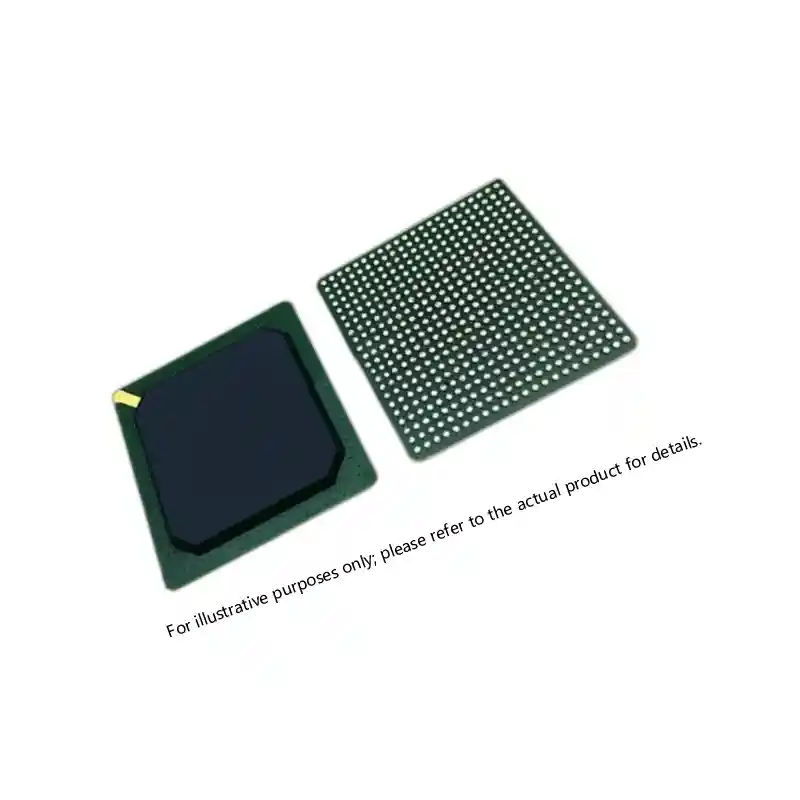
Beyond documentation, the distributor’s relationship with memory manufacturers matters. Some parts, especially older asynchronous SRAMs or specific NOR flash densities used in long-running defense programs, are not always in active production. Access to factory inventories, die banks, and authorized aftermarket channels can mean the difference between a 12-week lead time and a 52-week stop on the production line. I have worked with programs where a single 5 V 512K×32 SRAM became the long pole in a system delivery schedule, resolved only because the distributor had access to remaining factory inventory that was not listed on any public exchange.
Finally, evaluate the distributor’s willingness and ability to provide program-specific support: kitting, scheduled releases, lot traceability reporting, and assistance with export compliance. A transactional distributor quotes a price and moves on. A program support partner understands that the memory you buy today might need a form, fit, and function replacement five years from now.
Lifecycle Management and Obsolescence Planning for Military Memory
Military programs routinely outlast the commercial lifecycle of the memory ICs they were designed around. A system that entered production in 2010 with a 90 nm SRAM may still need that exact part in 2030, long after the original manufacturer has ceased production. Planning for this reality starts at the design phase and continues through the entire sustainment period.
Die banking is one of the most effective strategies for critical memory components. By purchasing a known quantity of probed wafers or finished die and storing them in controlled conditions, a program can secure supply for years beyond the last-time-buy date. This works particularly well for SRAM and NOR flash memories that do not require the same level of process-specific tuning as advanced NAND flash. For managed NAND, where controller firmware and NAND geometry changes frequently, qualifying multiple pin-compatible sources or designing with an abstraction layer that accommodates die revisions is more practical.
Last-time-buy notices should trigger an immediate review, not only of the specific part number but of all assemblies that depend on it. Too often, a last-time-buy for a memory IC is handled by the component engineering team without coordinating with the depot repair group, which discovers the shortage years later when trying to repair fielded units. Integrating lifecycle data across engineering, procurement, and sustainment is a process that takes time to build but pays for itself many times over on a single high-value program.
Building a Resilient Memory Supply Chain
The gap between a memory specification sheet and a working system on a flight line is filled by the supply chain. Temperature specs mean nothing if the parts in the reel are not what the datasheet describes. Lead times are meaningless if the supplier cannot deliver with full documentation when promised. And cost savings disappear the moment a line stops because a single memory part failed incoming inspection.
Working with a distributor that treats documentation, traceability, and program continuity as core deliverables rather than afterthoughts changes the risk profile. For procurement teams responsible for defense electronics, that means having a partner who can answer not just “do you have stock?” but “can you provide full lot traceability, a Certificate of Conformance, and test data by the end of the week?” and mean it.
If you are evaluating your memory component supply chain — whether for a new design, a production ramp, or a legacy sustainment program — send your part numbers and quantities to xuansc2144@gmail.com. We will confirm availability, documentation status, and compliance with your program’s requirements, and provide a structured quote that addresses the real constraints defense procurement teams face.
Practical Questions Defense Buyers Ask About Military Memory Procurement
What actual tests are performed on MIL-PRF-38535 qualified memory, and how do they differ from industrial-grade screening?
MIL-PRF-38535 qualification for memory devices requires a fixed set of screening tests: internal visual inspection, stabilization bake, temperature cycling, constant acceleration, fine and gross leak testing, and burn-in. Burn-in is performed at maximum rated voltage and elevated temperature, typically 125°C, for 160 hours, with electrical measurements before and after. This differs sharply from industrial-grade screening, which usually omits burn-in and fine leak testing. For complex memory like NAND flash, additional endurance and data retention tests may be specified by the program. The key difference is that MIL-PRF-38535 screening catches infant mortality failures before the part ever reaches the field, a level of risk reduction that industrial screening does not achieve.
How do I verify that a memory IC actually meets the -55°C to +125°C temperature range before buying?
The only conclusive verification is to perform sample testing across the full temperature range. However, before that step, you can require the distributor to provide the original manufacturer’s qualification summary report for the specific part number and date code. This report lists the test conditions and results from the manufacturer’s own qualification. Additionally, request a Certificate of Conformance that explicitly states the temperature range for the lot. If the distributor cannot provide these documents, the risk of receiving a remarked commercial part is high.
Is it worth paying a premium for QML-V over QML-Q for memory parts?
It depends on the application’s reliability requirements. QML-V adds in-line wafer lot acceptance testing, tighter process controls, and more extensive screening compared to QML-Q. For a memory device in a missile guidance computer or a satellite bus, the added margin can justify the cost. For a ground vehicle or a naval console where the environment is less extreme and access for replacement is feasible, QML-Q may be sufficient. In programs I have supported, the decision typically came down to whether a single memory failure could cause loss of mission or life — if the answer was yes, the extra cost for QML-V was rarely questioned.
How do I handle an obsolete memory part that has no direct replacement?
Start by mapping the functional requirements: speed, density, voltage, package, and any special features like byte-write capability. Often a newer part from the same technology family, possibly with a different package or requiring minor board changes, can serve as a form-and-fit replacement. If a drop-in replacement is not available, a die-banking strategy for the existing part is the next option — buying remaining wafers or finished die and storing them for future use. As a last resort, a reverse-engineering and emulation approach using an FPGA may be considered, though this introduces requalification costs and schedule impact. The earlier you identify the obsolescence risk, the more options remain. Share your obsolete part numbers and we can help identify alternate sources or facilitate a die-banking agreement.
If you’re interested, check out these related articles:
UltraScale KU085 FPGA Specifications for Defense Systems
XC7VX485T Virtex-7 FPGA: Performance and Sourcing for Defense
Virtex-7 690T FPGA: Performance, Packaging, and Reliability Insights
A1020B-PG84B ACT2 FPGA: Specs, Sourcing, and Availability
XCKU115 UltraScale FPGA: Powering Critical Defense Systems