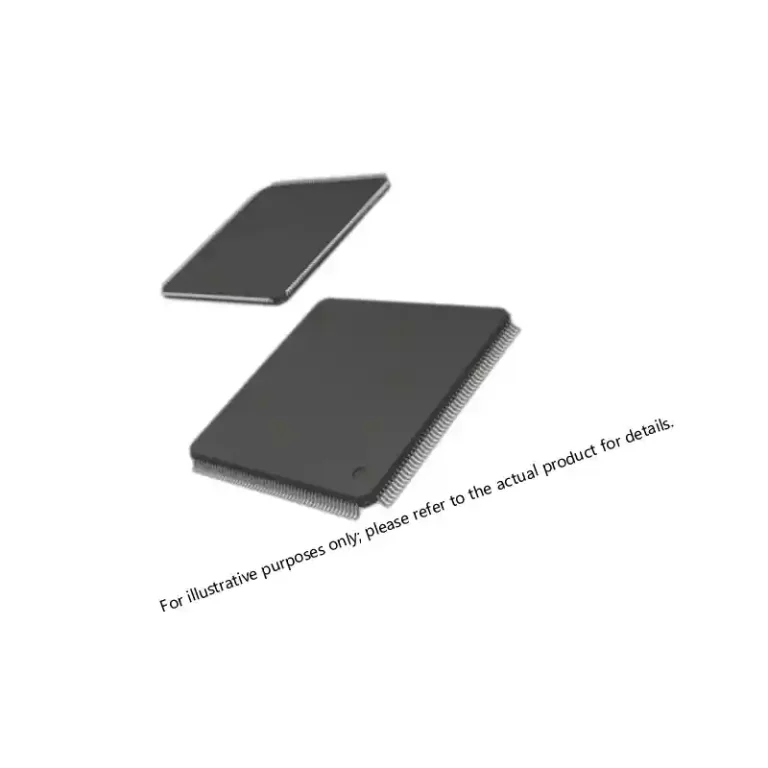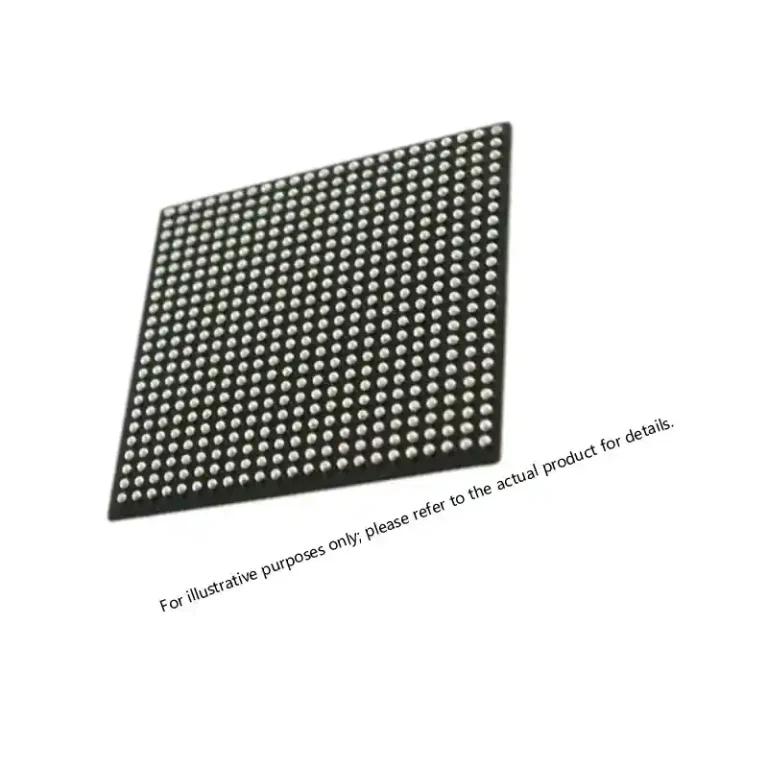
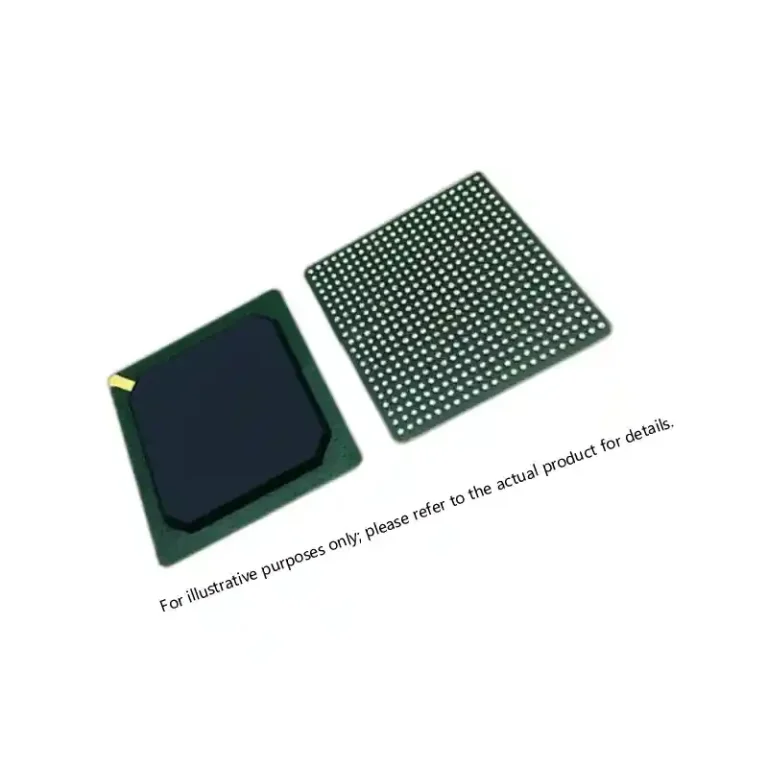
LTB Military Components: Counterfeit Mitigation Strategies
Table of Contents
- LTB Military Components: The Planning Stage for Defense Programs
- Qualifying Distributors for LTB Military Component Supply
- What standards should a distributor meet for LTB parts?
- How to verify a distributor’s traceability claims?
- Traceability Documentation for Counterfeit Prevention in LTB Parts
- What documentation is required for LTB military components?
- How to handle incomplete traceability records?
- Incoming Inspection Protocols for LTB Military Components
- Which incoming tests detect counterfeit military components?
- Long-Term Storage Solutions for LTB Military Components
- Your Next Step for LTB Military Component Sourcing
- Common Questions About LTB Military Components
- How much inventory should I order for a last-time buy?
- Can I buy LTB components from unauthorized distributors?
- What is the risk of counterfeit components in LTB purchases?
- How long can military-grade components be stored?
- Does Sparkle Electronics handle LTB programs?
When a military-grade electronic component reaches end of life, defense program managers face a hard choice: commit to a last-time buy or risk redesign. LTB military components represent the final procurement opportunity from the original manufacturer, but they also open a door to counterfeit risk if supply chain controls are not in place. Having spent over twelve years sourcing MIL-SPEC parts, I’ve seen too many programs accept traceability gaps that later became qualification failures. This article outlines the strategies we use at Sparkle Electronics to source, verify, and store LTB components so that every part entering your program is authentic and fully documented.
LTB Military Components: The Planning Stage for Defense Programs
When a manufacturer issues a product discontinuance notice, the clock starts. For programs that cannot absorb a redesign, the LTB window is the last chance to secure components that will support production and sustainment for years, sometimes decades. The first step is demand forecasting — overestimating means unnecessary capital tied up in storage, underestimating means paying exponential premiums on the gray market later. I always advise customers to include not just current program order quantities but also anticipated depot-level repairs, spares provisioning, and potential re-qualification needs.
One factor often missed is that not all parts are created equal in storage. Complex ICs like FPGAs and ADCs require strict environmental controls and periodic electrical testing if stored beyond five years. Passives are more forgiving. So your LTB volume decision should align with the storage infrastructure you can commit to.
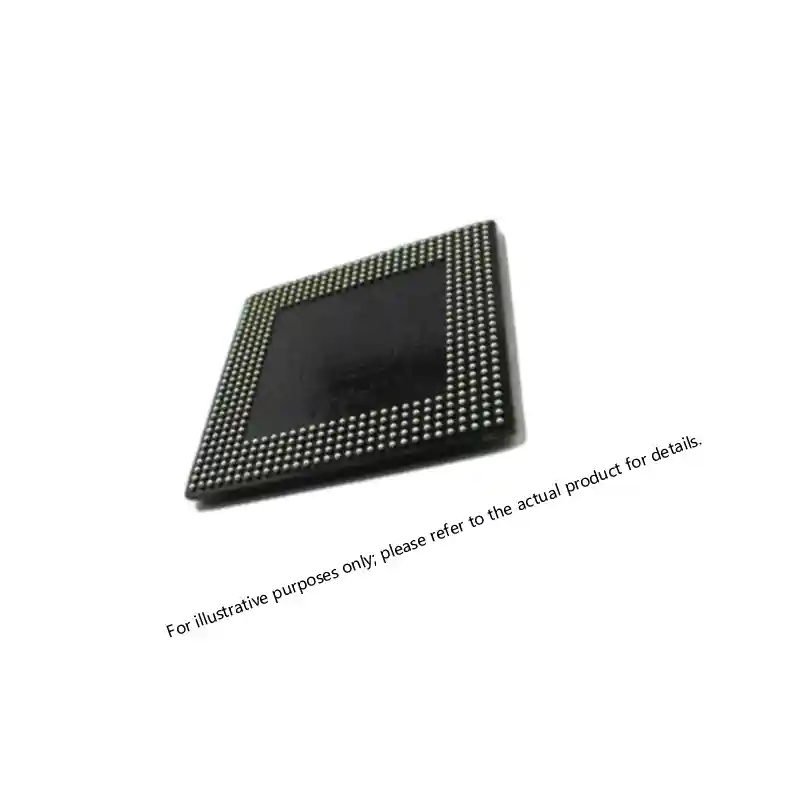 A3PE1500-1FGG676I is an ACTEL ProASIC3 FPGA that frequently appears in LTB lists for missile guidance and radar programs. We keep these in controlled storage and perform periodic re-bakes to maintain solderability.
Qualifying Distributors for LTB Military Component Supply
After determining your demand, the next most critical decision is the supply channel. Purchasing from an unauthorized or unvetted source raises the counterfeit risk exponentially. The table below outlines the key differences between authorized and independent distributors in the LTB context.
| Authorized Distributor | Independent Distributor | |
|---|---|---|
| Traceability | Direct from manufacturer, full chain of custody | May rely on multiple intermediaries, gaps possible |
| Documentation | Original C of C, test reports from OEM | Often requires secondary source verification |
| Counterfeit Risk | Very low, OEM-backed | Variable; depends on supplier’s inspection rigor |
| Price | Fixed, higher per unit | Potentially lower, but risk-adjusted cost higher |
As a specialized distributor, Sparkle Electronics sources from both franchised and carefully vetted independent channels. For LTB programs, every component we supply goes through the same documentation and inspection checks. We require original manufacturer C of C and lot-test data, and when gaps exist, we commission third-party test lab analysis before shipment.
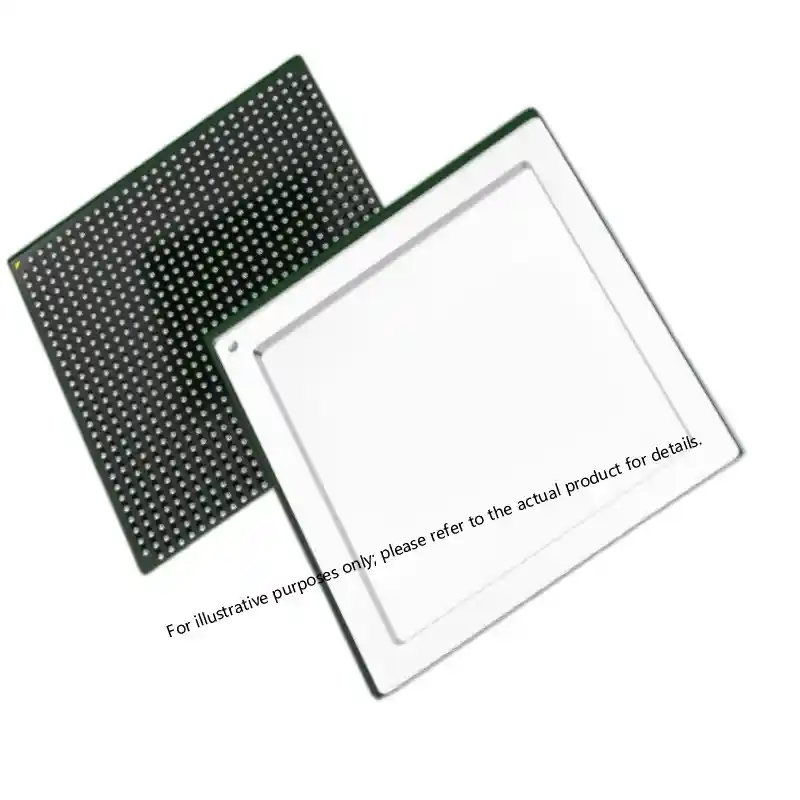
If your program includes parts like the M2S150T-FCG1152I SmartFusion2 FPGA or other high-value ICs, the documentation scrutiny must be even higher because these parts often end up in safety-critical applications.
What standards should a distributor meet for LTB parts?
A qualified distributor should hold certifications like AS9120 or AS6081, which mandate strict traceability and anti-counterfeit controls. They should be able to produce test reports per MIL-STD-883 or MIL-PRF-38535 as applicable. Avoid any supplier that cannot present a valid certificate of conformance with the manufacturer’s original signature.
How to verify a distributor’s traceability claims?
Request a sample documentation package including original C of C, packing slip, and any third-party test reports. Cross-check part markings against the paperwork. I always recommend a physical inspection of a sample lot before committing to a large LTB order. If the distributor hesitates, walk away.
If your LTB list includes radiation-hardened or high-speed ADCs, the documentation chain is often fragmented. Send your part numbers to xuansc2144@gmail.com and we will audit the available traceability and recommend testing to close any gaps.
Traceability Documentation for Counterfeit Prevention in LTB Parts
Counterfeiters know that LTB components are in short supply and that buyers are under time pressure. We have encountered parts where the original marking had been mechanically removed and re-marked with a more in-demand date code, or where the die inside did not match the package marking. The only defense is a rigorous documentation review combined with physical inspection.
Key documents to collect for every LTB component include the original manufacturer C of C, lot acceptance test reports, and if the parts are older, any re-qualification or re-test data. For 5962-series devices, the SMD (Standard Microcircuit Drawing) must be verified against the part marking. In one case, we received a batch of JANTXV diodes that looked legitimate on the outside, but the C of C referenced a lot number that did not exist in the manufacturer’s database. We caught that by cross-checking with the OEM. Without that step, those parts would have ended up in a satellite program.
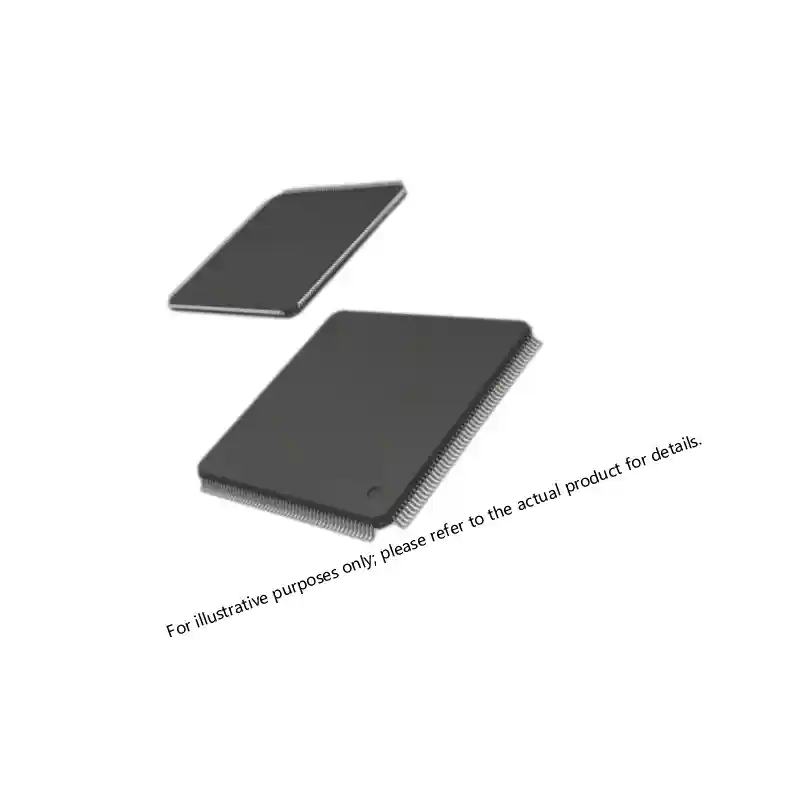 The APA300-CQ208B, for example, is an ACTEL ProASIC+ device that appears in legacy avionics. Its documentation trail is often thin because of program age. We treat every line like this as a high-risk item and perform incoming electrical verification before shipment.
What documentation is required for LTB military components?
At minimum, you need the manufacturer C of C, test reports, lot traceability documentation, and if the part is on the Defense Logistics Agency’s QML, the QML certificate. For parts older than 10 years, I strongly recommend a 100% electrical test and X-ray inspection to detect internal contaminants or die inconsistencies.
How to handle incomplete traceability records?
If original documentation is missing, you have two options: reject the lot, or commission independent testing. We have a network of certified test labs that can perform decapsulation, die verification, and electrical characterization. The cost of testing is a fraction of the liability of a field failure.
Incoming Inspection Protocols for LTB Military Components
Even with perfect documentation, incoming inspection is your last chance to intercept problems. Our standard inspection for LTB parts includes:
- Visual inspection under 40× magnification for remarking, resurfacing, or blacktopping indicators.
- Solderability testing per MIL-STD-202 Method 208 for parts stored over two years.
- X-ray inspection to verify die and wirebond integrity.
- Decapsulation and die marking verification for high-criticality parts.
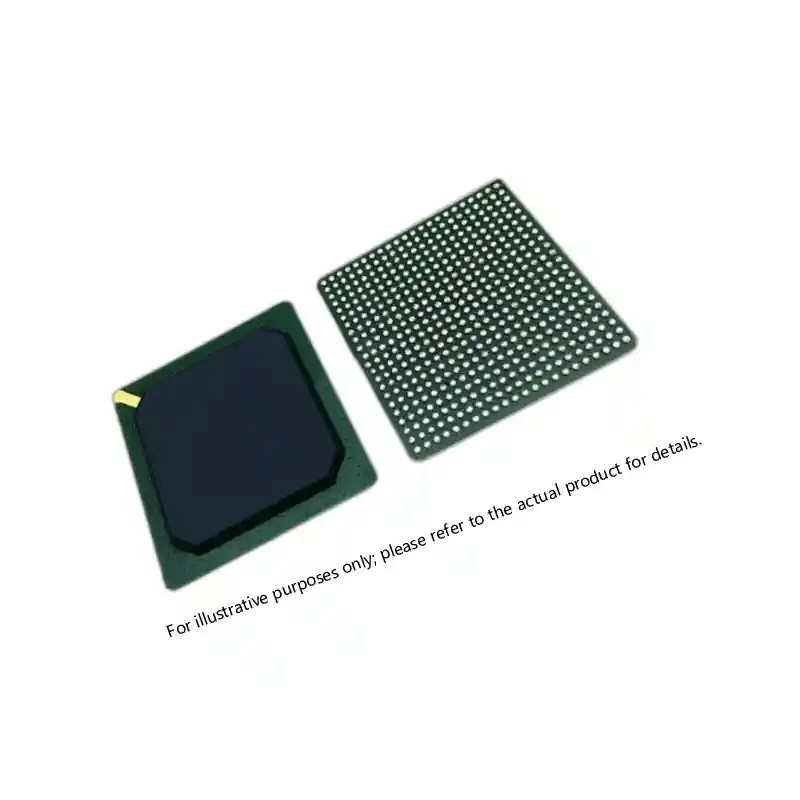 M2S150-FCVG484I and similar BGA packages are particularly challenging because external visual inspection is limited. We use X-ray and, when necessary, C-SAM (Confocal Scanning Acoustic Microscopy) to detect delamination or internal voids.
Which incoming tests detect counterfeit military components?
X-ray and decapsulation are the most definitive. Electrical testing at temperature extremes also catches parts that fail performance specs despite looking genuine. I always recommend a sample-based destructive test for high-cost ICs to build confidence in the lot.
Long-Term Storage Solutions for LTB Military Components
After acceptance, the parts must be stored correctly to maintain reliability over decades of program life. Military-grade components typically require dry nitrogen storage, moisture barrier bags with desiccant, and temperature-controlled environments (20–25°C). We store all LTB inventory in ESD-safe, climate-controlled rooms and monitor humidity with calibrated sensors.
For programs with die-bank strategies, we can coordinate with wafer suppliers to hold inventory at die level and perform bonding as needed, eliminating the risk of package degradation. This is especially useful for FPGAs like the A3P1000-FGG484I that are needed across multiple program phases.
Your Next Step for LTB Military Component Sourcing
Securing LTB military components without compromising traceability is a multi-step process, but it is manageable with the right partner. As a defense supply chain specialist, I’ve built our systems at Sparkle Electronics to deliver full documentation transparency and rigorous inspection for every LTB shipment. Before you finalize your next lot, I encourage you to get a second set of eyes on the traceability package.
To discuss your LTB requirements or receive a quote, email xuansc2144@gmail.com. Share your BOM and we will confirm stock availability, documentation status, and recommend any additional testing needed to close compliance gaps.
Common Questions About LTB Military Components
How much inventory should I order for a last-time buy?
Demand forecasting should combine production quantities, spares, and depot repairs over the expected program life. Add a 10–15% buffer for unforeseen failures, but be aware that over-ordering complex ICs increases long-term storage cost and potential obsolescence due to solderability degradation. We can assist with demand modeling for your program phase.
Can I buy LTB components from unauthorized distributors?
You can, but the risk of counterfeit or non-conforming parts rises dramatically. If you must use an independent source, require full traceability and commission independent testing. Our policy is to only supply LTB parts that pass our internal document verification and, if needed, third-party lab analysis.
What is the risk of counterfeit components in LTB purchases?
The risk is high because discontinued parts attract counterfeiters who know buyers are desperate. Counterfeit parts may have incorrect die, recycled components, or altered date codes. Rigorous incoming inspection is the only reliable safeguard.
How long can military-grade components be stored?
Most MIL-SPEC and QML parts have a specified shelf life of 24–36 months under controlled storage, but many can last decades if stored in nitrogen-purged, temperature-controlled environments with periodic solderability testing. We monitor our inventory proactively to maintain compliance.
Does Sparkle Electronics handle LTB programs?
Yes, we actively manage sourcing and supply of LTB military components for defense contractors, covering FPGAs, ADCs, memory, and passives. If you have an LTB requirement or need to verify existing stock, send your part list to xuansc2144@gmail.com and we will assess availability and documentation within one business day.
If you’re interested, check out these related articles:
Virtex-7 690T FPGA: Performance, Packaging, and Reliability Insights
XC7VX485T Virtex-7 FPGA: Performance and Sourcing for Defense
XCKU085 UltraScale FPGA: Performance for Critical Systems