Defense Supply Chain Support: Ensuring Hi-Rel Component Integrity
Table of Contents
- What Makes Defense Component Procurement Different from Commercial Sourcing
- How to Verify Component Authenticity and Prevent Counterfeits
- Where to Source High-Reliability Components That Meet MIL-SPEC Standards
- How to Manage Obsolescence When Systems Outlast Component Production
- What It Takes to Build a Resilient Defense Supply Chain
- Frequently Asked Questions
- Partner with SPARKLE ELECTRONICS CO., LIMITED
The integrity of high-reliability electronic components forms the bedrock of defense system performance. Securing these critical parts within the defense supply chain demands meticulous attention to detail, adherence to stringent standards, and a proactive approach to risk management. Every decision in procurement directly impacts mission readiness and national security, which is why the defense sector operates within a procurement landscape distinct from commercial industries.
What Makes Defense Component Procurement Different from Commercial Sourcing
Defense procurement challenges stem from a confluence of factors: stringent regulatory compliance, geopolitical instability, and the need for long-term support for systems with extended operational lifespans. The frameworks governing this space are complex. International Traffic in Arms Regulations (ITAR) controls the export and import of defense-related articles and services. Defense Federal Acquisition Regulation Supplement (DFARS) imposes specific requirements on contractors doing business with the Department of Defense. These regulations are not bureaucratic hurdles. They are foundational to maintaining national security and technological advantage.
Managing supply chain risk management effectively means anticipating disruptions before they materialize and ensuring continuous access to critical military-grade electronics. The biggest risks in the defense electronics supply chain include the proliferation of counterfeit components, obsolescence of critical parts, geopolitical instability leading to supply disruptions, and the regulatory environment itself. These factors can compromise system performance, increase costs, and delay program timelines, directly impacting mission readiness.
How to Verify Component Authenticity and Prevent Counterfeits
Counterfeit component mitigation stands as a paramount concern within the defense industry. Fraudulent parts can introduce catastrophic failures into mission-critical systems, posing significant threats to operational integrity and personnel safety. Ensuring component authenticity requires a multi-layered approach that combines rigorous inspection protocols with a secure supply chain.
Comprehensive authentication processes include visual inspection, electrical testing, and de-capsulation analysis to verify the provenance and quality of every component. Traceable components with complete documentation from the original equipment manufacturer (OEM) or authorized sources are a fundamental requirement, not an option.
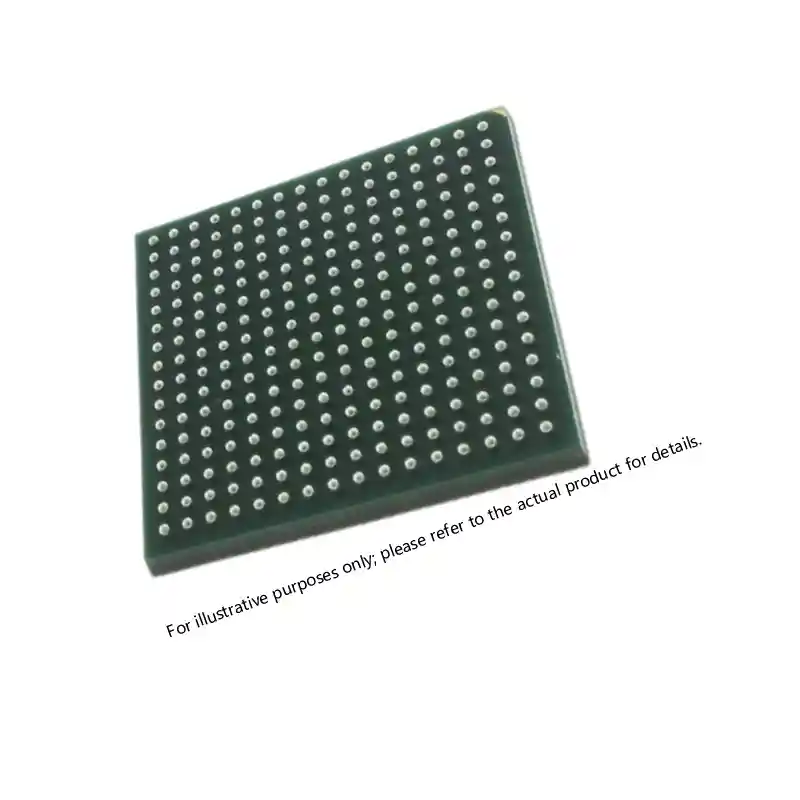
A specific instance illustrates why these protocols matter. A shipment of what appeared to be genuine Field-Programmable Gate Arrays (FPGAs) for a missile guidance system arrived for inspection. Standard incoming inspection, which includes microscopic examination and X-ray fluorescence (XRF) analysis, identified subtle inconsistencies in the package markings and material composition. Further electrical testing revealed performance deviations outside the specified MIL-PRF-38535 parameters. This diligence prevented the integration of non-conforming parts, saving the program an estimated $2 million in potential rework and system failure costs. The experience reinforced the value of maintaining a trusted suppliers network and robust component authentication procedures.
| Feature | Standard Distributor | Specialized Hi-Rel Distributor (SPARKLE ELECTRONICS CO., LIMITED) |
|---|---|---|
| Authentication | Basic checks | Multi-layered, advanced testing, forensic analysis |
| Traceability | Limited | Full chain of custody, OEM documentation |
| Compliance | Commercial standards | MIL-SPEC, ITAR, DFARS, AS9120 expertise |
| Risk Mitigation | Reactive | Proactive, dedicated counterfeit detection programs |
Defense contractors ensure authenticity through strict supplier vetting, requiring full traceability documentation, and performing rigorous incoming inspections. These inspections often include visual checks, electrical testing, and advanced analytical techniques such as X-ray and de-capsulation. Partnering with specialized distributors who understand MIL-SPEC requirements and maintain secure supply chains is a critical strategy.
Where to Source High-Reliability Components That Meet MIL-SPEC Standards
Sourcing hi-rel components demands specialized knowledge beyond standard commercial practices. High-reliability components are designed and manufactured to operate flawlessly under extreme environmental conditions and for extended periods, which is critical for aerospace and defense industry applications. This often involves adherence to MIL-SPEC compliance, military specifications that define the performance, design, and manufacturing standards for defense equipment.
QML-qualified devices, listed on the Qualified Manufacturers List, signify that manufacturing processes meet the highest military standards for quality and reliability. Quality management systems with AS9120 certification, specifically for distributors in the aerospace industry, ensure consistent quality throughout the supply chain. The range of military-grade electronics spans FPGAs and Digital Signal Processors (DSPs) to high-speed Analog-to-Digital Converters (ADCs) and Digital-to-Analog Converters (DACs), covering all major defense IC categories.
Essential certifications for high-reliability component suppliers include AS9120 for quality management systems in aerospace distribution and MIL-STD-883 for test methods and procedures. Suppliers must also demonstrate compliance with MIL-PRF-38535 for integrated circuits and MIL-PRF-19500 for discrete semiconductors. These certifications collectively ensure components meet the stringent performance and reliability demands of defense applications.
How to Manage Obsolescence When Systems Outlast Component Production
The extended lifecycle of defense programs often outlasts the production lifespan of their constituent electronic components. This phenomenon requires proactive obsolescence management strategies to ensure sustained availability of parts for systems that may remain in service for decades.
Effective approaches include maintaining deep inventory levels and establishing strategic partnerships with manufacturers and other trusted sources. Identifying potential obsolescence risks early, facilitating last-time buys, and sourcing suitable form-fit-function replacements when necessary minimizes disruptions. This proactive component lifecycle management helps defense contractors avoid costly redesigns or system downtime. Inventory optimization supports ongoing maintenance and upgrades for mission-critical applications.
Defense contractors manage component lifecycle challenges through proactive obsolescence management programs, including strategic buffering, last-time buys, and identifying alternative, qualified parts. This ensures long-term support for systems that often remain in service for decades, maintaining system readiness.
What It Takes to Build a Resilient Defense Supply Chain
Building defense supply chain resilience means creating robust networks capable of withstanding disruptions, from natural disasters to geopolitical shifts. This requires more than sourcing parts. It involves a holistic strategy that integrates proactive risk management, strategic sourcing partners, and agile logistics.
Working closely with defense systems integrators and Tier 1 defense contractors to understand specific program requirements enables tailored solutions that reduce lead times and ensure system readiness. The role of a program support partner extends beyond distribution to providing the expertise and resources necessary to maintain operational continuity of mission-critical systems. A secure supply chain is a strategic asset that directly contributes to the success of defense operations.
If your program involves legacy systems or extended production timelines, it is worth discussing obsolescence forecasting and inventory strategies before finalizing supplier agreements.
Frequently Asked Questions
How does geopolitical instability impact the defense electronics supply chain?
Geopolitical events can severely disrupt the defense electronics supply chain by causing material shortages, export restrictions, and increased lead times. Proactive supply chain risk management strategies, including diversification and regional sourcing, are crucial to mitigate these impacts and maintain operational continuity.
What role do specialized distributors play in defense component procurement?
Specialized distributors are vital in defense component procurement. They offer expertise in military-grade electronics, ensure MIL-SPEC compliance, and provide access to hard-to-find or legacy parts. They act as strategic sourcing partners, reducing lead times and managing complex documentation requirements for defense systems integrators.
Is it possible to get custom electronic component solutions for defense applications?
Many suppliers offer custom electronic component solutions tailored for unique defense applications, especially for specialized functions or form factors. This often involves close collaboration with design engineers and adherence to stringent performance and environmental standards.
How do defense contractors manage the long lifecycle of components versus system upgrades?
Defense contractors manage component lifecycle challenges through proactive obsolescence management programs, including strategic buffering, last-time buys, and identifying alternative, qualified parts. This ensures long-term support for systems that often remain in service for decades. To discuss specific program requirements or sourcing challenges, contact SPARKLE ELECTRONICS CO., LIMITED at xuansc2144@gmail.com or by phone.
If you’re interested, check out these related articles:
XC7VX485T FPGA: Virtex-7 Performance for Defense
Virtex-7 XC7VX690T: Performance and Reliability Insights
XCKU085 UltraScale FPGA: Performance for Critical Systems
Virtex-7 690T FPGA: Performance, Packaging, and Reliability Insights
Virtex-7 XC7VX690T: Performance, Reliability, and Integration
Partner with SPARKLE ELECTRONICS CO., LIMITED
Navigating the complexities of defense component procurement and ensuring absolute reliability presents significant challenges for defense contractors. SPARKLE ELECTRONICS CO., LIMITED delivers authentic, traceable, and compliant military-grade electronic components as a dedicated program support partner. To discuss specific requirements and secure your mission-critical supply chain, contact us at xuansc2144@gmail.com or by phone.