
Hi-Rel Component Lifecycle Management in Defense Programs
Table of Contents
- What Exactly Is Hi-Rel Component Lifecycle Management?
- Mapping the Lifecycle So a Program Doesn’t Get Caught Off Guard
- How to Build an Obsolescence-Resistant Supply Chain
- Storage, Handling, and the Documentation That Makes a Component Defensible
- Making Lifecycle Planning Part of Program Procurement
- Managing Your Program’s Component Lifecycle With a Supply Partner
- Common Questions Defense Procurement Teams Ask About Hi-Rel Component Lifecycles
When a defense program spans two decades or more, the sourcing decisions made during the initial design phase ripple through every maintenance cycle, technology refresh, and depot-level repair that follows. A component selected today may need to be procurable, certifiable, and replaceable fifteen years from now. In our work at Sparkle Electronics, we’ve seen programs stall because a single FPGA or a MIL-STD-1553 transceiver that was widely available during qualification became unavailable with 18 months of lead time exactly when a production run was due. Managing the lifecycle of hi-rel electronic components is not a periodic review exercise. It is a continuous, program-wide function that controls cost, schedule, and technical risk.
What Exactly Is Hi-Rel Component Lifecycle Management?
Hi-rel component lifecycle management is the set of procurement, engineering, and supply chain actions a defense program uses to keep every bill-of-materials (BOM) line item qualified, authentic, and deliverable from program start through end-of-life and beyond. It covers component selection and up-screening, qualification testing to MIL-STD-883 or MIL-PRF-38535, inventory and obsolescence forecasting, last-time buy (LTB) execution, die banking, and technology refresh planning.
In long-duration programs, the lifecycle mindset shifts the procurement trigger from “we need parts now” to “we need to guarantee supply continuity five years from now.” The distinction matters because many hi-rel devices have fab cycles measured in quarters, not weeks. A Xilinx Virtex-7 FPGA in a mil-temperature grade can have a 52-week lead time; missing the ordering window means a production gap. We treat lifecycle management as an active engineering discipline because the alternative — reacting to shortages — consistently drives up cost and forces design compromises no program can afford.
| Lifecycle Stage | Key Actions | Typical Duration Risk |
|---|---|---|
| Selection & qualification | Upscreening, MIL-STD-883 testing, source approval | 6–18 months |
| Program production | Scheduled releases, buffer stock, lot traceability | 5–20 years |
| Sustaining & repair | Depot-level sourcing, alternate parts, LTB planning | 10–40 years |
| End-of-life & bridge | Die banking, obsolescence replacement, technology refresh | 5–15 years after EOL |
Mapping the Lifecycle So a Program Doesn’t Get Caught Off Guard
Every hi-rel component moves through a predictable sequence, but the timeline varies by device type. FPGAs, high-speed ADCs, and memory ICs each behave differently because wafer starts, assembly, and screening flows differ. We recommend building a lifecycle map per component family at the beginning of the program, not when a shortage warning arrives.
At the front end, selection and qualification lock in the device, package, speed grade, and screening level. For MIL-PRF-38535 QML devices, the qualification package includes radiation, burn-in, and temperature cycling data. If the program permits up-screening of commercial-off-the-shelf parts, the additional testing cost and yield loss must be factored into the initial budget because later-stage redesign is far more expensive.
The production phase is where most lifecycle failures begin. Programs order just-in-time to conserve working capital, but mil-grade fab schedules are not flexible. A component like the Microsemi A3PE3000 ProASIC3E FPGA, which we stock and support across multiple programs, can see demand spikes that empty the authorized distribution channel. We advise maintaining a safety buffer of six to twelve months’ consumption for devices with single-source fab constraints, and we work with program offices to adjust buffer quantities as field reliability data accumulates.
The sustaining phase is where the lifecycle management function earns its keep. Obsolescence notifications usually arrive three to five years before last shipment, but by that time the OEM may have already shifted wafer starts. For programs that need 15 more years of supply, the options narrow. Last-time buy decisions require accurate remaining life estimates and storage budgets; die banking, where you purchase unpackaged die for future assembly, adds upfront cost but buys decades of supply independence. We have facilitated die banking for Actel AX1000 and AX2000 families for programs that could not afford a redesign, and the planning lead time alone is typically 18–24 months.
How to Build an Obsolescence-Resistant Supply Chain
A lifecycle plan is only as good as the supply chain that executes it. Obsolescence resistance is not about eliminating risk — it’s about creating enough time to respond without a program halt. Three practices make the difference.
First, maintain approved vendor lists that include not just the OEM but also qualified independent distributors who hold MIL-SPEC inventory with full traceability. During a recent LTB for a Texas Instruments SMJ320C6701 DSP, the authorized channel had no stock remaining, but we were able to supply the exact date code from our own on-hand inventory, with C of C and lot-level test data, because we had been tracking the program’s consumption pattern for years.
Second, use BOM health monitoring that flags single-source, long-lead, and end-of-life risks quarterly. A component that is perfectly healthy today can go EOL with a 90-day notice if the fab consolidates processes. Without monitoring, the notification arrives after the procurement window has closed.
Third, differentiate between drop-in replacements and functionally equivalent components. A drop-in replacement requires pin-to-pin and form-factor compatibility, which is rare for hi-rel FPGAs and mixed-signal ICs. Functional equivalence often needs board respin, so the lead time for qualification plus redesign must be compared against the cost of die banking or LTB. We help programs run this analysis early, not when the design team is already overcommitted.
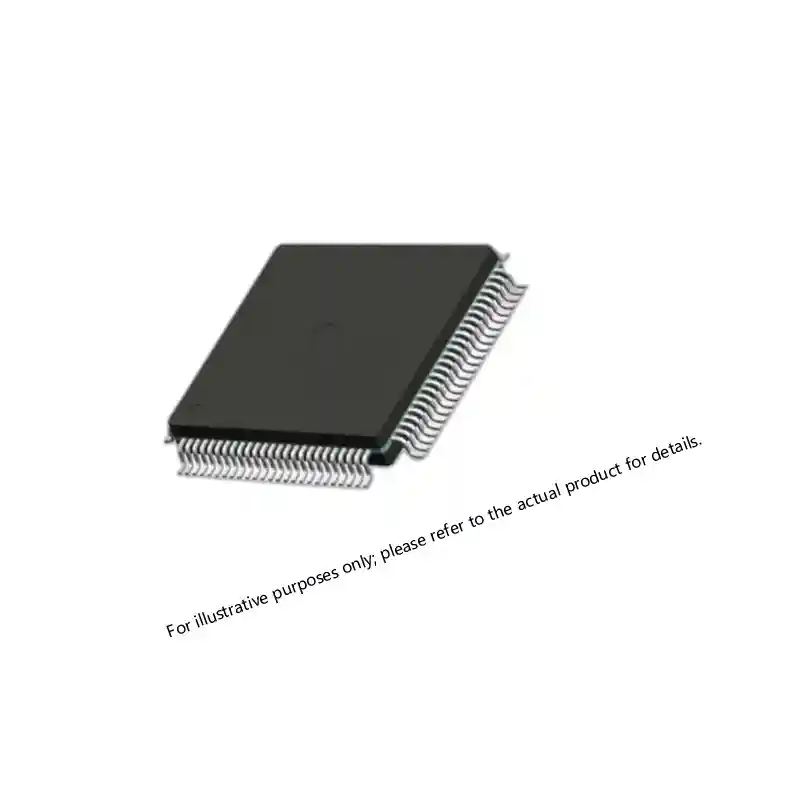
If your program involves devices with long fab cycles or single-source dependencies, it is worth confirming alternative source options and die banking feasibility before the next program milestone. Send your part number and timeline to xuansc2144@gmail.com and we’ll assess supply continuity options against the current market.
Storage, Handling, and the Documentation That Makes a Component Defensible
A hi-rel component that sits in inventory for ten years must emerge as verifiably conforming as the day it was shipped. Storage conditions, handling procedures, and the documentation chain are as important as the original screening. MIL-SPEC packaging requirements (MIL-PRF-81705 for moisture barrier bags, MIL-STD-2073 for military packaging) are not optional — they protect against moisture ingress, lead oxidation, and electrostatic discharge. We store all MIL-grade ICs in humidity-controlled static-safe environments and verify lot integrity during periodic sample testing.
The documentation package needs to support a government contract audit years after delivery. A Certificate of Conformance is the minimum; we provide full chain-of-custody records, OEM purchase orders, incoming inspection reports, and test data from our own third-party lab coordination when the program requires it. We learned from experience that a missing test report can delay a depot repair by weeks. Our team ensures every shipment’s paperwork is complete before it leaves the warehouse.
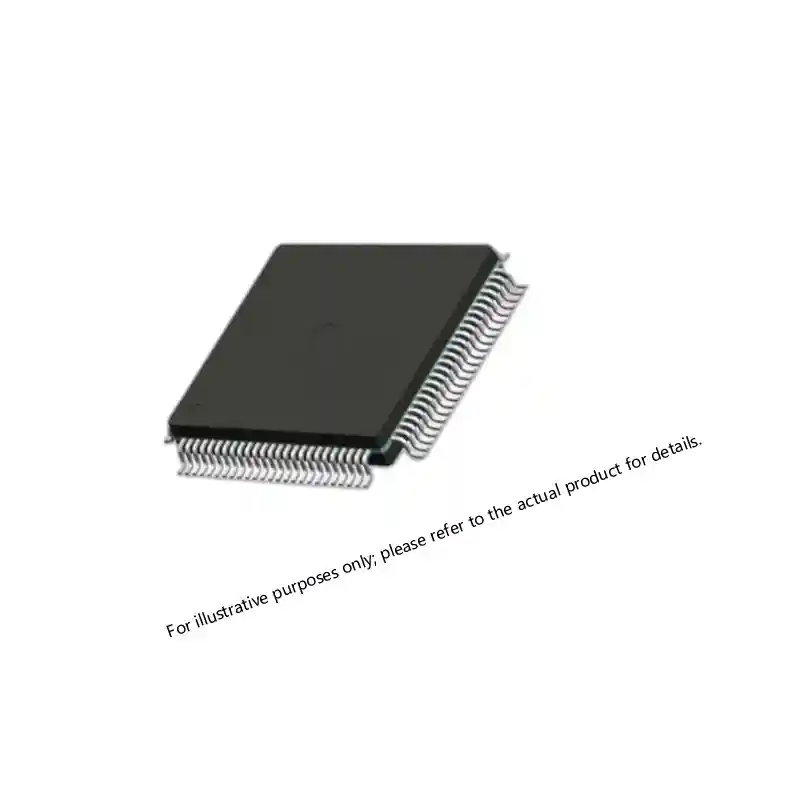
For components stored beyond five years, we recommend solderability testing per J-STD-002 and, for high-value FPGAs, functional re-verification. These are small costs compared to a field failure caused by a degraded component. Storage life is not a constant: a ceramic-packaged device stored in nitrogen cabinet can remain solderable far longer than the nominal shelf life, but only if the storage conditions are continuously monitored.
Making Lifecycle Planning Part of Program Procurement
The most effective lifecycle management we see happens when the procurement team, not just the design engineering group, owns the process. The procurement team sees lead time shifts and price movements first and can trigger engineering review before a shortage becomes a crisis.
One practical step is to structure the BOM with lifecycle field codes — designating each line as active, last-time-buy pending, available from distributor stock only, or recommended for technology refresh. This one-page view lets program managers allocate engineering resources to the most critical risks. For a radar program we support, the BOM flagged a legacy Altera EP4SGX230 FPGA as single-source with declining fab support; the team moved to a technology refresh plan two years before the last-time-buy announcement, avoiding a costly production gap.
Another underused lever is scheduling distributor-held buffer stock with contractual release windows. Instead of buying all buffer inventory upfront and tying up program funds, the program can contract for reserved stock with scheduled deliveries. We structure these agreements with fixed pricing windows and cancellation allowances, which gives the program flexibility without committing years of capital. In a long-duration defense program, cash flow matters almost as much as component availability.
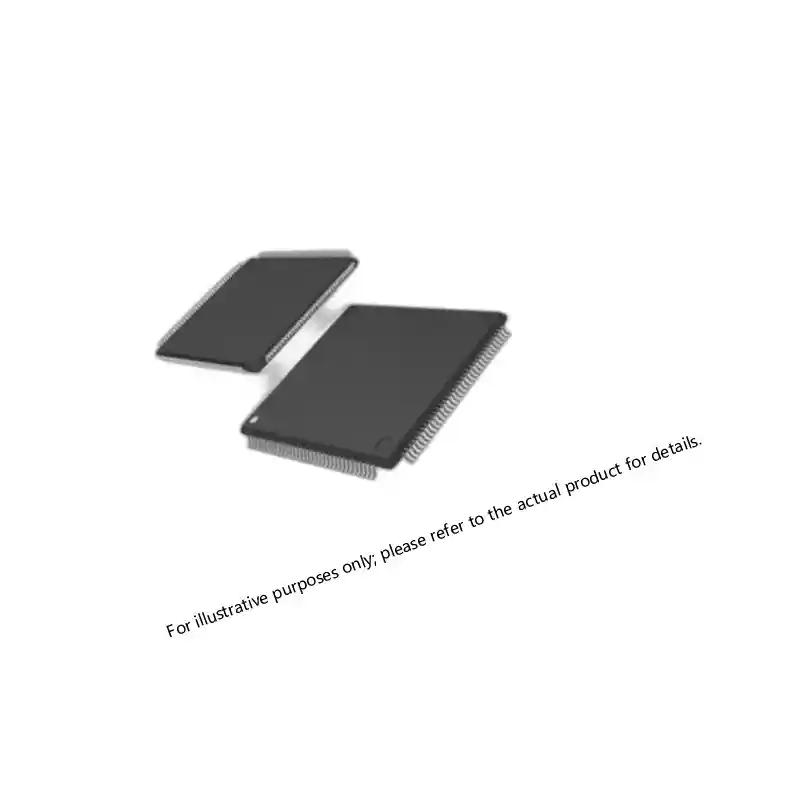
When lifecycle management is treated as an integral part of procurement, rather than a fire drill triggered by an obsolescence notice, the program gains both cost predictability and schedule confidence. This is the standard we work toward with every program we support.
Managing Your Program’s Component Lifecycle With a Supply Partner
If you’ve spent a decade keeping the same weapon system or avionics platform operational, you know that component shortages are not a future risk — they’re a recurring operational headache. The scarcest resource is not the component itself; it’s the time you lose when a part goes end-of-life and the team scrambles for a substitute.
At Sparkle Electronics, we’ve spent over twelve years helping defense contractors, system integrators, and research labs solve this exact problem. We stock a deep inventory of MIL-SPEC FPGAs, ADCs, DSPs, memory, and power modules from brands including Xilinx, ADI, TI, Microsemi, and VICOR, and we keep full traceability documentation for every device. More importantly, we work with your team early in the lifecycle — during BOM review, technology refresh planning, or risk assessment — so the supply chain is ready before you need it.
If your program is approaching a last-time buy, evaluating die banking options, or simply looking for a supplier who treats traceability and compliance as mandatory rather than optional, send your BOM or part numbers to xuansc2144@gmail.com. We’ll respond with a supply continuity assessment, stock availability, and a clear picture of the path forward.
Common Questions Defense Procurement Teams Ask About Hi-Rel Component Lifecycles
What’s the difference between lifecycle management and obsolescence management?
Obsolescence management is a subset. It deals with the end-of-life phase — last-time buys, replacements, and redesigns. Lifecycle management covers the full arc: selection, qualification, production support, sustaining, and end-of-life. Programs that only focus on obsolescence tend to react too late; we’ve seen teams forced into expensive respins because nobody monitored the BOM during the production phase.
How early should a program start lifecycle planning for FPGAs?
At component selection, which is usually 18–24 months before first prototype. For FPGAs, the die bank decision alone can require a year of lead time with the manufacturer. If you wait until the design is frozen, you may have already locked yourself into a single-source path with no fallback. We recommend incorporating alternate part evaluation and supply continuity analysis into the selection review, not later.
Can a distributor really hold parts for 10 years?
Yes, if storage conditions are maintained. Ceramic-packaged MIL parts stored in nitrogen or dry cabinets can remain solderable and electrically conforming well beyond the nominal shelf life. But the critical factor is documentation continuity — the chain of custody and storage records must survive the full decade. We maintain climate-controlled storage with continuous monitoring and provide full lot-history reports on request.
What’s the most common lifecycle mistake you see in defense programs?
Programs treat the bill of materials as a static document. They qualify a part during development, then re-order the same part number for years without checking whether the OEM fab status has changed. A part number can go from active to not-recommended-for-new-design without the program team noticing. The single best corrective action is a quarterly BOM health check that flags lead time drift, EOL notices, and part number changes.
If your program needs a quarterly BOM health check or a supply continuity plan for long-lead hi-rel components, send your BOM to xuansc2144@gmail.com and we’ll help you build the monitoring framework.
If you’re interested, check out these related articles:
UltraScale KU085 FPGA Specifications for Defense Systems
XCKU085 UltraScale FPGA: Performance for Critical Systems
A1020B-PG84B ACT2 FPGA: Specs, Sourcing, and Availability