How Increased Defense Budgets Are Driving Demand for Military Electronic Components
Table of Contents
- Why Funding Velocity Outpaces Production Capacity
- Which Component Categories Face the Steepest Demand Curves
- How Mega-Programs Consume Available Inventory
- What Supply Chain Moves Actually Work During Allocation Crunches
- Where Regional Budget Growth Compounds Global Shortages
- Why Counterfeit Risk Increases When Lead Times Extend
- What the Next Five Years Look Like for Military Component Markets
- Partner with a Military Component Specialist
- Frequently Asked Questions
- Why do MIL-SPEC component lead times extend when defense budgets increase?
- Which component categories face the tightest supply during defense spending surges?
- How can smaller defense contractors compete for constrained components?
- What documentation should procurement teams require during supply shortages?
- How long will current supply constraints persist for military components?
- References
Defense spending across NATO members and Indo-Pacific allies hit record levels in 2024. The United States alone allocated $886 billion to the Department of Defense. That budget expansion translates directly into procurement pressure on military-grade electronic components—FPGAs, high-speed ADCs, MIL-SPEC power modules, and QML-qualified memory ICs now face extended lead times as prime contractors accelerate production schedules for radar systems, electronic warfare platforms, and satellite payloads. For procurement engineers managing multi-year defense programs, understanding how funding cycles shape component availability is essential to maintaining schedule integrity.
Why Funding Velocity Outpaces Production Capacity
Government appropriations do not flow evenly across fiscal years. When a defense authorization bill passes, prime contractors receive obligation authority that triggers immediate subcontract releases. Tier-2 and Tier-3 suppliers then compete for the same pool of MIL-PRF-38535 qualified semiconductors, JANTXV discrete devices, and radiation-tolerant FPGAs. The Stockholm International Peace Research Institute reported global military expenditure reached $2.44 trillion in 2023, a 6.8% real-term increase from the prior year. This growth rate outpaces semiconductor manufacturing capacity expansion for hi-rel product lines, which typically require 18 to 24 months for new wafer starts to reach qualified inventory.
The mismatch between funding velocity and production lead time creates allocation shortages. A Virtex-7 FPGA in the XC7VX690T configuration, widely specified for radar signal processing, carries a standard lead time exceeding 52 weeks from the manufacturer. When multiple programs compete for the same device, distributors with existing stock become critical supply chain nodes.
Which Component Categories Face the Steepest Demand Curves
Not all military electronic components face equal pressure. Demand concentration follows system-level investment priorities established in national defense strategies.
| Component Category | Primary Applications | Lead Time Trend (2024) |
|---|---|---|
| Military-grade FPGAs | Radar, EW, SIGINT, satellite payloads | 40–65 weeks |
| High-speed ADCs (1 GSPS+) | Software-defined radio, electronic warfare | 35–50 weeks |
| QML-qualified memory | Avionics, missile guidance, space systems | 30–45 weeks |
| MIL-SPEC power modules | Shipboard electronics, ground vehicles | 25–40 weeks |
| Radiation-hardened ICs | LEO/GEO satellites, strategic systems | 50–70 weeks |
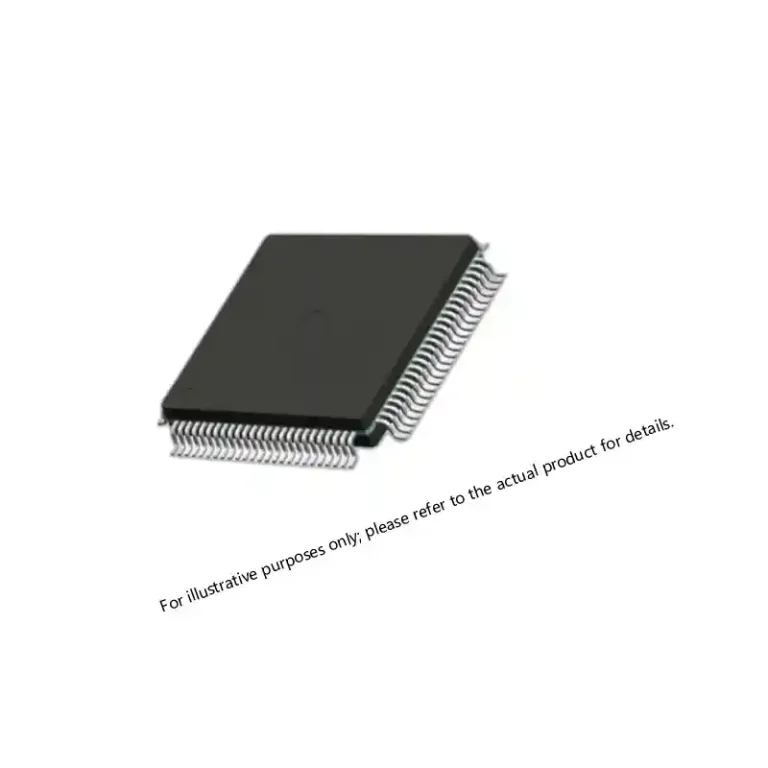
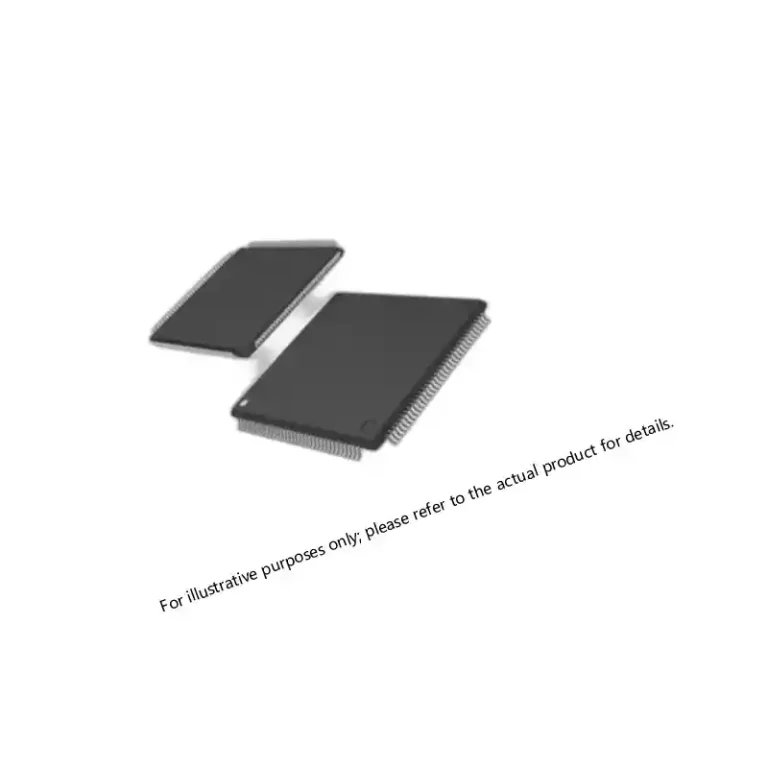
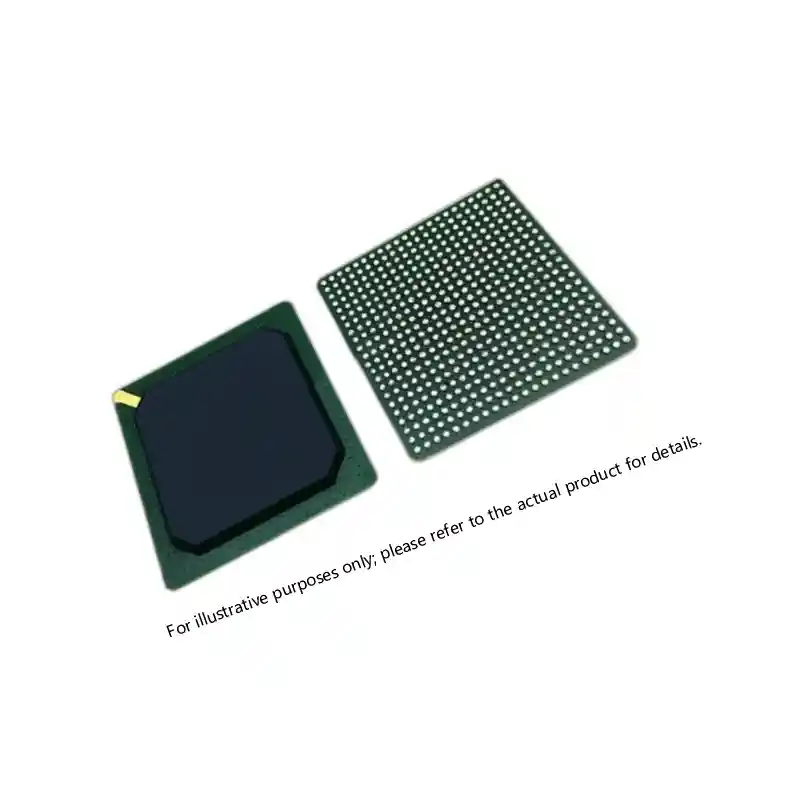
FPGAs dominate the constrained list because modern defense electronics architectures rely on reconfigurable logic for waveform generation, signal processing, and secure communications. The shift toward software-defined systems means a single FPGA family, such as the Xilinx Kintex-7 or Microsemi SmartFusion2 series, appears across dozens of active programs.
How Mega-Programs Consume Available Inventory
Large-scale programs consume disproportionate shares of available inventory. The F-35 Joint Strike Fighter program, with over 900 aircraft delivered and production rates increasing toward 156 units per year, requires thousands of hi-rel components per airframe. Each aircraft contains multiple radar modules, electronic warfare suites, and avionics line-replaceable units populated with MIL-SPEC semiconductors.
Similar dynamics apply to the Next Generation Interceptor program, Sentinel ICBM modernization, and the Columbia-class submarine construction schedule. When the Congressional Budget Office projects $756 billion in shipbuilding costs over the next 30 years, that figure translates into sustained demand for naval-rated electronics capable of operating in salt fog, high humidity, and extended temperature ranges.
For procurement teams at smaller defense contractors, these mega-programs represent both competition and opportunity. Components rejected by prime contractors for cosmetic or documentation reasons sometimes become available through authorized distribution channels, provided traceability and authenticity verification meet program requirements.
What Supply Chain Moves Actually Work During Allocation Crunches
Defense procurement professionals cannot control appropriations timelines, but they can position their programs to secure components before allocation constraints tighten.
Strategic inventory positioning provides schedule insurance. For programs with three-year or longer production horizons, purchasing six to twelve months of critical component inventory at the start of the contract protects against mid-program shortages. This approach requires coordination between engineering, contracts, and finance to authorize early material releases.
Multi-source qualification reduces single-point vulnerability. Qualifying a second-source device during the engineering development phase, even if it requires minor board-level modifications, provides procurement flexibility when the primary source becomes constrained. The FPGA pin-out compatibility between certain Xilinx and Intel (Altera) families makes this feasible for some applications.
Distributor partnership development matters more than most procurement teams realize. Independent distributors with established inventory positions in military-grade components can bridge gaps when manufacturer lead times exceed program schedules. The key evaluation criteria include AS6081/AS9120 certification, documented inspection procedures, and the ability to provide complete chain-of-custody documentation.
If your program faces a critical shortage on a specific part number, discussing available inventory and lead time options with a specialized distributor before committing to a sole-source strategy often reveals alternatives that direct OEM channels cannot offer.
Where Regional Budget Growth Compounds Global Shortages
Defense budget growth is not confined to the United States. The European Union collectively increased defense spending by 6% in 2023, with Poland, Germany, and the Baltic states leading percentage increases. Japan’s defense budget reached a record $55 billion, reflecting revised national security strategies focused on missile defense and maritime domain awareness. Taiwan’s defense appropriations grew 7.4% year-over-year, with emphasis on asymmetric capabilities requiring advanced electronic systems.
These regional increases compound global demand for components that already operate at near-capacity production rates. A Taiwanese missile defense program, a German Leopard 2 upgrade initiative, and a U.S. Navy destroyer construction contract may all specify the same Texas Instruments DSP or Analog Devices high-speed ADC.
Why Counterfeit Risk Increases When Lead Times Extend
Budget pressure can tempt procurement teams to accept components from unverified sources. This approach introduces substantial program risk. Counterfeit components in military systems have caused mission failures, and the cost of rework, requalification, and schedule delay far exceeds any savings from questionable sourcing.
DFARS 252.246-7008 requires contractors to detect and avoid counterfeit electronic parts. NDAA Section 889 prohibits the use of certain telecommunications equipment in government contracts. Compliance with these requirements demands documented supplier qualification, incoming inspection protocols, and traceability records that can withstand DCMA audit.
The practical implication for procurement engineers: when lead times extend and prices increase, the temptation to source from unfamiliar channels grows. Resisting that temptation by working with AS6081-certified distributors protects both program integrity and professional reputation.
What the Next Five Years Look Like for Military Component Markets
Defense budget trajectories suggest sustained demand pressure through at least 2030. The U.S. Department of Defense Future Years Defense Program projects continued growth in procurement and RDT&E accounts. European rearmament initiatives, driven by changed security perceptions since 2022, show no signs of reversal. Indo-Pacific allies continue modernizing air defense, maritime surveillance, and command-and-control systems.
For component manufacturers, this demand environment justifies capacity expansion investments, but new production lines require years to qualify for MIL-PRF-38535 or QML standards. The gap between demand growth and capacity expansion will persist through the decade.
Procurement teams that establish supplier relationships, secure strategic inventory, and qualify alternative sources now will outperform those who wait for crisis procurement situations to develop.
Partner with a Military Component Specialist
Securing authentic, traceable military-grade components during periods of constrained supply requires a distributor with established inventory positions and rigorous quality processes. Sparkle Electronics maintains stock across FPGA, DSP, high-speed ADC/DAC, memory, and power module categories from leading manufacturers including Xilinx, Analog Devices, Texas Instruments, and VICOR. Every shipment includes complete documentation meeting DFARS and AS6081 requirements.
To discuss availability and lead times for your program requirements, contact us at xuansc2144@gmail.com.
Frequently Asked Questions
Why do MIL-SPEC component lead times extend when defense budgets increase?
Budget increases release contract obligations that trigger simultaneous procurement activity across multiple programs. When dozens of prime contractors and their subcontractors compete for the same qualified component inventory, lead times extend because manufacturer capacity cannot scale at the same rate as funding. Components with complex qualification requirements, such as QML FPGAs and radiation-hardened memory, experience the most severe extensions because production increases require 18 to 24 months to yield qualified parts.
Which component categories face the tightest supply during defense spending surges?
High-speed ADCs above 1 GSPS, military-grade FPGAs from the Virtex and Kintex families, radiation-hardened processors, and QML-qualified SRAM consistently face the tightest allocation. These devices appear in radar, electronic warfare, satellite, and missile guidance systems across multiple concurrent programs. Power modules rated for wide temperature ranges and naval environments also experience extended lead times during shipbuilding surges.
How can smaller defense contractors compete for constrained components?
Establishing relationships with specialized distributors who maintain strategic inventory provides access to components that may not be available through direct OEM channels. Qualifying second-source devices during engineering development creates procurement flexibility. Coordinating with prime contractors to aggregate demand can improve allocation priority. Early engagement with suppliers before production ramp-up positions smaller programs ahead of the demand curve.
What documentation should procurement teams require during supply shortages?
Every component shipment should include manufacturer certificates of conformance, lot date codes, complete chain-of-custody documentation, and test reports where applicable. For components sourced through distribution, AS6081 compliance documentation and inspection records are essential. DFARS flowdown requirements apply regardless of supply conditions, and accepting components with incomplete documentation creates audit and performance risk that no schedule pressure justifies.
How long will current supply constraints persist for military components?
Projections based on defense budget trajectories and manufacturer capacity expansion timelines suggest constraints will persist through at least 2028 for the most affected categories. New wafer fabrication capacity for hi-rel products requires multi-year qualification cycles. Programs planning production beyond 2025 should incorporate extended lead time assumptions into schedule baselines and consider strategic inventory purchases to mitigate risk. For urgent requirements, consulting with a distributor who tracks real-time availability across multiple sources can identify options that direct manufacturer quotes may not reflect.
References
Stockholm International Peace Research Institute — Trends in World Military Expenditure, 2024
Congressional Budget Office — An Analysis of the Navy’s Fiscal Year 2024 Shipbuilding Plan, 2023
If you’re interested, check out these related articles:
Virtex-7 690T FPGA: Performance for Mission-Critical Systems
XC7VX485T FPGA: Virtex-7 Performance for Defense
Virtex-7 XC7VX690T: Performance and Reliability Insights
XC7VX485T Virtex-7 FPGA: Performance and Sourcing for Defense
A1020B-PG84B ACT2 FPGA: Specs, Sourcing, and Availability