Depot Maintenance Hi-Rel Component Sourcing for Defense
Table of Contents
- What Makes Depot-Level Sourcing Unforgiving for Hi-Rel Parts
- Documentation Requirements That Depot Programs Cannot Waive
- Qualifying a Distributor When the OEM Is No Longer an Option
- Testing and Verification Protocols That Keep Depot Repairs Safe
- Building a Supply Chain That Outlasts the Next Obsolescence Notice
- Common Questions About Depot Hi-Rel Component Sourcing
- How do I find a drop-in replacement when the original 5962 number is no longer available?
- Are commercial-grade parts ever acceptable for depot maintenance?
- What is the single biggest threat to depot component integrity?
- How can a specialist distributor support a depot program that already has prime contractor logistics?
- What should a depot procurement manager expect from a hi-rel distributor’s lot acceptance process?
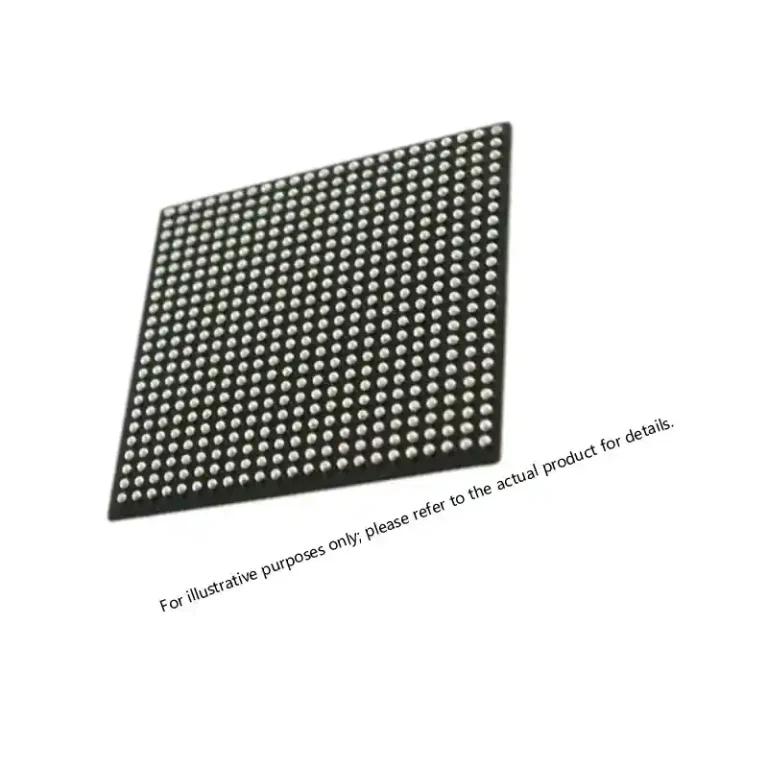
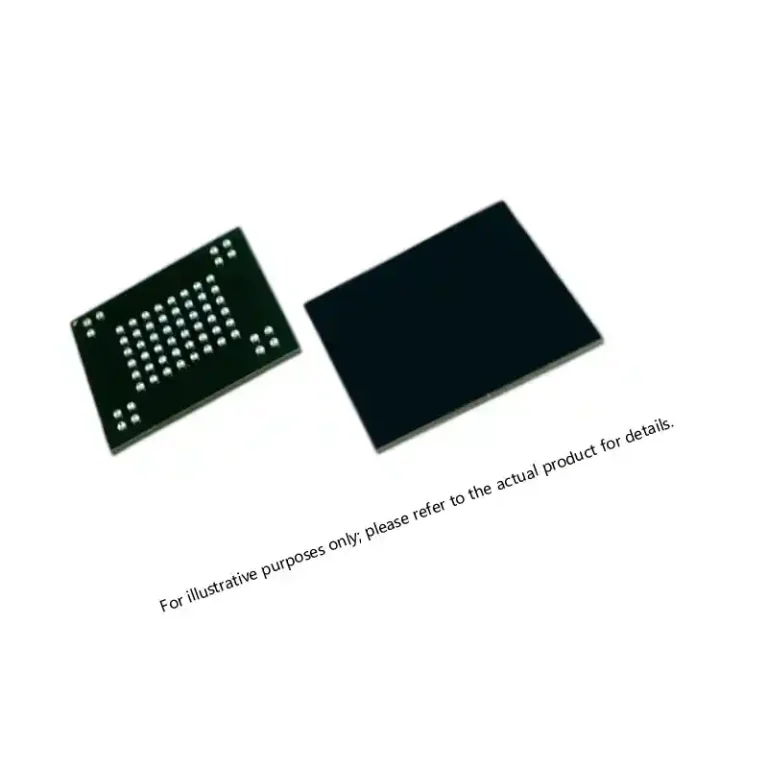
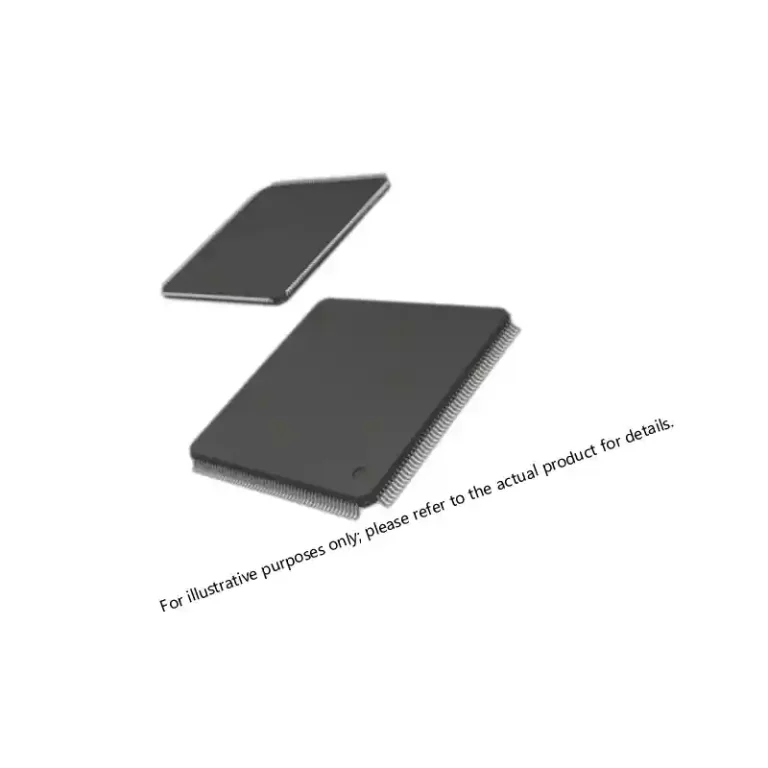
Military depot maintenance hi-rel component sourcing demands verification strategies that go well beyond standard procurement because the components feeding these programs often outlive their original manufacturers. When a radar system, avionics suite, or fire-control computer enters sustainment decades after the production line shut down, the depot’s ability to return that asset to serviceable condition hinges on a handful of parts that no one stocks by default. I have watched skilled depot teams held up for months not because the repair procedure was unknown, but because a single obsolete FPGA or a specific 5962-series logic chip had no documented path from the OEM to the maintenance bay.
That reality reshapes how we think about supply chain for depot programs. The buying process is not a simple RFQ-for-cost exercise. It is a forensic, verification-intensive search for parts that are traceable back to an authorized source, supported by documentation that will survive a compliance audit ten years from now. The sections that follow lay out the supplier qualification, documentation, testing, and long-term planning moves that make depot maintenance part sourcing predictable rather than reactive.
What Makes Depot-Level Sourcing Unforgiving for Hi-Rel Parts
Depot maintenance operates in a narrow band between operational urgency and absolute technical fidelity. Unlike production programs that order components in volume against a fresh BOM, depot teams need small lots for specific repair decisions, often for platforms that have been in the field for twenty or thirty years. The original manufacturer may have discontinued the part, sold the product line, or left the defense market entirely. When the depot cannot buy directly from the OEM, the available alternatives are limited: rely on excess stock held by a franchised distributor, or source from the independent aftermarket.
The friction is not just about finding a part with the same markings. For a depot repair to be accepted, the component must meet the same qualification baseline as the original, which for mil-spec devices means compliance with MIL-STD-883 screening, QML qualification if required, or equivalent hi-rel class testing. If a depot swaps in a part with a different material set or die revision, even if functionally identical, the configuration control documentation no longer holds. I have seen programs where an unreported die change introduced a supply voltage sensitivity that caused intermittent failures in a depot-repaired line-replaceable unit. The root cause was not the part’s capability but the fact that no one verified the electrical characteristics against the original approved device.
Documentation Requirements That Depot Programs Cannot Waive
Every depot parts order carries paperwork that is as critical as the silicon inside the package. For hi-rel components, that paperwork typically begins with a Certificate of Conformance (C of C) per MIL-PRF-38535 or the applicable specification sheet. The C of C confirms that the delivered lot has been manufactured, screened, and tested to the stated military standard. If the device carries a QML listing, the certificate must reference the QML class and the test flow.
Traceability documentation extends that chain to the wafer fabrication and assembly locations. A lot of 5962-series logic devices should be traceable back to a specific die lot and bond-out facility. That traceability is the only defense that depot quality engineers have when a failure investigation needs to determine whether a problem is component-specific or systemic to a larger population. Without it, every removed and replaced part becomes an unknown risk.
The table below summarizes the core document types a depot procurement package should include before parts enter the repair pipeline.
| Document Type | Purpose | Typical Reference |
|---|---|---|
| Certificate of Conformance | Confirms lot compliance to MIL-PRF | MIL-PRF-38535 |
| Traceability Record | Links part to wafer lot and assembly plant | Die lot, date code |
| Test Data Summary | Provides electrical parameter results | Per device data sheet |
| Counterfeit Mitigation Report | Documents visual and X-ray inspection results | AS5553 / IDEA-STD-1010 |
Qualifying a Distributor When the OEM Is No Longer an Option
When the franchised channel dries up, depot maintenance programs must evaluate independent distributors with a standard that leaves little room for trust-based shortcuts. A distributor that handles mil-spec devices for depot use should hold AS9120 certification at minimum. If the distributor also performs any test or inspection on the parts, then accreditation to ISO/IEC 17025 for the relevant test procedures becomes non-negotiable. Certification tells you a process exists. Accreditation tells you the process is independently verified.
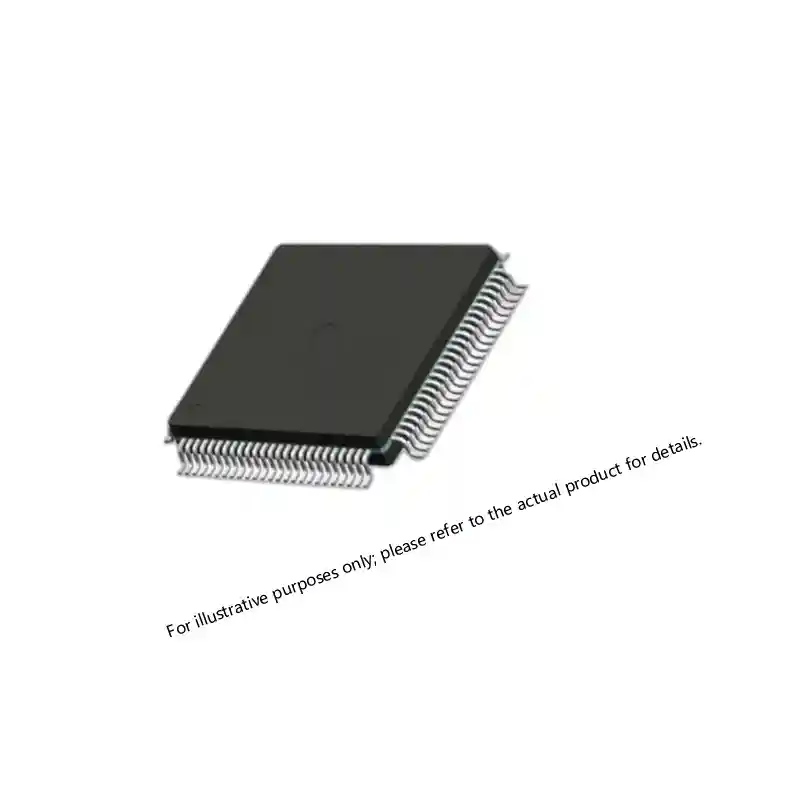
Beyond certifications, I look for evidence of physical inspection capability. At Sparkle Electronics, for instance, incoming hi-rel devices go through high-resolution visual inspection and X-ray fluorescence material analysis before they are accepted into stock. That step is not optional for depot-bound parts. It is the first gate that catches re-marked commercial devices sold as mil-spec. We have documented cases where a lot of JANTXV-labeled transistors turned out to have date codes that predated the manufacturer’s qualification of that part number to the JANTXV level. Basic visual under magnification caught the inconsistency in minutes. A depot that skips this step absorbs the failure downstream, where the cost of a teardown and re-repair dwarfs any per-part savings.
The inquiry point that this qualification process raises for depot programs is straightforward: if your current supplier cannot show you a documented inspection record for the exact lot you are receiving, that supplier is not yet qualified for depot work. You do not need a perfect supply chain, but you need a documented one.
Testing and Verification Protocols That Keep Depot Repairs Safe
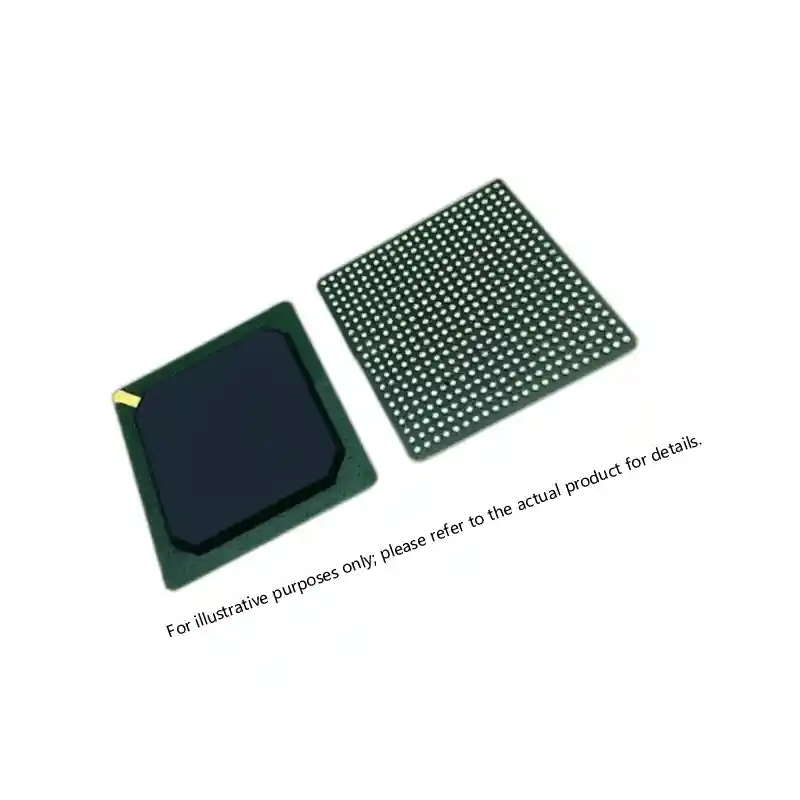
Once a part arrives with clean documentation, the depot or its designated test partner needs to apply a verification flow that is scaled to the component’s criticality. For passives, that may mean a simple electrical parameter check against the data sheet. For microcircuits, particularly programmable devices like FPGAs or complex ADCs, the verification must go further. X-ray inspection can reveal internal wire-bond anomalies, missing die, or inconsistencies in the lead frame. For extremely sensitive or life-limited devices, decapsulation and die-level comparison against a golden sample is the definitive check, though it is reserved for high-risk lots where suspicion already exists.
I recommend that depot programs maintain a relationship with a third-party test lab that understands MIL-STD-883 test methods and can turn around results in hours, not weeks. The depot’s role is not to become a full electronics test facility. It is to have a pre-qualified path to independent verification. When a depot receives a lot of, say, Axcelerator or SmartFusion FPGAs for a legacy mission computer, and the source is not the OEM, running a sample through electrical test and X-ray is the only defensible position before committing that part to a flight-critical repair.
If your program involves high-density FPGAs or radiation-tolerant devices that carry multiple commercial look-alikes, it is worth confirming the exact test flow that your distributor applies before finalizing your BOM. Reach out at xuansc2144@gmail.com with your part numbers and we can share the verification steps we use for similar devices.
Building a Supply Chain That Outlasts the Next Obsolescence Notice
The most preventable depot supply disruption is the one that comes from a DMSMS (Diminishing Manufacturing Sources and Material Shortages) alert that lands without a reactive plan. By the time the obsolescence notification appears, the part may already be unavailable from any franchised distributor. For high-runner depot repair items, the procurement strategy must include deliberate inventory positioning well before the alert date.
That positioning can take several forms. For FPGAs and processors with known life-cycle roadmaps, a last-time buy executed two to three years before the OEM shutters the line can cover a decade of depot demand. For devices where a last-time buy was missed, partnering with a distributor that maintains a die bank or holds strategic inventory of legacy hi-rel parts becomes the bridging strategy. The alternative, redesigning the board to fit a new component, often costs more than the entire depot maintenance budget for that year.
Long-standing depot programs also need a partner willing to hold inventory against forecasted repair demand, not just against immediate purchase orders. At Sparkle Electronics, we regularly maintain stock of obsolete Microsemi ProASIC and Actel Axcelerator FPGAs, Analog Devices high-speed ADCs, and Vicor power modules that feed into older depot line items. That inventory model works because we align with the depot’s repair schedule, not the spot market. When a depot team knows they can pull the same date-code lot month after month without re-qualifying each receipt, depot throughput improves measurably.
Common Questions About Depot Hi-Rel Component Sourcing
How do I find a drop-in replacement when the original 5962 number is no longer available?
You start with the original manufacturer’s cross-reference and then validate form, fit, and function against the depot’s approved parts list. Often, a commercial equivalent with identical die and screening can be upscreened to the required military temperature range and tested to the applicable MIL-STD-883 method. The key is that the upscreening must be traceable and the test data retained. Without that paper trail, the replacement is indistinguishable from an unverified swap.
Are commercial-grade parts ever acceptable for depot maintenance?
It depends on the system criticality and the depot’s design authority. For ground support equipment and non-safety-of-flight applications, commercial parts with additional incoming screening can work, provided the engineering team signs off on the derating analysis. For avionics or weapon systems, commercial substitution is rarely accepted because the reliability data is not bounded across the required temperature and vibration envelope. The depot’s engineering release process should define the allowed substitution tiers explicitly.
What is the single biggest threat to depot component integrity?
Counterfeit parts that enter through uncontrolled aftermarket sources. In bulk, a re-marked commercial transistor or a sanded and re-laser-marked FPGA can pass a quick visual check. The threat is not just performance; a counterfeit part may introduce latent reliability defects that surface after the depot releases the asset, directly impacting mission readiness. Mandatory incoming inspection with visual, X-ray, and electrical sample testing closes that threat vector.
How can a specialist distributor support a depot program that already has prime contractor logistics?
A specialist distributor handles the gap parts: the one-off obsolescent items, the long-lead-time power modules, the legacy connector series. While the prime contractor manages the volume flow, the specialist can stock the low-demand, high-consequence parts that would otherwise force the depot to hold excess inventory or wait for a rebuild. This dual-supply model balances throughput against risk.
What should a depot procurement manager expect from a hi-rel distributor’s lot acceptance process?
Minimum expectation: documented visual inspection, full lot traceability to OEM, electrical verification on a statistically significant sample, and retention of test records for the life of the depot repair warranty. If the distributor cannot provide test data for the specific date code lot being shipped, the depot should reject the lot or route it through an independent lab at the distributor’s expense. Share your depot’s part number and quantity requirements with us at xuansc2144@gmail.com or call our team to confirm that the acceptance process aligns with your depot’s quality manual before committing.
If you’re interested, check out these related articles:
XC7VX485T Virtex-7 FPGA: Performance and Sourcing for Defense
Virtex-7 690T FPGA: Performance, Packaging, and Reliability Insights
Virtex-7 XC7VX690T: Performance, Reliability, and Integration