AI Defense Supply Chain: Enhancing Military Component Security
Table of Contents
- Why Traditional Supply Chain Management Falls Short in Defense
- How AI Verifies Component Authenticity at Scale
- What Predictive Models Actually Do for Obsolescence Management
- Where Compliance and Cybersecurity Intersect with AI Deployment
- What Autonomous Defense Logistics Will Look Like in Practice
- Frequently Asked Questions
The defense sector faces continuous pressure to secure its complex supply chains against a multitude of threats, from geopolitical instability to sophisticated counterfeit components. Integrating artificial intelligence into the defense supply chain offers a robust pathway to enhance security, improve resilience, and ensure the uninterrupted flow of mission-critical military components. This strategic adoption is no longer an option but a necessity for maintaining national security and operational readiness.
Why Traditional Supply Chain Management Falls Short in Defense
Defense supply chains operate within an environment characterized by unparalleled complexity, global reach, and inherent vulnerabilities. Traditional, manual approaches to managing these intricate networks are simply insufficient to address the speed and sophistication of modern threats. Geopolitical risks, such as trade restrictions and regional conflicts, can abruptly disrupt the availability of critical parts, while the constant threat of counterfeit electronic components directly compromises system integrity and personnel safety. AI-driven risk assessment provides the analytical depth required to identify potential disruptions before they escalate, offering resilience strategies for defense programs. Predictive models can analyze global events and their potential impact on specific component categories, allowing procurement teams to adjust sourcing strategies proactively. The sheer volume of data points across a typical defense program, spanning hundreds of suppliers across dozens of countries, exceeds what any manual review process can meaningfully track in real time.
How AI Verifies Component Authenticity at Scale
AI provides real-time visibility and advanced analytics essential for verifying the provenance and integrity of military-grade electronic components. This capability is critical in the ongoing fight against counterfeit electronic components, which pose a severe risk to defense systems. By analyzing vast datasets, AI algorithms can detect subtle inconsistencies in component markings, packaging, and performance characteristics that might elude human inspection. This proactive approach ensures the deployment of trusted microelectronics.
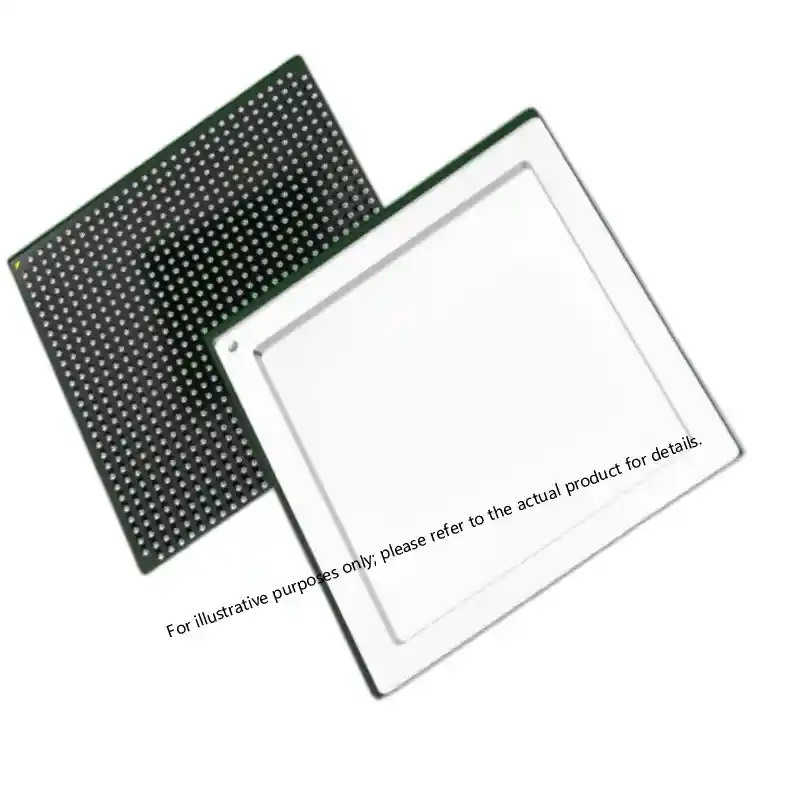
My team once encountered a batch of what appeared to be genuine MIL-SPEC FPGAs for a critical avionics project. Using advanced AI-powered optical inspection and data cross-referencing tools, we identified a discrepancy in the date codes and lot numbers that pointed to a sophisticated remarking attempt. Our intervention prevented the integration of potentially compromised components, saving the program an estimated $2.5 million in potential rework and system validation failures. This experience underscored the measurable impact of AI in military-grade component verification.
What Predictive Models Actually Do for Obsolescence Management
Predictive AI models are changing how the defense industry manages component obsolescence and potential supply disruptions. These models analyze historical data, manufacturer roadmaps, and market trends to forecast when specific parts might become obsolete, enabling proactive strategic sourcing and inventory management. For critical defense systems with long lifecycles, this foresight is invaluable for maintaining secure component lifecycle. AI can also simulate various supply chain scenarios, such as natural disasters or geopolitical events, to assess their potential impact and develop contingency plans. This capability ensures that defense electronics obsolescence does not compromise operational readiness.
| AI Application Area | Primary Benefit | Example AI Technique | Impact on Defense |
|---|---|---|---|
| Obsolescence Mgmt. | Proactive planning | Time-series analysis | Prevents system downtime |
| Risk Prediction | Early warning | Anomaly detection | Reduces supply shocks |
| Demand Forecasting | Inventory optimization | Machine learning | Lowers holding costs |
| Supplier Vetting | Enhanced trust | Network analysis | Secures sourcing |
Where Compliance and Cybersecurity Intersect with AI Deployment
Integrating AI into defense supply chains demands robust cybersecurity protocols and unwavering adherence to stringent regulatory frameworks. Maintaining data integrity defense electronics is paramount, as AI systems rely on accurate and untampered information to function effectively. Compliance with standards like MIL-SPEC and QML is non-negotiable for defense contractor compliance, ensuring that all components meet the rigorous quality and reliability requirements. AI solutions themselves must be developed and deployed with ethical AI in defense principles in mind, addressing concerns about bias, transparency, and accountability. Secure access controls, encryption, and continuous monitoring are essential to protect sensitive supply chain data from cyber threats, thereby preserving the trustworthiness of the entire system.
If your program involves multiple classification levels or cross-border data flows, it is worth discussing data architecture requirements before committing to a specific AI platform.
What Autonomous Defense Logistics Will Look Like in Practice
AI is paving the way for a future where defense logistics are highly autonomous and inherently resilient. Autonomous logistics systems can optimize routing, manage inventory levels across distributed networks, and even coordinate automated ground or aerial delivery systems. This vision includes self-healing supply networks that can automatically reroute or re-source components in response to disruptions, minimizing downtime and maintaining operational continuity. Advanced threat intelligence supply chain capabilities, powered by AI, continuously analyze global data streams to identify emerging threats, from cyberattacks on logistics systems to new forms of counterfeit schemes. Real-time supply chain monitoring coupled with anomaly detection supply chain algorithms will provide an unprecedented level of situational awareness, fundamentally transforming military readiness.
Frequently Asked Questions
What are the primary benefits of AI in defense supply chain management?
AI significantly enhances defense supply chain management by providing predictive capabilities, real-time visibility, and automated threat detection. It allows for the anticipation of component shortages, the identification of fraudulent parts, and the optimization of logistics, thereby reducing costs and improving operational efficiency. AI also strengthens the overall security posture by continuously monitoring for anomalies and potential breaches across the entire supply network.
How does AI help mitigate risks like counterfeiting in military electronics?
AI mitigates counterfeiting risks by employing machine vision for visual inspection, analyzing component data for anomalies, and cross-referencing global databases to verify authenticity. It can identify discrepancies in labeling, packaging, and even internal structures through non-destructive testing data, offering a powerful defense against fraudulent parts. This capability is vital for ensuring the integrity of high-reliability electronics sourcing.
What are the key considerations for implementing AI in a defense supply chain?
Key considerations include ensuring data privacy and security, integrating AI with existing legacy systems, developing robust validation processes for AI models, and addressing the ethical implications of autonomous decision-making. Training personnel on AI tools and maintaining strict compliance with defense industry regulations like MIL-SPEC are also critical for successful implementation.
How can smaller defense contractors adopt AI for supply chain defense?
Smaller contractors can start with targeted AI solutions for specific pain points, such as automated counterfeit detection or predictive obsolescence management for critical components, leveraging cloud-based services to minimize upfront investment in defense electronics supply chain security. This focused approach allows for measurable gains without extensive infrastructure overhauls.
What data security measures are essential when using AI in defense supply chains?
Robust data encryption, secure access controls, regular vulnerability assessments, and adherence to defense-specific cybersecurity frameworks like CMMC are crucial. Protecting data integrity defense electronics from unauthorized access or manipulation is paramount for AI system trustworthiness and operational reliability.
Is AI truly effective against sophisticated counterfeit electronic components?
Yes, AI significantly enhances counterfeit detection by analyzing vast datasets for anomalies in component markings, packaging, and performance characteristics that human inspection might miss. It provides a powerful layer of defense against even highly sophisticated counterfeit electronic components, bolstering verification processes. To discuss specific requirements for securing your military component supply chain, contact us at xuansc2144@gmail.com or by phone.
If you’re interested, check out these related articles:
XC7VX485T Virtex-7 FPGA: Performance and Sourcing for Defense
XCKU115 UltraScale FPGA: Powering Critical Defense Systems
XC7VX485T FPGA: Virtex-7 Performance for Defense