Military Component Market Trends: Key Insights for 2025
Table of Contents
- What Is Actually Driving Mil-Spec Component Demand Right Now
- Where Supply Chain Vulnerabilities Create the Biggest Risks
- Why Authentication and Compliance Cannot Be Treated as Checkboxes
- Which Technologies Are Changing What Procurement Teams Need to Source
- How Strategic Sourcing Decisions Affect Program Outcomes
- Frequently Asked Questions
- How do geopolitical tensions specifically affect the availability of military-grade semiconductors?
- What is the primary concern when integrating Commercial Off-The-Shelf components into military systems?
- Beyond obsolescence, what other long-term challenges face military component procurement?
- Why is a distributor’s inventory depth important for defense contractors?
The military component market in 2025 presents defense contractors and systems integrators with a challenging procurement environment. Technological requirements are advancing faster than supply chains can adapt, geopolitical pressures are reshaping where components can be sourced, and the gap between commercial semiconductor cycles and military program timelines continues to widen. For procurement teams managing high-reliability programs, understanding these dynamics is not optional—it determines whether systems ship on schedule or face costly delays.
What Is Actually Driving Mil-Spec Component Demand Right Now
The demand for military-grade electronic components, commonly called mil-spec components, stems from several converging pressures that show no sign of easing. Defense platforms now require electronics sophisticated enough to support artificial intelligence processing, autonomous navigation, and cyber warfare capabilities at the edge. Government modernization budgets in the US, Europe, and Asia-Pacific are funding these upgrades, but the component requirements they generate often outpace what suppliers can deliver on standard timelines.
Miniaturization of military components has become a hard requirement rather than a preference. Soldier-worn systems, small unmanned aerial vehicles, and satellite payloads all demand smaller, lighter electronics that still meet full environmental specifications. This pushes procurement toward the latest process nodes and packaging technologies, which creates tension with the long program lifecycles typical of defense work. A system designed today may need component support for 15 to 20 years, but the commercial foundries producing those components may move on within five.
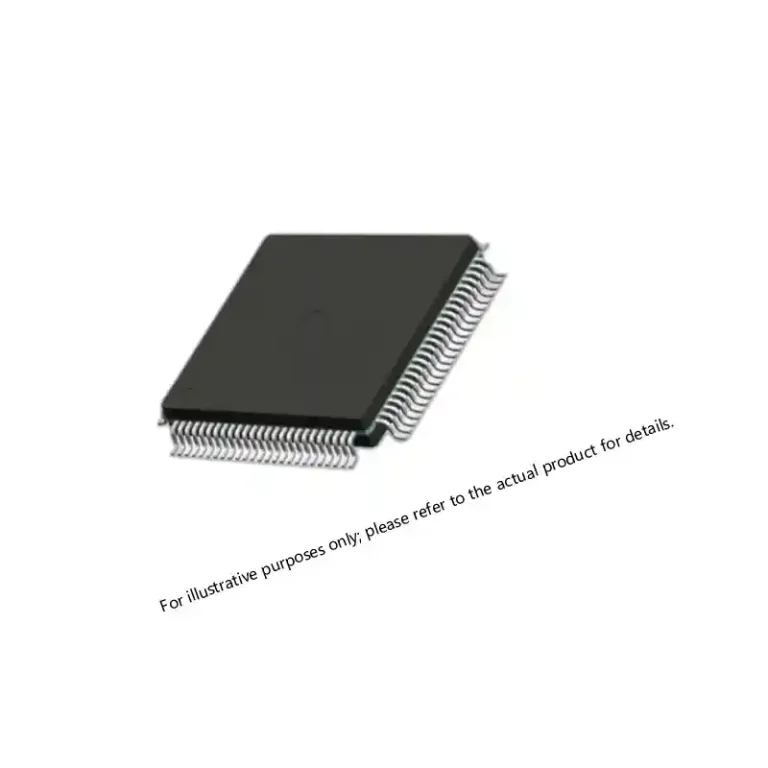
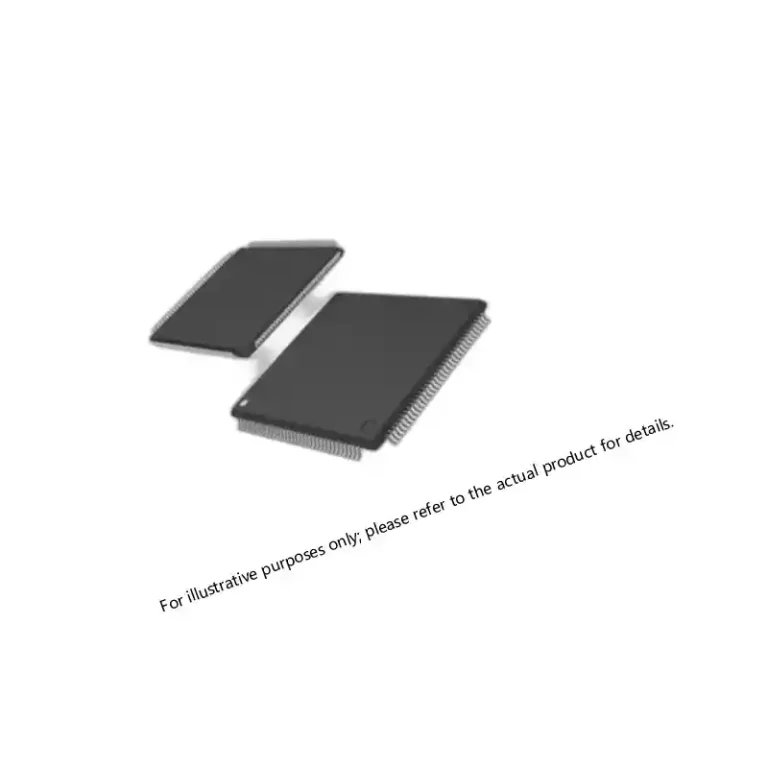
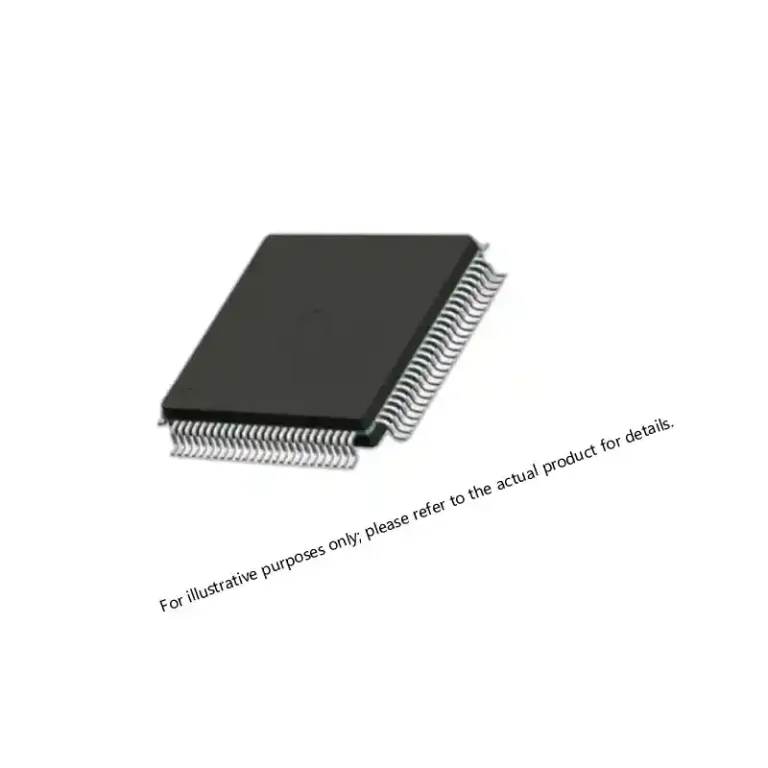
Specific component categories illustrate this pressure clearly. Field-Programmable Gate Arrays remain in high demand because their reconfigurability suits the rapid iteration cycles of modern defense development, while their processing density supports demanding applications like real-time signal processing and sensor fusion. Analog-to-Digital Converters and Digital-to-Analog Converters are equally critical for radar, electronic warfare, and communications systems where signal fidelity directly affects mission capability. Procurement teams face a dual challenge: integrating the latest technology to meet performance requirements while securing long-term availability commitments that commercial suppliers are often reluctant to provide.
Where Supply Chain Vulnerabilities Create the Biggest Risks
The defense supply chain operates under constraints that commercial electronics buyers rarely encounter. Lead times for mil-spec components routinely extend to 52 weeks or longer for certain device families, and production runs are small enough that a single program’s demand can exhaust available inventory. Obsolescence management for military components is a constant concern because commercial manufacturers discontinue older process nodes and package types on schedules driven by smartphone and data center markets, not by when military systems reach end of life.
Geopolitical factors have intensified these pressures. Export controls now restrict certain semiconductor technologies from reaching specific countries, and trade restrictions have prompted some manufacturers to restructure their supply chains in ways that affect availability for all customers. A component that was readily available from a single qualified source two years ago may now require navigating export licenses, alternative sourcing, or redesign.
One situation from recent experience illustrates what these pressures look like in practice. A defense program faced a production halt when a 5962-series FPGA went obsolete without warning. The original manufacturer had ceased production, and no drop-in replacement existed. The program team had perhaps six weeks of buffer stock remaining. Our team at SPARKLE ELECTRONICS CO., LIMITED initiated a global search through our network of authenticated sources, located verified inventory that met full traceability requirements, coordinated testing to confirm device integrity, and delivered the required quantity within three weeks. The alternative—a board redesign to accommodate a different device—would have cost an estimated $2 million and delayed the program by six months. This is not an unusual scenario; it is the kind of situation that procurement teams managing long-lifecycle programs should expect to encounter.
Why Authentication and Compliance Cannot Be Treated as Checkboxes
Traceability, adherence to MIL-SPEC standards, and strict compliance protocols are baseline requirements for high-reliability defense applications, not differentiators. Counterfeit component detection has become a significant concern across the industry because the consequences of a single fraudulent part reaching a fielded system can include mission failure and personnel risk. The economic incentives for counterfeiting are substantial given the price premiums that mil-spec components command, which means procurement teams must verify authenticity through documentation, testing, and supply chain visibility rather than relying on price or packaging alone.
MIL-SPEC refers to the military specifications that define performance, reliability, and environmental requirements for components intended for defense use. These standards exist because commercial specifications do not address the temperature extremes, shock, vibration, and radiation environments that military systems encounter. Qualified Manufacturers List certification indicates that a manufacturer’s processes and products have been validated to meet these requirements, providing a level of assurance that cannot be replicated through incoming inspection alone.
Export control regulations add another layer of complexity. ITAR governs the export of defense-related articles and services, requiring detailed documentation and compliance with specific trade policies. Components that fall under ITAR control require careful handling throughout the supply chain, and procurement teams must verify that their suppliers understand and follow these requirements. Our work at SPARKLE ELECTRONICS CO., LIMITED includes providing devices that meet MIL-PRF performance and reliability standards, with particular expertise in 5962-series devices where full traceability and compliance documentation are essential.
| Characteristic | MIL-SPEC Components | Commercial Off-The-Shelf Components |
|---|---|---|
| Reliability | Tested for extreme environments, high failure rate rejection | Designed for commercial operating conditions |
| Temperature Range | Typically -55°C to +125°C | Typically 0°C to +70°C |
| Traceability | Full documentation of supply chain history | Limited or unavailable |
| Compliance | MIL-PRF, QML, ITAR, export controls | Commercial standards only |
| Lifecycle Support | Long-term availability commitments | Driven by commercial market cycles |
Which Technologies Are Changing What Procurement Teams Need to Source
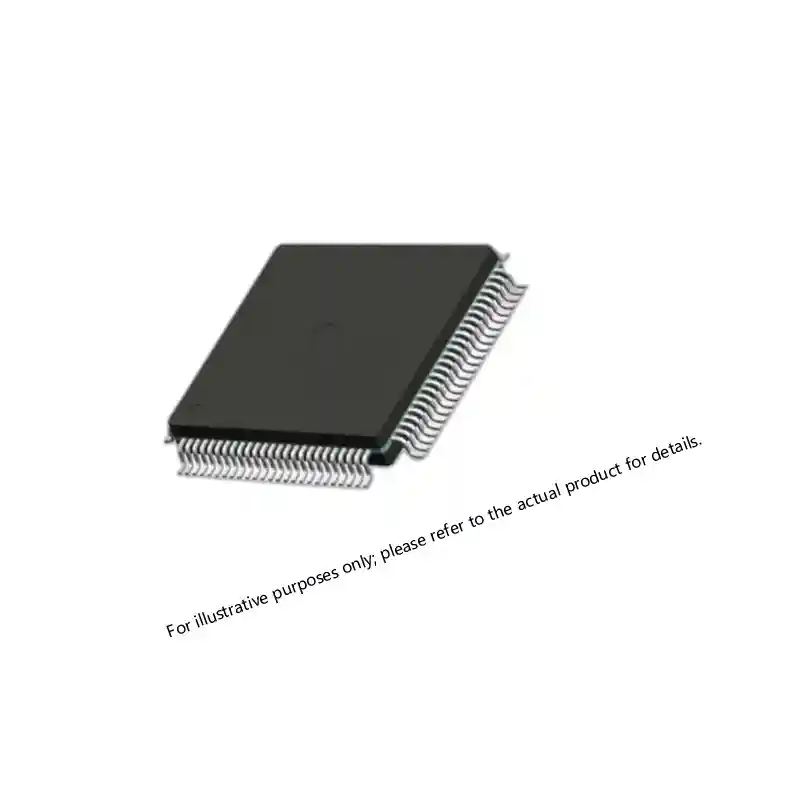
Several technology trends are reshaping the component requirements that defense programs bring to market. Rad-hard components, designed to withstand the radiation environments encountered in space and certain strategic applications, are seeing increased demand as military space programs expand. These devices require specialized design techniques and manufacturing processes that limit the number of qualified suppliers, which concentrates supply chain risk.
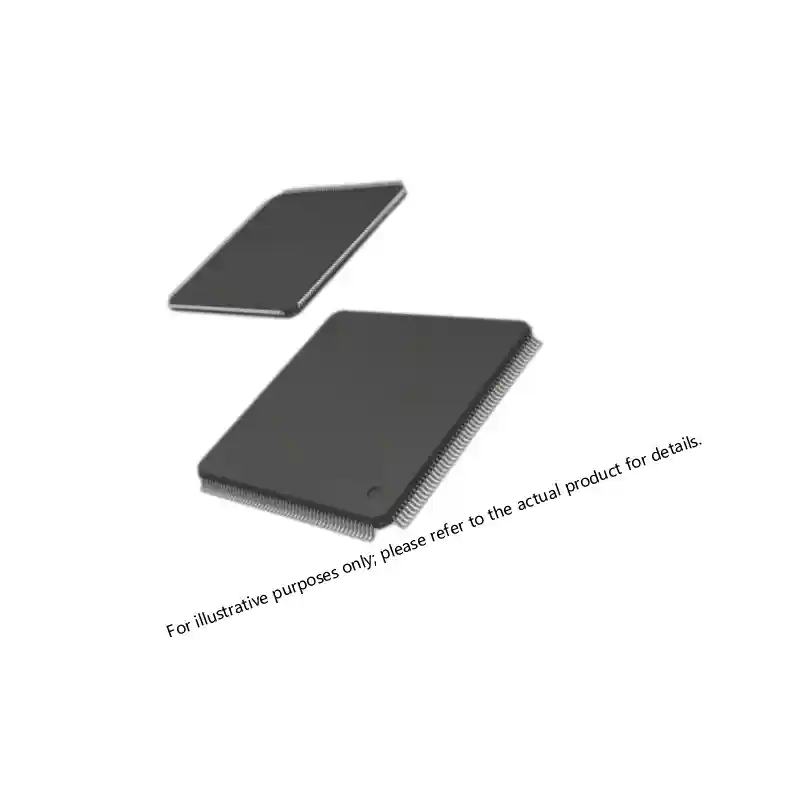
Space-grade components face an even more demanding set of requirements, including operation in vacuum, extreme temperature cycling, and radiation exposure over mission durations that can extend for decades. The materials and processes required to meet these specifications are not available from standard commercial foundries, which creates long lead times and limited sourcing options.
Ruggedized electronics trends reflect the operational realities of modern military systems. Components must survive shock from weapons fire, vibration from vehicle movement, and moisture from field conditions. These requirements drive demand for specialized packaging and qualification testing that adds cost and lead time but prevents field failures.
Cybersecurity in hardware has moved from a theoretical concern to a procurement requirement. Defense programs increasingly specify components with built-in security features to prevent tampering, unauthorized access, and supply chain compromise. This shifts some security responsibility from software to silicon, which affects component selection and supplier qualification.
Additive manufacturing offers potential for reducing lead times on certain mechanical and structural components, though its application to electronic components remains limited. The more significant near-term impact comes from the integration of artificial intelligence processing at the edge, which requires more powerful and efficient processing units than previous generations of military systems demanded.
How Strategic Sourcing Decisions Affect Program Outcomes
Developing relationships with distributors who understand defense procurement requirements provides advantages that become apparent when supply chain disruptions occur. Trusted source components come from suppliers with verified track records for authenticity, quality, and compliance—attributes that cannot be evaluated from a price quote alone.
Critical material sourcing has become a strategic concern as geopolitical tensions affect access to rare earth elements and other materials essential for semiconductor manufacturing. Programs with long lifecycles must consider not only current availability but also the stability of the supply chains that support their component requirements over time.
Component lifecycle management requires ongoing attention throughout a program’s duration. The initial design phase establishes component selections, but maintaining availability over 15 to 20 years requires monitoring manufacturer announcements, qualifying alternative sources, and building buffer stocks before obsolescence occurs. Programs that treat procurement as a one-time activity rather than an ongoing function tend to encounter avoidable crises.
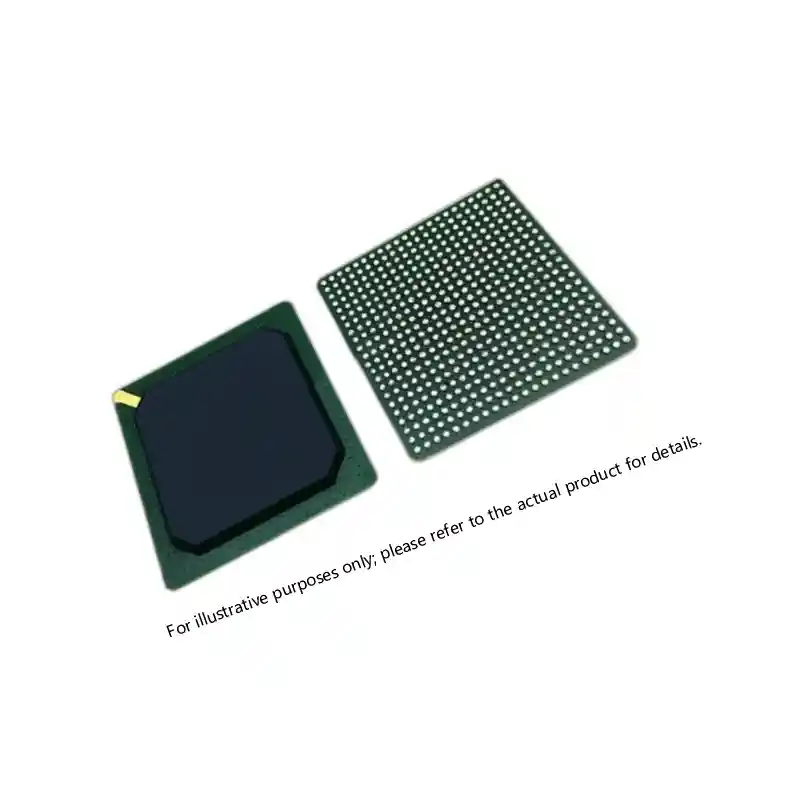
The semiconductor market for defense applications differs fundamentally from commercial markets. Volumes are lower, lifecycles are longer, and reliability requirements are higher. These differences make specialized distributors essential partners rather than interchangeable vendors. At SPARKLE ELECTRONICS CO., LIMITED, we function as program support partners who understand the urgency, documentation requirements, and compliance demands that defense sourcing involves. If your program requires mil-spec components with full traceability and compliance documentation, discussing your requirements early in the design cycle can prevent the supply chain disruptions that delay production and increase costs.
Frequently Asked Questions
How do geopolitical tensions specifically affect the availability of military-grade semiconductors?
Geopolitical tensions translate into export restrictions, trade tariffs, and disruptions in critical material sourcing that directly affect both supply and pricing for military-grade semiconductors. When a major manufacturing region becomes subject to export controls, components that were previously available on standard lead times may require export licenses, alternative sourcing from different regions, or qualification of new suppliers. Programs that depend on single-source components from geopolitically sensitive regions face particular risk, which makes supply chain diversification and buffer inventory strategies essential for maintaining production schedules.
What is the primary concern when integrating Commercial Off-The-Shelf components into military systems?
The central challenge is verifying that COTS components can actually meet the performance, reliability, and environmental requirements of military applications when they were designed for commercial operating conditions. COTS components typically lack the MIL-PRF qualification testing, extended temperature ratings, and traceability documentation that purpose-built mil-spec parts provide. Integration requires thorough qualification testing under representative conditions, and procurement teams should expect that some percentage of COTS candidates will fail to meet requirements during this process.
Beyond obsolescence, what other long-term challenges face military component procurement?
Counterfeit risk requires ongoing vigilance because the economic incentives for counterfeiting increase as genuine parts become scarcer. Component lifecycle management demands continuous monitoring of manufacturer announcements and market conditions rather than periodic reviews. Rapid technological change can make components obsolete functionally even when they remain available, if newer systems require capabilities that older devices cannot provide. Export control regulations evolve in response to geopolitical developments, which can affect the compliance status of components that were previously unrestricted.
Why is a distributor’s inventory depth important for defense contractors?
Deep inventory in specialized categories like rad-hard components or specific MIL-SPEC series provides immediate access to parts that might otherwise require 52-week lead times from manufacturers. This inventory serves as a buffer against supply chain disruptions, reduces the risk of production delays, and provides options when unexpected demand or obsolescence creates urgent requirements. For programs operating under schedule pressure, the difference between a distributor who has stock and one who must place a factory order can determine whether milestones are met. To discuss specific component requirements or explore how our inventory and sourcing capabilities can support your program, contact us at xuansc2144@gmail.com.
If you’re interested, check out these related articles:
Virtex-7 690T FPGA: Performance for Mission-Critical Systems
UltraScale KU085 FPGA Specifications for Defense Systems
Virtex-7 690T FPGA: Performance, Packaging, and Reliability Insights