Defense Electronics Component Distributor: 6 Selection Factors
Table of Contents
- Quality Certifications and Compliance Standards
- Component Authenticity and Traceability Practices
- Inventory Depth and Lifecycle Management
- Technical Expertise and Program Support Capability
- Defense Supply Chain Security and Regulatory Adherence
- Long-Term Reliability and Risk Mitigation
- Common Questions About Defense Electronics Distributor Selection
- What is the difference between AS9120 and AS6081 certification for a component distributor?
- In programs I have supported, counterfeit components sometimes pass visual inspection. How can I verify a distributor’s authenticity controls beyond that?
- Do I need a distributor to be QML-certified, or is stocking QML-qualified parts sufficient?
- How can a small defense contractor without high volume secure allocation from a distributor?
Selecting a defense electronics component distributor is more than a supplier comparison—it is a decision that directly affects program readiness, compliance, and long-term sustainment. Having spent over twelve years supporting defense sourcing programs, I have learned that the most reliable distributors distinguish themselves not through their line card but through their ability to deliver verified, documented, and compliant parts consistently. This article evaluates six essential factors defense procurement teams should weigh when choosing a distributor for military-grade electronics components.
Quality Certifications and Compliance Standards
A defense electronics component distributor should hold certifications that demonstrate a quality management system designed for high-reliability component handling. AS9120, the aerospace and defense supply chain standard derived from ISO 9001, is a baseline. For independent distribution, AS6081 addresses counterfeit avoidance and testing protocols. I also look for traceability to QML and QPL sources when a program requires MIL-PRF-38535 or MIL-PRF-19500 qualified devices. A distributor that can provide copies of its latest certification audit report during an initial sourcing review signals transparency that is often lacking in the market. Without these documented standards, the risk of undocumented substitutions or uncertified inventory rises sharply.
Component Authenticity and Traceability Practices
Verifying authenticity comes down to documentation, not inspection alone. A trustworthy distributor should provide a Certificate of Conformance for every shipment, full chain-of-custody records back to the original component manufacturer or authorized source, and lot traceability that links to date codes and test reports. In my experience, the most common point of failure is incomplete documentation: a CoC that lists only the distributor as the source, or a test report that cannot be tied to the specific units shipped. I recommend requesting a sample documentation package during the qualification process and checking that every item, from FPGA to passive capacitor, has a traceable path. For high-value FPGAs or ADCs, ask whether the distributor performs incoming visual inspection, remarking checks, or third-party electrical testing. A distributor unwilling to share this information is not one you want in your supply chain.
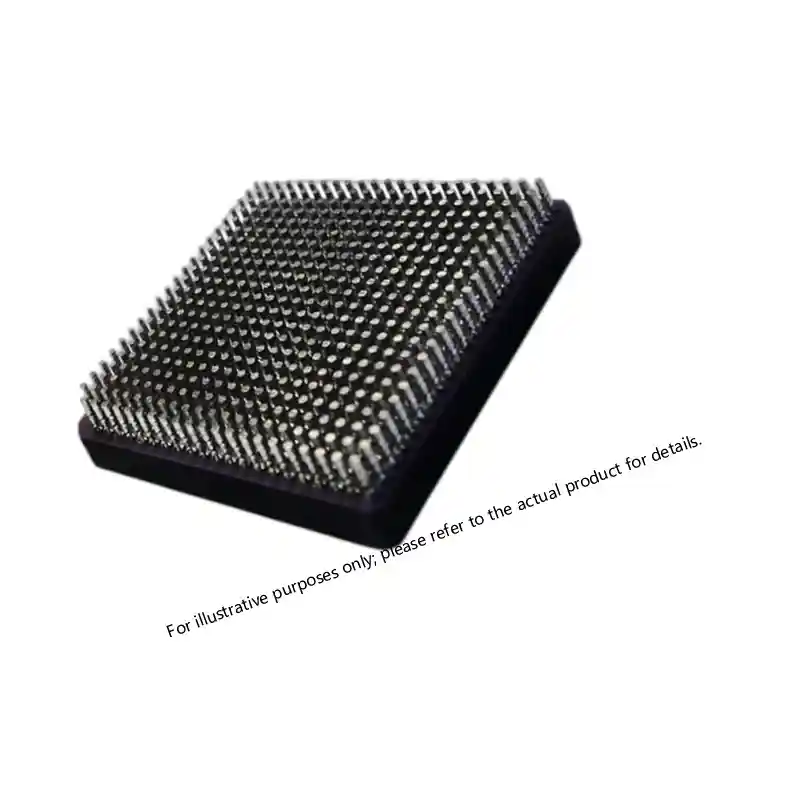
Inventory Depth and Lifecycle Management
A broad parts list alone does not make a distributor a reliable program partner. What matters is whether the inventory covers the categories your BOM requires—such as military FPGAs, high-speed ADCs, DSPs, mil-spec memory, and power modules—and whether those parts are available from stock with known date codes and packaging. At Sparkle Electronics, we maintain over 500 active MIL-SPEC part numbers spanning Xilinx, ADI, TI, Actel, E2V, DDC, and VICOR, because defense programs often need mixed-technology sourcing from a single accountable partner. Lifecycle management is equally important. A distributor should track product change notices, obsolescence alerts, and end-of-life timelines, offering drop-in replacements or die banking recommendations before a part goes obsolete. This forward-looking support prevents costly redesigns mid-program.
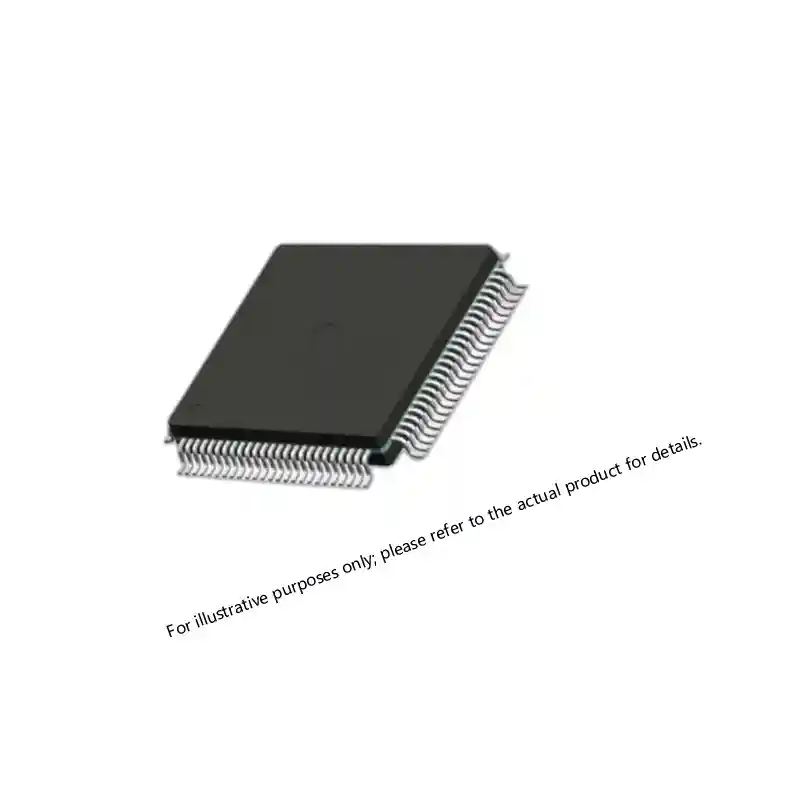
If your program includes long-lead devices like radiation-hardened FPGAs or high-speed ADCs with 30-week lead times, confirming distributor stock positions and alternate source options early saves months of schedule risk—send your part number and quantity to xuansc2144@gmail.com for a current availability check.
Technical Expertise and Program Support Capability
A distributor that employs engineers familiar with defense system architectures adds measurable value beyond the transaction. I have seen programs where a distributor’s technical team identified an alternate pin-compatible FPGA that had been overlooked during design, recovering months of lead time without sacrificing performance. When evaluating a distributor, ask whether they can support part number cross-referencing across multiple MIL-SPEC part numbering systems, whether they understand the implications of radiation tolerance versus radiation hardening for your orbit or altitude, and whether they can recommend components based on your specific SWaP-C constraints. A partner who can read your BOM and proactively flag end-of-life parts, long-lead items, or compliance gaps deserves a seat at the sourcing table.
Defense Supply Chain Security and Regulatory Adherence
Defense electronics procurement operates under a web of regulations that a responsible distributor must navigate without error. DFARS 252.225-7012 requires contractors to implement cybersecurity controls for covered defense information, including component data. NDAA Section 889 prohibits certain Chinese-manufactured components. ITAR and EAR export controls restrict the transfer of specific technologies. A qualified distributor should maintain documented procedures for ITAR compliance, verify that all components are free of NDAA 889 prohibited content, and have a secure digital system for handling CUI when required by program contracts. During the qualification process, I ask for a written export compliance policy and confirm that their electronic data interchange environment meets NIST SP 800-171 guidelines. If the distributor cannot produce these documents promptly, it signals a compliance gap that could become the buyer’s liability downstream.
Long-Term Reliability and Risk Mitigation
Programs spanning a decade or more need a distributor whose financial stability and supply continuity can be demonstrated. I evaluate whether the distributor has diversified supplier relationships—not dependent on a single OEM—and whether they maintain strategic buffer stock for critical part numbers. A distributor that offers bonded inventory programs or consignment stock arrangements indicates a willingness to invest in the program’s success rather than operating purely on spot-market terms. Also look at their track record during component shortages. During the 2022 FPGA allocation crisis, several of our defense customers avoided line-down situations because we had built inventory of Virtex-7 and Kintex-7 devices months prior, anticipating allocation constraints. A distributor that can explain how they manage allocation risk and offer real examples of crisis support earns trust that a simple line card cannot provide.
When a component failure can halt a program or a missing certificate of conformance delays acceptance testing, the distributor becomes a critical link in your supply chain. At Sparkle Electronics, we support defense contractors by providing MIL-SPEC components with full traceability, compliant documentation, and responsive technical support. Share your part number and quantity at xuansc2144@gmail.com to receive a documented availability and lead time confirmation, including any required certifications.
Common Questions About Defense Electronics Distributor Selection
What is the difference between AS9120 and AS6081 certification for a component distributor?
The answer depends on the type of distribution. AS9120 is a quality management system standard for aerospace and defense distributors that handle traceable, authorized product. AS6081 is specifically focused on counterfeit mitigation and is applied by independent distributors that may source from the open market. For defense procurement, a distributor should hold at least AS9120 if they are franchised or authorized, and ideally both if they also perform independent sourcing. Ask for the scope of certification to understand what activities are covered.
In programs I have supported, counterfeit components sometimes pass visual inspection. How can I verify a distributor’s authenticity controls beyond that?
Rely on documentation rather than visual checks alone. Request a sample CoC and full lot traceability report that connects the part to the original manufacturer, not just to the distributor. Check whether the distributor participates in ERAI or GIDEP for counterfeit reporting. A distributor that invests in third-party electrical testing for high-risk part numbers—such as X-ray, decapsulation, or curve tracing—offers an additional layer of confidence. If they cannot demonstrate these practices for your specific commodity type, consider that a gap.
Do I need a distributor to be QML-certified, or is stocking QML-qualified parts sufficient?
A distributor does not need QML certification because QML is a manufacturer qualification, not a distributor standard. The distributor should be able to source QML-qualified parts from QML-listed manufacturers and provide evidence of traceability to that QML source. If a program requires full QML pedigree, ask the distributor to supply the original manufacturer’s QML certificate number and link it to the shipped lot. This traceability is what matters, not the distributor’s own QML status.
How can a small defense contractor without high volume secure allocation from a distributor?
Many distributors allocate based on part criticality and future program potential, not just current volume. I recommend approaching the distributor with a realistic multi-year demand forecast and part number list, even if annual quantities are low. A distributor that structures buffer stock or consignment agreements around predictable demand sees value beyond the immediate order. At Sparkle Electronics, we work with smaller contractors by holding stock against scheduled deliveries, which reduces the per-order friction and ensures allocation during constrained market periods. Share your part list and demand timeline, and we can confirm a stocking arrangement that works for your funding profile.
If you’re interested, check out these related articles:
XCKU115 UltraScale FPGA: Powering Critical Defense Systems
XC7VX485T FPGA: Virtex-7 Performance for Defense
Virtex-7 XC7VX690T: Performance and Reliability Insights
Virtex-7 XC7VX690T: Performance, Reliability, and Integration
Virtex-7 690T FPGA: Performance, Packaging, and Reliability Insights