How to Qualify a Military Component Supplier: Key Steps
Table of Contents
- Define Your Baseline for Qualifying a Military Component Supplier
- Request Documentation to Qualify a Military Component Supplier
- Audit the Supplier’s Quality System and Facility
- Verify Traceability and Anti-Counterfeiting Controls
- Finalize AVL Addition and Ongoing Supplier Monitoring
- Getting a Military Component Supplier Qualified Without Delays
- Common Questions About Military Component Supplier Qualification
- What is the difference between AS9120 and AS6081 for component distributors?
- Can an independent distributor provide traceability for MIL-SPEC parts?
- How often should we re-audit a qualified supplier?
- What are red flags when reviewing a supplier’s documentation?
Qualifying a military component supplier is not a bureaucratic checkpoint; it is the first line of defense against counterfeit parts, documentation gaps, and supply chain disruptions. For defense contractors and procurement teams, the process demands more than collecting a quality certificate. A reliable independent distributor can meet and exceed the same rigorous standards as any OEM-authorized channel when it provides full traceability, inspection reports, and a transparent compliance record. Over a decade supporting defense programs, I have seen how a structured qualification approach catches risks early and builds partnerships that endure across program lifecycles. Here we walk through the concrete steps to evaluate and approve a new military component supplier.
Define Your Baseline for Qualifying a Military Component Supplier
Before you request documents or schedule a visit, clarify what “qualified” means in your organization’s context. Your baseline must reflect the specific contract requirements, component categories, and compliance obligations that apply to your programs. For a program requiring only JANTX discretes and resistors, the qualification threshold differs from one that demands QML Class Q FPGAs or radiation-hardened ADCs.
Start by listing the quality management system standards your supplier must hold. AS9100 is the aerospace and defense baseline, but for independent component distributors, AS6081 becomes the relevant requirement because it was written specifically for the distribution channel rather than manufacturing. AS6081 incorporates requirements for purchasing controls, inspection, traceability, and anti-counterfeiting measures that are not present in AS9120, which applies more broadly to pass-through distributors. If your supplier claims dual certification, verify the scope of its AS6081 registration directly with the certification body.
Next, define applicable regulatory requirements: ITAR registration if the supplier handles ITAR-controlled technical data, DFARS clause flow-down for specialty metals and counterfeit prevention, and NDAA Section 889 compliance for prohibited equipment and services. Some programs will also require the supplier to maintain a documented business continuity plan and cybersecurity maturity certification per NIST SP 800-171. If your organization operates under a DCMA-approved purchasing system, the supplier must be able to flow down the necessary quality clauses on every purchase order.
Baseline definition also covers product-specific competence. A supplier that handles only memory ICs may not have the test capability to screen RF GaN amplifiers or mixed-signal SoCs. List the MIL-SPEC device classes and packaging types your programs consume, and determine the minimum incoming inspection capability the supplier must demonstrate. This preparation prevents you from later discovering that a perfectly capable supplier for one commodity cannot serve another.
Request Documentation to Qualify a Military Component Supplier
With your baseline in hand, the next step is to request a documentation package that allows you to assess the supplier without relying on a sales presentation. A comprehensive package signals that the supplier already operates in a controlled, defensible manner.
Key documents include the quality manual, the scope of any accredited certifications, calibration records for inspection and test equipment, and an approved supplier list that shows the supplier manages its own upstream sources. Equally important are procedure documents for incoming inspection, non-conforming material control, ESD handling, and component storage. If the distributor handles moisture-sensitive devices, request the moisture sensitivity level (MSL) handling procedure and evidence that it operates a dry cabinet or nitrogen-purged storage area.
For each component type, ask for a blank sample of the certificate of conformance (C of C) the supplier issues. A proper MIL-SPEC C of C should reference the manufacturer’s name, part number, date code, lot number, purchase order, and applicable drawing or specification revision. Vague C of Cs that simply state “meets military requirements” without traceable data are a warning sign.
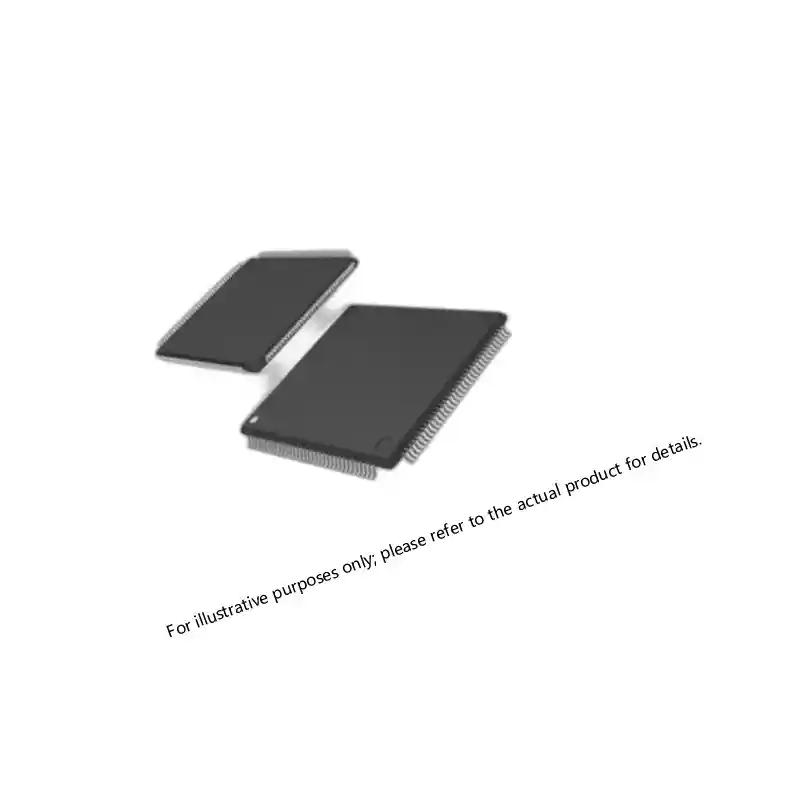
When we prepare a qualification package for a new customer at Sparkle Electronics, we include not only the quality manual and certifications but also a detailed description of our inspection workbench, equipment specifications for our stereo microscope, X-Ray inspection system, XRF analyzer, and solderability test setup. We attach recent calibration certificates so the reviewer can independently verify that our instruments are current. This level of transparency takes effort, but it accelerates the audit because the customer can already see how we operate.
If your supplier hesitates to provide calibration records or detailed procedure documents, pause the qualification and elevate the concern. An unwillingness to share these documents often masks gaps in capability or equipment readiness.
Audit the Supplier’s Quality System and Facility
Document review provides a paper snapshot, but an on-site or remote audit reveals whether the documented procedures are actually practiced daily. A well-conducted audit does not have to be adversarial; it is a shared exercise in confirming that the supplier understands and controls the risks that matter to your program.
Begin with incoming inspection. Walk the receiving area and observe how parts are verified against the packing slip, purchase order, and manufacturer documentation. Ask the inspector to demonstrate the marking permanency test or the solderability test equipment. A distributor that invests in high-quality microscopes, lighting, and measurement tools is already demonstrating that inspection is not an afterthought.
Move to storage and handling. Check whether components are segregated by humidity sensitivity level, whether reels are stored in vacuum-sealed bags, and whether the floor is free of static-generating materials. If the supplier stocks military connectors, verify that connector contacts are protected from physical damage and that shelf-life controls are in place for components with limited storage life, such as certain capacitors.
During the audit, interview not only the quality manager but also the inspectors and shippers. Their answers often reveal whether procedures are followed or merely documented. I recall one customer audit where our inspectors were able to show, step by step, how they handle a lot that fails the first sampling test and how they quarantine, document, and escalate. That concrete demonstration closed the audit item faster than any written procedure could.
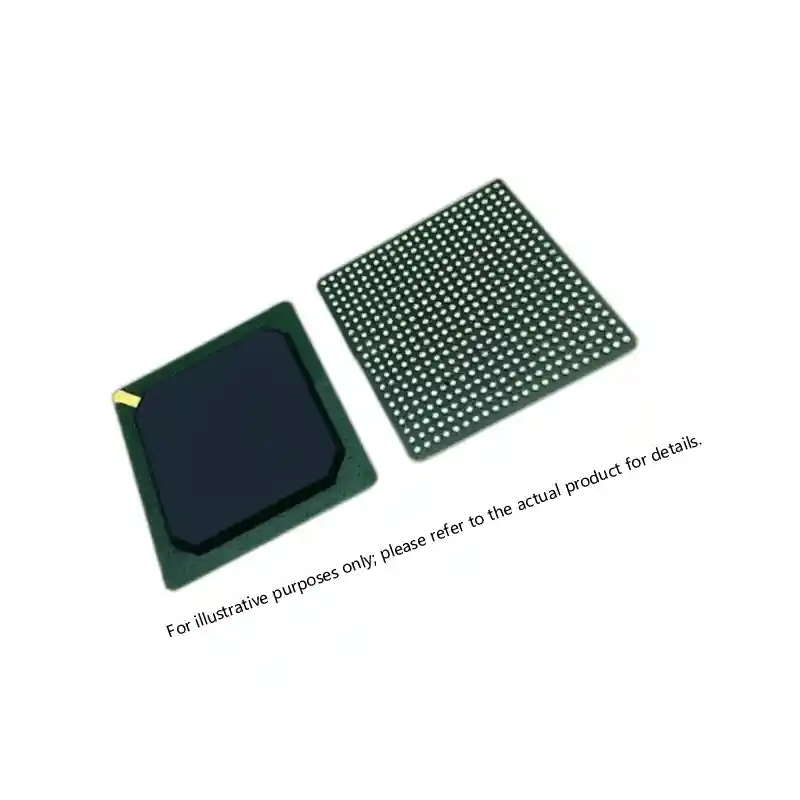
After the facility walkthrough, conduct a closing meeting in which you list any findings and request corrective actions. The supplier’s response to an audit finding—timely, specific, and with evidence—is itself part of the qualification. A supplier that treats findings as improvement opportunities, not criticisms, is one you want on your approved vendor list.
Verify Traceability and Anti-Counterfeiting Controls
Traceability and counterfeit avoidance deserve separate attention because the consequences of a single counterfeit part inserted into a defense system range from functional failure to national security risk. The qualification process must prove the supplier’s ability to maintain an unbroken chain of custody.
For each part number, the supplier should be able to produce traceability records that link the component to its manufacturer, lot or date code, and intermediate handling steps. An independent distributor that sources from OEM-authorized channels or from OEM excess inventory can still provide full traceability, provided it captures and retains the original manufacturer documentation. When we receive product at Sparkle, we photograph the outer carton, the manufacturer label, and the individual component markings before ever opening the bag. That documentation stays with the lot throughout its life.
Anti-counterfeiting controls should be visible in the supplier’s incoming inspection checklist. Look for a defined process that includes external visual inspection under magnification, marking permanency testing, X-Ray inspection for die and wire bond consistency, and XRF analysis for material composition when applicable. For high-risk parts such as obsolete ICs or QML FPGAs, the supplier should offer additional services like decapsulation testing or functional ATE testing through an accredited lab. A supplier that has a relationship with a DLA-approved test lab adds flexibility when you need lot-level screening.
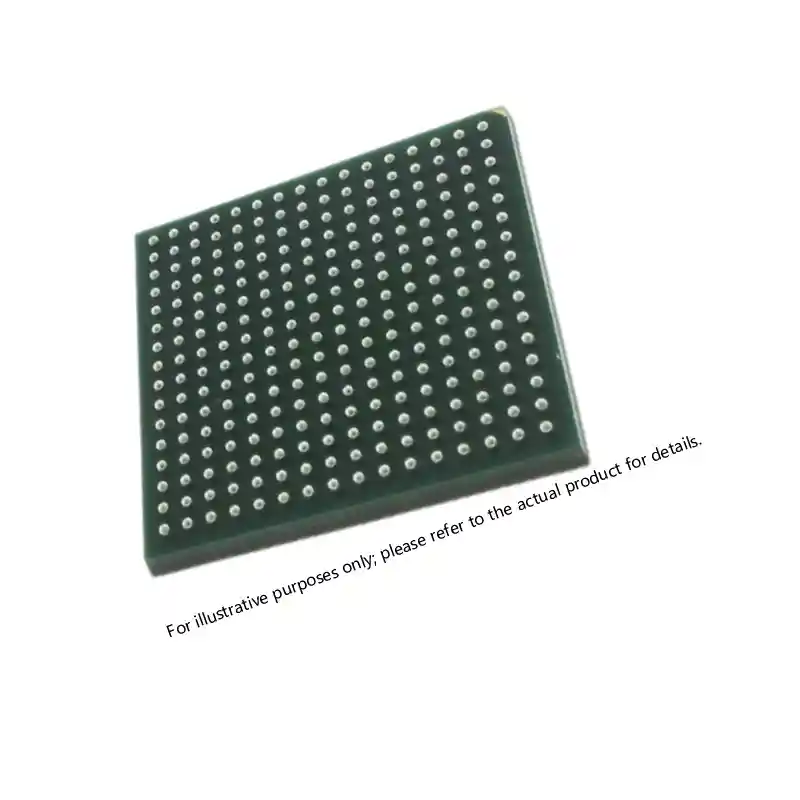
The customer should also see how the supplier handles suspect parts. A clearly documented quarantine area, a non-conforming material log, and a policy to notify customers of any authenticity concerns are all positive indicators. If the supplier cannot show you a single example of a rejected part and its disposition, ask yourself whether they are truly inspecting or just passing everything through.
Finalize AVL Addition and Ongoing Supplier Monitoring
Once the audit is complete, the supplier’s documentation is verified, and traceability controls are confirmed, the final step is to add the supplier to your approved vendor list and establish a monitoring rhythm that prevents qualification decay.
When adding a supplier to the AVL, record the scope of approval: which product categories, which manufacturing sites or facilities, and any specific limitations such as “not approved for radiation-hardened items” or “approved for JANTX discrete semiconductors only”. This scoping prevents future purchases from exceeding the verified capability.
A simple AVL evaluation matrix helps standardize the decision:
| Evaluation Factor | Weight | Evidence Needed |
|---|---|---|
| Quality system certification | 20% | AS9100, AS6081, or equivalent current cert |
| Traceability and counterfeiting | 25% | Sample C of C, traceability chain, inspection log |
| Facility and equipment | 15% | Audit report, calibration records |
| Documented processes | 15% | Quality manual, procedures, WIs |
| Customer references and history | 10% | Reference calls, program examples |
| Financial and business stability | 15% | Credit report, insurance certificate |
After approval, set a re-audit schedule based on the risk profile of the supplied components. A supplier providing high-risk microcircuits or obsolete parts should be re-audited annually; a supplier of standard passive components may be re-audited every two years. Between audits, monitor on-time delivery, documentation accuracy, and non-conformance incident rate. When problems surface, address them through the supplier’s corrective action system rather than letting them accumulate until the next audit.
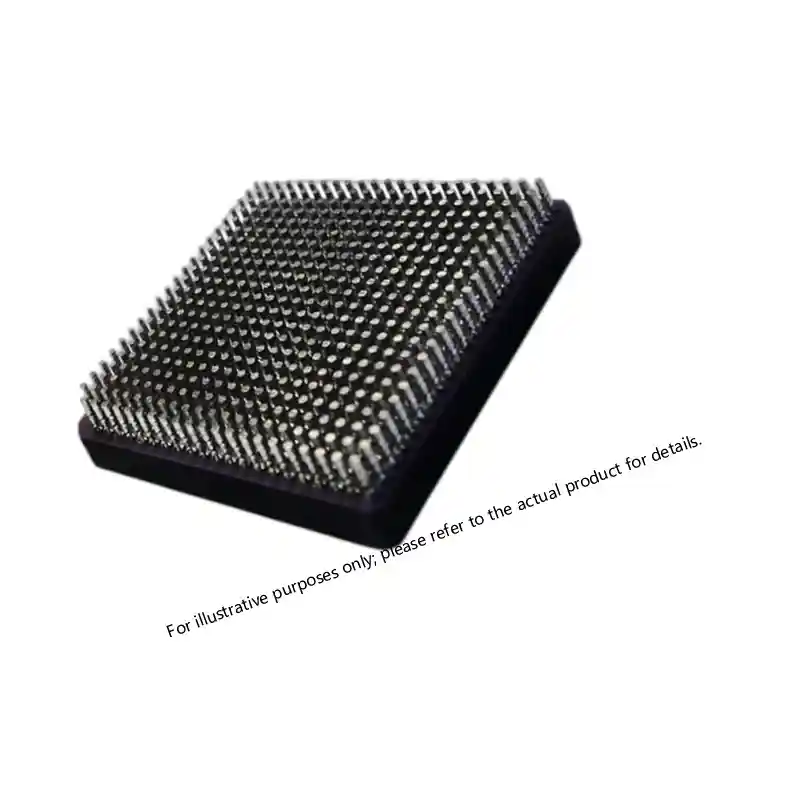
If your program involves long-term supply agreements with burn-in, die banking, or EOL management, confirm during AVL maintenance that the supplier can still support these services. Capability can shift over time; a qualification conducted three years ago does not guarantee the same capability today.
A structured, ongoing monitoring process turns a one-time qualification event into a living partnership. The best defense suppliers welcome this approach because it aligns their operations with your program’s success.
Getting a Military Component Supplier Qualified Without Delays
The difference between a smooth qualification and a stalled one often comes down to the supplier’s willingness to share evidence upfront. A distributor that already operates in a compliance-driven manner will have its documents ready, its facility organized, and its staff prepared to answer your questions. The audit becomes a confirmation rather than an interrogation.
If your program requires a component supplier that can pass your qualification audit without drama, email me at xuansc2144@gmail.com with your BOM and compliance requirements. We will provide a complete documentation kit, recent audit reports, and arrange a pre-audit call so you can evaluate our readiness before investing time in a full assessment.
Common Questions About Military Component Supplier Qualification
What is the difference between AS9120 and AS6081 for component distributors?
AS9120 is a quality management system standard applicable to pass-through distributors that do not alter the product, while AS6081 is specifically designed for independent distributors and includes strict requirements for purchasing controls, inspection, verification testing, and anti-counterfeiting measures. In practice, AS6081 demands documented incoming inspection procedures, traceability preservation, and a counterfeit parts control plan that goes beyond what AS9120 requires. When qualifying a distributor for military electronic components, AS6081 certification provides a higher level of confidence that the distributor operates with technical capability rather than only a quality checklist.
Can an independent distributor provide traceability for MIL-SPEC parts?
Yes, provided the distributor maintains rigorous documentation practices. An independent distributor that sources from OEM-authorized channels or OEM excess inventory can capture and preserve the manufacturer’s original labels, date codes, and shipping documents. Photographing the incoming product, retaining lot-specific C of Cs, and assigning internal control numbers that link back to the original manufacturer documentation are practical methods. The key is to verify during the audit that these records are complete and retrievable for a representative part number.
How often should we re-audit a qualified supplier?
Re-audit frequency should be based on the risk classification of the parts supplied and the supplier’s historical performance. High-risk categories such as obsolete microcircuits, radiation-hardened devices, or parts that undergo test upscreening should trigger an annual re-audit. For lower-risk commodities like standard passives, a two-year cycle is typically sufficient. Between scheduled audits, monitor key performance indicators such as delivery accuracy, non-conformance reports, and documentation completeness so that performance gaps trigger an interim audit if necessary.
What are red flags when reviewing a supplier’s documentation?
Several documentation issues should stop a qualification in its tracks. A certificate of conformance that lacks manufacturer name, lot number, or specification revision is insufficient. Missing calibration records for inspection equipment indicate a lack of measurement control. An incomplete or outdated quality manual, refusal to share procedure documents, or a non-conforming product log that is empty over a period of years all suggest that the supplier is either not performing real inspections or is unwilling to be transparent. If your needs involve long-lifetime parts or die banking, confirm the supplier’s documentation practices are robust enough to support traceability for years, not just months. Share your requirements with us at xuansc2144@gmail.com, and we can walk you through a sample documentation set.
If you’re interested, check out these related articles:
Virtex-7 XC7VX690T: Performance, Reliability, and Integration
XCKU115 UltraScale FPGA: Powering Critical Defense Systems