IXYS Military Power Semiconductors for Defense Power Stages
Table of Contents
- IXYS Military Power Semiconductors in Defense Power Conversion
- Key Electrical and Thermal Ratings for IXYS Power Devices
- Package and Screening Choices for Aerospace Power Stages
- Sourcing IXYS Military Power Semiconductors With Full Traceability
- Common Questions About IXYS Military Power Semiconductors
- Are all of these power semiconductors available as MIL-SPEC qualified parts?
- What does the 2500 V rating on the IXBK64N250 actually mean?
- Should I select plastic or hermetic packages for avionics power supplies?
- How do I confirm traceability before ordering these parts?
IXYS military power semiconductors carry high voltage and current ratings that fit defense power conversion, but part selection alone will not get a design through qualification. The procurement path, screening level, and traceability package matter as much as the datasheet values. I have watched programs approve second-source parts on part number alone and then chase thermal and recovery mismatches in testing. This article covers the device families, the electrical and thermal ratings that drive selection, package and screening options for aerospace power stages, and a sourcing route that keeps documentation intact.
IXYS Military Power Semiconductors in Defense Power Conversion
Defense power conversion uses these parts when the rail voltage is high or the switching energy is destructive. The portfolio splits into several families. HiPerFET MOSFETs cover high-voltage DC link and power factor correction stages. TrenchT2 MOSFETs serve dense high-frequency DC-DC converters. IGBT modules such as the IXBK64N250 sit in pulse power, laser charging, and motor drive circuits. Phase-control thyristors and fast recovery diodes appear in ground power and high-energy rectification. The engineering point is not the family name. It is matching the recovery behavior, gate charge, and thermal impedance to the converter.
In radar power supplies, the input stage commonly operates from a 270 V DC bus or a rectified three-phase source. The switch must block more than the nominal bus voltage because line surges and load dump push the rail higher. That is why I start voltage derating at 60 to 70 percent of the rated value for long-term reliability. In motor drives and actuator amplifiers, freewheeling diode recovery becomes the dominant loss and noise source. A MOSFET with a fast body diode can reduce snubber stress, but only when the gate drive and layout keep the turn-off loop tight.
Key Electrical and Thermal Ratings for IXYS Power Devices
Selection starts with three numbers: breakdown voltage, continuous current, and junction temperature. For aerospace power stages, I treat the datasheet maximum as a test condition, not an operating point. A 1200 V HiPerFET does not belong on an 1100 V rail; it belongs on a rail where worst-case transient voltage stays below 80 percent of rated breakdown and thermal resistance keeps the junction under 125 °C. The thermal path often outweighs RDS(on) in defense converters because heatsink area is fixed early in the mechanical design.
| Device family | Typical ratings | Defense power stage |
|---|---|---|
| HiPerFET MOSFETs | 200 V to 1200 V | Radar power supply PFC and motor drives |
| TrenchT2 MOSFETs | 75 V to 200 V | High-frequency DC-DC conversion for avionics |
| IGBT modules such as IXBK64N250 | 2500 V, 64 A | Pulse power, laser and capacitor charging |
| Phase-control thyristors | 1200 V to 2200 V | Ground power and high-energy rectification |
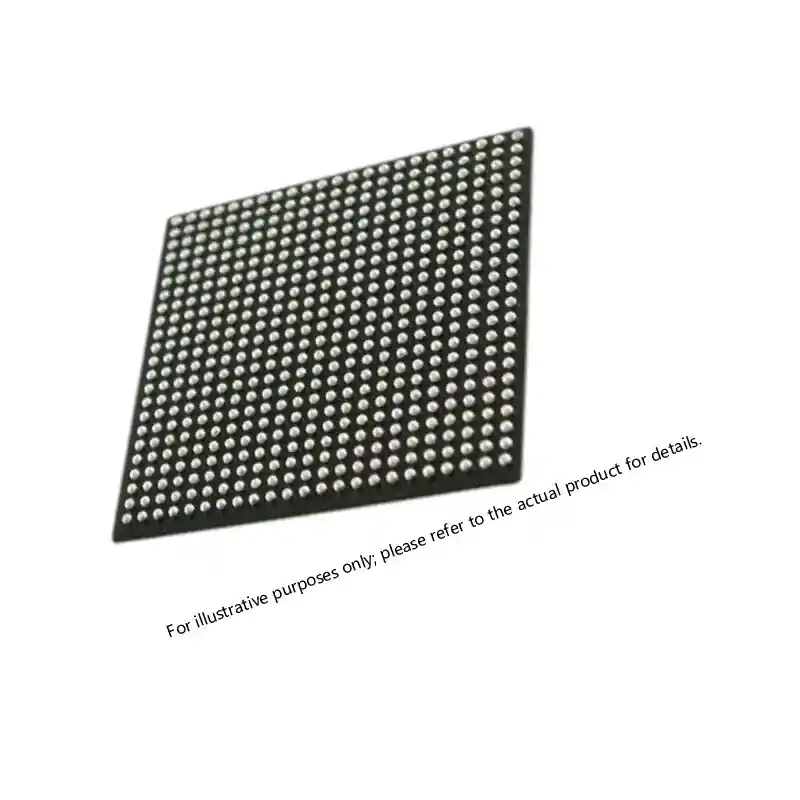
High frequency designs shift the emphasis to gate charge and reverse recovery charge. A device with low on-resistance can still lose efficiency if the gate drive current cannot charge the input capacitance fast enough. In capacitor charging circuits, the IGBT module must survive repetitive pulse current without exceeding its safe operating area. That is where a device such as the IXBK64N250, rated at 2500 V and 64 A, fits. The blocking margin absorbs the flyback voltage that appears during discharge.
Package and Screening Choices for Aerospace Power Stages
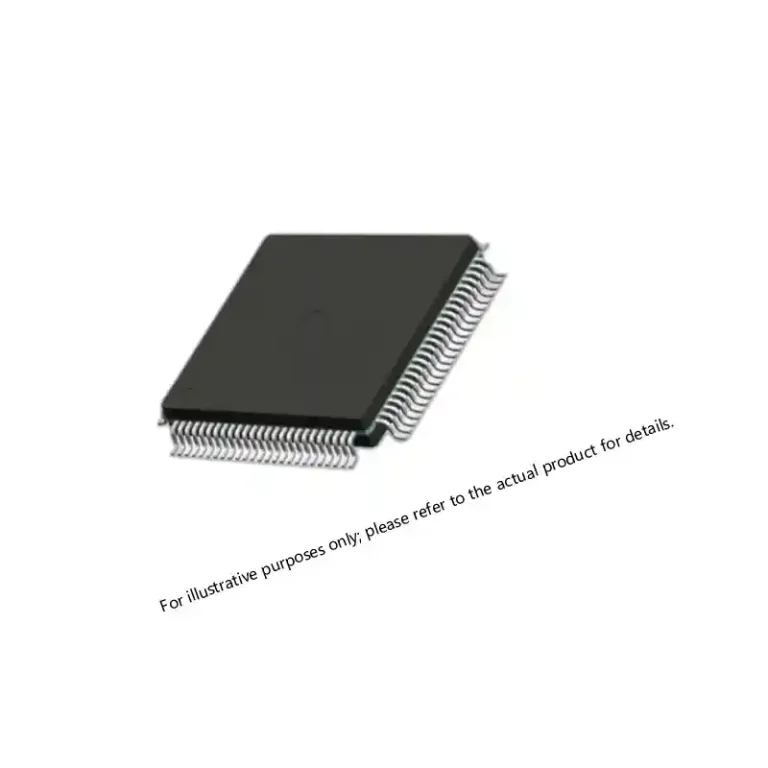
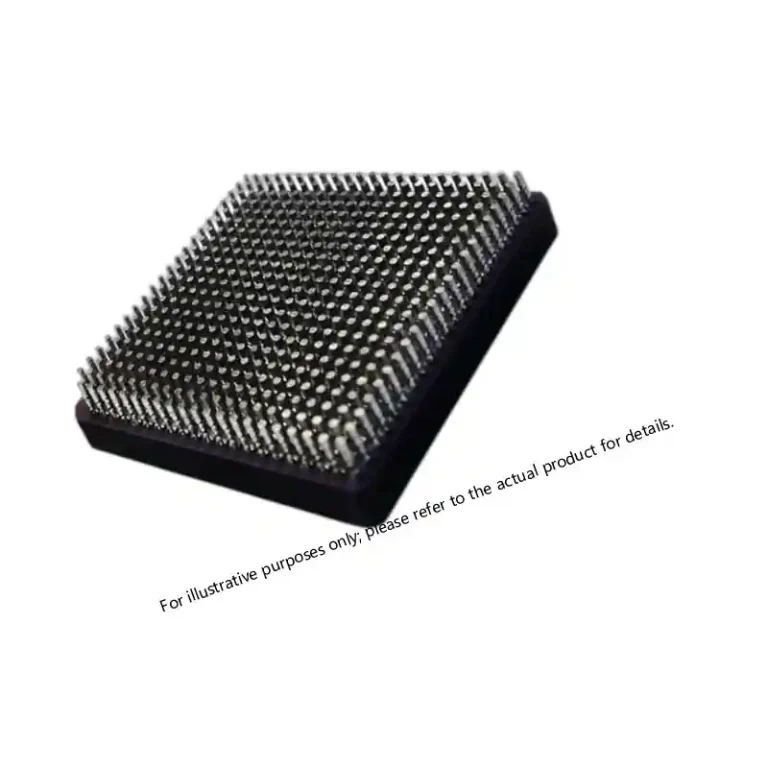
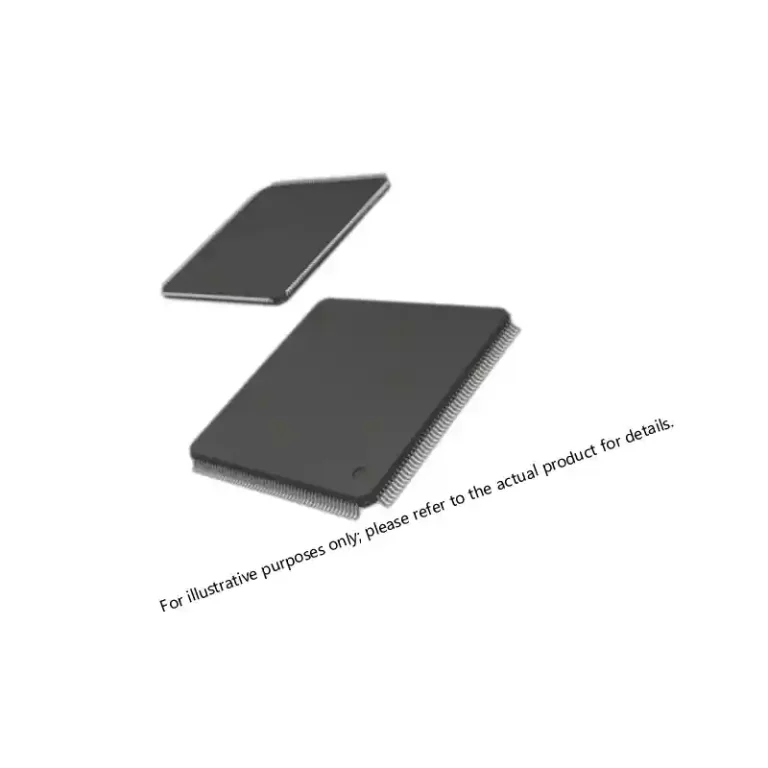
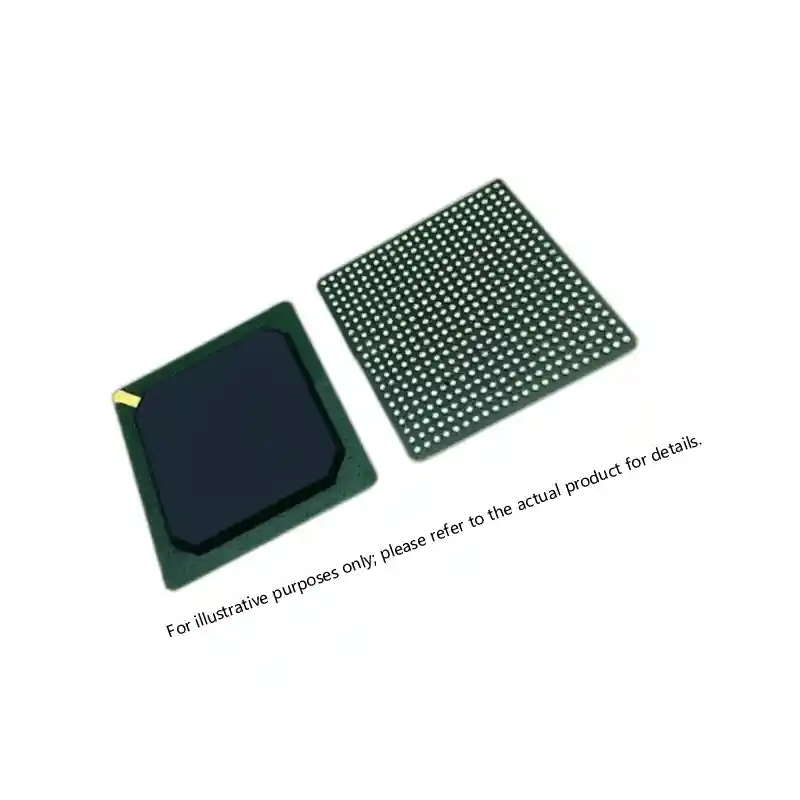
The package decision is not cosmetic. Plastic TO-247 and TO-264 parts fit pressurized avionics or ground vehicle electronics, but high-altitude and vacuum environments push toward hermetic TO-254, TO-257, or ceramic surface-mount alternatives. Moisture ingress, outgassing, and thermal cycling determine whether the package survives the mission. In high-altitude and space power stages, the screening flow is as important as the electrical test. I ask for temperature cycling, hermeticity, and electrical verification against the drawing before accepting a lot. A JANTXV part has completed additional quality conformance inspection, but the program must still verify that the distributor preserved the original packaging and lot identity.
On the screening side, defense programs usually call for JANTX or JANTXV discrete devices with MIL-PRF-19500 qualification and MIL-STD-750 test methods. Modules and specialized power hybrids follow MIL-PRF-38534 or a source control drawing. A commercial part number and a qualified part number may share the same silicon but not the same lot control, test flow, or documentation. Do not interchange them on an approved vendor list. Once parts are mixed into open stock, the qualification status is lost.
If a program mixes screening levels across the same power stage, confirm the required JANTX or JANTXV level before the BOM freeze. Send the part number, drawing, and quantity to xuansc2144@gmail.com and we will confirm the matched screening path and lot documentation.
Sourcing IXYS Military Power Semiconductors With Full Traceability
Traceability is where power semiconductor procurement tends to fail. A MOSFET can look electrically correct on a curve tracer and still be unusable because the lot date, test record, or country of origin does not match the program’s compliance requirements. Defense buyers need the manufacturer’s certificate of conformance, the distributor’s quality system, and a clear chain of custody from the original component manufacturer to incoming inspection. Without that chain, a lower-priced part becomes an expensive qualification risk.
Sparkle Electronics keeps documentation at the lot level for the power discretes and modules it sources. When a defense contractor asks for a part, the first response checks stock against the exact package and screening suffix before pricing. The objective is to stop a program from committing to a part number that exists only in a datasheet but not in traceable inventory.
If a program has lost time to unverified stock or incomplete CoC paperwork, the fix starts with one message. Send your part number, quantity, and required screening level to xuansc2144@gmail.com, and include your callback number if you want a phone review. We will confirm stock, lot date, and documentation before you commit to the order.
Common Questions About IXYS Military Power Semiconductors
Are all of these power semiconductors available as MIL-SPEC qualified parts?
No. The manufacturer builds a broad industrial portfolio, and only selected discrete devices carry JANTX or JANTXV qualification under MIL-PRF-19500. Many power modules are controlled by source control drawings instead of a public military specification. That is why the exact suffix matters. Two parts with the same base number can sit in different screening paths. Before you freeze a design, confirm the device has a qualified test flow and lot control. If the program requires a JANTXV part, a commercial variant with the same electricals will not pass the documentation review.
What does the 2500 V rating on the IXBK64N250 actually mean?
A common assumption is that a 2500 V IGBT is only needed for a 2500 V rail. In pulsed applications, the transistor sees the reflected flyback voltage plus transient overshoot when the capacitor bank discharges. The high blocking voltage gives the design margin to survive that overshoot without adding voltage-clamped stacks. The 64 A continuous current is only part of the picture; pulse current and safe operating area are the values that matter in laser drivers and capacitor chargers. If your load has fast discharge edges, send the waveform details so the device can be checked against the safe operating area curve.
Should I select plastic or hermetic packages for avionics power supplies?
It depends on the installation. Pressurized avionics bays and ground vehicles can use plastic TO-247 or TO-264 packages without a problem. High-altitude platforms, unpressurized compartments, and space payloads call for hermetic TO-254, TO-257, or ceramic surface-mount packages because moisture ingress and outgassing become failure mechanisms. Thermal cycling also matters more than steady-state junction temperature. A plastic package may pass electrical test but fail after hundreds of thermal cycles. Match the package to the environmental qualification standard rather than the lowest unit price.
How do I confirm traceability before ordering these parts?
In programs I have worked on, traceability starts with the certificate of conformance and lot date code that link back to the manufacturer’s test record. I check three things before a part is accepted: the screening level documented for the exact part number, the chain of custody from the original component manufacturer, and the packaging condition. A missing lot date or a C of C that only repeats the distributor’s name is a red flag. When all three line up, the procurement risk drops. Send your part number and required screening level to xuansc2144@gmail.com and we will confirm the available lot documentation.
If you’re interested, check out these related articles:
Virtex-7 690T FPGA: Performance, Packaging, and Reliability Insights
XC7VX485T FPGA: Virtex-7 Performance for Defense