JADC2 Electronic Component Requirements for Defense Networks
Table of Contents
- How JADC2 Network Architecture Shapes Component Requirements
- FPGA and Processing Requirements for Multi-Domain Data Fusion
- Security and Supply Chain Integrity for JADC2 Components
- Component Obsolescence and Long-Term Sustainment Planning
- Sourcing JADC2 Components Through a Qualified Military Distributor
- What Procurement Engineers Ask About JADC2 Component Selection
- Do I need radiation-hardened components for JADC2 nodes?
- Are commercial-grade parts acceptable if we perform upscreening?
- How do I verify CoC authenticity for high-rel parts?
JADC2 electronic component requirements differ from conventional defense procurement because the architecture itself demands components that sustain multi-domain interoperability across a contested electromagnetic spectrum. Programs that treat JADC2 as just another C4ISR upgrade will find their BOMs fall short within the first integration cycle. The components that hold up under a single-service airborne platform are not the same ones that must bridge sensor-to-shooter links across air, land, sea, space, and cyber, often in real time and under active electronic attack. This article addresses what procurement and design teams need to specify for JADC2 nodes, relays, and processing elements, drawn from over a dozen years of direct supply support for defense programs involving FPGAs, high-speed converters, and MIL-SPEC signal chain ICs.
How JADC2 Network Architecture Shapes Component Requirements
A JADC2 node is not a static rack of equipment; it is a distributed processing element expected to ingest, fuse, and forward high-bandwidth sensor data while maintaining low-latency command links. This imposes three electrical-level demands that directly affect component selection. First, the data plane must handle multiple streams above 1 GSPS simultaneously, which drives the need for FPGAs with high-speed transceivers capable of JESD204B/C interfacing — devices like Microsemi PolarFire MPF300T or Xilinx Virtex-7 families that we regularly support for EW and SIGINT payloads. Second, the control plane requires deterministic, low-jitter timing distribution across multiple enclosures, making clock synthesizers and fanout buffers with sub-picosecond jitter performance non-negotiable. Third, the power architecture must accommodate wide input transients common to tactical vehicle and airborne power buses while delivering clean rails to multi-gigabit transceivers; this is where military-grade DC-DC modules like VICOR DCM or VPT series become essential.
Component derating in JADC2 systems also shifts. In a platform-specific radar, you derate for steady-state thermal. In a JADC2 processing module that could be repurposed from an airborne C2 node to a shipboard relay depending on mission configuration, you derate for the envelope of possible thermal and vibration spectra. We have seen programs where the failure to widen the derating envelope by just 15% led to intermittent bit errors on 10 Gbps links when the module migrated from a climate-controlled shelter to a wing-pod installation. That lesson is now baked into our component recommendations for any JADC2 RFQ.
FPGA and Processing Requirements for Multi-Domain Data Fusion
The processing core of a JADC2 node is usually an FPGA or a combination of FPGA and DSP, because the latency of software-defined decision logic cannot be tolerated when fusing tracks from multiple radar bands and correlating them with ELINT hits. The FPGA must support partial reconfiguration so that waveform processing and data fusion algorithms can be updated in the field without cycling power on the entire node. This requirement narrows the field to flash-based FPGAs like Microsemi SmartFusion2 and PolarFire families, or SRAM-based parts with robust encryption and authentication features that meet DMEA Trusted Foundry requirements.
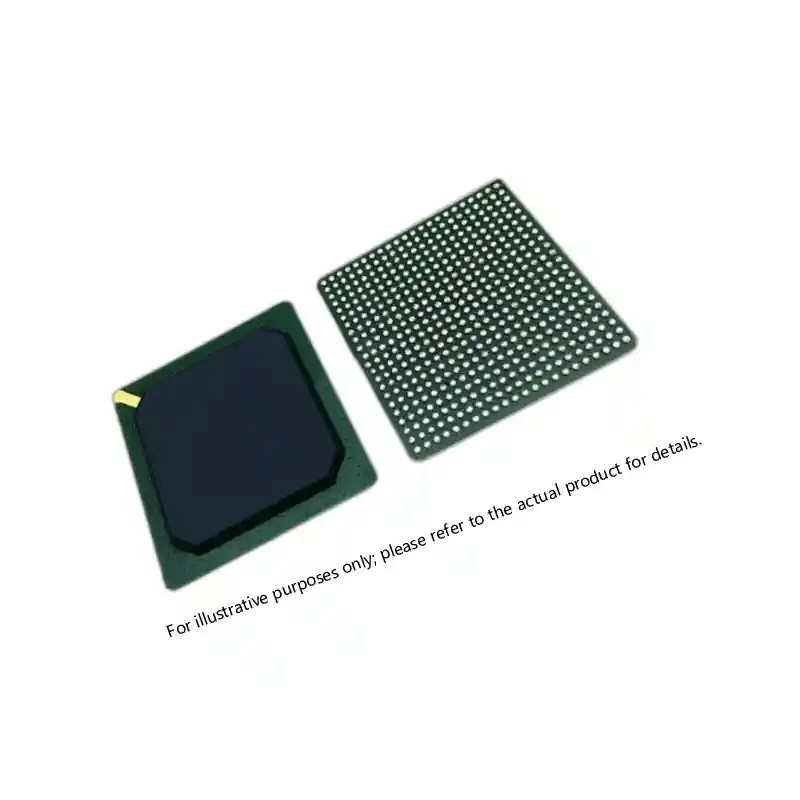
High-speed ADC and DAC performance is equally critical. I have evaluated BOMs where the choice of a 12-bit 3 GSPS ADC versus a 14-bit 1 GSPS ADC determined whether a node could simultaneously process X-band radar and S-band communications without adding a separate downconversion stage. In practice, the JADC2 fusion engine benefits from ADCs like AD9208 or AD9689 that offer direct RF sampling at multi-gigahertz rates, paired with DACs like AD9164 for waveform generation. These parts are not interchangeable across second sources, and the lead times on certain speed grades have stretched past 30 weeks. Procurement teams should lock their approved part numbers early and work with a distributor that holds inventory of these specific speed and temperature grades.
| Processing Element | Key Requirement for JADC2 Nodes | Representative Parts |
|---|---|---|
| FPGA | High-speed transceivers, partial reconfiguration, DMEA-accredited supply | Microsemi MPF300T, Xilinx XC7VX485T |
| ADC | Direct RF sampling above 2 GSPS, multi-channel JESD204B | AD9208, AD9689, ADC12DJ3200 |
| DAC | 12 GSPS minimum for wideband waveform generation, low SFDR | AD9164, DAC38RF82 |
| DSP | Floating-point for adaptive beamforming and fusion algorithms | TMS320C6678, SMJ320C67xx |
| Clock IC | Sub-picosecond jitter, multiple output formats, holdover capability | LMX2594, CDCM7005, ZL30160 |
If your program involves any form of open-architecture sensor integration where the waveform library will grow over time, it is worth confirming the FPGA’s configuration memory capacity and the availability of rad-tolerant versions before freezing the BOM — reach out with your specific signal chain topology and we can verify cross-compatibility across available speed grades.
Security and Supply Chain Integrity for JADC2 Components
Every JADC2 node is a high-value cyber target. Component-level security therefore extends beyond cryptographic processors to the supply chain itself. I specify three layers of assurance on every JADC2 BOM I support. Layer one: all parts must come from authorized or DMEA-accredited supply chains with full lot traceability back to the wafer. Layer two: the distributor must provide documentation that meets DFARS 252.246-7008 and NDAA 889 compliance — not a blanket statement but part-number-level certificates of conformance referencing the original manufacturer’s test data. Layer three: incoming inspection must include X-ray and decapsulation sampling on any part from a non-OEM source, even if it arrives with a valid CoC.
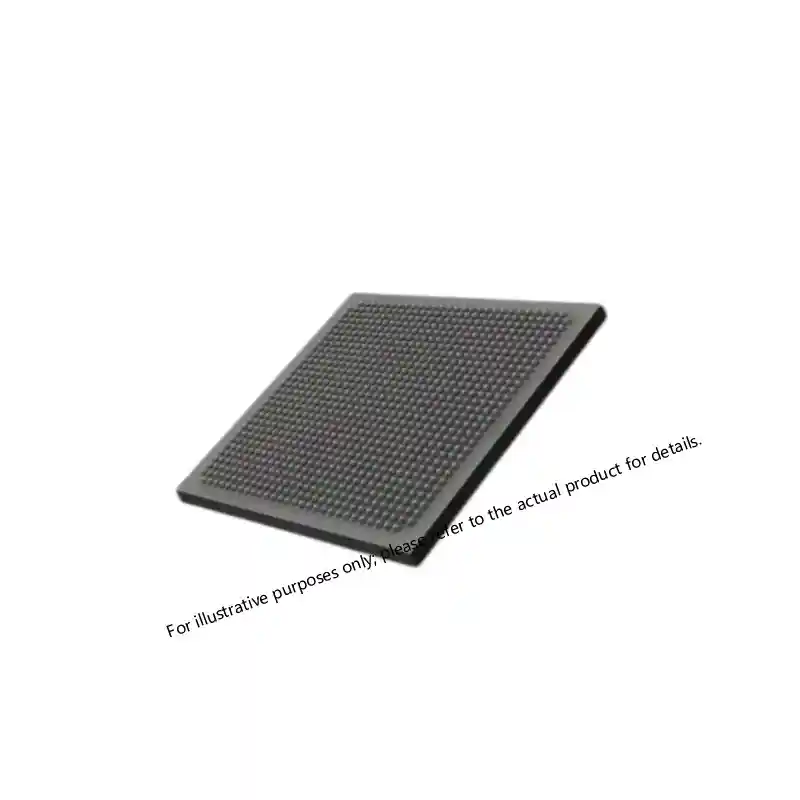
A real-world example: we recently traced a batch of suspect Actel A3PE3000L FPGAs that had been relabeled with higher speed grades. The parts looked correct under visual inspection, but the lot code format did not match the manufacturer’s date code system. Without the second layer of documentation, those parts would have entered a depot repair stock for a JADC2 relay shelf. This is why we maintain a closed-loop verification process for every MIL-PRF-38535 and QML device that moves through our inventory, even if the customer only asks for commercial off-the-shelf upscreening.
Component Obsolescence and Long-Term Sustainment Planning
JADC2 programs are expected to field incrementally over a decade or more, which means the component BOM locked in at Milestone B may contain parts that go end-of-life before the third capability drop. I have managed die banking and last-time-buy strategies for PowerPC and DSP families that were still flying on active platforms five years after the manufacturer’s discontinuation notice. The same discipline applies to JADC2, where older but proven FPGAs like the Actel AX2000 or Xilinx Virtex-II Pro series still appear in legacy signal processing cards that must be maintained or replicated for compatibility.
A practical approach is to map every JADC2 BOM line item to a technology refresh plan. For FPGAs, this means identifying pin-compatible migration paths to next-generation parts while preserving the original configuration data. For ADCs and DACs, it often means qualifying an alternate RF sampling architecture because the exact mixed-signal process node may not have a direct second source. We have helped programs negotiate wafer buy agreements for key ADI and Texas Instruments military-grade ICs that are no longer on the standard distributor price list, securing over 5,000 die for a single program’s 15-year sustainment horizon.
Sourcing JADC2 Components Through a Qualified Military Distributor
Defense primes and Tier-2 integrators often default to OEM-direct procurement for JADC2 components, but this approach leaves significant gaps. OEMs allocate production slots based on forecasted demand, and JADC2 programs, with their evolving configurations, rarely fit a fixed forecast. An independent distributor like Sparkle Electronics serves as a buffer that can hold inventory across multiple part numbers, respond to 24-hour RFQs for unexpected shortages, and provide the DFARS-compliant documentation chain that OEMs sometimes treat as secondary to shipment.
Our inventory spans FPGA families from Xilinx, Microsemi, and Actel; high-speed ADCs and DACs from Analog Devices; and MIL-SPEC power modules from VICOR and VPT. We handle the incoming inspection, lot traceability, and environmental screening coordination so that your receiving inspection team does not have to become experts in 30 different manufacturer date code systems. For JADC2 programs where BOMs mix new and obsolete parts, we can consolidate supply across categories so that you receive one shipment with one documentation package.
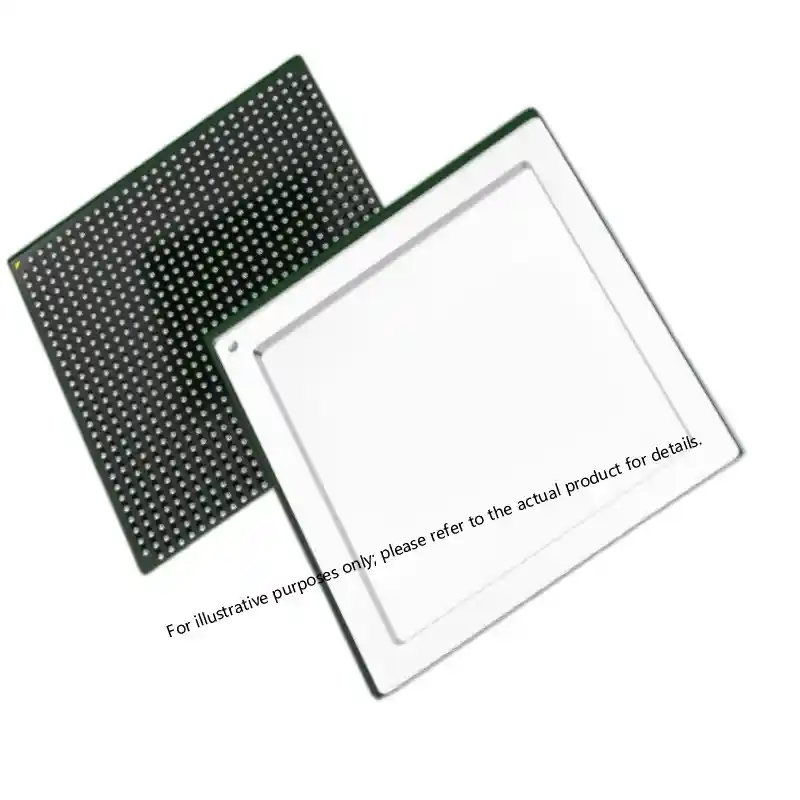
If JADC2 electronic component requirements are shaping your next design review and you need a supply partner who understands the compliance, screening, and long-lead-time realities of multi-domain defense electronics, send your part numbers and quantity to xuansc2144@gmail.com. We will respond with traceable inventory and a detailed compliance assessment within one business day.
What Procurement Engineers Ask About JADC2 Component Selection
Do I need radiation-hardened components for JADC2 nodes?
Only for space-based relay segments. Terrestrial and airborne JADC2 nodes typically operate below 60,000 feet, where single-event effects are manageable with radiation-tolerant design techniques rather than full rad-hard by process. In programs we have supported, a SmartFusion2 flash-based FPGA with built-in SEU immunity was sufficient for airborne fusion processors, while the satellite crosslink payload required a hardened-by-design ASIC. The key is to distinguish between the JADC2 node location and the link, not to default to the most conservative rating.
Are commercial-grade parts acceptable if we perform upscreening?
We have seen this approach work for non-security-critical processing modules, but the cost of upscreening must be weighed against the risk of lot rejection. For every 1,000 commercial-grade devices screened to MIL-STD-883 Class B, we typically see a 2-5% fallout rate from burn-in failures alone. If your program has schedule margin and a dedicated screening lab, it can be viable. If not, buying QML-qualified devices from the start avoids downstream delays, and the per-part price difference is often recovered in the first avoided line stoppage.
How do I verify CoC authenticity for high-rel parts?
The CoC must trace to the original manufacturer’s test lot, not just the distributor’s incoming lot. We provide both the manufacturer CoC and our own incoming inspection report with lot photos. If you receive a CoC that only lists the distributor’s internal lot number, push back — that is not traceability. Share your requirements and we will confirm compliance documentation availability for every line item on your BOM.
If you’re interested, check out these related articles:
XC7VX485T FPGA: Virtex-7 Performance for Defense
XCKU115 UltraScale FPGA: Powering Critical Defense Systems