Trusted Foundry Program: Impact on Military IC Procurement
Table of Contents
- What the Trusted Foundry Program Actually Covers
- How Trusted Foundry Status Constrains Component Selection
- Sourcing Military ICs When Trusted Foundry Parts Are Unavailable
- Verifying Trusted Foundry Compliance Across Your Supply Chain
- What Trusted Foundry Requirements Really Cost Your Program
- Procurement Questions on Trusted Foundry Sourcing
- How do I know if my program requires trusted foundry parts?
- Can a non-U.S. foundry ever qualify as a trusted source?
- What documentation proves trusted foundry compliance during an audit?
- What happens when a trusted foundry discontinues a process node my program depends on?
The Trusted Foundry Program sits at the intersection of national security policy and everyday component sourcing, and in twelve years of defense supply chain work I have seen it shape procurement decisions in ways that program managers rarely anticipate. Created by the Defense Microelectronics Activity (DMEA) to ensure secure, onshore fabrication of military integrated circuits, the program designates specific foundries as trusted sources for classified and mission-critical ICs. For procurement teams, the practical question is not whether the program exists, but how its constraints ripple through BOM development, lead time planning, and supplier qualification. Get the Trusted Foundry piece wrong early in design, and you may face a redesign cycle you cannot afford later in the program.
What the Trusted Foundry Program Actually Covers
The Trusted Foundry Program is administered by the DMEA under the authority of the Department of Defense. Its mission is straightforward: accredit and monitor semiconductor foundries that fabricate ICs for classified and unclassified but sensitive defense systems. An accredited foundry must demonstrate physical security, personnel vetting, process integrity, and supply chain controls that satisfy DoD requirements for trusted microelectronics.
The accreditation process is rigorous and ongoing. Foundries undergo initial assessment, regular audits, and must maintain compliance with a detailed set of security and operational protocols. As of 2024, the accredited trusted foundry list includes facilities operated by GlobalFoundries, Intel, IBM, and several other domestic manufacturers. Not every fabrication process node at an accredited foundry is automatically trusted. The accreditation applies to specific facilities and specific process technologies, and procurement teams need to verify that the particular wafer line producing their parts holds active trusted status.
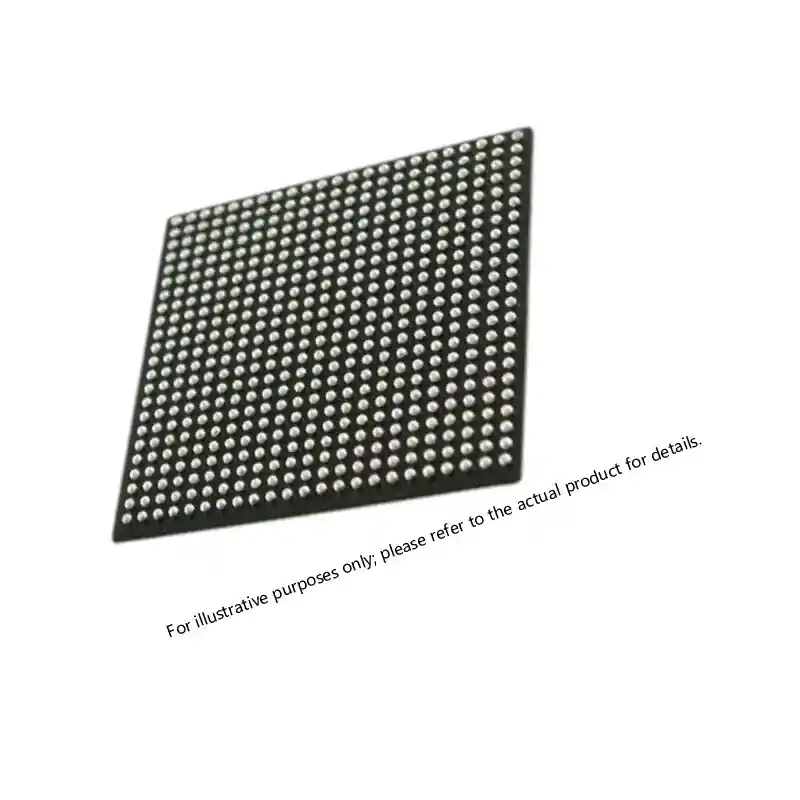
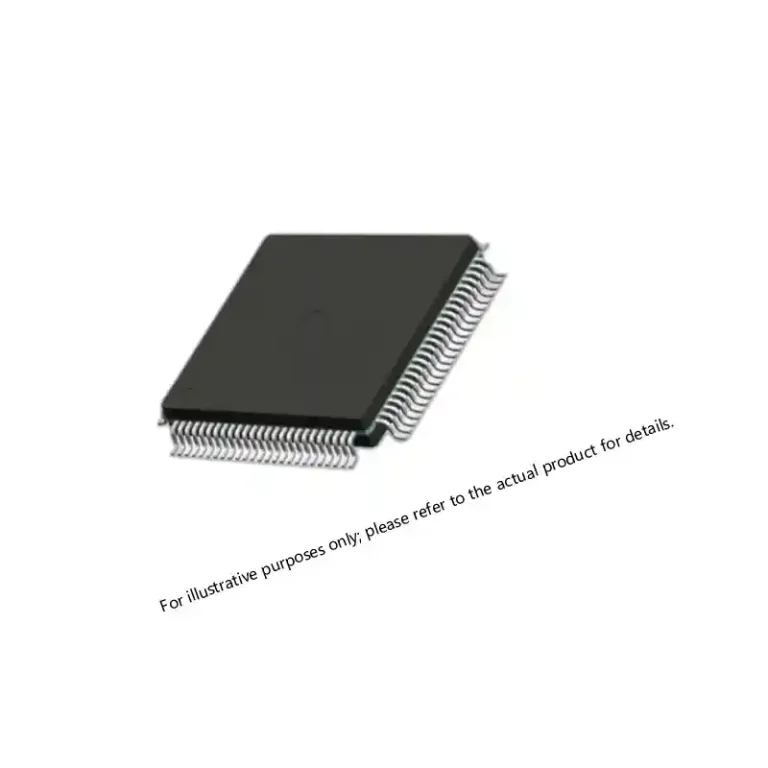
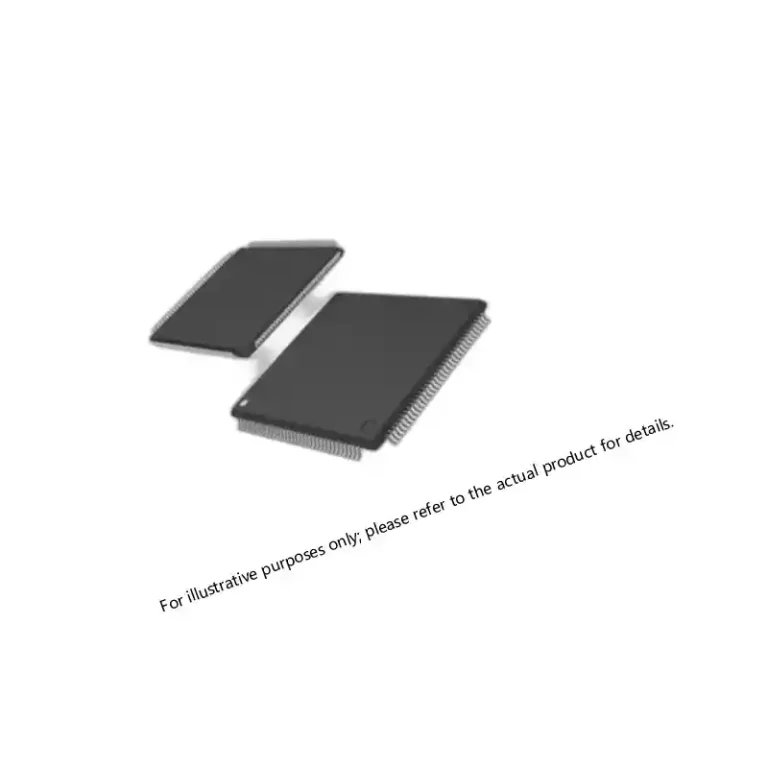
The distinction matters because the program covers more than just classified ASICs. It extends to any IC where compromise of the design, fabrication, or supply chain could affect national security. That includes FPGAs, ADCs, DACs, processors, and memory devices destined for weapons systems, secure communications, electronic warfare platforms, and intelligence collection systems. For a defense contractor building a radar signal processor or a missile guidance module, even commercial-grade FPGAs configured with sensitive bitstreams may fall under trusted sourcing requirements.
How Trusted Foundry Status Constrains Component Selection
When a program requirement mandates trusted fabrication, the available pool of parts shrinks immediately and substantially. I have watched design teams build a BOM around a specific FPGA or high-speed ADC only to discover that no trusted foundry produces that exact die revision or package variant. The component that worked perfectly in prototyping becomes a compliance problem in production.
The constraint operates at multiple levels. First, not every part number from a major semiconductor manufacturer is fabricated at a trusted foundry. A Xilinx Virtex or Kintex FPGA manufactured through TSMC’s non-accredited lines, for example, does not satisfy a trusted sourcing mandate regardless of the part’s performance pedigree. Second, process node availability differs. Accredited foundries may not offer the same geometry or process technology that a design was optimized for, forcing either a redesign or a waiver. Third, the package and test flow must also meet trusted supply chain requirements. A die fabricated at an accredited foundry but packaged and tested through an unaccredited partner does not close the chain.
| Constraint Area | Practical Impact | Procurement Implication |
|---|---|---|
| Part availability | Reduced SKU selection | Early supplier engagement required |
| Process node | Limited geometries available | May require die shrink or respin |
| Packaging | Trusted OSAT required | Longer assembly lead times |
| Test coverage | Full MIL-STD-883 screening | Additional qualification cost |
| Lead time | Typically 26-52 weeks | Buffer stock or LTB planning |
For procurement teams, the operational takeaway is that trusted fabrication requirements must surface during the architecture phase, not during sourcing. I have seen programs delay production by eight months because the trusted foundry constraint was not factored into the initial BOM scrub. By the time the RFQ went out, the design needed a pin-compatible alternative at a different speed grade, and the requalification effort ate a quarter of the program schedule.
Sourcing Military ICs When Trusted Foundry Parts Are Unavailable
Not every defense program can secure every component from an accredited trusted foundry. Wafer starts at accredited facilities are limited, and production slots are allocated months in advance. When a part is unavailable through the trusted path, procurement teams have several options, none of them free.
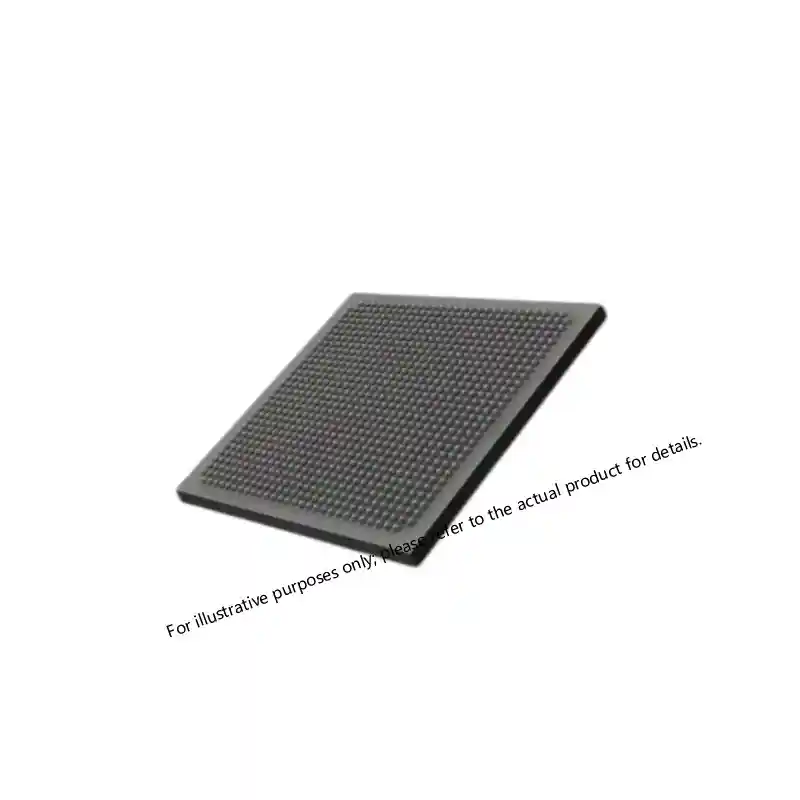
The first path is a DMEA waiver. Programs can request an exception when a required function cannot be sourced through trusted fabrication. Waivers are evaluated case by case, and approval is not guaranteed. The waiver package must demonstrate that the function is essential, that no trusted alternative exists, and that compensating controls are in place. These controls typically include enhanced incoming inspection, lot-level electrical testing beyond standard AQL sampling, X-ray and decapsulation verification on sample lots, and full traceability documentation back to the wafer lot.
A second path is using a trusted distributor who maintains audited inventory of parts with verified provenance. While the distributor model does not change where the die was fabricated, it adds a documented chain of custody with inspection gates that many program offices accept as a compensating control. Sparkle Electronics, for example, applies lot-level incoming inspection that includes visual microscopy, electrical sampling, and documentation review against the original manufacturer’s certificate of conformance. When a part cannot be sourced directly from a trusted foundry, the combination of authorized distribution, documented inspection, and full traceability provides program offices with a defensible procurement record.
A third path, applicable to FPGAs, is bitstream verification. For designs where the FPGA fabric is programmed by the end user rather than at the factory, the fabrication location may be less critical than the configuration security. Programs using encrypted bitstreams with tamper-resistant programming can sometimes accept non-trusted fabrication when the security boundary is established at configuration rather than at wafer manufacturing.
Verifying Trusted Foundry Compliance Across Your Supply Chain
Trusted foundry compliance is not a binary check on a datasheet. It requires verifying that every link in the supply chain, from wafer fabrication through packaging, test, and distribution, meets the program’s security requirements. I have found that the weakest point in this chain is often the least obvious: a distributor who cannot produce a CoC linking the specific lot to an accredited foundry, or a test house whose MIL-STD-883 screening records are incomplete.
Verification starts with documentation. For each line item sourced under a trusted fabrication requirement, the procurement file should include a full certificate of conformance identifying the foundry, the process node, the wafer lot number, and the date of fabrication. The CoC must trace to the DMEA accreditation record for that specific facility and process. A generic quality certificate without foundry identification does not satisfy a trusted sourcing audit.
Next, verify the test flow. Parts that require MIL-PRF-38535 QML certification or MIL-STD-883 screening must have test records that align with the lot date codes and the accredited facility’s scope. Discrepancies between the fabrication date and the test date that exceed normal work-in-process intervals should be investigated. The same applies to packaging. If the part is assembled in a hermetic ceramic package, the packaging house must either be part of the accredited trusted flow or operate under a documented compensating control.
Finally, establish an incoming inspection protocol that validates the documentation against the physical parts. This means checking date codes, lot codes, and package markings against the CoC, and performing sample-level decapsulation or X-ray inspection when the program risk profile warrants it. In my experience supporting defense programs, the programs that catch compliance gaps early are the ones that treat incoming inspection as a verification step rather than a receiving formality.
What Trusted Foundry Requirements Really Cost Your Program
The cost impact of trusted foundry requirements shows up in three places: unit price, schedule, and engineering overhead. Unit prices for trusted foundry parts typically carry a premium of 30 percent to 100 percent over equivalent commercial or industrial-grade components, reflecting the lower wafer volumes, the security infrastructure costs at the foundry, and the specialized test and packaging flows. A $200 commercial FPGA can become a $400 trusted equivalent, and multi-die modules or complex ASICs scale proportionally.
Schedule impact is often larger than the unit cost delta. Trusted foundry wafer starts operate on allocation, not on demand. A program that needs 500 die of a specific trusted ASIC may wait 40 to 52 weeks for a production slot, and rush orders are rarely available. I have worked with programs that carried 12 to 18 months of buffer stock on trusted parts because the lead time variability made just-in-time procurement impractical. The carrying cost of that inventory becomes a line item in the program budget.
Engineering overhead includes the cost of qualifying alternatives when a trusted part goes end of life or when the original design used a non-trusted part that must be replaced. Pin-compatible trusted alternatives are not always available, and even when they exist, the electrical performance differences can require board respins or firmware changes. Programs that do not budget for this engineering effort during the design phase end up paying for it during production, often at a much higher rate.
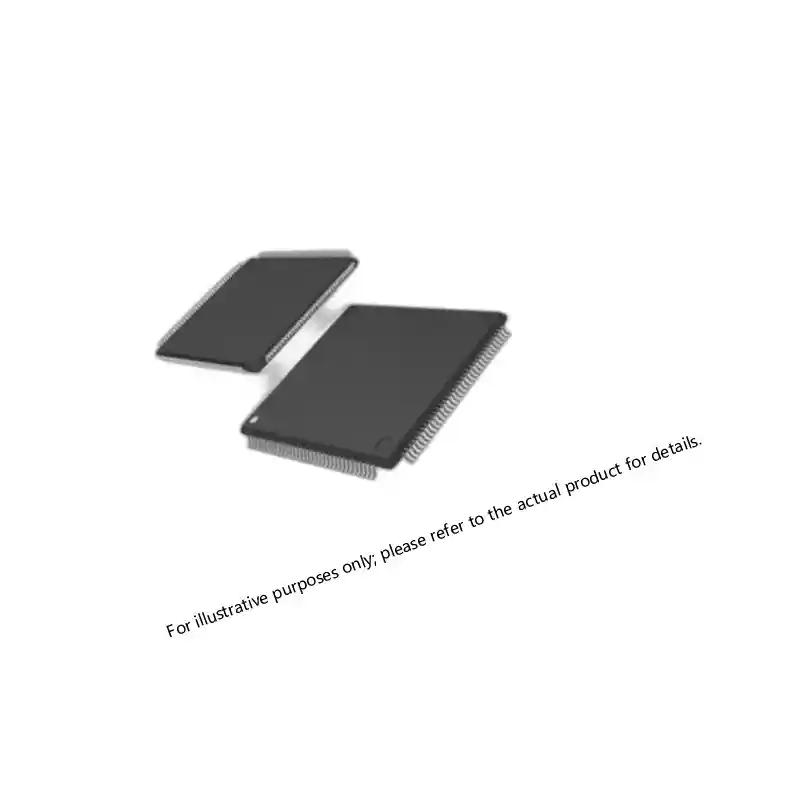
Despite these costs, the Trusted Foundry Program delivers a security outcome that commercial sourcing cannot replicate. It provides verifiable assurance that the silicon executing a defense system’s functions was fabricated in a controlled, audited, and domestically accountable environment. For programs where a compromised die could mean a compromised mission, that assurance is not a cost to be minimized. It is a requirement to be met.
Procurement Questions on Trusted Foundry Sourcing
How do I know if my program requires trusted foundry parts?
The requirement flows from your contract security classification and the system’s criticality designation. If your contract includes DFARS 252.204-7012 or references DoD Instruction 5200.44, trusted sourcing requirements are likely in scope. The program’s system security plan or program protection plan will specify which components require trusted fabrication. When in doubt, ask the program security officer or the contracting officer’s technical representative before finalizing the BOM. In my experience, waiting until the sourcing phase to ask this question creates rework that could have been avoided with a single email during architecture review.
Can a non-U.S. foundry ever qualify as a trusted source?
Under the current DMEA framework, trusted accreditation is limited to U.S.-based foundries operated by U.S. companies or under U.S. jurisdiction. Foreign foundries, including allied facilities in Europe or Asia, do not currently hold DMEA trusted accreditation. This does not mean foreign-fabricated components are banned from defense systems. It means they cannot be used when trusted fabrication is a stated requirement without a waiver or compensating control. Programs that use foreign-fabricated FPGAs or processors typically rely on bitstream security, encrypted configuration, or post-fabrication inspection as compensating measures.
What documentation proves trusted foundry compliance during an audit?
A complete audit package includes the original manufacturer’s certificate of conformance identifying the accredited foundry and wafer lot, the DMEA accreditation reference for that facility and process, the lot-level test records showing MIL-STD-883 or QML screening results, and the distributor’s chain-of-custody documentation connecting the lot to your receiving dock. A CoC that only states “trusted foundry compliant” without naming the facility and process does not survive an audit. I recommend building a compliance folder per part number at the time of procurement rather than assembling it retrospectively. If your program is preparing for a DCMA audit or a supply chain security review and you need help verifying your trusted foundry documentation, send your part number and compliance requirements to xuansc2144@gmail.com and we will confirm traceability before your audit date.
What happens when a trusted foundry discontinues a process node my program depends on?
Process node discontinuation at an accredited foundry triggers a technology refresh decision that needs to start 24 to 36 months before the last wafer start. The program has three options. First, place a lifetime buy for the remaining wafer inventory before the line shuts down. This secures supply but creates inventory carrying costs and limits future production flexibility. Second, redesign the affected function onto a supported process node at the same or a different trusted foundry. This preserves the trusted sourcing path but requires engineering investment and requalification. Third, request a waiver to use a non-trusted source with compensating controls. The right choice depends on the program’s remaining lifecycle, production volume, and the sensitivity of the affected function. The common mistake is waiting until the discontinuation notice arrives. Monitoring foundry roadmaps annually catches these transitions early enough to plan rather than react.
If you’re interested, check out these related articles:
XCKU085 UltraScale FPGA: Performance for Critical Systems
XC7VX485T FPGA: Virtex-7 Performance for Defense
A1020B-PG84B ACT2 FPGA: Specs, Sourcing, and Availability
Virtex-7 690T FPGA: Performance for Mission-Critical Systems