Global Military Component Sourcing Across 30+ Countries
Table of Contents
- Advantages of Multi-Country Military Component Sourcing
- Qualifying International Distributors for MIL-SPEC Components
- Navigating Export Controls and Cross-Border Compliance
- Ensuring Component Authenticity and Traceability Across Borders
- Building a Long-Term Global Supplier Network
- Common Questions About Global Military Component Sourcing
- Is it legal to source military-grade components from foreign distributors?
- Many assume checking a website and a few references is enough to vet a foreign distributor. What is actually required?
- Does global sourcing always mean longer lead times?
- How does Sparkle Electronics handle multi-country military component sourcing?
Relying on a narrow base of domestic suppliers for MIL-SPEC components exposes defense programs to single-point failures when demand surges or a line goes obsolete. Global military component sourcing across multiple countries mitigates that risk by unlocking access to alternate inventories, competitive pricing, and legacy parts that regional distributors no longer stock. Over twelve years supporting defense contractors in more than 30 countries, I have seen how a disciplined multi-country sourcing strategy resolves lead time bottlenecks and maintains program continuity. It requires careful qualification, strict documentation control, and a structured approach to compliance.
Advantages of Multi-Country Military Component Sourcing
Limiting procurement to one or two domestic distributors creates supply chain fragility. When a sole-source part enters allocation, a single regional facility shuts down, or a geopolitical shift restricts shipments, programs that lack international alternatives face production stoppages. Diversifying across multiple jurisdictions reduces these concentration risks.
Access to region-specific inventory is another driver. Certain manufacturers distribute through channel partners that prioritize specific markets — a MIL-PRF capacitor stocked in Singapore may be unavailable from a U.S. distributor for weeks, yet immediately shippable from an approved Asian source. Price competition also sharpens when procurement teams obtain quotes from qualified distributors in different regions. In our work, comparing bids across East Asian, European, and North American suppliers routinely reveals 15 to 25 percent variations on common MIL-SPEC logic and analog parts.
Qualifying International Distributors for MIL-SPEC Components
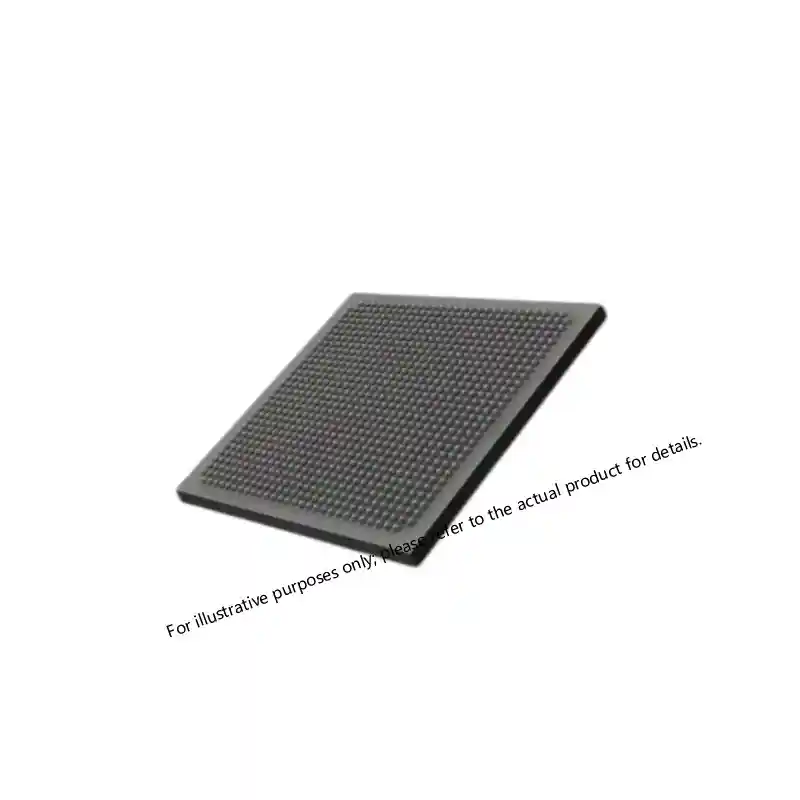
The threshold question for any foreign distributor is whether its quality management system aligns with defense industry requirements. At minimum, I look for AS9120 or AS6081 certification from an accredited registrar. Membership in the Electronic Resale Association International (ERAI) and a record of reporting counterfeit incidents further separate professional operations from pass-through traders.
Physical inspection capability matters. A distributor that cannot perform incoming visual inspection, remarking checks, and basic electrical verification on site adds a layer of delay and uncertainty. I also request sample lots with full documentation — Certificate of Conformance, test reports, and a chain-of-custody record back to the OEM — before adding any new supplier to an approved vendor list.
| Qualification Factor | What to Verify | Why It Matters |
|---|---|---|
| Quality certification | Valid AS9120 or AS6081 certificate | Confirms aerospace-specific quality management |
| Inspection lab | In-house XRF, microscopy, electrical test | Enables immediate counterfeit screening |
| Traceability documentation | Full chain-of-custody, date codes, lot numbers | Required for DFARS compliance and failure investigation |
| Industry memberships | ERAI, GIDEP, IDEA | Demonstrates commitment to counterfeit reporting norms |
| Reference checks | Active defense contractor references | Validates real-world performance and reliability |
Navigating Export Controls and Cross-Border Compliance
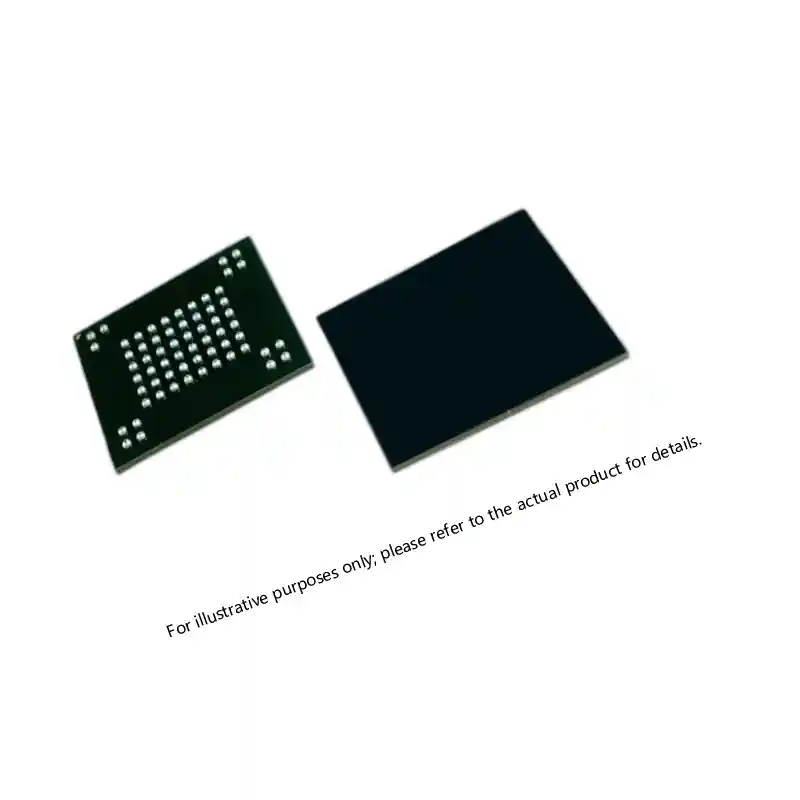
Different jurisdictions apply different export rules, and a part that clears customs in one country may require a re-export license when shipped onward to a defense end-user in another. ITAR controls apply to components specifically designed for military use or adapted from defense articles. EAR99 covers most commercial-grade parts, but components with dual-use characteristics often fall under ECCN designations that restrict destinations and end-use.
Before placing an order with a new foreign source, confirm the component’s ECCN and the destination country’s import licensing requirements. End-use statements and non-re-export declarations are standard for many MIL-SPEC shipments. I have seen a single misclassified analog-to-digital converter delay a radar subsystem by eight weeks while a license was retroactively filed. For programs that span multiple jurisdictions, classifying every line item during the quoting phase is not extra work — it is the cheapest way to prevent downstream holds.
If your program involves components with dual-use classifications, confirming the correct ECCN before finalizing your BOM prevents costly delays — reach out at xuansc2144@gmail.com for classification support.
Ensuring Component Authenticity and Traceability Across Borders
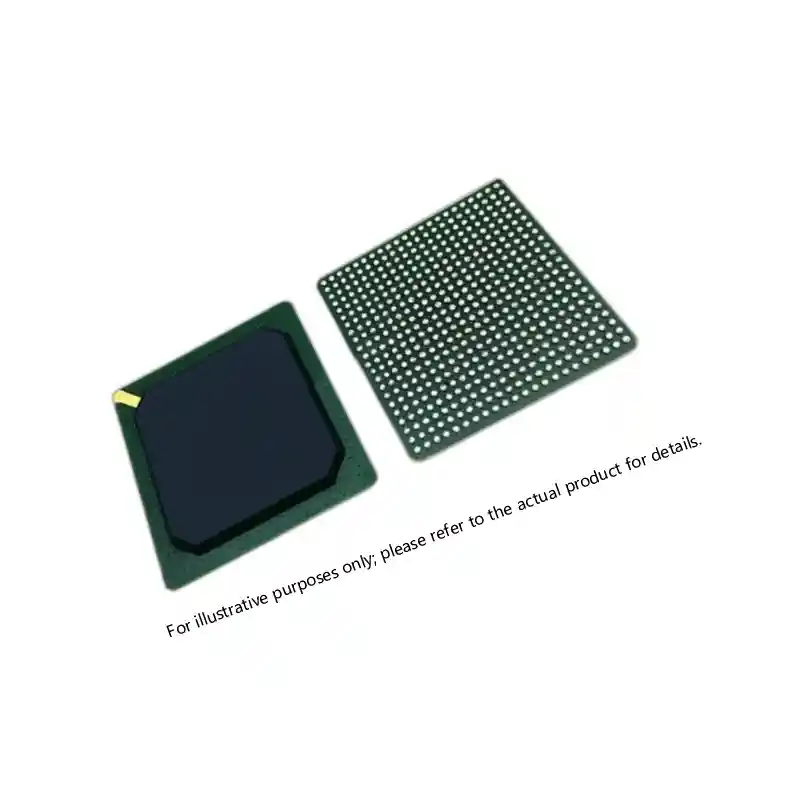
Global sourcing introduces a heightened counterfeit risk because components may pass through multiple intermediaries before reaching the end user. Without rigorous incoming inspection, a distributor in a high-volume trading hub can inadvertently introduce remarked or relabeled parts. In one case I investigated, a batch of Xilinx FPGAs sourced from an uncertified broker in Southeast Asia arrived with laser-marked part numbers that did not match the silicon revision — the entire lot had been sanded and re-marked. The program lost six weeks of integration time.
Prevention starts with insisting on full traceability from the OEM. Each shipment must include a Certificate of Conformance, a packing slip with date codes, and ideally a photograph of the original labels. Upon receipt, visual inspection under magnification for sanding marks, XRF analysis for lead finish inconsistencies, and sample electrical testing are standard practice. Distributors with AS6081 certification run these checks systematically; those that cannot demonstrate a documented inspection protocol introduce unacceptable uncertainty.
Building a Long-Term Global Supplier Network
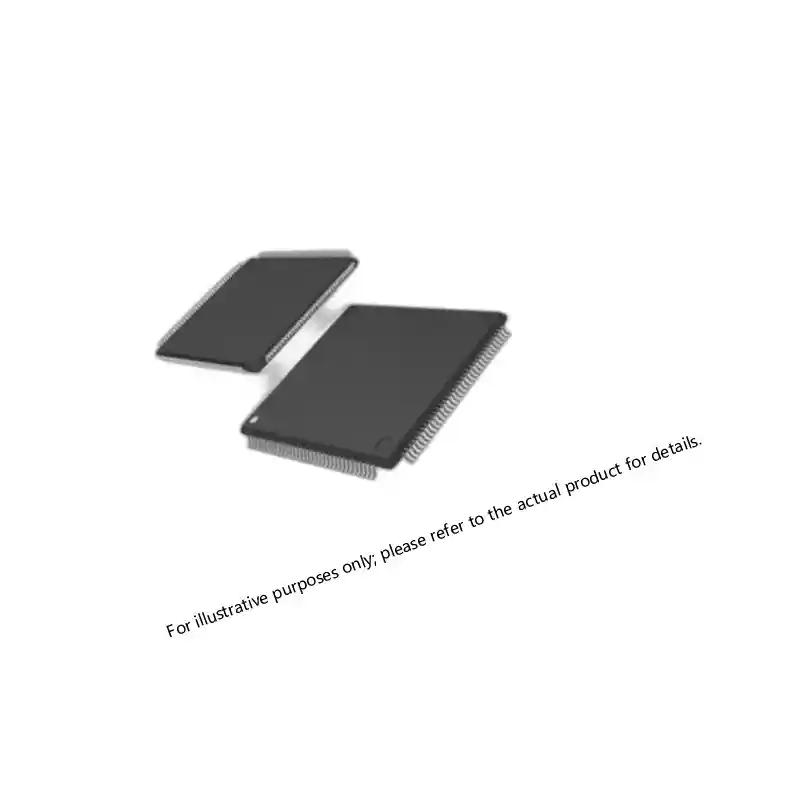
A sustainable global supply network is not assembled during a last-time buy panic. It grows through methodical qualification and consistent purchasing behavior. I recommend developing a core of five to ten approved distributors covering at least three geographic regions. Each should demonstrate consistent performance on auditable criteria — on-time delivery, paperwork accuracy, and zero counterfeit incidents — over multiple transactions.
Blanket agreements that reserve stock for recurring part numbers smooth out volume spikes, and periodic re-audits keep qualification current. When a critical part goes end-of-life, having multiple regionally positioned sources gives a program both time and options. In our operation, we maintain a cross-regional inventory buffer for high-usage MIL-SPEC FPGAs, ADCs, and power modules precisely because sole-source vulnerability is the most avoidable form of program risk.
Common Questions About Global Military Component Sourcing
Is it legal to source military-grade components from foreign distributors?
Yes, it is legal provided the transaction complies with all applicable export and import regulations. The key is classifying each component correctly under ITAR or the EAR and securing any required licenses before shipment. Many MIL-SPEC passives, logic devices, and power modules are EAR99 and can be shipped internationally without an export license, but end-use restrictions still apply. Components designed specifically for defense applications or listed on the USML require careful review.
Many assume checking a website and a few references is enough to vet a foreign distributor. What is actually required?
That approach misses the deeper verification steps that distinguish authorized channel partners from high-volume brokers. You need to verify AS9120 or AS6081 certification status directly with the registrar, confirm ERAI membership and incident reporting history, and obtain sample lots with full documentation before committing production volumes. Physical inspection capability on site is non-negotiable — a distributor that outsources all incoming checks surrenders control over the most critical quality gate.
Does global sourcing always mean longer lead times?
It depends on the component and the country of origin. For widely stocked MIL-SPEC logic families from Texas Instruments or Microchip, lead times from a qualified Asian or European distributor can be comparable to domestic sources, sometimes shorter due to regional inventory buffers. For ITAR-controlled parts or components with limited authorized distribution, cross-border licensing can add two to six weeks. The advantage of a global network is that when one region faces a constraint, another often has available stock.
How does Sparkle Electronics handle multi-country military component sourcing?
In our work across more than 30 countries, we prequalify distributors through a consistent inspection and documentation protocol, maintain regional inventory pools for high-demand part numbers, and manage all export licensing and end-use documentation on behalf of our customers. Each shipment carries full traceability back to the OEM, and we coordinate re-export compliance when components move across borders. Share your part numbers and program timeline to xuansc2144@gmail.com — we will confirm stock availability and compliance documentation before you commit.
If you’re interested, check out these related articles:
UltraScale KU085 FPGA Specifications for Defense Systems
XCKU085 UltraScale FPGA: Performance for Critical Systems
XC7VX485T Virtex-7 FPGA: Performance and Sourcing for Defense