Long Lead Time Military Components: Sourcing Without Delays
Table of Contents
- Understanding Long Lead Times for Military Components
- Why Buffer Stock Alone Leaves Programs Vulnerable
- Vetting Distributors to Reduce Long Lead Times
- Documentation and Traceability for Faster Procurement
- Building a Military Component Supply Chain That Bypasses Long Lead Times
- Common Questions About Long Lead Time Military Components
- Do all QML devices have long lead times?
- Is it safe to buy MIL-SPEC components from independent distributors?
- How much lead time reduction can I realistically expect?
- What is the biggest mistake programs make when dealing with long lead times?
Defense procurement teams know the frustration: a program waits six months for a single MIL-SPEC FPGA while milestones slip. Long lead time military components stall acquisition timelines, force redesigns, and compromise mission readiness. The problem is real, but the default advice to order earlier and hold more stock rarely solves it. After twelve years in military-grade component sourcing, I have found the real solution is not more inventory. It is a smarter approach to supplier qualification, documentation, and supply chain design. Here is a practical guide to cutting through lead-time paralysis by working with the right partners and building compliance into every step.
Understanding Long Lead Times for Military Components
Long lead times in the MIL-SPEC world are not a recent supply chain disruption. They are a structural feature of the market. A radiation-hardened FPGA from Xilinx or Microsemi can take 20 to 52 weeks from order acknowledgment. High-speed ADCs from Analog Devices, especially parts like the AD9680 or AD9208, routinely run 26 to 40 weeks. These numbers represent the time from wafer start through QML qualification, burn-in, and final test, not just a buildup of backorders.
Three forces drive those numbers. First, the qualified manufacturing line capacity for military-grade components is small relative to commercial demand. Foundries and assembly houses running MIL-PRF-38535 processes do not scale easily. Second, testing and screening under MIL-STD-883 take weeks. Every device that ships as JANTX or QML-Q goes through temperature cycling, constant acceleration, and fine and gross leak checks. Third, die-level traceability and lot conformance documentation add processing time that commercial parts skip entirely. When a program needs a specific 5962- series device, the supply chain is often just a few wafer lots worldwide, and if one lot fails a screening gate, the entire delivery slides by months.
For procurement engineers, this means lead time is not a negotiation variable. You cannot call a manufacturer and ask them to pull a QML device forward by three months. What you can do is change the sourcing path.
Why Buffer Stock Alone Leaves Programs Vulnerable
The standard response to long lead times is to build safety stock. For common MIL-SPEC passives like M39014 capacitors or M55342 resistors, that works. For high-mix, high-value ICs, it breaks down quickly.
A defense program might use five different FPGAs, each with a unique part number, speed grade, and package. Holding six months of stock on each part ties up working capital, and if the design changes, those parts become stranded inventory. I have seen programs end up with hundreds of thousands of dollars in Xilinx Virtex-5 parts that were ordered two years ahead of need, only to be obsoleted by a mid-program technology refresh.
Buffer stock also does nothing for parts that are already allocation-restricted. Many QML devices, especially high-speed ADCs and DSPs, ship only against confirmed defense program end-use declarations. Building a buffer is impossible when the manufacturer caps quarterly allocations. What works instead is a dual approach: keep strategic stock on the 20% of part numbers that are common across multiple programs, and develop distribution relationships that can pull from global inventory pools for the remaining 80%.
Vetting Distributors to Reduce Long Lead Times
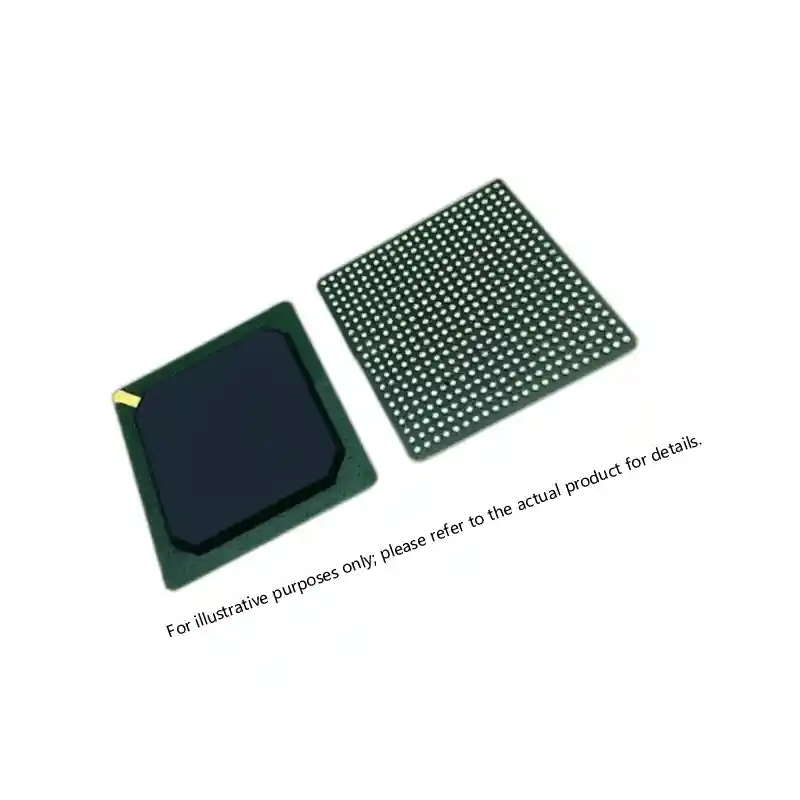
The fastest way to reduce lead time is to source from a distributor that already holds the part in stock. But for MIL-SPEC components, stock alone is not enough. The distributor must be able to prove chain of custody, provide full lot traceability, and deliver the exact date code and inspection records your program requires.
When evaluating a distributor, I look at three things before I look at price.
The first is their inspection and authentication capability. A distributor moving MIL-SPEC parts should have incoming inspection that goes beyond visual checks. They should be able to perform x-ray inspection, decapsulation sampling, and electrical verification on in-house equipment or through an accredited partner lab. If a distributor ships parts without any incoming screening, every component they deliver becomes your counterfeit risk.
The second is their manufacturer sourcing network. Independent distributors with direct relationships across Xilinx, ADI, TI, Microchip, and the niche hi-rel suppliers like Holt, DDC, and E2V can often locate inventory that the OEM channel cannot supply quickly. This matters when you need a part like the AD9213BBPZ-6G that has a factory lead time of 30 weeks but is sitting on a distributor shelf in Hong Kong with full paperwork.
The third is their documentation discipline. A distributor that ships a QML part should be able to provide the original certificate of conformance, a copy of the manufacturer packing slip with lot number, and a certificate of traceability that maps the part back through each distribution node. If they push back on any of these, move on.
| Vetting Criteria | What to Request | Red Flag |
|---|---|---|
| Inspection capability | X-ray and decapsulation report for sampled lots | No in-house or partner lab access |
| Sourcing network | Written confirmation of supply from authorized channels | Cannot name the source |
| Documentation | C of C, packing slip, chain of custody certificate | Unwilling to share before purchase order |
| Financial stability | Years in business, defense customer references | New entity with no track record |
| Compliance | AS9120 or AS6081 certification status | No quality management system certification |
Documentation and Traceability for Faster Procurement
Documentation is often treated as a post-delivery checkbox. In practice, documentation delays slow procurement as much as physical lead times do. If your receiving inspection rejects a shipment because the C of C references the wrong national stock number or the lot traceability has a gap, you lose weeks while the distributor corrects paperwork.
The fix is to make documentation a pre-delivery requirement, not a post-delivery verification. Before a distributor ships, ask for a preview of the C of C and the certificate of analysis or conformance for the exact date code they will deliver. I have caught missing test data and incorrect specification callouts this way more times than I can count, and resolving them before the parts leave the distributor avoids days of quarantine.
For programs that require DFARS compliance or NDAA Section 889 certification, the burden of proof is higher. The distributor must be able to demonstrate that the parts were manufactured in a trusted foundry and that no prohibited entity had access to them at any point in the supply chain. This is where a distributor with a documented quality management system and an internal compliance officer becomes non-negotiable.
Building a Military Component Supply Chain That Bypasses Long Lead Times
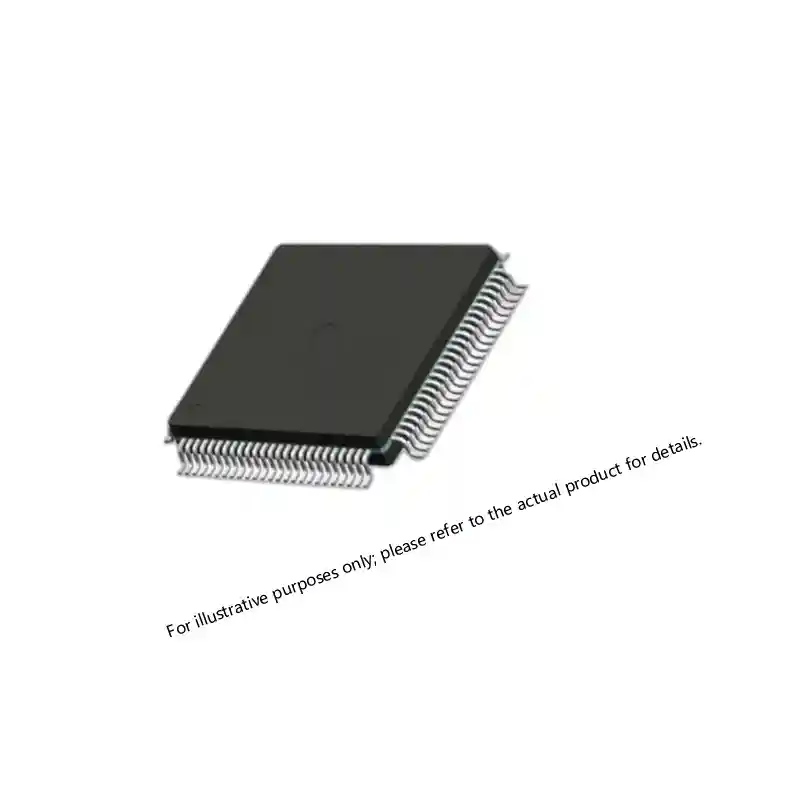
The programs I have supported that manage lead times best do not rely on a single sourcing channel. They build a multi-tier supply network that includes the OEM authorized channel for program-start parts, one or two qualified independent distributors for mid-program shortages and EOL buys, and a direct relationship with a component testing partner for last-time-buy verification.
This network works because it creates optionality. When the factory lead time on a Xilinx Kintex-7 device stretches to 26 weeks, the program can check inventory at the independent distributor, confirm the date code and test reports match the program requirements, and receive parts in five days instead of six months. The OEM channel still fulfills the long-term demand plan. The distributor handles the surge.
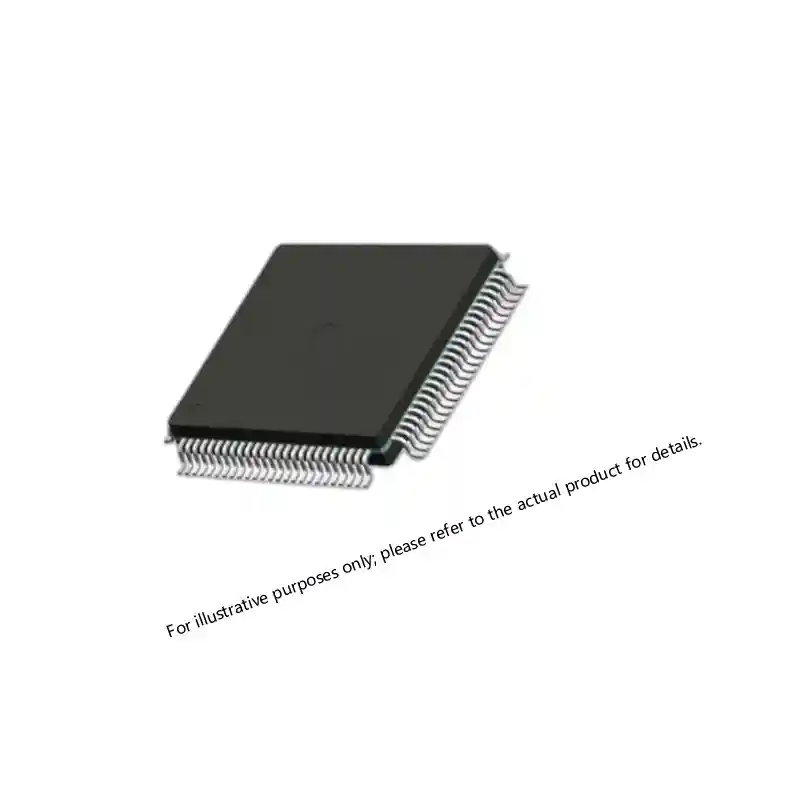
The other shift successful programs make is to move procurement earlier. Not just ordering earlier, but embedding procurement analysis into the design phase. When an engineering team selects a new FPGA or ADC, a procurement specialist should assess the part’s lead time stability, allocation status, and alternate part availability before the design is frozen. I have seen a single component selection made without procurement input add 18 months to a program schedule. Reversing that meant redesigning the board and requalifying the replacement part, a cost that dwarfed the original component price. Early sourcing analysis is not paperwork. It is program risk management.
Common Questions About Long Lead Time Military Components
Do all QML devices have long lead times?
QML devices do not all share the same lead time. Standard logic gates and simple op-amps in QML flows can ship in 8 to 12 weeks because the test programs are mature and the manufacturing lines run continuously. The longest lead times concentrate in complex mixed-signal devices, high-gate-count FPGAs, and radiation-hardened parts, where wafer starts are infrequent and the test and qualification flow is device-specific. If your program uses a wide range of QML parts, triage the high-complexity ones for early sourcing analysis and let the mature parts follow the normal procurement cycle.
Is it safe to buy MIL-SPEC components from independent distributors?
It is safe when you apply consistent vetting and require full documentation before payment. I have sourced thousands of MIL-SPEC parts through independent distributors for programs that could not afford a 40-week wait. The key is to treat the distributor relationship the same way you treat an OEM channel partner: qualify them, audit them if your program requires it, and demand the same documentation you would expect from the manufacturer. A competent independent distributor will welcome that scrutiny because it separates them from brokers who cut corners.
How much lead time reduction can I realistically expect?
Realistically, you can cut 50% to 80% off the OEM factory lead time for parts that the distributor holds in stock. If the factory quotes 30 weeks and a distributor has verified stock with matching date codes, you can receive parts in a few days to two weeks, depending on export compliance processing. For allocation-restricted parts, the improvement is smaller but still meaningful: a distributor with strong manufacturer relationships can sometimes secure small quantities faster than a program going through the standard allocation queue.
What is the biggest mistake programs make when dealing with long lead times?
The biggest mistake is treating lead time as a problem to solve at the point of need. When a production line stops and someone discovers the shortage only then, every option becomes expensive and rushed. The programs that handle lead times well integrate procurement into design reviews, maintain a qualified distributor shortlist, and review the BOM for lead time risk quarterly. If you are reading about long lead time military components right now because your program is already behind schedule, the first step is to send your BOM and required quantities to a distributor who can tell you what is actually available today. Send your part numbers and target date codes to xuansc2144@gmail.com and we will confirm what stock is accessible and what documentation is available.
If you’re interested, check out these related articles:
Virtex-7 XC7VX690T: Performance, Reliability, and Integration
UltraScale KU085 FPGA Specifications for Defense Systems