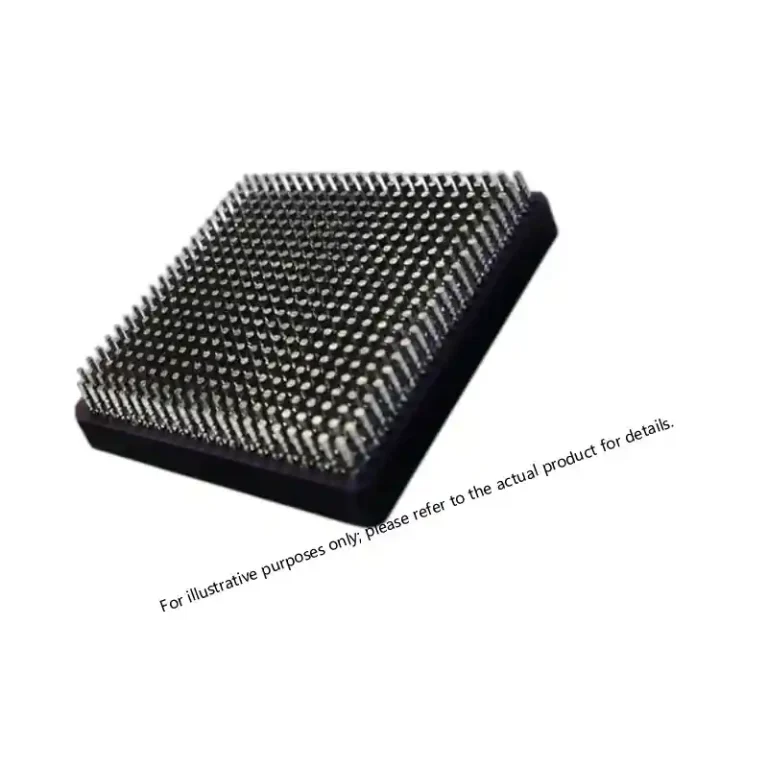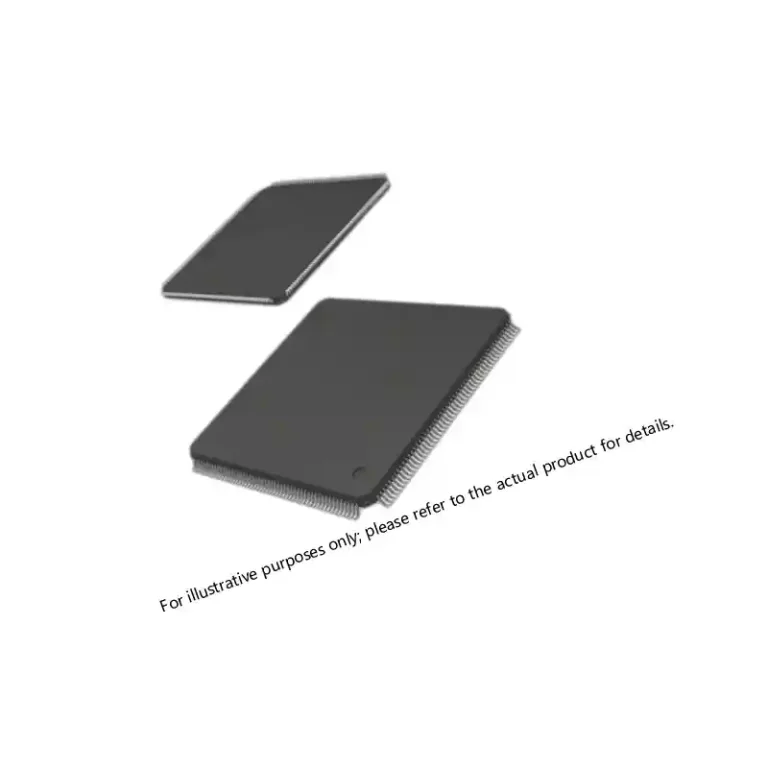
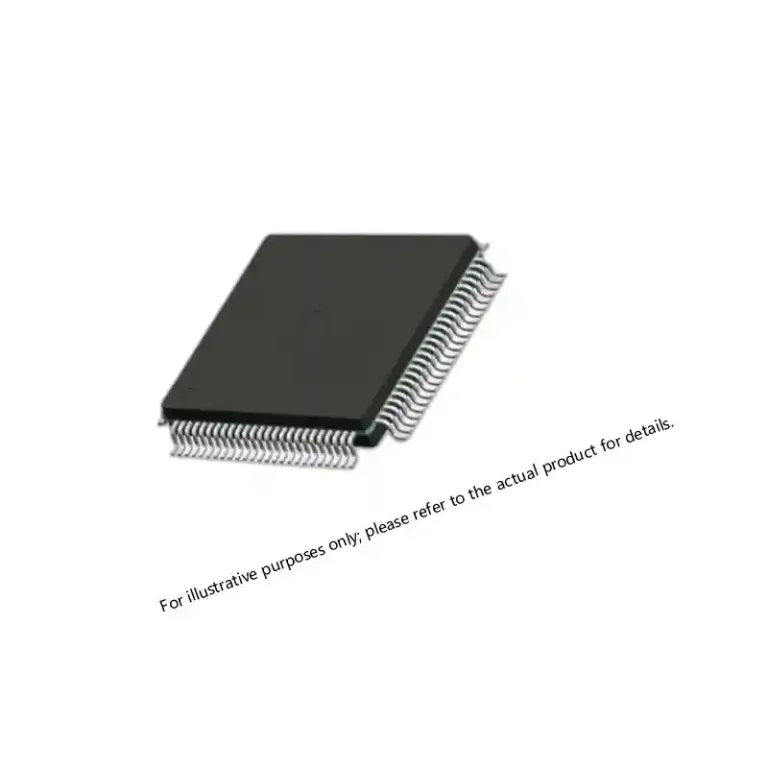
XC2V3000-4BG728I: Legacy Virtex-II FPGA Procurement Guide
Table of Contents
- What the XC2V3000-4BG728I Part Number Actually Specifies
- Where a 3M-Gate Virtex-II Still Belongs in a Defense Program
- Speed Grade and Package Before You Commit a Second Source
- What the Industrial Suffix Covers and What It Leaves to You
- Documents and Tests That Actually Prove Something
- RFQ Fields That Prevent a Wrong Match
- Second Sources and Re-Architecture for a Legacy Virtex-II Design
- Send the Part Number and the Acceptance Requirement Together
- FAQ
- Is the XC2V3000-4BG728I still available?
- Can I substitute a -5 or -6 speed grade for a -4 device?
- Does the industrial suffix make this a military-grade part?
- What testing should I request on a legacy Virtex-II lot?
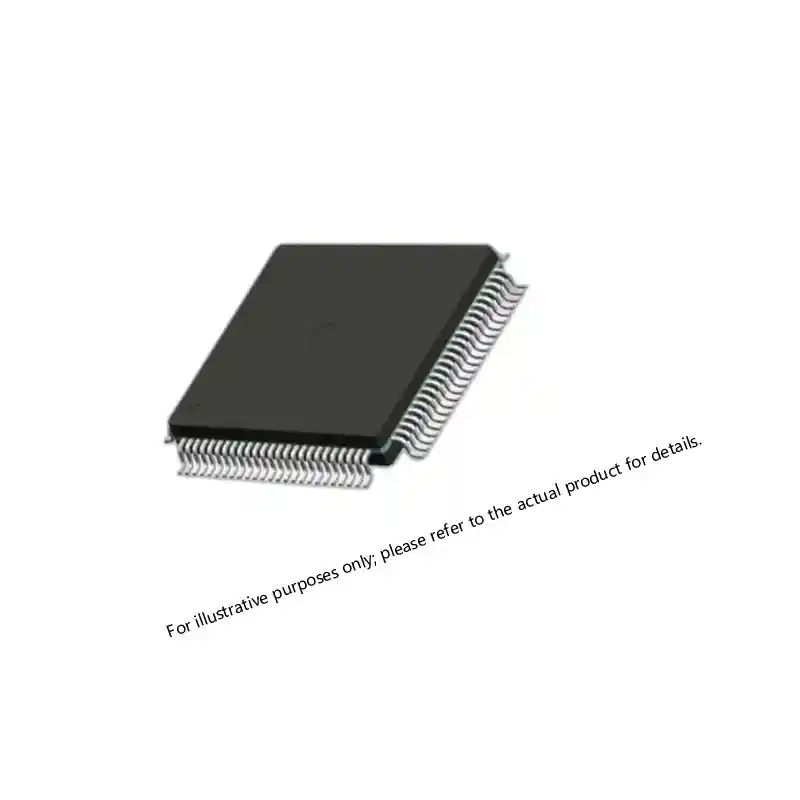
The XC2V3000-4BG728I is an industrial-temperature Virtex-II device with three million system gates, a -4 speed grade and a 728-ball BG package, and the supply chain around it now matters as much as the silicon. The Virtex-II family is well past its production life, so orders are filled from distributor stock, excess inventory and specialist aftermarket channels rather than from a current wafer line. What most purchase orders leave unsaid is the part that decides acceptance: whether the program needs a standard industrial-flow device or a QML-qualified equivalent, which screening evidence will be accepted, and which records must travel with the shipment. Those are specification questions, not paperwork.
What the XC2V3000-4BG728I Part Number Actually Specifies
A part number is an identity string. It tells a buyer what device is being quoted, and it tells a quality engineer almost nothing about how that device was built, stored or screened. Reading the string field by field makes the difference visible.
| Field | What it specifies | What it does not specify |
|---|---|---|
| XC2V3000 | Virtex-II family, 3M system-gate class, SRAM-based fabric | Screening flow, QML status, lot, date code, die revision |
| -4 | Entry speed grade of the family | The timing margin your specific design will actually have |
| BG728 | 728-ball BGA package | Thermal behaviour in your enclosure, moisture level as shipped |
| I | Industrial temperature grade | Radiation tolerance, hermeticity, MIL-STD-883 screening |
Inside that identity sit the resources the design was written against. The XC2V3000 class carries 28,672 logic cells, 96 block RAM blocks of 18 Kb each for 1,728 Kb in total, twelve 18×18 multipliers and twelve digital clock managers on a 1.5 V core. Confirm every one of those numbers in the family data sheet for the revision you are designing against, and treat the “3M gates” phrase in the part description as a vendor equivalence rather than a synthesis capacity. System-gate counts were never a measure of what a design would fit; logic cells, block RAM and multiplier count were.
One further distinction decides program eligibility. QML-qualified devices in this family are sold under a different prefix, for example the XQV parts, and they carry a qualification flow that a standard XC device does not. An industrial temperature suffix changes the rated operating range, not the manufacturing flow. If a contract line requires a qualified manufacturer listing, an XC2V3000-4BG728I cannot satisfy it no matter how complete the accompanying paperwork looks.
Where a 3M-Gate Virtex-II Still Belongs in a Defense Program
Sustaining a fielded board is the honest use case. A radar timing card, a trainer, a test bench or a legacy avionics subsystem that already owns its bitstream, its constraints file and its acceptance test procedure does not become cheaper by being redesigned. Re-spinning a board drags in schematic capture, layout, a new timing closure cycle, environmental requalification and, on many programs, a fresh design assurance argument. Against that cost, an obsolete FPGA bought at a premium is often the inexpensive option, at least until availability collapses or the price of a single lot stops being defensible.
The condition on that reasoning is control. If the program cannot produce the original bitstream, the pin constraints and the configuration device that feeds the FPGA, then a replacement purchase solves the wrong problem. SRAM-based FPGAs lose their configuration at power down, and the PROM or flash device beside the FPGA is its own line item with its own end-of-life date. A program that sources the XC2V3000-4BG728I and overlooks the configuration memory has moved the shortage, not resolved it.
Programs that keep an obsolete fabric in service usually need a second source rather than a new architecture, and the sourcing question looks much the same across long-lived logic families. <A1020B-PG84B ACT2 FPGA: Specs, Sourcing, and Availability> covers how an older Actel device is specified and sourced after production ends.
The second decision is repair versus refresh. Repair keeps the qualified design and accepts sourcing risk on a shrinking pool of parts. Refresh retires that risk and buys a new set of them: new tools, new qualification evidence, new obsolescence clock. Neither choice is universally correct, and the tie-breaker is usually how many years of support the platform still owes and whether the configuration chain can be sustained alongside the FPGA.
Speed Grade and Package Before You Commit a Second Source
The -4 grade is the slowest standard speed grade in the Virtex-II family, with -5 and -6 devices above it. A faster part does not repair a design that closed timing at -4, and it does not automatically improve field reliability. What it does change is reported slack, which means any substitution has to be re-verified with static timing analysis against the real constraints, at the real grade, before a single unit is built. Treat a speed-grade change as a design change with a verification task attached, not as a purchasing convenience. Mixing grades inside one build creates a configuration-control problem as well, because two units of the same assembly no longer carry the same timing evidence.
Configuration compatibility between speed grades is a question to settle from the manufacturer’s documentation for this family. Do not assume that a bitstream validated on one grade is validated on another simply because the die is nominally the same device. Where the program keeps a single released configuration file, that file’s validity across any proposed substitute should be confirmed in writing before the substitution is approved.
Package is the other half of the second-source question. A 728-ball BGA demands a controlled reflow profile, a moisture sensitivity plan, and incoming inspection that can see ball integrity and coplanarity. Confirm the exact pitch, body size and moisture sensitivity level for BG728 from the data sheet rather than from a broker’s listing, because those values drive both the stencil design and the bake decision. Previously installed, reballed or refurbished units are the specific hazard here: new solder balls can make a used device look like a new one, while the die has already absorbed at least one full reflow cycle. Ask directly whether the material has been mounted before, and put the answer in the purchase record.
What the Industrial Suffix Covers and What It Leaves to You
The industrial suffix sets an operating temperature range and nothing else. It does not make the device radiation tolerant, hermetic, or screened to MIL-STD-883 test methods, and it does not place the part on a qualified manufacturer listing. Thermal design remains yours: junction temperature follows board layout, airflow, adjacent dissipation and duty cycle, so the grade sets a limit rather than an outcome. Read the exact range from the data sheet and verify it against your thermal analysis instead of assuming a figure.
There is a second limit that aftermarket supply introduces. Storage history is not visible in a part number. A device held outside its moisture sensitivity and ESD controls for years can still test good on a bench and still fail during reflow, and nothing in the marking will warn you. That is why the incoming record for a legacy lot has to capture packaging, desiccant state, humidity indicator and handling, not just the electrical result.
Where a contract genuinely requires a qualified device, the available paths are a QML variant, an approved deviation with program office sign-off, or a redesign. A distributor can document what was shipped and what was tested. It cannot convert an industrial-flow part into a qualified one, and a proposal that implies otherwise deserves scrutiny.
Documents and Tests That Actually Prove Something
Legacy sourcing generates a great deal of paper, and not all of it carries the same weight. The useful discipline is to state, for each record, what it can legitimately support and what the reader must not conclude from it.
| Record | What it is | Responsible use | Do not infer |
|---|---|---|---|
| Certificate of conformance | Seller’s declaration against its own quality system | Confirms the described condition and process as stated by the seller | That the device is genuine, or that it passed a military screening flow |
| Date code, lot and label photographs | Visual record taken at goods-in | Identity screening and grouping of material by lot | That the marking is original or that the die revision matches |
| X-ray inspection | Non-destructive imaging compared with a reference part | Evidence of die attach, wire bond and voiding condition | Electrical performance, or die provenance on its own |
| XRF, SEM or decapsulation | Laboratory analysis on samples | Construction and die marking comparison against a reference | Qualification of the remaining lot, since only the examined unit is covered |
| Sample electrical test at temperature | Bench or automated measurement at stated conditions | The tested parameters at the tested condition for the tested units | Untested parameters, untested units, or the lot as a whole |
| Burn-in or screening of supplied units | Stress applied to a defined population | Removal of early-life failures within that population | A QML equivalent flow, or requalification of the die |
Two boundaries sit outside the table. First, records of this kind describe material supplied by a seller, not the manufacturer’s original qualification, and a photograph of a marked package is an identification aid rather than an acceptance standard, particularly for a used or reballed unit. Second, a trial result is bounded by the part, the source, the test conditions and the parameters that were actually measured. A successful sample run on one lot tells you about that lot. It does not tell you what a different date code, a different broker or an untested parameter set will do.
RFQ Fields That Prevent a Wrong Match
The fastest way to receive the wrong material is to send a part number and a quantity. Six fields close most of the gap between what the buyer means and what the seller ships.
| RFQ field | What to state | Why it matters |
|---|---|---|
| Device identity and grade | Full part number, speed grade, package, temperature suffix, and whether a QML variant is acceptable | A different prefix or a -5 device changes qualification status and timing evidence |
| Condition and provenance | Unused, unused surplus or previously installed, plus any reballing or refurbishment history | Reballed units can pass a visual check after the die has already seen reflow |
| Date and lot traceability | Date code, lot, and traceability to the manufacturer or a franchised channel | Mixed lots conceal a single suspect date code and block a failure investigation |
| Documentation set | CoC, packing list, inspection record, moisture sensitivity and bake record, storage history | Missing records leave the acceptance decision unsupported, however good the parts are |
| Test and acceptance | Sample size, temperature conditions, parameters and pass limits agreed in writing | A generic “tested good” statement covers no specific parameter |
| Delivery condition | ESD bagging, desiccant, humidity indicator, packaging and shipping environment | Moisture uptake before reflow is a popcorning risk on any 728-ball body |
The contrast is easiest to see in a single line item.
| Reject this RFQ line | Replace it with |
|---|---|
| XC2V3000-4BG728I, 25 pcs, best price, ship this week | XC2V3000-4BG728I, industrial grade, unused and not previously mounted, date codes inside an agreed window, CoC plus traceability to the manufacturer or franchised channel, moisture sensitivity label and bake record, sample electrical test at ambient and at the top of the rated range with a written report, 25 pcs |
The replacement line costs more to write and considerably less to resolve later.
Second Sources and Re-Architecture for a Legacy Virtex-II Design
No flash-based FPGA is a drop-in for a BG728 Virtex-II. The fabric, the toolchain, the configuration scheme and the pin-out all differ, and any migration means a board change with its own qualification evidence. That does not make the alternatives irrelevant. It means the honest options are to keep buying the XC device or to plan a deliberate re-architecture, and the second option deserves a realistic schedule.
Where a program does re-architect, the flash families that defence designs commonly consider have different strengths. ProASIC3E devices offer a flash configuration that is live at power-up, which removes the separate configuration memory from the reliability chain and from the obsolescence list.
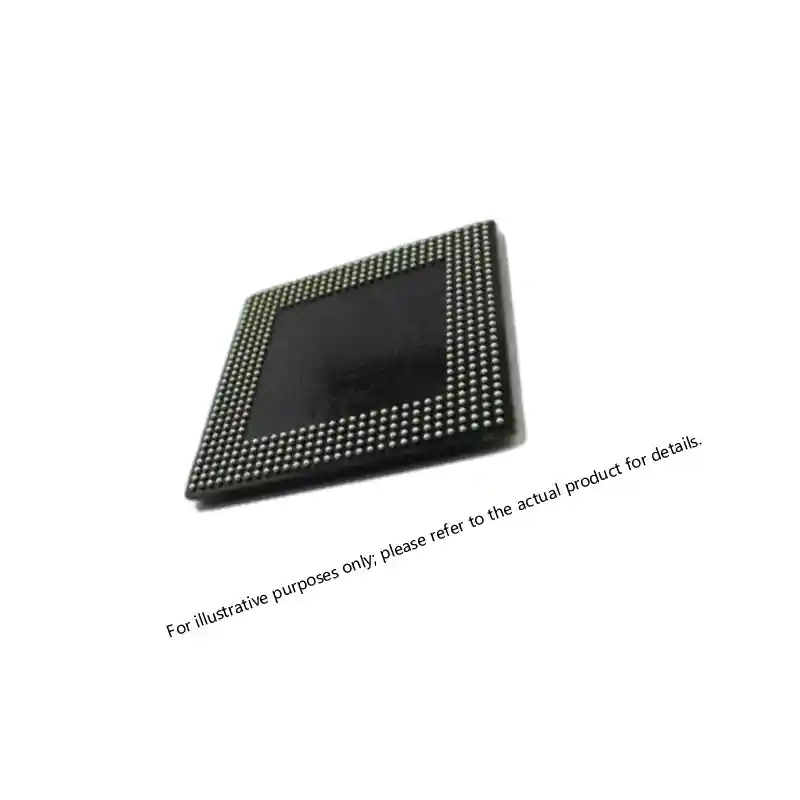
Fusion parts add mixed-signal blocks, including analog conversion and embedded flash, which can absorb functions that previously needed separate components around the FPGA.
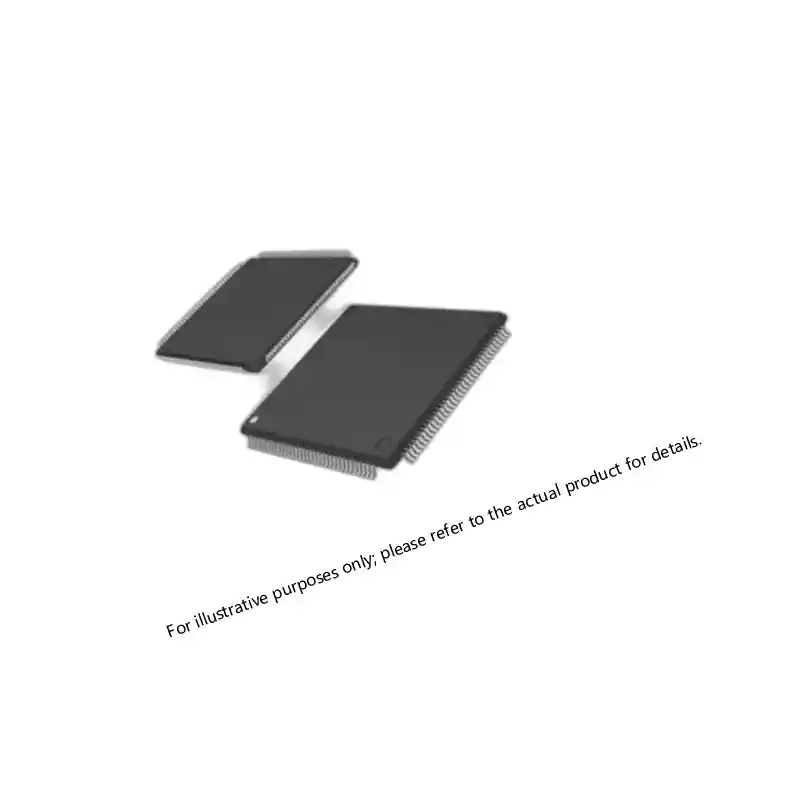
SmartFusion2 devices move further toward a system-on-chip arrangement by combining a flash fabric with a hardened microcontroller subsystem, which changes the partitioning of a control board rather than just the logic device on it.
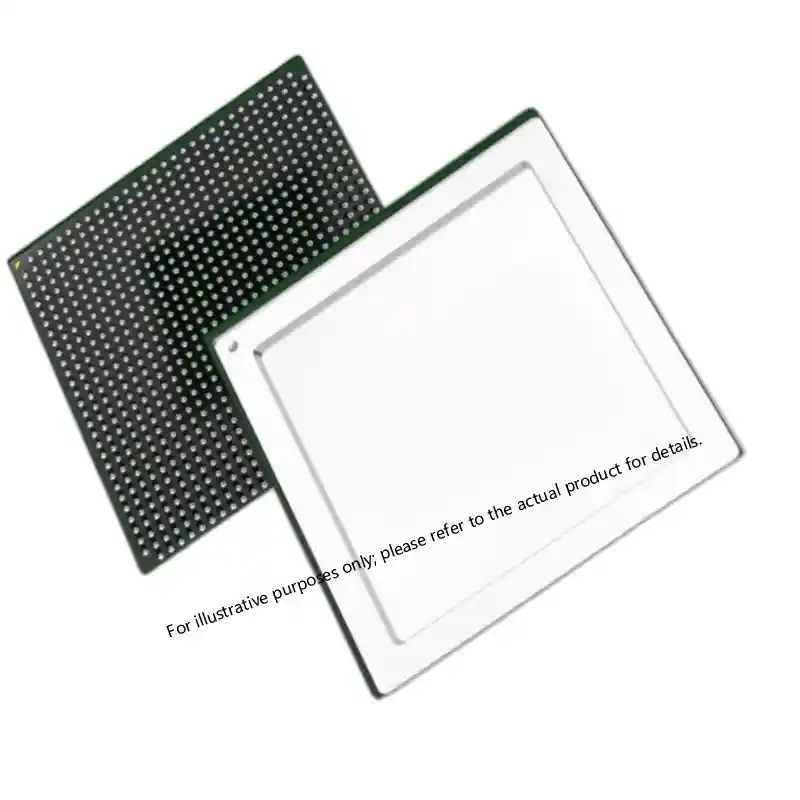
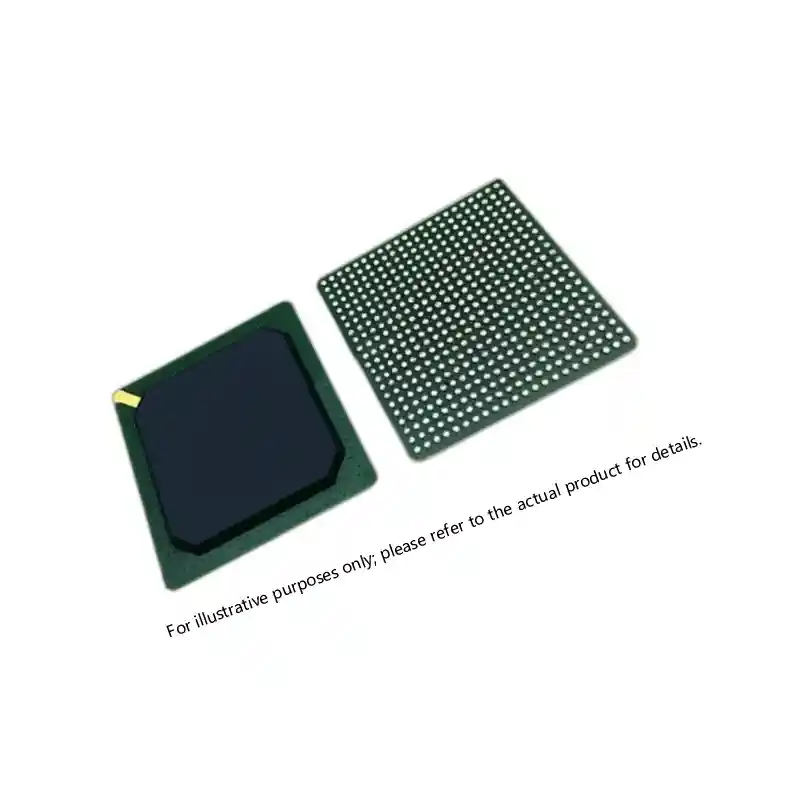
Older antifuse parts such as the SX-A series sit at the other end of the trade, offering a non-volatile, one-time-programmable fabric with a very different security and reprogramming profile from SRAM devices.
Each of these routes replaces the design, not the component, and each restarts the qualification clock. For a platform with a decade of support remaining that is often the right call; for a board being repaired to keep a line running this quarter it usually is not.
A re-spin is often the moment when a newer fabric becomes practical, because the timing and resource comparison can be made against a clean sheet rather than against an existing layout. <Virtex-7 XC7VX690T: Performance and Reliability Insights> covers the performance and reliability profile of a much later Xilinx family.
Send the Part Number and the Acceptance Requirement Together
The next step is a quote request that carries both halves of the decision. Send the full device identity and grade, the quantity, the date-code window you will accept, the screening or qualification class the program requires, the test conditions and parameters you want covered, the documentation set you must receive, and the schedule the line actually needs. Include any restriction on previously mounted or reballed material and say whether a QML variant under a different prefix is acceptable, because that single answer changes which material can be offered at all.
Sparkle Electronics supports legacy and hi-rel sourcing programmes with traceability documentation, incoming inspection coordination and lot-level test planning, and we will tell you plainly when a requirement cannot be met from industrial-flow stock. Write to xuansc2144@gmail.com with the part number and the acceptance criteria in the same message. Documentation confirms what was shipped and what was tested. It does not turn an industrial-grade device into a qualified one, and a quote that suggests otherwise is worth questioning before the order, not after.
FAQ
Is the XC2V3000-4BG728I still available?
Availability now comes from distributor stock, unused surplus and specialist aftermarket channels rather than from current production. That makes each offer a specific lot with a specific history, so the practical question is not whether the part exists but whether the traceability, date code and test evidence behind a particular lot match your acceptance requirements. Expect lead time to depend on condition and documentation rather than on factory scheduling.
Can I substitute a -5 or -6 speed grade for a -4 device?
Only after re-verification. A faster grade changes reported timing slack, so the design has to be re-checked with static timing analysis against the actual constraints, and the released configuration file’s validity on the new grade should be confirmed from the manufacturer’s documentation. If the substitution is approved, control it as a design change so that two units of the same assembly do not end up carrying different timing evidence.
Does the industrial suffix make this a military-grade part?
No. The suffix defines an operating temperature range. It does not add radiation tolerance, hermeticity, MIL-STD-883 screening or a qualified manufacturer listing. If the contract requires a qualified device, the routes are a QML variant under a different prefix, an approved deviation with program office sign-off, or a redesign. Documentation from a distributor can describe what was shipped; it cannot change the manufacturing flow the device came from.
What testing should I request on a legacy Virtex-II lot?
Request what your decision actually depends on. That usually means identity and construction checks on samples, plus electrical measurement at stated temperature conditions with written pass limits, alongside a CoC, date-code traceability and a storage and bake record. Keep the conclusion bounded: sample test results describe the tested units at the tested conditions, and they do not qualify untested units, untested parameters or a different date code from the same broker.
If you’re interested, check out these related articles:
Virtex-7 690T FPGA: Performance for Mission-Critical Systems
Virtex-7 XC7VX690T: Performance and Reliability Insights