WS512K32N-17H1I 512K×32 SRAM: Timing, Package, Sourcing
Table of Contents
- What the WS512K32N-17H1I actually is
- Reading the 17 ns access time inside a real system
- Decoding the part number without guessing
- Where the 512K×32 SRAM fits and where it does not
- What should travel with the parts
- Sourcing a thin-market part without accepting a substitute
- Same density is not the same part
- Where re-marked stock enters the channel
- The check that settles the question
- The fields to put in the RFQ
- Send the requirement and get a documented quote
- FAQ
- What does the 17 in WS512K32N-17H1I mean?
- Can I replace it with a faster 512K×32 part from the same family?
- How much data does a 512K×32 SRAM hold?
- What does the H1I suffix tell me?
- Is a certificate of conformance enough to accept a lot?
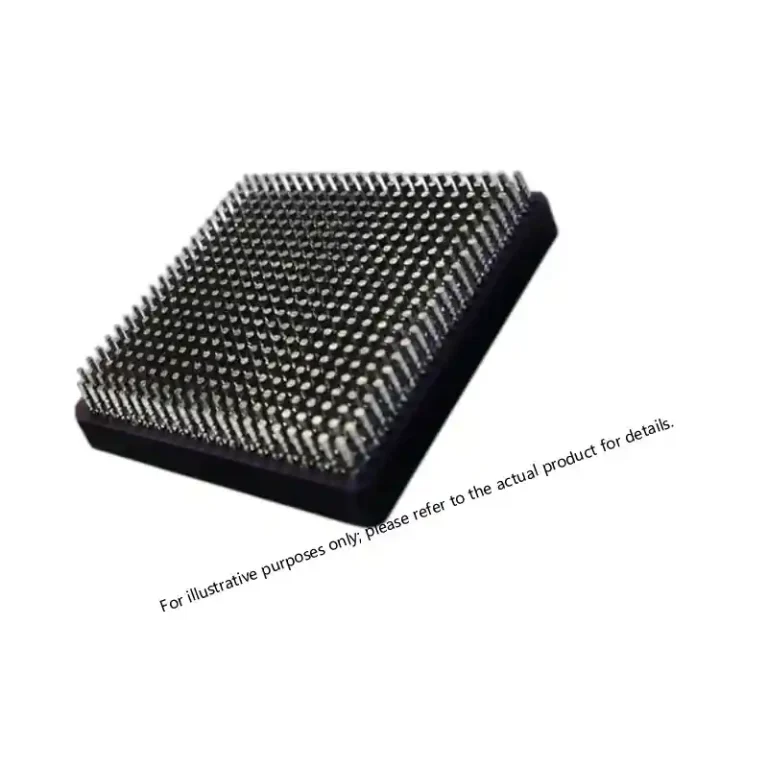
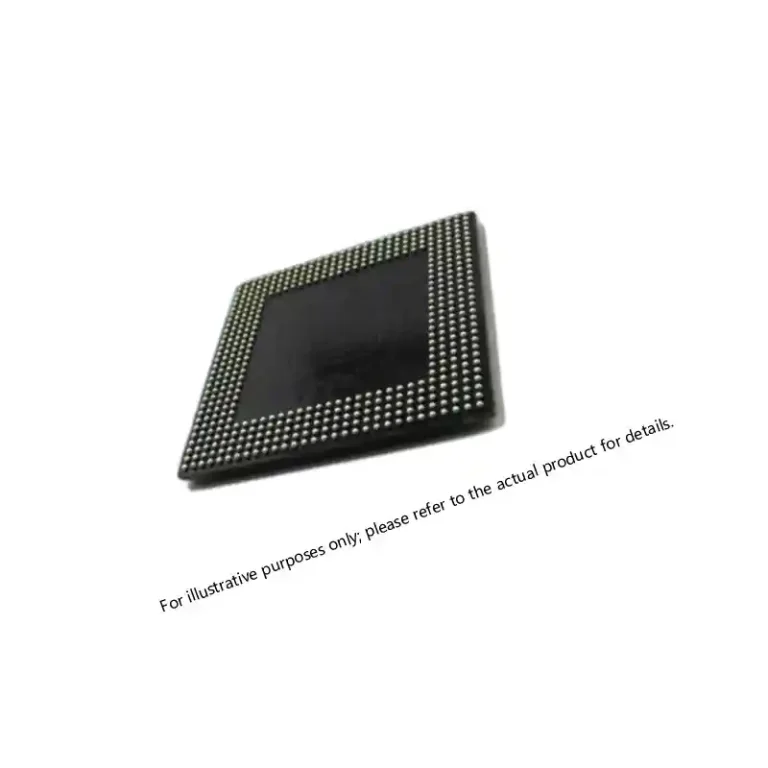
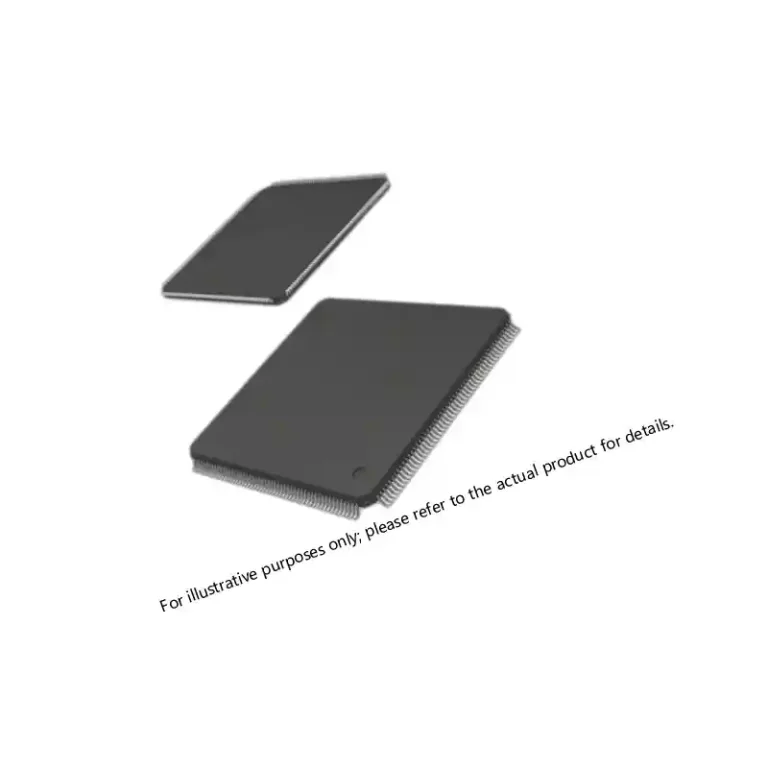
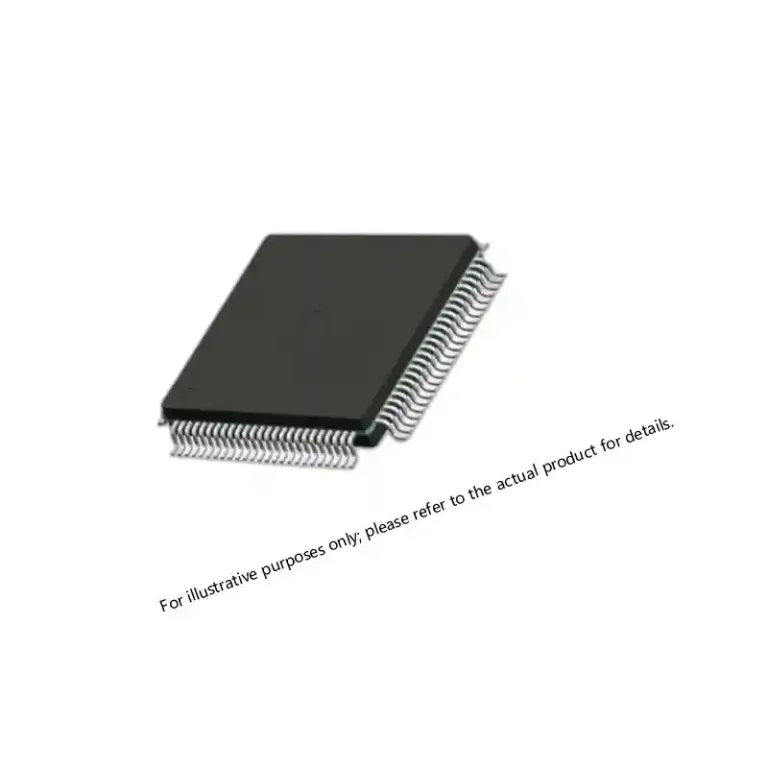
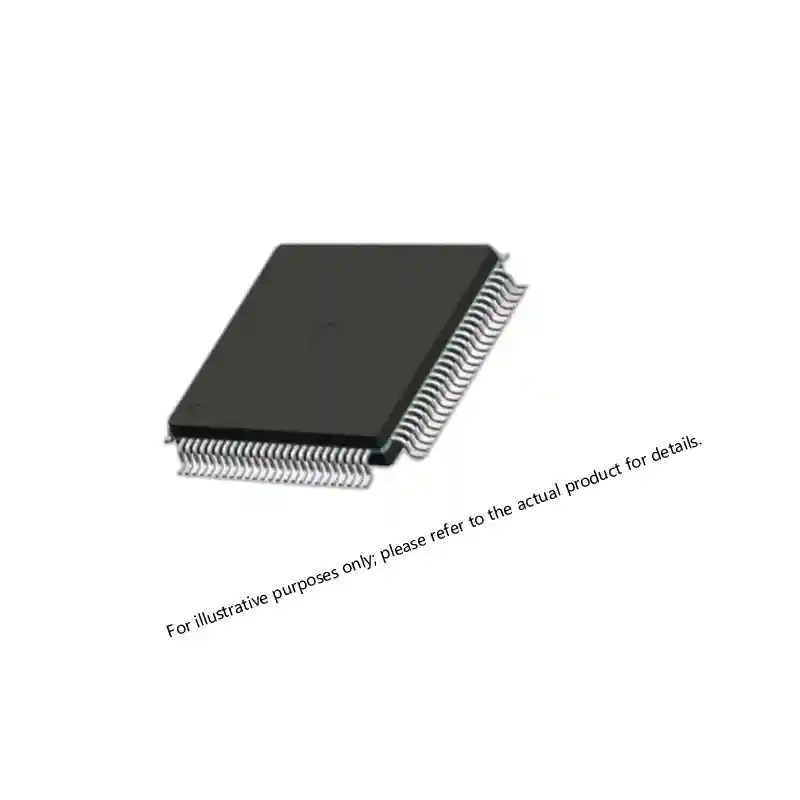
The WS512K32N-17H1I is a 512K×32 asynchronous SRAM in a 17 ns speed grade, supplied in the H1I package option. Those three facts, density, access time and package code, are also the whole of what the part number tells you. Everything a program actually depends on sits outside them: the supply voltage and I/O levels, the temperature grade carried by the suffix, the write control scheme, and the documentation that travels with the lot. Procurement failures on parts of this class rarely start with the memory array. They start with a quote that matched the density and quietly changed everything else.
What the WS512K32N-17H1I actually is
A 512K×32 organization means 524,288 addressable words of 32 bits. Multiplied out, the array holds 16,777,216 bits, or 16 Mbit, which is 2 MB of storage in one device. The part is asynchronous, so it has no clock input and a read completes once the address has been stable long enough for the outputs to settle. Address transitions, chip enable, output enable and the write controls define the bus cycle, not an edge from a controller.
The 32-bit width is why devices of this shape appear on processor and FPGA local buses rather than in general-purpose memory pools. One access returns a complete data word, so a 32-bit bus needs no multiplexing and no burst to fetch a single element. Byte-granular writes, where the device provides them, come from per-lane write enables rather than from a separate narrow access mode. Confirm the exact control set on the datasheet before the write strobe logic is committed, because a lane-enable scheme and a single write-enable scheme are not interchangeable at the board level.
Reading the 17 ns access time inside a real system
The minus-17 speed grade is an address access time: the delay from a valid address at the input pins to valid data at the output pins, measured under the load and voltage conditions the datasheet states. It is not a cycle time and it is not a clock frequency.
In a system, the number that matters is the budget. The memory gets its full 17 ns only if the address arrives instantly and the data is latched the instant it appears. The controller output driver, the trace flight time and the receiving latch setup time all come out of the same window. A 17 ns device behind a 6 ns driver and latch path behaves like an 11 ns memory in that design, and a controller allocating 15 ns per access will insert a wait state regardless of what the speed grade promises.
Bandwidth follows from the same arithmetic. Four bytes per access is the entire payload. If a controller could start a new access every 17 ns without a gap, the ceiling would be 4 bytes divided by 17 ns, roughly 235 MB/s. No real controller reaches that ceiling, because address setup, bus turnaround and the recovery interval between a write and the following read are all drawn from the same budget. Treat the calculated figure as an upper bound and measure the rest.
Temperature belongs to the same statement. Access time is specified across the rated operating range, so a device that reads comfortably on a bench at room temperature can miss the published number at either end of that range. Design to the limit at the worst case your program specifies, and keep bench margin out of the timing analysis.
Decoding the part number without guessing
The orderable part number carries several pieces of information, and only some of them are readable without the datasheet.
The leading block identifies the family and the array organization, 512K words of 32 bits. Characters inside that block are the manufacturer’s own family designators and should be read from the ordering information rather than by analogy with a neighboring line.
The -17 is the speed grade described above. It is the most dependable part of the number, because it states a parameter with a defined test condition.
The H1I suffix is a package and screening code. It is short by design and it is not self-describing. Manufacturers reuse two- and three-character codes across product lines with different meanings, and a code that denotes one package on a ceramic memory line can denote something else elsewhere in the same catalogue. Two consequences follow. The footprint on a new board must come from the package drawing issued for that exact code, not from a similar part number that happened to fit the previous design. And because temperature grade and screening level usually ride in the same suffix, a quote that reproduces the suffix character for character is the only quote that reproduces the grade.
A quote showing WS512K32N-17 without the trailing three characters is not a quote for this part, however similar the description reads.
Where the 512K×32 SRAM fits and where it does not
Devices of this class do their best work as local buffer memory beside a processor or an FPGA: capture buffers in radar, electronic warfare and avionics signal chains, scratch memory during boot and self-test, small deterministic queues where a fixed access latency is easier to verify than a trained synchronous interface, and sustainment of fielded boards whose memory map is already frozen in firmware.
They are the wrong choice when sustained throughput is the governing requirement. A 2 MB array fed by a single asynchronous port cannot compete with a clocked, double-data-rate SRAM, and a design that needs continuous streaming should not be built around it. The trade is real in both directions: the asynchronous part asks for almost no controller sophistication and no link training, while the synchronous part returns far more bandwidth at the cost of source-synchronous design work and a controller that supports it.
| Consideration | Asynchronous 512K×32 such as this part | Clocked QDR-class SRAM |
|---|---|---|
| Timing basis | Address to data access time | Clock edge with defined setup and hold |
| Sustained throughput | One word per access window | Higher, with separate read and write ports |
| Controller effort | Simple, no training sequence | Source-synchronous capture, latency calibration |
| Best fit | Legacy sustainment, low-latency buffers | Streaming capture, high-rate signal processing |
| Change impact | Often none for an existing board | Usually a controller and layout redesign |
Where a program is choosing between a discrete memory and an integrated device, the same logic applies in a different form. Flash-based SoC FPGAs fold a processor and embedded memory into a single package 
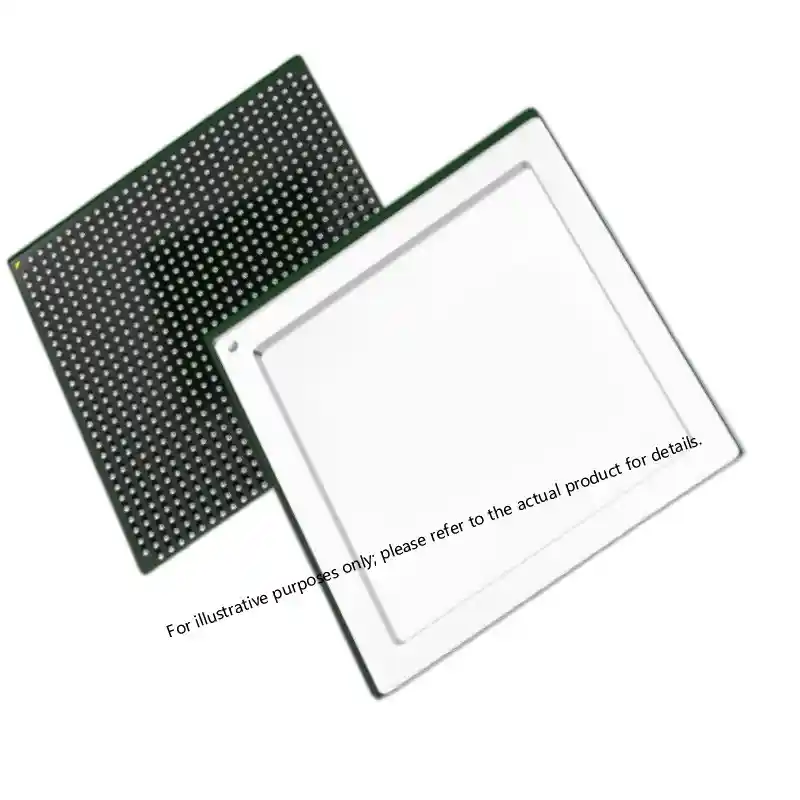 , which removes a memory from the bill of materials but also removes the option of changing memory density independently of the logic later. A discrete 512K×32 SRAM keeps that option open at the cost of board area and one more part to sustain.
What should travel with the parts
A hermetic ceramic memory device is not difficult to ship. It is difficult to document, and the documentation is what a program actually accepts.
At minimum, a lot should arrive with a certificate of conformance that names the full orderable part number including the suffix, the quantity, the lot and date code, and the specification the lot was tested against. Traceability to the manufacturer or to a franchised channel should be reconstructable from the labels and the accompanying records, not asserted in an email. Where the purchase order requires screening or quality conformance records, those belong in the same package rather than in a later request.
Keep the three levels separate, because they answer different questions. A photograph of the marking establishes identity at the label level. A room-temperature functional test establishes that the device works at room temperature. Neither one demonstrates the temperature grade the suffix implies, and neither one is a technical acceptance decision. Acceptance belongs to whoever holds the release authority on the program, against criteria written before the lot was ordered.
Sourcing a thin-market part without accepting a substitute
Military SRAM of this generation is a mature product. Supply is whatever exists at the moment of the inquiry: factory stock, franchised distributor inventory, or broker inventory of varying provenance. Thin supply creates pressure to substitute, and most substitution mistakes are made on paper rather than on the bench.
Same density is not the same part
The records below come from a distributor catalogue and describe identity, not acceptance. They are enough to show how wide the gaps can be inside one density class.
| Record | Method context | Responsible use | Do not infer |
|---|---|---|---|
| WS512K32N-17H1I | Catalogue entry: 512K×32, 17 ns, H1I package | Identifies density, speed grade and package code of this exact orderable part | Do not infer supply voltage, temperature grade or pinout from the catalogue line |
| WS512K32-15G2UIA | Catalogue entry: 512K×32, 15 ns, G2UI package, A temperature | Confirms a faster grade exists in the same family with a different package code | A faster grade is not a drop-in: package and temperature code differ |
| ACT-S512K32N-017P7EQ | Catalogue entry: 512K×32, 17 ns, P7EQ package, extended temperature | Shows the same density and speed offered in another package and screening code | Matching 17 ns does not make it mechanically or environmentally interchangeable |
| EDI8L32512C12AC and EDI8L32512V15AI | Catalogue entries: 512K×32 at 3.3 V and 12 ns, versus 5 V and 15 ns | Demonstrates that this density spans more than one supply rail | Do not carry a supply rail across part numbers on the strength of the density |
| WEDPS512K32V-12BM | Catalogue entry: 512K×32, 12 ns, 5 V, BM package | Another speed, voltage and package combination in the same ecosystem | Speed and density alone never define the device |
The first row is worth reading twice. If the only matched attributes on a quote are 512K×32 and 17 ns, the quote has matched two of at least five attributes that decide whether the part will fit.
Where re-marked stock enters the channel
The counterfeit risk on a part like this one is rarely a fabricated die. It is easier to re-mark a device, relabel a tube, or present a pulled part as new stock than to build a 16 Mbit ceramic SRAM from nothing. That means the useful checks target marking and paperwork consistency rather than exotic analysis: marking permanency under solvent, lead finish consistency against the drawing, date-code continuity across the quantity, package dimensions against the drawing, and a paper trail that survives a call to the manufacturer.
The check that settles the question
Before a purchase order is issued, confirm four things in writing. The full orderable part number including suffix. The package drawing number and revision. The supply voltage and I/O levels. The temperature grade and screening level. A supplier who can answer all four from documents has answered the question. A supplier who answers only the density has not.
Programs that source several long-lived devices together usually find the same obstacle on each line, and the logic carries across part types. Board-level availability planning tends to reach the logic devices before it reaches the memory. <XC7VX485T Virtex-7 FPGA: Performance and Sourcing for Defense> covers performance and defense sourcing considerations for that device.
The same arithmetic applies to older families that remain in fielded equipment long after the last catalogue update. Legacy programs face an identical thin-market problem on logic as on memory. <A1020B-PG84B ACT2 FPGA: Specs, Sourcing, and Availability> covers specification and availability questions for one long-lived Actel part.
Availability rarely moves on a single line of a bill of materials. A board that buffers data through this memory usually carries a companion FPGA whose lifecycle runs on the same schedule, and the two are qualified together. Reviewing the memory without reviewing its neighbors tends to produce a plan that fails at the second line item 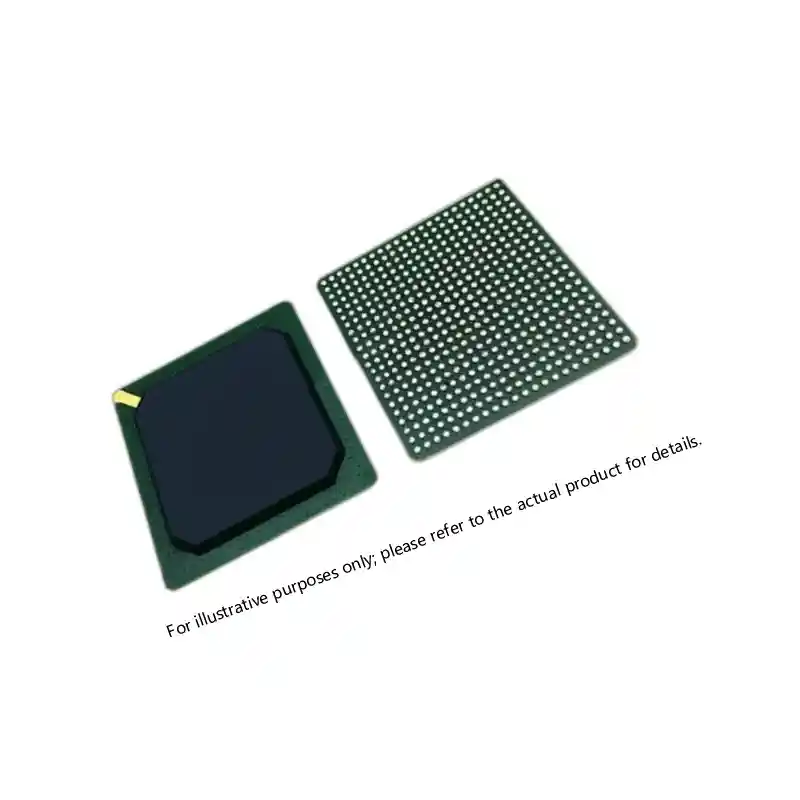
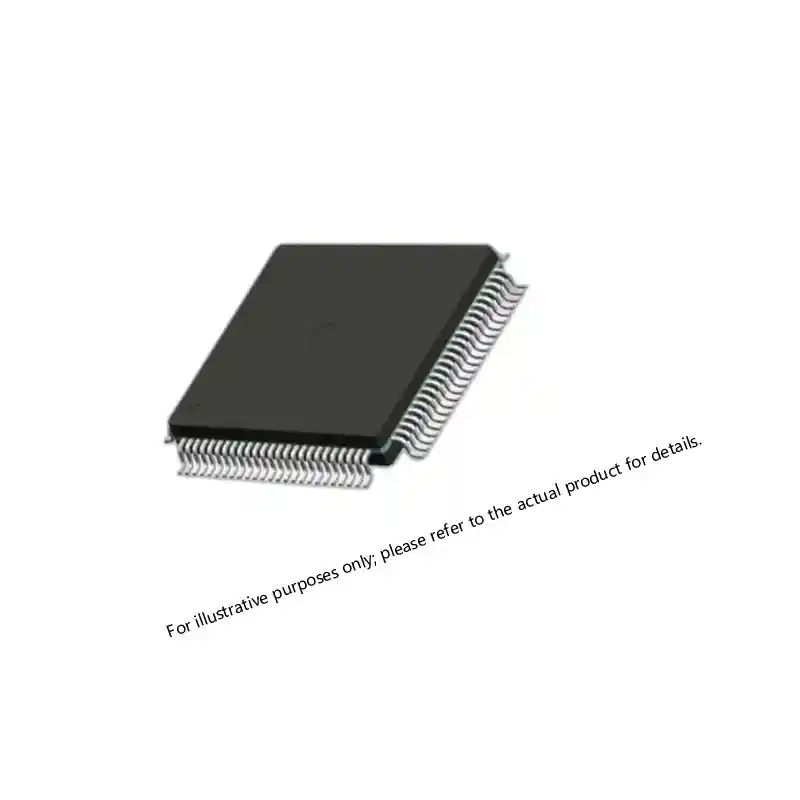
 .
The fields to put in the RFQ
An inquiry that names only the density will produce quotes that cannot be compared. The fields below map to the decisions in this article.
| RFQ field | What to request | Why it matters |
|---|---|---|
| Part number | Full orderable number including speed grade, package and screening suffix | A truncated number lets a supplier quote a different package or grade that still looks like a match |
| Quantity and horizon | Current buy plus expected annual demand and program duration | Thin-market parts are quoted from whatever lot exists, and the horizon decides whether a factory lot or a broker lot is offered |
| Date code | Acceptable window and whether mixed lots are permitted | Mixed date codes change the reliability assumption and complicate incoming inspection |
| Documentation | Certificate of conformance, traceability to manufacturer or franchised channel, screening records where required | Records carry the conformance claim; the device alone does not |
| Test basis | Whether electrical test at temperature is required, and to which specification | A room-temperature functional pass says nothing about behaviour at the temperature extremes the grade implies |
| Packaging and ESD | Tray or tube, moisture and ESD protection, shipping conditions | Hermetic ceramic parts still fail from bent leads and handling damage in transit |
Send the requirement and get a documented quote
A quote can be answered against a full requirement in one pass, or against a density over several exchanges that end in the same place. Send the orderable part number with its suffix, the quantity for the current buy and the expected annual demand, the acceptable date code window and whether mixed lots are permitted, the documentation set the program requires, whether test at temperature is needed and to which specification, and the packaging and ESD conditions for shipment. Add the internal program reference if the quote has to carry it, and include the target date the board or depot actually needs the parts.
A quote built on those fields can be compared with another quote. One built on 512K×32 and a speed grade cannot, which is the single most common reason two “identical” quotations turn out to describe two different devices.
Sparkle Electronics Co., Limited supports defense programs with military-grade memory and the components around it. Send the requirement to xuansc2144@gmail.com and the response will address the part number, the documentation and the date code rather than the density alone.
FAQ
What does the 17 in WS512K32N-17H1I mean?
It is the speed grade, stated as a 17 ns address access time: the delay from a valid address at the input pins to valid data at the outputs, measured under the datasheet’s stated conditions. It is not a clock frequency and it is not a minimum cycle time. The usable margin in a real system is smaller, because driver delay, trace flight time and latch setup are subtracted from the same window before the memory sees the address.
Can I replace it with a faster 512K×32 part from the same family?
Only after the package, supply voltage and temperature grade have been matched, and usually that removes the case for substitution. A 15 ns variant in a G2UI package is not interchangeable with a 17 ns part in an H1I package, even though both are 512K×32. The faster grade helps timing and does nothing for a footprint that no longer fits or a temperature grade the program does not accept.
How much data does a 512K×32 SRAM hold?
524,288 words of 32 bits, which is 16,777,216 bits or 2 MB in a single device. Each access returns four bytes. That capacity suits buffer, scratch and queue roles well and is usually too small for image or wideband capture storage, where the array is a staging step rather than the destination.
What does the H1I suffix tell me?
It is a package and screening code that must be read from the manufacturer’s ordering information for this product line. Short suffix codes are reused with different meanings across product lines, so decoding by analogy is unreliable. Use the suffix to locate the package drawing, the lead finish and the temperature and screening level before committing a footprint or accepting a quote.
Is a certificate of conformance enough to accept a lot?
No. A certificate of conformance records what the supplier asserts about the lot against a named specification. It does not by itself demonstrate that the devices meet your program’s acceptance criteria. Documentary review, incoming inspection and any required test at temperature answer different questions, and the release authority decides which combination the program accepts.
If you’re interested, check out these related articles:
XCKU115 UltraScale FPGA: Powering Critical Defense Systems
Virtex-7 XC7VX690T: Performance and Reliability Insights