
Aeroflex Military Test and Measurement: Sourcing for Defense
Table of Contents
- Why Does Aeroflex Military Test and Measurement Still Anchor Defense Qualification?
- What Separates Military Test Equipment From Commercial Instruments?
- What Documentation Do Aeroflex Military Test Equipment Buyers Need to Demand?
- Which Documents Matter Most for Legacy Aeroflex Instruments?
- How Do You Source Aeroflex Hi-Rel Components Without Breaking the Calibration Chain?
- When Does Independent Distribution Beat Waiting on the OEM?
- What Do You Do When Aeroflex Military Test and Measurement Sourcing Hits a Dead End?
- What Do Procurement Teams Ask About Aeroflex Military Test Equipment?
- How Do I Confirm a Legacy Aeroflex Instrument Has Not Been Counterfeited?
- Why Do Some Aeroflex Hi-Rel Parts Cost More From One Distributor Than Another?
- Can I Source Aeroflex Military SRAM Without a Full Approved Vendor List Change?
- What Should I Do If My Test Equipment Repair Requires an Obsolete Embedded Component?
Aeroflex Military Test and Measurement platforms still hold a place on defense qualification benches, but the surrounding supply chain has changed more than the instruments themselves. Legacy signal generators, analyzers, and related hi-rel components now move through a market where traceability matters as much as calibration. A unit with clean paperwork and verified lot history protects test data; one without it puts the entire qualification record at risk. In our work at Sparkle Electronics, I apply the same component sourcing discipline to these systems that we apply to the FPGAs, ADCs, and SRAMs under test.
Why Does Aeroflex Military Test and Measurement Still Anchor Defense Qualification?
Defense qualification work favors measurement platforms that behave predictably over years, and many legacy Aeroflex instruments continue to hold that position. Labs keep them in service because the firmware, signal path behavior, and documented uncertainty are already understood by the program’s acceptance authority. Replacing a proven signal generator or radio test set means repeating correlation work that can take longer than the original qualification effort.
Military test equipment differs from commercial instruments in three ways that show up in the contract. First, calibration intervals and tolerances are tied to the program, not to the manufacturer’s default schedule. Second, test uncertainty ratios are treated as part of the measurement decision. Third, the equipment history, including repairs and embedded component changes, becomes part of the qualification record. When any of those three is missing, the bench result is easier for an acceptance authority to challenge.
What Separates Military Test Equipment From Commercial Instruments?
Environmental screening and documented measurement uncertainty are the largest differences. A commercial instrument may perform the same measurement under controlled lab conditions, but a military program often needs to show the instrument remained within its stated uncertainty across temperature, vibration, and extended operating periods. That requirement pushes teams toward instruments with full calibration data and verified repair histories, not just a current certificate.
What Documentation Do Aeroflex Military Test Equipment Buyers Need to Demand?
Legacy Aeroflex equipment can be entirely serviceable and still be a compliance risk if the paperwork is thin. A clean calibration certificate is the minimum. The stronger set includes as-found and as-left calibration data, full traceability to the national standards body, a record of any firmware changes, and a repair log that identifies which embedded components were replaced and why.
In a program I reviewed, an instrument arrived with a current calibration certificate but no as-found data. The acceptance authority could not confirm whether the unit had drifted before its last adjustment. The result was a repeat of the full verification sequence and a delayed qualification window. That experience hardened our incoming inspection rule: no as-found data means the instrument gets treated as unverified until the bench proves otherwise.
Which Documents Matter Most for Legacy Aeroflex Instruments?
For a legacy unit, the repair log and as-left calibration data often matter more than the original purchase record. The repair log shows whether the unit has been reworked and whether replacement parts carry their own lot traceability. The as-left data confirms the instrument met its limits when it left the calibration bench. Without both, the instrument’s state between calibration events is an open question.
How Do You Source Aeroflex Hi-Rel Components Without Breaking the Calibration Chain?
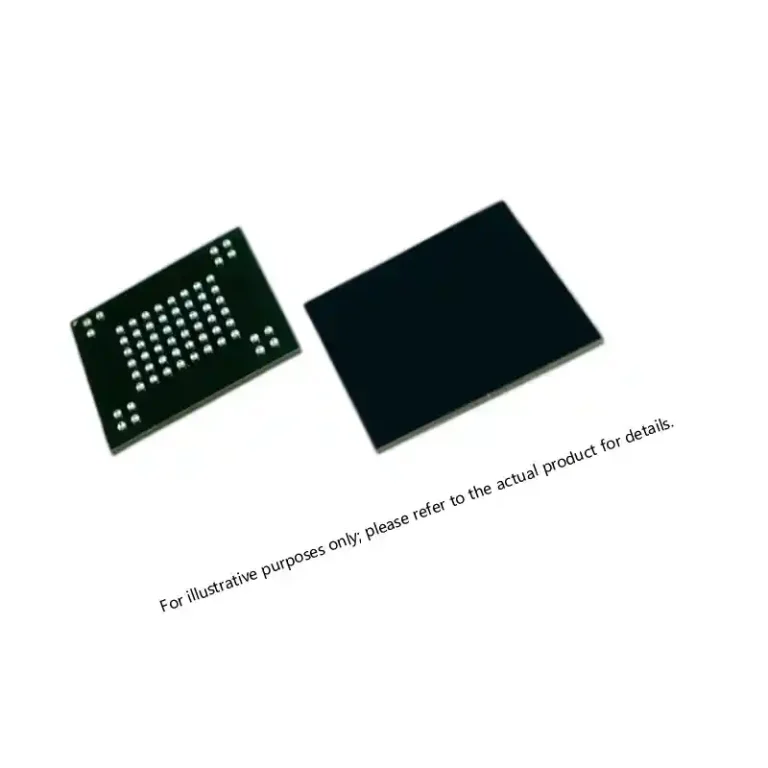
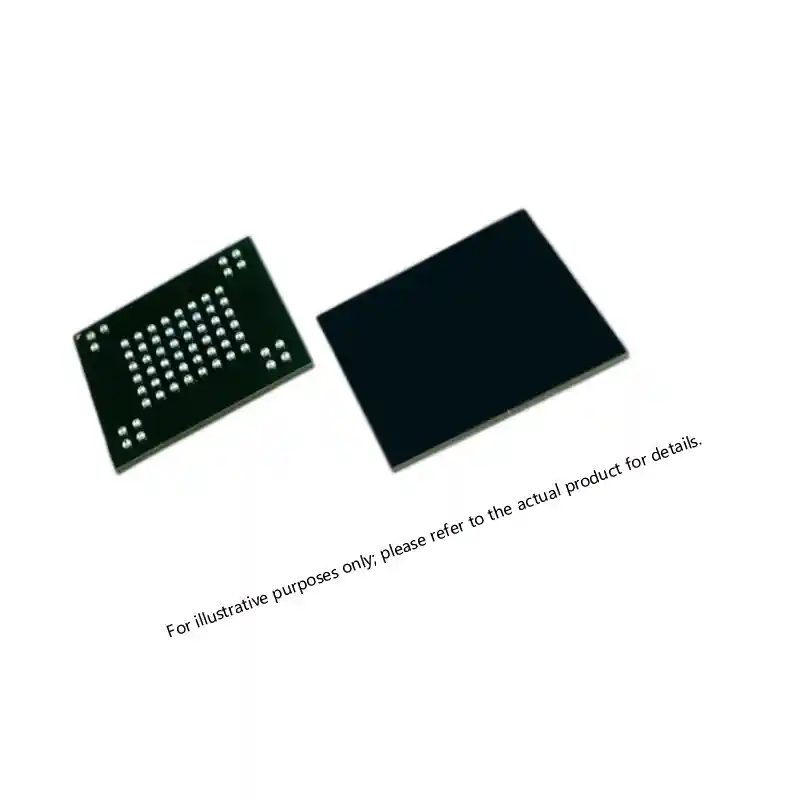
Test equipment does not operate in isolation. Embedded memories, processors, and interface ICs inside the instrument are part of the same measurement chain. When one of those components fails, the corrective action has to preserve the unit’s qualification state. Aeroflex hi-rel SRAM devices, for example, appear in older test sets and in the defense systems those test sets verify. The part numbers below are among the ones we keep in stock for repair and sustainment.
| Part Number | Configuration | Speed | Package |
|---|---|---|---|
| ACT-S512K32N-017P7EQ | 512K x 32 MIL SRAM | 17 ns | P7EQ |
| ACT-S512K32N-017P7Q | 512K x 32 MIL SRAM | 17 ns | P7Q |
| ACT-S512K32N-020P7EQ | 512K x 32 MIL SRAM | 20 ns | P7EQ |
Sourcing these parts through a channel that cannot confirm date codes, lot traceability, and prior storage conditions creates a new risk inside a calibrated instrument. A memory device with mixed date codes or unclear handling history may pass a quick functional test and fail later under temperature. That kind of latent failure is more expensive than the part itself, because the entire bench result becomes suspect.
If your repair or BOM includes legacy Aeroflex SRAM or an obsolete embedded device, it is worth confirming exact lot history and date codes before finalizing the order. Share your part number and quantity at xuansc2144@gmail.com and we will confirm what is in stock.
When Does Independent Distribution Beat Waiting on the OEM?
OEM direct purchasing remains the default for many defense programs, and it makes sense when the part is current and the schedule allows factory lead time. The weakness appears with legacy Aeroflex parts, where the original production line may no longer run. In those cases, an independent hi-rel distributor that already holds the part can shorten the gap from weeks to days.
| Sourcing Path | Strength | Watch-Out |
|---|---|---|
| OEM direct | Full factory traceability and current revision control | Long lead times and minimum order requirements |
| Authorized distributor | Manufacturer-backed inventory and standard terms | May not stock legacy or MIL-SPEC device variants |
| Independent hi-rel distributor | Stock for legacy and mixed BOMs, faster RFQs | Requires traceability and authenticity verification |
That last watch-out is the reason we treat traceability as an incoming inspection requirement, not a sales claim. Any distributor can say the parts are authentic. The test is whether the lot documentation, date codes, and packaging history line up before they ship. When they do, an independent channel becomes a full sourcing option, not a fallback.
What Do You Do When Aeroflex Military Test and Measurement Sourcing Hits a Dead End?
When a legacy part number disappears from the approved vendor list, or a test bench sits idle waiting on one memory device, the real problem is usually not the component. It is the sourcing path. A program can lose weeks chasing a factory allocation that will not arrive in time. We keep Aeroflex hi-rel SRAM and related MIL-SPEC parts in stock for repair and sustainment decisions, with lot documentation ready for incoming inspection.
Send your part number and quantity to xuansc2144@gmail.com and we will confirm stock, lot traceability, and any required compliance documents before you commit. That single confirmation can tell you whether the part is available now or whether a longer second-source path is necessary.
What Do Procurement Teams Ask About Aeroflex Military Test Equipment?
How Do I Confirm a Legacy Aeroflex Instrument Has Not Been Counterfeited?
Start with the calibration and repair history, then verify the embedded component lot codes against the bill of materials. Counterfeit risk rarely shows up as a fake chassis. More often it appears as a repainted enclosure, a changed serial plate, or replacement boards carrying mixed date codes. If the lot data is incomplete, treat the instrument as unverified. The first step is to ask for as-found calibration data and every available repair record, and to compare the serial number history with the manufacturer’s format.
Why Do Some Aeroflex Hi-Rel Parts Cost More From One Distributor Than Another?
Many buyers assume a higher price always means better traceability. That is not correct. A higher price may reflect a smaller lot, a tested and documented date code, or simply a reseller passing through margin. The relevant question is whether the quoted part includes lot certification, full part number marking, and acceptable storage history. A less expensive quote without those records is not a savings. A higher priced quote with them is a different product in practice.
Can I Source Aeroflex Military SRAM Without a Full Approved Vendor List Change?
It depends on whether your quality system permits a documented exception for legacy one-time buys. Some organizations permit a single-use sourcing justification when the part is obsolete and the incumbent supplier cannot deliver. Others require every supplier change to go through qualification before the part can enter the build. If your procedure includes a concession path, prepare the technical data, the lot traceability record, and a written statement of why the standard source cannot meet the schedule. That package moves the decision forward.
What Should I Do If My Test Equipment Repair Requires an Obsolete Embedded Component?
In programs we have worked on, obsolete embedded memory was the most common single point of failure in returning a test bench to service. The fastest workable path is to issue a targeted RFQ with the exact device marking, date code range, and required lot documentation, then compare responses on traceability before price. If you share your requirements at xuansc2144@gmail.com, we will confirm whether the part is available and what compliance documentation can accompany it.
If you’re interested, check out these related articles:
XC7VX485T Virtex-7 FPGA: Performance and Sourcing for Defense
XCKU085 UltraScale FPGA: Performance for Critical Systems