APEX Military Precision Power Amplifiers for Defense Systems
Table of Contents
- What APEX Military Amplifiers Actually Do in Defense Systems
- Which APEX Amplifier Specifications Matter for Military Qualification
- How to Read APEX Part Numbers and Screening Documentation
- What Sourcing Risks Show Up With APEX Military Amplifiers
- How to Lock Down an APEX Amplifier Procurement Plan Before Design Freeze
- Common Questions About APEX Military Precision Power Amplifiers
- Are APEX military amplifiers radiation-hardened by default?
- What is the difference between a military-grade and an industrial APEX part?
- Can APEX military amplifiers be procured in small quantities for prototype builds?
- What paperwork should accompany an APEX military amplifier shipment?
- How should defense programs plan for obsolescence in APEX amplifiers?
APEX military precision power amplifiers sit in a strange procurement gap in defense electronics. They are not simple op amps, and they are not board-level power converters, so they often get sourced late when a servo, beam-steering, or transducer stage is already constrained. The result is avoidable redesign, long lead times, or parts with documentation gaps. In this piece I explain the APEX amplifier families defense teams see most often, the screening and traceability records that matter, and the sourcing checks that keep a prototype from turning into a production risk.
What APEX Military Amplifiers Actually Do in Defense Systems
APEX military precision power amplifiers occupy a specific function in defense electronics. They take low-level analog signals and deliver controlled high voltage or high current into a load. That load might be a beam-steering mirror actuator, a sonar transducer, a servo motor, or a piezoelectric positioning stage. This is not the same job as an op amp in a signal conditioning chain, and it is not the same job as a board-level DC-DC converter. Most sourcing confusion starts at this boundary. A design team treats the APEX part as commodity analog, so the part number gets finalized late, and only then the lead time and screening requirements surface. In programs I have worked on, the amplifier stage is often one of the first places where a prototype BOM diverges from a production BOM.
I have seen a servo control program lock an unscreened APEX variant because the datasheet matched, then spend weeks reworking the source control drawing when the screening records did not follow. That is not a component failure. It is a sourcing failure, and it is avoidable if the amplifier is specified as a hi-rel part from the start.
Which APEX Amplifier Specifications Matter for Military Qualification
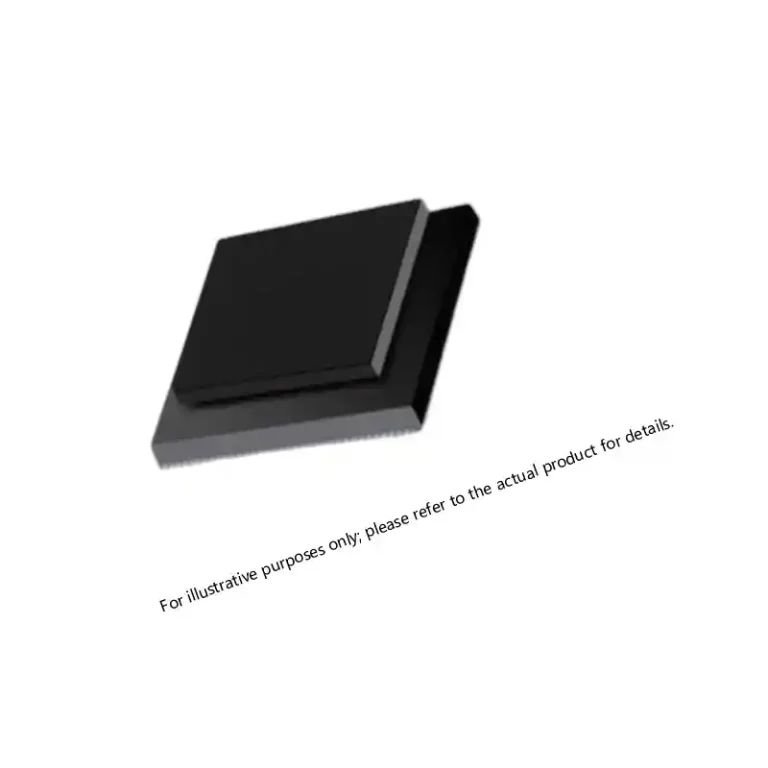
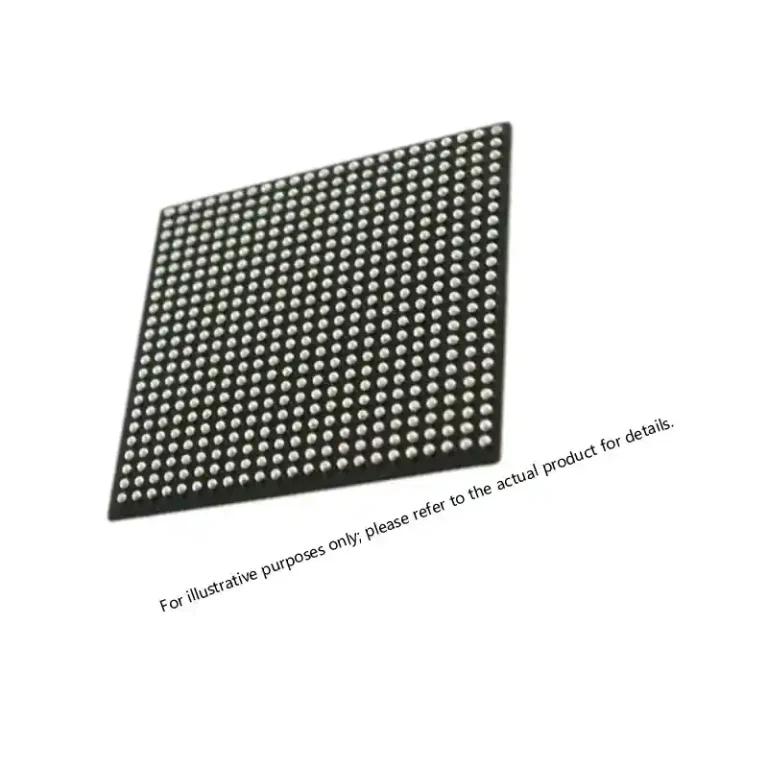
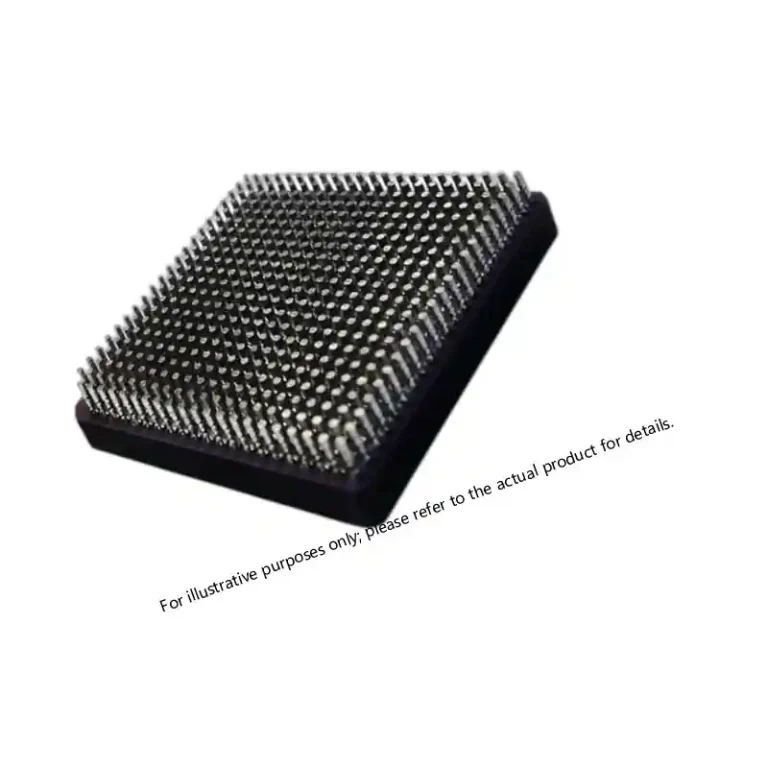
For defense procurement, the datasheet headline is only the starting point. The parameters that create sourcing risk are supply voltage range, output current, package temperature range, and the screening flow behind the part. The APEX PA76-P, for example, is a high voltage power operational amplifier we stock. It is specified for ±150V operation, and military users generally put it in high-voltage deflection or actuator drive circuits. But the part number alone does not tell you whether the lot was built and tested under the controls your program requires.
| Selection factor | What to verify | Why it changes the source |
|---|---|---|
| Supply voltage | Confirm max dual rail matches your load and available power | Too low a margin causes field failures; too high may raise sourcing grade |
| Output current | Confirm continuous and peak current against actuator or transducer inrush | Underspecified current leads to thermal stress |
| Temperature grade | Confirm military or industrial range against platform spec | Industrial parts may not meet altitude or cold start requirements |
| Screening flow | Confirm MIL-PRF-38534 or source control drawing requirements | Hybrid parts carry different screening records than monolithic ICs |
| Package | Confirm the exact package code | Package substitutions can break qualification and second-source plans |
A military qualification review starts with the worst-case load, not the nominal one. If a piezoelectric stage draws high inrush current at startup, an amplifier sized to average current will work in the lab and fail at cold temperature in the field. I treat the difference between continuous and peak current as a hard selection gate. It removes parts before we ever discuss lead time.
APEX parts are often hybrid modules. That matters because the screening and qualification path is different from a monolithic IC. A defense buyer who assumes the part follows a standard 5962 or monolithic QML flow can miss the fact that the relevant standard is often MIL-PRF-38534. The screening documents must match the part’s build type; otherwise incoming inspection will reject the lot even when the electrical test data looks clean.
If your program already has a source control drawing for an APEX amplifier, it is worth confirming the exact build and screening records before the BOM is frozen. Send the part number and drawing to xuansc2144@gmail.com and we will check the lot against the drawing requirements.
How to Read APEX Part Numbers and Screening Documentation
APEX part numbers carry more information than many buyers first assume. The base number identifies the product family and output capability, while suffix letters identify package, lead finish, and sometimes operating temperature or testing grade. The APEX PA76-P we stock uses the PA76 base and the P suffix to capture a specific package form. When a drawing calls for a different suffix, it is a different physical part even if the internal die is the same. That distinction is where many requalification problems begin.
The paperwork trail should include the original manufacturer certificate of conformance, lot identification, any test or screening records tied to the lot, and a traceability path back to APEX or an authorized source. For hybrid modules, I also look at whether the records show the assembly and test site and not just a sales invoice. A certificate without a lot number is not traceability.
For production volumes, I recommend keeping a single documentation file per part number that combines the source control drawing, the purchase order, the certificate, and the lot test summary. That file becomes the answer when an audit asks where a specific amplifier came from. Buyers who treat documentation as a post-delivery formality usually discover the gap at the worst possible moment.
What Sourcing Risks Show Up With APEX Military Amplifiers
The two most common risks are counterfeit or relabeled parts and documentation gaps. Hybrid power amplifiers are easier to counterfeit than logic ICs because the packages are often simple and the visual differences between grades can be small. A relabeled industrial part may pass basic electrical testing at room temperature but fail under temperature cycling or high-voltage stress. I have seen this pattern surface in repair and sustainment programs more than in original production because buyers go looking for obsolete APEX packages and accept whatever source responds fastest.
Documentation gaps cause a different failure. The part may be genuine, but the lot records are missing or the certificate comes from a broker with no link to the original manufacturer. For a defense program, that gap means the component cannot be accepted into the qualified vendor system, even if it works. The rejection arrives at incoming inspection, after the material has already consumed lead time and program schedule.
The practical check is to ask for lot-level evidence before payment, not after. A source that can produce a certificate with a date code and lot number, along with a clear path back to APEX or an authorized distributor, is different from one that sends only a sales invoice. If the answer is vague, the part is not worth the schedule risk.
How to Lock Down an APEX Amplifier Procurement Plan Before Design Freeze
The procurement sequence should begin when the amplifier stage is first simulated, not after the board is routed. I have found that when the buyer receives a part number and screening requirement at the same time as the rest of the BOM, the APEX amplifier is usually the long pole. The reason is simple: exact package suffixes and screening grades often have thinner distribution than the generic part number, and defense programs rarely accept substitution without requalification.
The practical sequence is: confirm the load requirement, confirm the exact supply and package suffix, request the screening and traceability records in writing, then reserve stock or place the order before prototype release. For production volumes, ask for the lot test summary and keep the documentation file with the drawing. That file is what protects the program later when an audit or a second source review asks where the part came from.
If you are trying to close a design with an APEX amplifier and the documentation is incomplete, send the part number, required screening, and quantity to xuansc2144@gmail.com. I will review the sourcing path and confirm whether the exact part and the records your program needs are available.
Common Questions About APEX Military Precision Power Amplifiers
Are APEX military amplifiers radiation-hardened by default?
No. APEX military precision power amplifiers are not automatically radiation-hardened. Most APEX parts are specified for voltage, current, thermal performance, and packaging. Radiation tolerance is a separate requirement that must be added through testing or source control. A defense program operating in space or in a nuclear environment should not assume a standard APEX hybrid part will meet rad-hard requirements. The correct step is to define the radiation environment first, then ask whether the exact APEX part has any supporting test data. If it does not, the part may still work, but it is not a rad-hard selection.
What is the difference between a military-grade and an industrial APEX part?
Most buyers assume the difference is only the temperature range. That assumption is incomplete. The larger difference sits in the screening, traceability, and certification records attached to the lot. An industrial APEX amplifier may use the same silicon and the same package, but it will not carry the same lot-level test history or source control documentation. For a defense program, that documentation is often worth more than the temperature rating itself. Confirming the actual build and test flow before ordering is what stops a low-cost industrial part from turning into a qualification failure.
Can APEX military amplifiers be procured in small quantities for prototype builds?
It depends on the exact part number and package suffix. Some APEX amplifier packages are stocked in small quantities and move quickly for prototyping. Others are built in limited lots or tied to specific screening flows, which makes low-volume procurement slower and more expensive. For a prototype, the important move is to confirm not just the base part number but the exact suffix and screening requirement. A mismatch here can delay the bench phase longer than the amplifier design itself.
What paperwork should accompany an APEX military amplifier shipment?
The better question is which documents prove the lot you are about to receive is the lot that was tested. At minimum, the shipment should include a certificate of conformance, a lot or date code reference, and any screening or test records tied to that lot. A sales invoice is not a substitute. If the APEX part is going into a qualified program, the documentation file should also connect back to the original manufacturer or an authorized source.
How should defense programs plan for obsolescence in APEX amplifiers?
In long-running defense programs we work on, obsolescence planning begins at first article, not after a discontinuation notice. APEX package suffixes and screening grades can be discontinued while the generic part still appears in databases. The practical step is to record the exact part number, the source control drawing, and the yearly usage at the first build. Then check lifecycle status during each design review. If the part is mature, consider a last-time buy or an alternate package qualification before the shortage becomes urgent. Share your APEX part number and annual usage with me at xuansc2144@gmail.com and I will check the current lifecycle status.
If you’re interested, check out these related articles:
Virtex-7 690T FPGA: Performance for Mission-Critical Systems
XCKU115 UltraScale FPGA: Powering Critical Defense Systems