Sourcing Authentic MIL-SPEC Circular Connectors for Defense
Table of Contents
- Specification Details for Authentic MIL-SPEC Circular Connectors to Lock Before an RFQ
- Documentation and Traceability Requirements for Authentic MIL-SPEC Circular Connectors
- Physical Inspection Points for Shell Markings and Plating Quality
- Sourcing Package Structure That Keeps Defense Programs Stable
- Inquiry Path for Confirming Connector Fit and Availability
- Common Questions About Authentic MIL-SPEC Circular Connectors
- Is a clean part number stamp enough to confirm authenticity?
- How do I choose between MIL-DTL-38999 and MIL-DTL-26482?
- Does Sparkle Electronics keep MIL-SPEC circular connectors in stock with OEM traceability?
- What documents should I request before accepting a connector shipment?
Defense programs depend on authentic MIL-SPEC circular connectors to keep power, signal, and data paths intact in environments where vibration, salt fog, and temperature cycling are routine. A counterfeit shell, a re-marked insert, or a weak plating layer can cause intermittent contact, corrosion, or a connector that fails installation inspection. Sourcing these components requires locking the specification, checking the documentation trail, and inspecting physical construction before money moves. We apply that sequence on every connector requirement we review, because most risk sits in supplier selection and lot history rather than in the connector design itself.
Specification Details for Authentic MIL-SPEC Circular Connectors to Lock Before an RFQ
A connector RFQ without the complete mating interface invites three different quotes that cannot be compared. We ask for the specification series, shell size, insert arrangement, contact size and plating, termination style, and polarization before checking stock. For defense programs, the two most common families are MIL-DTL-38999 and MIL-DTL-26482, but they are not interchangeable by shell size alone.
| Parameter | MIL-DTL-38999 Series III | MIL-DTL-26482 Series I/II |
|---|---|---|
| Coupling | Triple-start threaded, self-locking | Bayonet |
| Contact density | Higher; size 22D through 8 contacts available | Lower; common sizes 16 and 20 |
| Vibration resistance | Stronger for airframe and high-vibration mounts | Suitable for ground and lower-density gear |
| Plating options | Electroless nickel, black zinc nickel, olive drab cadmium | Electroless nickel, olive drab cadmium |
The first quote comes back wrong when the shell size is right but the insert arrangement or polarization code is missing. We also lock the finish early, because zinc nickel and electroless nickel can have different lead times and different compatibility with backshell hardware. A composite shell adds weight savings but changes grounding and static discharge handling, which the assembly team needs to know before installation.
Documentation and Traceability Requirements for Authentic MIL-SPEC Circular Connectors
A part number on a quote does not confirm authenticity. We treat documentation as a filter: if the lot history does not trace to the original manufacturer or an authorized channel, the connector gets rejected regardless of price. For each line item, we expect the manufacturer C of C, lot date code, quantity shipped, and a copy of the OEM test or inspection record when the drawing calls for it. Defense programs also need DFARS compliance statements and country of origin where export control applies.
The same discipline extends to other hi-rel line items on the same BOM. We keep physical product images and date-coded markings for stock such as 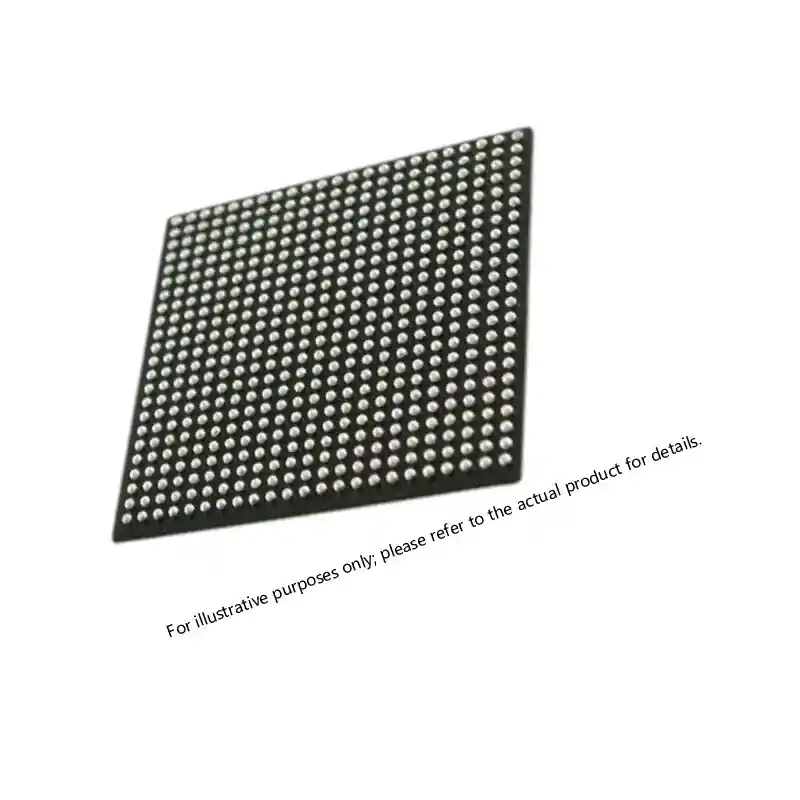 ,
,  , and
, and 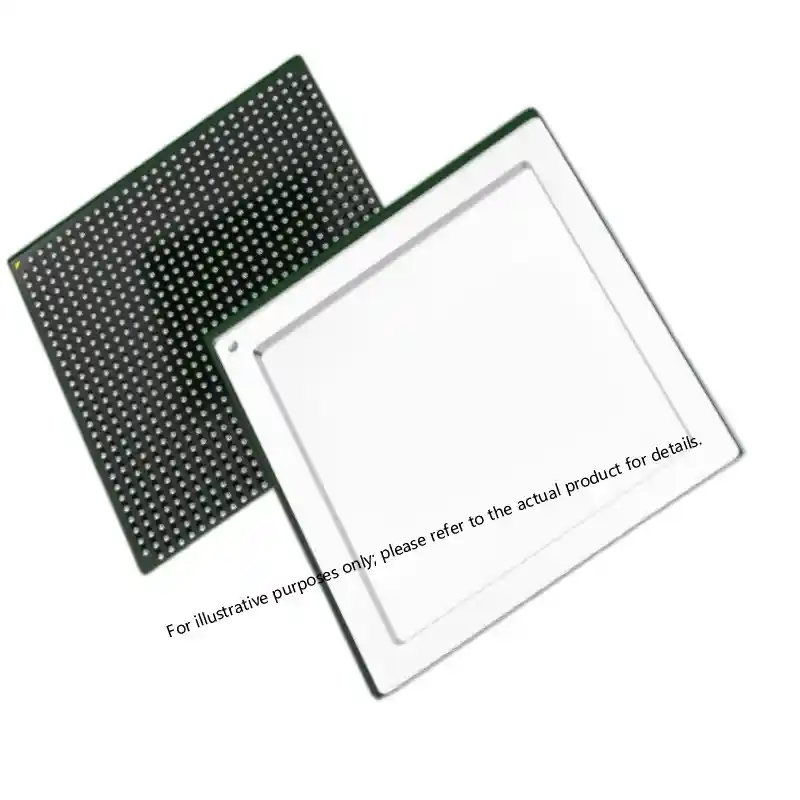 so buyers can review package condition before release.
Physical Inspection Points for Shell Markings and Plating Quality
Even with clean paperwork, physical inspection catches re-marked or refinished parts. We check the shell for uniform plating thickness, the absence of pitting or flaking, and whether the part number and date code are engraved or ink-marked in the same position and font as the factory standard. Inserts that sit loose, rotated contact cavities, or threads that bind under light torque are red flags. A connector that has been overplated can hide corrosion or worn coupling teeth.
We have seen re-plated coupling nuts pass a photograph review but fail a ring gauge check because the thread profile had been smoothed underneath the finish. That is the difference between a documentation review and a physical review. If your program uses mixed shell sizes or is transitioning from MIL-DTL-26482 to MIL-DTL-38999, share the drawing at xuansc2144@gmail.com before the BOM freeze so we can confirm backshell and insert compatibility.
Sourcing Package Structure That Keeps Defense Programs Stable
A one-time connector buy leaves long-term programs exposed to obsolescence and lot changes. We recommend structuring the sourcing package around the program’s production window: identify the series and insert arrangement, ask the supplier for lot quantity and date code, and reserve inventory for scheduled builds. In our experience, connector shortages did not come from exotic parts; they came from missing a zinc nickel finish or an alternate polarization code that had a longer lead time than the baseline part.
Sparkle Electronics reviews each connector requirement against available stock and documented alternate finishes before quoting. That step keeps the compliance review and the availability check in the same conversation, which is what a production planner actually needs.
Inquiry Path for Confirming Connector Fit and Availability
The most common sourcing failure is a connector that fits the drawing but not the assembly sequence or the compliance file. We close that loop before quoting. Send the shell size, insert arrangement, contact material and plating, quantity, and required lot documentation to xuansc2144@gmail.com. Our team will confirm stock, review the C of C and test records, and return a quote with the compliance trail attached. If your timeline is tight, include the required delivery date in the same note and we will flag finishes or drop-in alternates that keep the schedule intact.
Common Questions About Authentic MIL-SPEC Circular Connectors
Is a clean part number stamp enough to confirm authenticity?
A clean stamp is often the weakest signal, not the strongest. Re-markers can copy a part number and date code with surprising accuracy, especially on cylindrical shells where the marking area is small and curved. We look past the stamp to the lot documentation, the manufacturer C of C, and the plating uniformity. A genuine lot should have matching date codes on the label and the shell and those codes should align with the supplier’s incoming inspection record. If any one of those records is missing, the connector should not enter a defense BOM until the lot history is confirmed.
How do I choose between MIL-DTL-38999 and MIL-DTL-26482?
It depends on the operating environment more than the form factor. If the assembly sees high vibration, repetitive coupling, or requires higher contact density, MIL-DTL-38999 Series III usually fits better. Its triple-start threaded coupling resists loosening and accommodates smaller contacts. If the program has bayonet coupling requirements, legacy mounting patterns, or lower connection density, MIL-DTL-26482 remains the simpler and more available choice. We recommend checking the platform drawing first and then matching the supplier’s stock position, because a misapplied bayonet connector in a threaded location creates integration delay that no price advantage recovers.
Does Sparkle Electronics keep MIL-SPEC circular connectors in stock with OEM traceability?
Yes, and the traceability starts with the lot rather than the part number. We carry connector lines such as MIL-DTL-38999 and MIL-DTL-26482 formats and match each lot to the manufacturer C of C, date code, and incoming inspection notes. Buyers can request the documentation before placing the purchase order. That step is part of our normal quoting process, not an extra service. We also keep images and package condition notes on file for review before shipment, which gives defense programs a practical way to confirm condition without waiting for the parts to arrive.
What documents should I request before accepting a connector shipment?
On connector shipments we review, we ask for three documents before release: the manufacturer C of C, the lot date code verification, and the OEM test or inspection record if the part was ordered to a source-controlled drawing. Where export control applies, we also confirm the DFARS compliance statement and country of origin. A clean C of C is not a substitute for matching lot marks on the shell and the label. If the paperwork is incomplete, we hold the shipment until the missing record is supplied. Share your connector part numbers and required lot documentation with our team at xuansc2144@gmail.com, and we will confirm current availability and compliance before you commit.
If you’re interested, check out these related articles:
XC7VX485T Virtex-7 FPGA: Performance and Sourcing for Defense
Virtex-7 XC7VX690T: Performance, Reliability, and Integration
XC7VX485T FPGA: Virtex-7 Performance for Defense
Virtex-7 690T FPGA: Performance, Packaging, and Reliability Insights