C4ISR Military FPGA Sourcing: A Compliance First Approach
Table of Contents
- What Makes C4ISR Military FPGA Sourcing Different from Standard Procurement?
- Which FPGA Families Handle C4ISR Processing Loads?
- How Do Qualification and Traceability Work in Practice?
- How Should Programs Manage C4ISR FPGA Lifecycle Supply?
- How Can Sparkle Electronics Handle Your C4ISR BOM?
- What Questions Do Buyers Ask About C4ISR FPGA Sourcing?
- Does every C4ISR FPGA need to be QML-qualified?
- Are radiation-tolerant FPGAs required for ground-based C4ISR systems?
- What if the exact part number is obsolete?
- How do I confirm a distributor’s parts are authentic?
C4ISR military FPGA sourcing rarely fails because an engineer picked the wrong logic density. It fails because the part arrives without the qualification history, traceability file, or temperature grade the program requires. I have spent twelve years on defense electronics supply chains, and the recurring problem is the same: procurement treats these devices like commercial silicon until an audit or a test failure exposes the gap. I source FPGAs for C4ISR systems by locking three things first: package and screening level, documentation trail, and long-term supply path. This article explains that sequence and where Sparkle Electronics fits.
What Makes C4ISR Military FPGA Sourcing Different from Standard Procurement?
C4ISR systems process sensor feeds, communications links, and command data under conditions that commercial hardware rarely faces. A fielded system may stay in service for fifteen or twenty years, with the original configuration frozen. That changes the sourcing question. A buyer is not simply locating an FPGA with enough logic cells. They are locating a part with the correct screening level, temperature range, package, and documentation that follows the device from wafer lot to stockroom.
In our work, qualification comes first. Many C4ISR boards use MIL-STD-883 screened parts, QML devices, or 5962-series components. A commercial-grade FPGA that meets the same functional specification will not survive the audit if the purchase order does not carry the correct part number suffix and lot trace. I have reviewed BOMs where the engineering team selected the right logic density but the procurement record showed a commercial variant. The result was a rejected incoming inspection, not a working board.
Long-term supply matters just as much. C4ISR programs outlast most component lifecycles. When I source a part, I check whether the manufacturer still lists the speed grade and package as active, and whether a realistic path to stock exists if the line changes. 
Which FPGA Families Handle C4ISR Processing Loads?
Not every C4ISR card needs a high-density 7 series part, and treating every socket that way drives cost and lead time in the wrong direction. The right part depends on the function.
| FPGA Family | Example Part Number | Typical C4ISR Role |
|---|---|---|
| ProASIC3 | A3P1000-FGG484I | Low-power secure logic and sensor interface |
| SmartFusion2 | M2S150T-FCG1152I | FPGA fabric with hardened processor for management |
| PolarFire | MPF300T-FCSG536I | Signal processing with lower power dissipation |
| Virtex-5 SXT | XC5VSX95T-2FFG1136I | DSP-heavy SIGINT and signal analysis |
| Kintex-7 | XC7K410T-2FFG676I | Wideband data routing and packet processing |
| Virtex-7 | XC7V585T-1FFG1761I | Radar, electronic warfare, and dense compute |
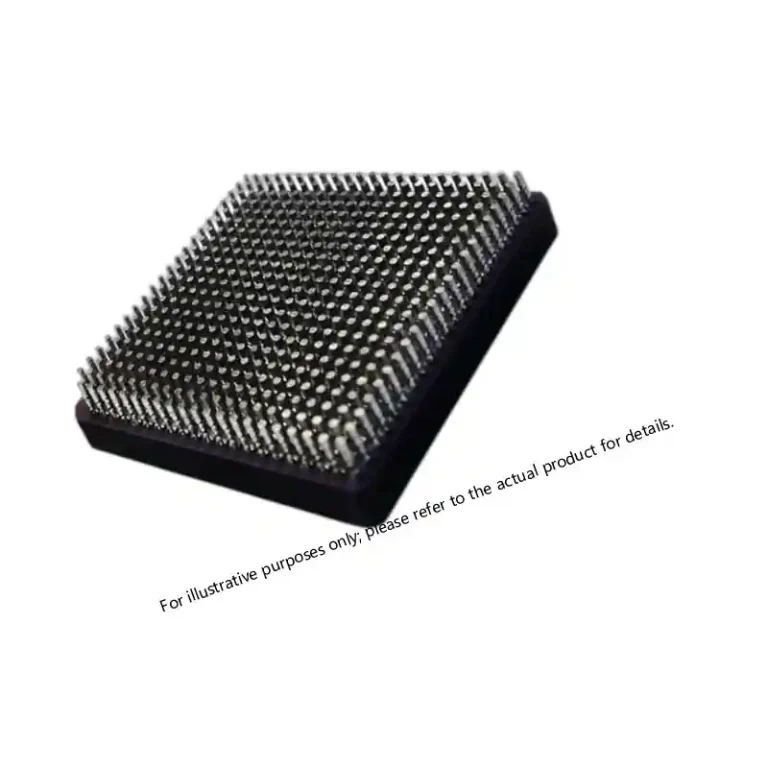
For secure logic and sensor interfaces, we often see older-generation parts like the A1020B-PG84B still in service because the board design is frozen and the qualification baseline is accepted. 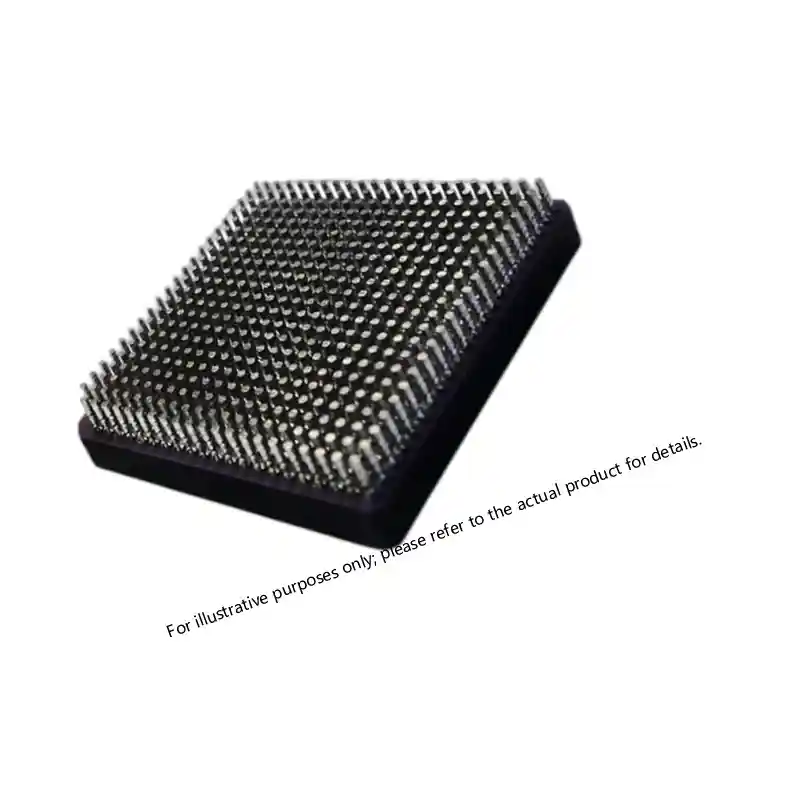 Replacing that part with a newer family would trigger requalification, so the sourcing challenge becomes finding genuine stock with the correct package and date code.
For higher throughput, the Virtex-5 SXT parts remain common in signal intelligence jobs that need DSP slices. Where the program must cut power, PolarFire parts fit better, provided the board can accept the package and the I/O standard. The decision is never only about logic cells. It is about whether the whole configuration, including speed grade and temperature range, can be sourced for the expected service life.
How Do Qualification and Traceability Work in Practice?
Qualification and traceability are the two documents a C4ISR buyer cannot afford to treat as an afterthought. Without them, an otherwise usable FPGA becomes a liability at incoming inspection.
Qualification begins with the part number itself. A 5962-series device carries a government-specified drawing that defines screening, package, and test conditions. QML-qualified devices are produced on lines that follow MIL-PRF-38535. MIL-STD-883 screening adds tests for temperature cycling, burn-in, and electrical performance. We check these suffixes against the customer drawing before we quote, because a small suffix difference can mean a commercial flow instead of a military flow.
Traceability follows the device through its chain of custody. We keep the manufacturer lot code, date code, and purchase records available for customer review. For parts like the A1020B-PG84B, the documentation should connect the specific package and marking to a legitimate supply path. 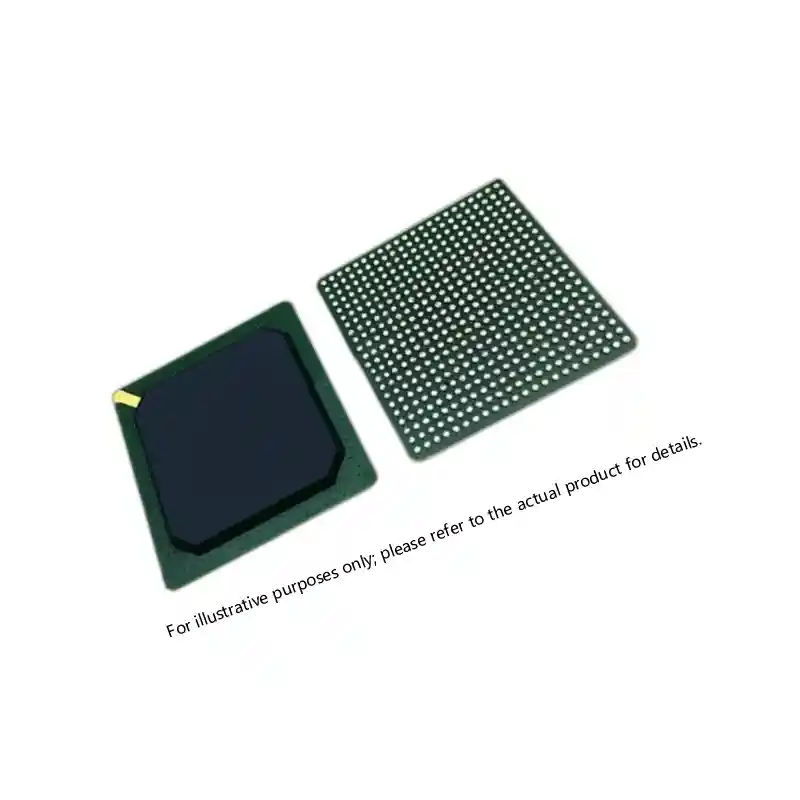 When a seller cannot show that paper trail, the part is not worth the risk, regardless of price.
A common failure mode I have seen is a buyer accepting a same core claim from an unverified source. The silicon may be identical, but the screening and documentation are not. In C4ISR work, that difference is the entire value of the part.
How Should Programs Manage C4ISR FPGA Lifecycle Supply?
C4ISR programs routinely outlive the FPGA families they are designed around. A platform qualified with a Virtex-5 SXT part may still need replacements ten years after the manufacturer moved to newer nodes. That is where lifecycle management matters more than initial purchase price.
The first step is to map every FPGA on the BOM to a current status: active, last-time buy, or obsolete. If active, lock in a second source or approved distributor stock. If last-time buy, calculate the remaining program demand and decide whether to buy now or identify an alternate package. If obsolete, the search becomes one of authenticated stock and finished goods inventory, not just a part number match.
We keep inventory across older-generation ProASIC3, Virtex-5, and related families because these are the parts C4ISR sustainment teams still need. We also track package and speed variants, because two parts can share a base number but not be interchangeable in a qualified design.
If your program involves obsolescence risk or a frozen BOM with mixed FPGA families, it is worth confirming alternate package and speed options before finalizing the BOM. Send the current part number and your annual usage to xuansc2144@gmail.com.
How Can Sparkle Electronics Handle Your C4ISR BOM?
A C4ISR BOM often combines active FPGAs, older-generation parts, and a few items with long lead times. The team that tries to source each line from a different supplier usually ends up with mixed documentation and no single point of responsibility. We handle that problem by quoting from our MIL-SPEC, 5962-series, JANTX/JANTXV, and QML-qualified inventory, with traceability records attached to each line.
Send the full part number, quantity, and target schedule to xuansc2144@gmail.com. If a call is easier, include a callback number and we will reach you.
What Questions Do Buyers Ask About C4ISR FPGA Sourcing?
Does every C4ISR FPGA need to be QML-qualified?
No. QML is required when the program drawing calls for it or when the design must meet MIL-PRF-38535. Many C4ISR boards use screened commercial parts or MIL-STD-883 flows instead. The key is matching the qualification level to the program requirement before the order is placed. A part with extra qualification may cost more without adding value. A part with too little qualification will fail audit. We confirm the required suffix against the drawing first, then quote against that baseline.
Are radiation-tolerant FPGAs required for ground-based C4ISR systems?
This is a common misconception. Radiation tolerance is usually driven by the operating environment, not by the C4ISR label. A ground shelter system may not need radiation-hardened parts, while an airborne or space payload may. Ground-based C4ISR systems more often fail on temperature range, vibration, and long-term availability. We ask where the equipment will be deployed before recommending rad-tolerant or rad-hard logic, because the wrong level changes cost and lead time dramatically.
What if the exact part number is obsolete?
It depends on the program stage and the remaining demand. If the platform is in sustainment and the BOM is frozen, the fastest path is often authenticated finished goods inventory with the exact package and speed grade. If the platform is in development, an alternate package or second-source device may be qualified more easily. In both cases, we search by part family, package, and screening suffix rather than by the single original number, because that is how viable replacements surface.
How do I confirm a distributor’s parts are authentic?
In the programs we have supplied, I have seen counterfeit devices slip into a line only when the documentation chain was incomplete. We verify manufacturer lot codes, date codes, and purchase records against the order. We also inspect marking consistency and package condition before shipment. For high-value or long-lead C4ISR parts, ask for the traceability file before committing. Share your part number and quantity, and we will confirm the documentation path before you place the order.
If you’re interested, check out these related articles:
Virtex-7 690T FPGA: Performance for Mission-Critical Systems
Virtex-7 XC7VX690T: Performance and Reliability Insights
A1020B-PG84B ACT2 FPGA: Specs, Sourcing, and Availability
UltraScale KU085 FPGA Specifications for Defense Systems