How to Submit a Winning RFQ for Military Electronic Parts
Table of Contents
- Define Component Specifications with Precision
- Build an RFQ Document That Supports a Real Quote
- Identify and Qualify Military Component Suppliers
- Evaluate Responses Beyond Price
- Lock Down Traceability and Program Protections
- Common Questions About Military Component RFQs
- What should I do if I don’t know the exact screening level my program requires?
- Should I include target pricing in the initial RFQ?
- How many suppliers should I send the RFQ to?
- What is the single biggest RFQ mistake defense buyers make?
Submitting a request for quotation for military-grade electronic components is more than a procurement formality — it is the foundation of a supply chain that must support a mission-critical program. Yet too many RFQs arrive at distributor inboxes as generic lists of part numbers, lacking the context that would let a sourcing specialist return a responsive, actionable quote. I have evaluated hundreds of RFQs during my years supporting defense contractors, and the difference between an inquiry that produces silence and one that opens a productive supplier relationship often comes down to how well you communicate four things: your technical requirements, your compliance boundaries, your program timeline, and what “successful” actually looks like for your procurement outcome.
Define Component Specifications with Precision
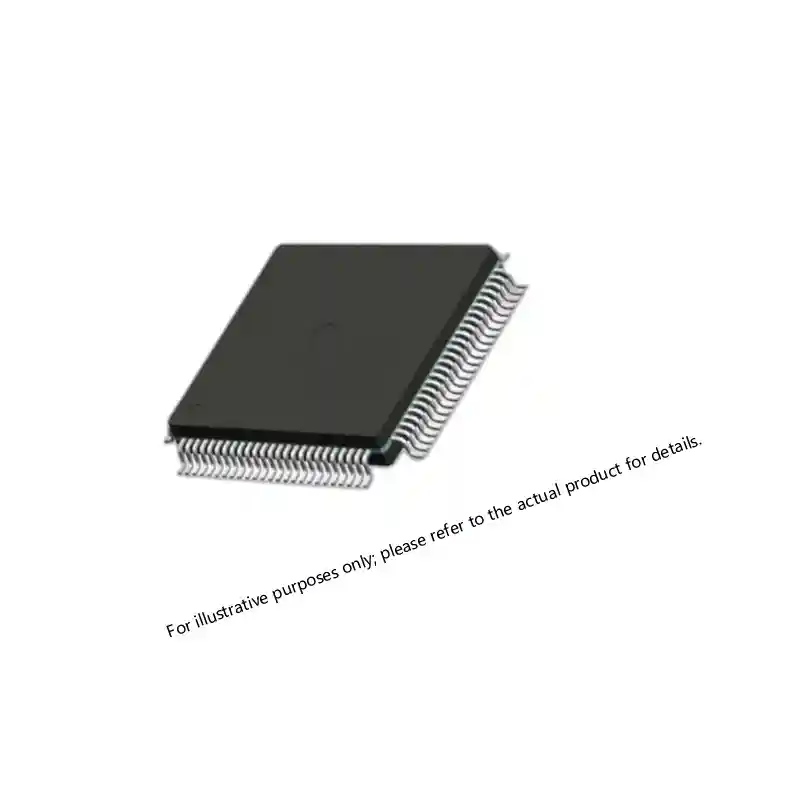
The fastest way to derail an RFQ is to list a part number without pin‑level clarity. A military SRAM from one manufacturer may be available in multiple speed grades, temperature ranges, and screening levels, yet the 5962‑series drawing may not define which variant your design actually demands. If your BOM says “IDT71256S100DB” but you need the ‑55°C to +125°C industrial temperature grade and full lot traceability, that distinction belongs on the RFQ, not in a follow‑up email two weeks later.
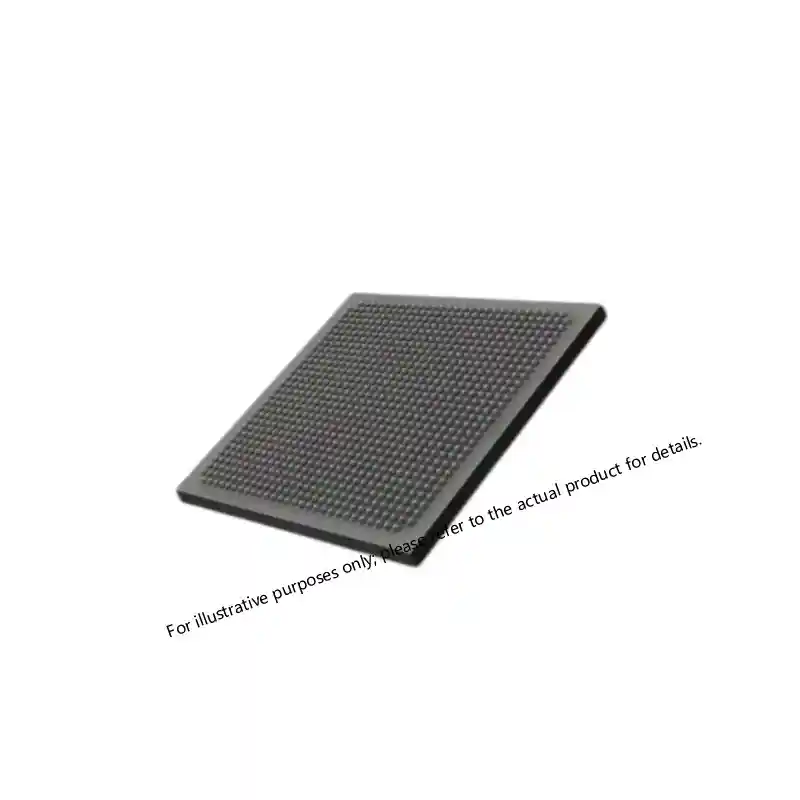
I have seen programs stall for months because the original RFQ omitted the required MIL‑STD‑883 screening class or the packaging standard the receiving inspection team expects. Include all of the following in the first send: the full manufacturer part number and any applicable 5962 or SMD number, the required screening level, the temperature range, the package type and lead finish, and any program‑unique requirements like source control drawings or radiation reports. When you spec a device like an Actel A3PE3000L‑1FGG896I, for example, you need to note whether industrial‑temperature flow is acceptable or if you require the full military temperature spread and QML‑Q certification. Suppliers cannot guess your compliance envelope; they price and source against what you give them.
Build an RFQ Document That Supports a Real Quote
A multi‑page RFQ that reads like a contract template often buries the information a sourcing team needs to price effectively. The documents that generate the fastest, most accurate responses are structured backward from the evaluation criteria you will actually use. I keep four sections on every RFQ I send: a header block that identifies the program type, funding source, and expected annual quantities; a compliance matrix that lists the exact MIL‑PRF, QML, or JANTX requirements by part line; a schedule table that shows your first‑article and production delivery targets; and a commercial summary that states your quotation validity window, payment terms, and any INCOTERMS preferences.
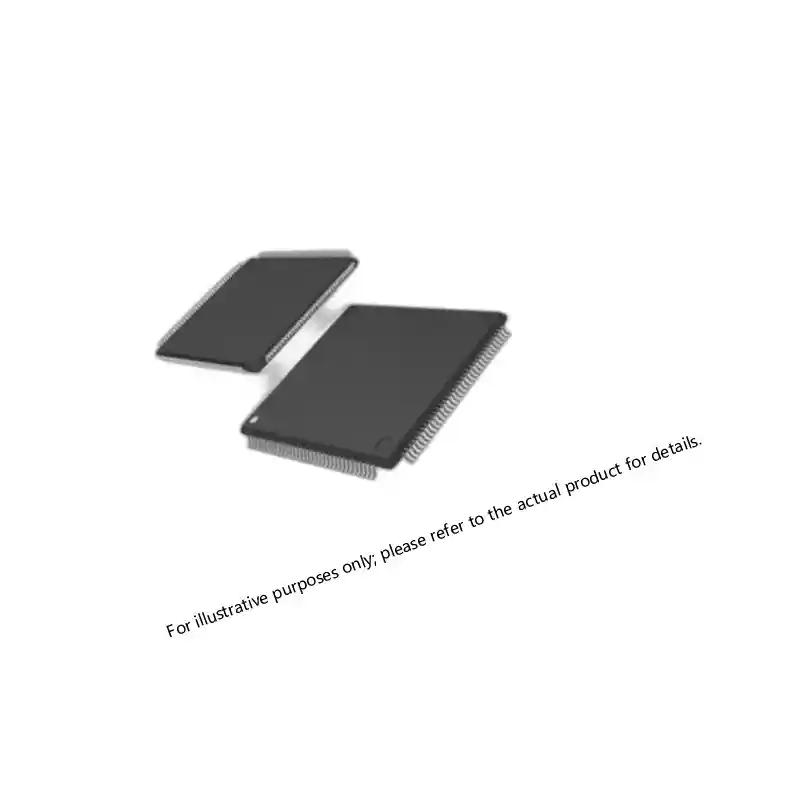
Putting the compliance matrix on page two of the document and writing “MIL‑SPEC required” for every line does not help because it tells the supplier nothing about which parts might need alternate sourcing. Instead, call out any lines that are known to be allocation‑constrained, in obsolescence, or subject to ITAR export licensing. When I receive a package that flags those parts in advance, I can provide a realistic lead time with the initial quote instead of following up two weeks later with a revised schedule.
If your program involves long‑lead components such as radiation‑hardened FPGAs or high‑speed ADCs that often carry 26‑week factory allocations, it is worth confirming availability and documentation status early in the quoting process. Reach out at xuansc2144@gmail.com with your preliminary BOM and we will review it against current supply conditions before you lock your schedule.
Identify and Qualify Military Component Suppliers
Not every supplier who can read a 5962 part number can support a defense procurement. Look beyond the catalog and verify three things: the distributor’s quality management certifications, what their incoming inspection workflow actually tests, and whether they maintain traceability records back to the original manufacturer’s lot date code. I recommend working only with suppliers who hold AS9120 or AS6081 registration, because that means their inspection and anti‑counterfeit protocols have been audited by a third‑party registrar.
Ask for a sample Certificate of Conformance before you award a first order. The C of C should carry the supplier’s name, the part number, the manufacturer lot code, and a statement of compliance to the applicable MIL‑PRF or QML specification. If a supplier hesitates to provide one or sends a C of C that reads like a generic form with no lot‑specific data, treat that as a procurement risk.
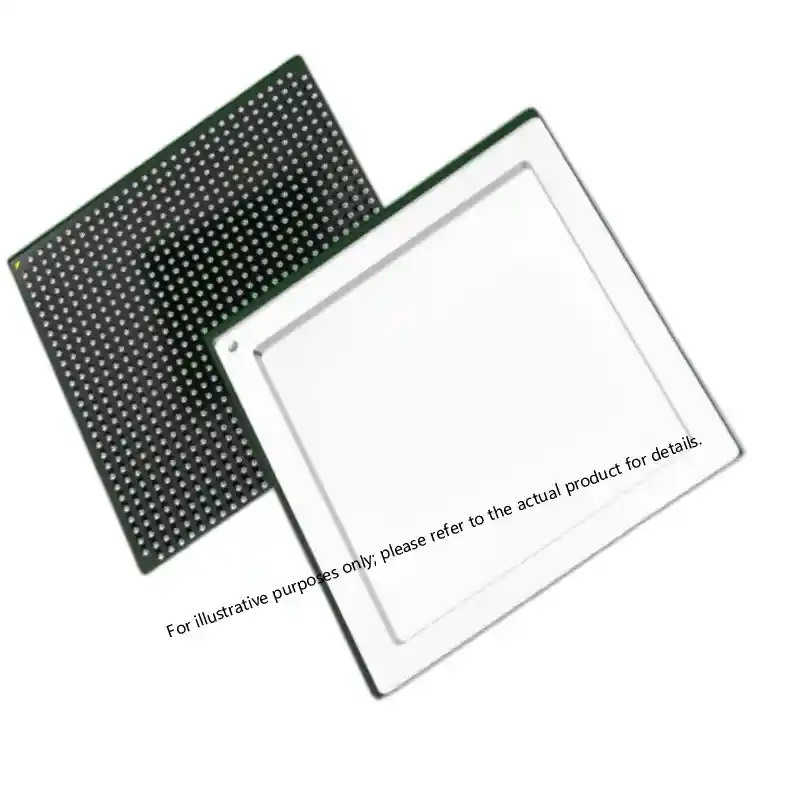
The strongest supplier‑qualification signal I have found is a distributor’s willingness to walk you through their full chain of custody for a specific part, right down to the original wafer lot or date code. When we onboard a new defense customer, we often provide that documentation proactively, because it shortens the qualification timeline and builds the trust that is essential for long‑program support.
Evaluate Responses Beyond Price
Once quotes come back, line‑item price spread is often the first thing buyers notice, but in military‑grade procurement it is rarely the most important metric. I look first at the date code and origin country information the supplier included, then at the lead time and whether the quoted device matches the exact screening level from my compliance matrix. Two identical‑looking quotes for a 5962‑8876401LA may differ by six months in lead time and one may be offering an older date code with less remaining shelf life. Neither factor appears in the unit price column.
Create a comparison table that captures for each line item the quoted manufacturer, the C of C availability, the screening flow, the lead time, and the quoted lot date code. This transforms supplier evaluation from a subjective discussion into a verifiable process. When I present such a table to a customer’s quality team, they can clear the quote in a single review cycle instead of chasing clarification emails.
| Component Example | Screening / Grade | Certifications Available | Lead Time | Lot Date Code |
|---|---|---|---|---|
| ADI 5962-8876401LA | QML Class Q | C of C, full traceability | 12 weeks | 2024‑W38 |
| Actel A3PE3000L-1FGG896I | Industrial Temp, upscreened | Source cert, cert of origin | 6 weeks | 2025‑W02 |
| Xilinx XC5VFX130T-1FFG1738I | Industrial, Rad‑Tolerant | C of C, SMD compliance | 18 weeks | 2024‑W51 |
Lock Down Traceability and Program Protections
After award, transfer the supplier’s commitment into protections that matter for a defense program. Obtain a written statement that the distributor will not substitute alternate lots without prior written approval, that they will preserve the original manufacturer packaging and moisture barrier bagging, and that they will notify you immediately of any change in factory lead time or end‑of‑life notification that appears during your contract window.
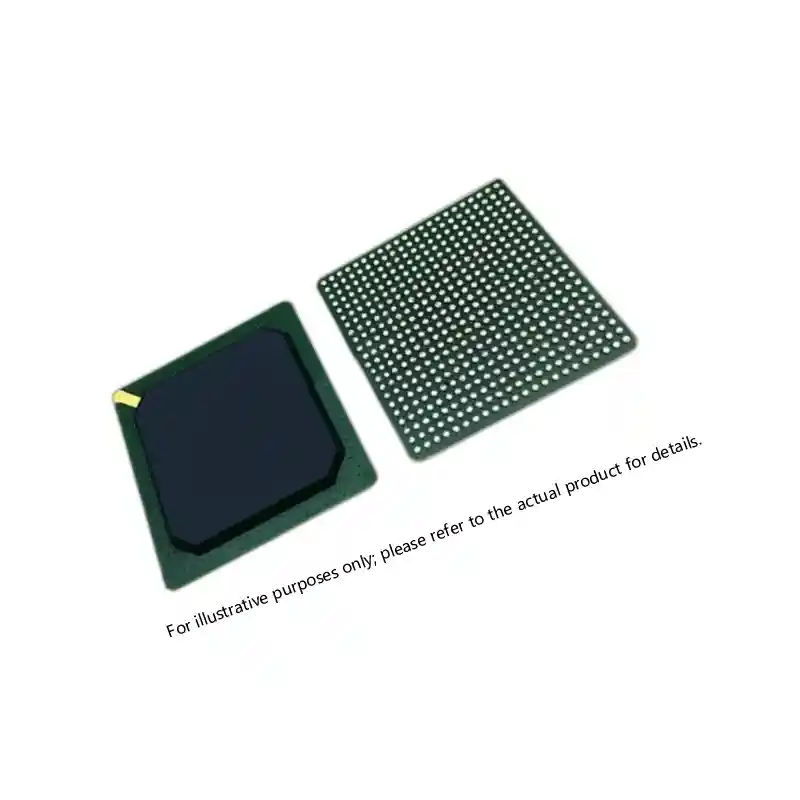
I also recommend negotiating a “last‑time‑buy” window clause for any part that is forecast to be production‑supported for less than twice your program duration. This is especially relevant for FPGA families where the manufacturer may introduce a technology‑refresh device but the original die is still available on a die‑bank basis. We maintain a database of factory end‑of‑life projections for military ICs and can help map that data onto your BOM before you commit to a supplier. When you build a relationship with a distributor who understands your program’s lifecycle, the focus shifts from transactional quoting to proactive risk management.
Common Questions About Military Component RFQs
What should I do if I don’t know the exact screening level my program requires?
Start with the drawing or statement of work, not with an assumption. If the SOW only references a generic “MIL‑STD‑883” without a class, go back to the program quality engineer and ask which test group and class the customer expects on the source inspection checklist. In programs we have supported, I have seen instances where the original requirement was for Class B screening, but after a design review the customer requested Class S parts with stricter electrical limits. If you send an RFQ without that detail, the quote you receive may be for the wrong flow entirely.
Should I include target pricing in the initial RFQ?
I recommend including a rough budget range if you have one, even if you state that it is not a binding cost cap. This gives the supplier a reason to prioritize parts that are both technically compliant and commercially feasible. When a BOM contains a mix of high‑volume, low‑cost passives and single‑source hi‑rel FPGAs, the supplier can structure the proposal to keep the overall acquisition cost reasonable. If the budget is tied to a firm fixed‑price contract, make that clear upfront so the supplier does not build in contingency that you cannot absorb later.
How many suppliers should I send the RFQ to?
Three to five pre‑qualified suppliers generally yield enough competitive tension without exhausting your team’s evaluation bandwidth. Sending the RFQ to ten distributors often produces a stack of unverified quotes that are difficult to compare, because half of them will be offering parts they do not actually have in stock or lack genuine traceability. I see better results when buyers invest time in qualifying two or three sources thoroughly, then route the RFQ to those suppliers with the expectation of a real, executable quote.
What is the single biggest RFQ mistake defense buyers make?
Submitting a BOM that is essentially a copy‑paste from a design tool export, with no program context. I have received RFQs that listed one hundred line items with no quantities, no compliance notes, and no schedule information. That approach guarantees silence or, worse, a generic quote that does not reflect any program reality. The single highest‑value action you can take is to attach a one‑page RFQ cover letter that names your program type, states your delivery milestones, and identifies which lines are critical‑path parts.
If your program requires military‑grade FPGAs, ADCs, or memory devices where authenticity and compliance documentation are non‑negotiable, share your part list with us at xuansc2144@gmail.com and we will review it against current factory lead times and traceability availability without any obligation.
If you’re interested, check out these related articles:
A1020B-PG84B ACT2 FPGA: Specs, Sourcing, and Availability
Virtex-7 690T FPGA: Performance, Packaging, and Reliability Insights