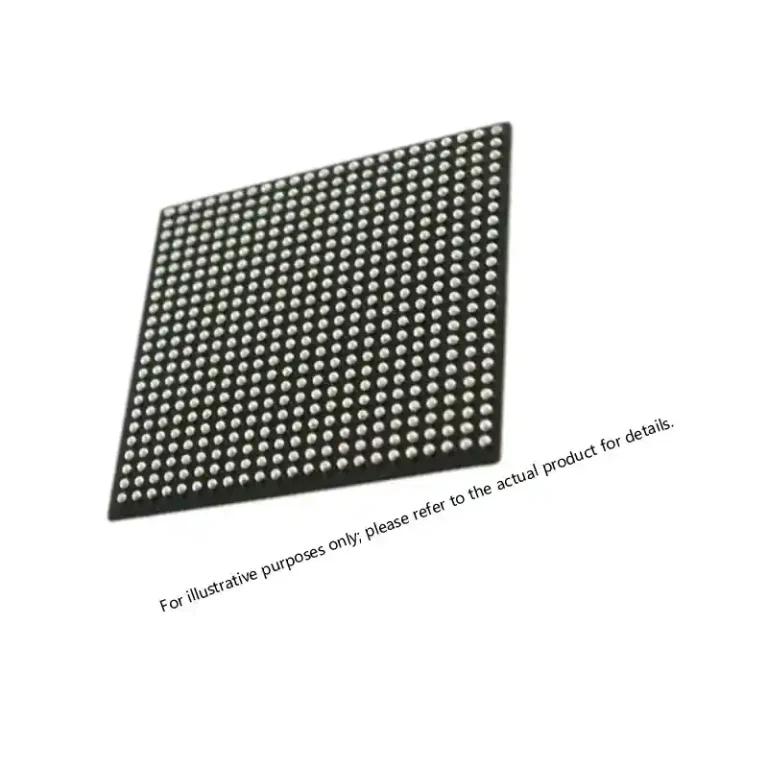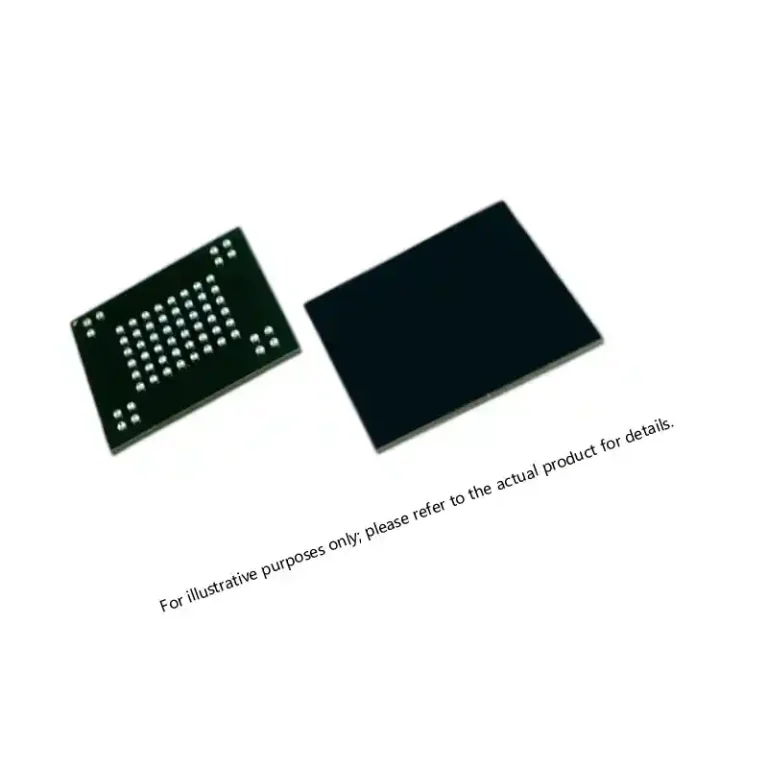
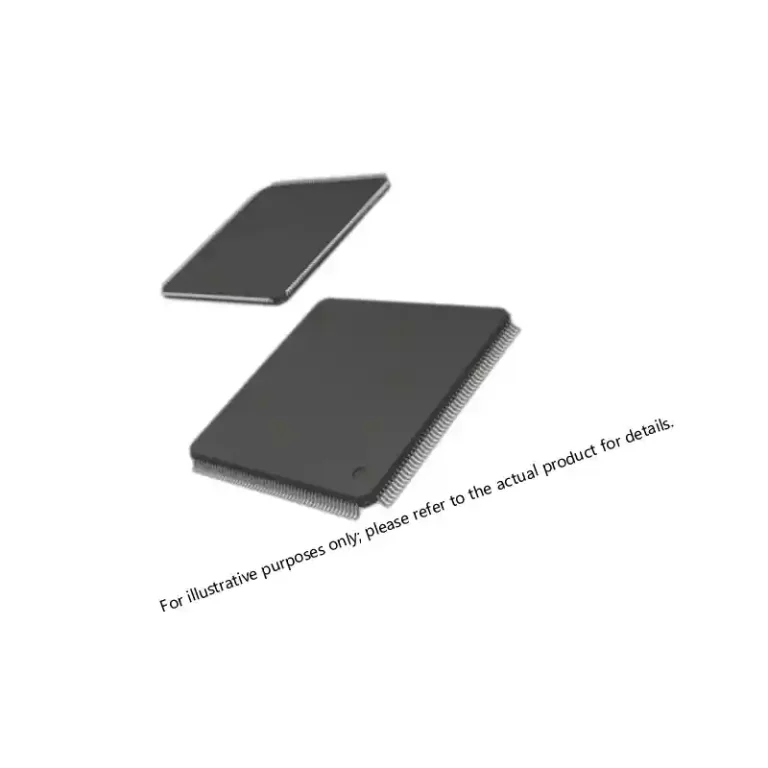
Intel Military and High-Reliability Components for Defense Computing Platforms
Table of Contents
- What Intel Military Components Actually Refer to Today
- Using Embedded Long-Life Intel Processors in Defense Systems
- Comparing Intel Processors with FPGA and Discrete Processing Options
- What Defense Buyers Should Verify Before Ordering
- Managing Sustaining Support for Legacy Intel Military Systems
- How to Source Intel High-Reliability Components Without Program Risk
- Common Questions About Intel Defense-Grade Sourcing
- Are Intel embedded processors QML-qualified?
- Why do defense programs still use commercial embedded silicon?
- What is the difference between extended temperature and full military temperature?
- Can Sparkle Electronics supply Intel FPGA and embedded processor devices?
For defense computing platforms, Intel military components rarely mean a separate product family anymore. Procurement teams that treat them as interchangeable with commercial embedded parts eventually hit qualification gaps, obsolescence risk, or documentation problems in the middle of a program. I have spent more than twelve years sourcing high-reliability electronics for defense contractors, and the recurring issue is not performance. It is proving that the device you designed around will still be available, traceable, and acceptable to reviewers five or ten years from now. Intel’s high-reliability and embedded roadmap supports that need, but the procurement path around it requires more deliberate controls than a standard BOM purchase.
What Intel Military Components Actually Refer to Today
The term covers three overlapping procurement realities. First is Intel’s embedded roadmap, especially Xeon D, Atom x6000E, and selected Core processors with long-life availability commitments. These are commercial silicon with extended temperature screening, embedded errata support, and documentation suitable for defense computing platforms. Second is legacy military heritage parts that still appear on fielded systems, including processors and chipsets no longer actively promoted but still required for sustainment. Third is Intel FPGA and programmable logic inventory from the Altera acquisition, which often enters defense programs through radar, electronic warfare, and secure communications processing chains.
A procurement team should separate these categories before contacting suppliers. The first category is current production with predictable delivery windows. The second requires authenticated stock, date and lot verification, and an honest answer about what remains available. The third moves closer to ASIC-like supply discipline because configuration memory, speed grade, and package variants are easy to confuse across second sources.
Using Embedded Long-Life Intel Processors in Defense Systems
Most defense programs that specify Intel silicon are not looking for a QML-qualified processor at the start. They are looking for a compute element with a committed availability window, extended temperature operation, and the peripheral integration that reduces board complexity. The Xeon D family remains the backbone for many ruggedized signal processing and command and control systems because it combines server-class throughput with a board footprint that fits a conduction-cooled chassis.
Intel’s embedded long-life program matters more than the processor itself. It gives a design team a documented supply commitment, errata notification path, and a stable stepping baseline. That stability is worth more than a faster clock when a system must pass configuration control reviews. I have seen more schedule damage from an unannounced stepping change than from a processor that was ten percent slower than the leading edge.
The practical rule is to lock the specific package, stepping, and extended temperature suffix early. Do not write “Xeon D processor” on a BOM and expect consistent quoting. Write the full orderable part number, include the thermal and revision constraints, and confirm whether the part is a production or last-time-buy item before the design review closes.
Comparing Intel Processors with FPGA and Discrete Processing Options
Intel processors rarely compete head to head with military FPGAs. They usually sit beside them in the same system. A radar signal processor may use a Xeon D for control plane tasks and mission data processing while one or more FPGAs handle beamforming, channelization, and low-latency front-end work. Replacing one architecture with the other without a workload analysis is a common source of late-stage redesign.
The table below reflects how I approach the division in defense computing platforms. It is a planning comparison, not a scorecard, because most mission systems use both device types.
| Selection Factor | Intel Processor Strengths | FPGA Considerations |
|---|---|---|
| Software ecosystem | Broad OS and middleware support | Custom RTL and IP integration |
| Deterministic latency | Suitable for control and data processing | Strong for fixed-latency signal paths |
| Floating-point throughput | High on multicore and vector units | Depends on DSP block count and clock |
| Reprogrammability | OS and application updates | Complete logic reconfiguration |
| Radiation tolerance | Limited without board-level mitigation | Rad-tolerant or rad-hard variants available |
| Long-term supply | Embedded roadmap and last-time-buy notice | Die banking and second-source planning possible |
The decision usually comes down to which portion of the processing chain creates the certification burden. Software-defined functions favor the processor. Waveform generation, sensor fusion at the front end, and deterministic control loops favor the FPGA. If your program involves Intel embedded processors paired with FPGA offload, it is worth confirming the interface and configuration memory strategy before finalizing the BOM. Reach me at xuansc2144@gmail.com if you need a hand matching both sides of that chain.
What Defense Buyers Should Verify Before Ordering
Intel parts for defense applications succeed or fail on documentation and traceability before any functional test. A legitimate order should include manufacturer lot information, country of origin detail where required, and a clear chain of custody from an authorized or traceable channel. For defense buyers, the minimum package also includes confirmation that the part number matches the design record, not just a near equivalent with a different stepping or speed bin.
I ask four questions on every Intel-based defense BOM before quoting. First, is the part number a current production item, an announced last-time-buy candidate, or an obsolete device? Second, are the required temperature range and power envelope reflected in the exact suffix? Third, does the program need a certificate of conformance or additional screening data beyond the standard commercial documentation? Fourth, is there a second-source or alternate strategy that must be preserved?
Answering these questions early prevents the most expensive form of procurement, which is paying a premium for a part that already exists in the market under a slightly different orderable code.
Managing Sustaining Support for Legacy Intel Military Systems
Sustainment is where I spend most of my time with customers. A fielded platform may still require a processor that left the active roadmap years ago. The part does not stop working when Intel stops promoting it. The challenge is finding remaining authenticated inventory, confirming date codes that fit the program’s storage and reliability constraints, and deciding whether a last-time buy or a board redesign is the better long-term path.
For legacy processor and chipset requirements, I recommend a structured approach. First, capture the full orderable part number and any board-level revision constraints. Second, search against known availability using multiple independent channels. Third, verify date codes, package markings, and lot documentation before committing. Fourth, if the part is genuinely scarce, lock inventory or move the design to a form, fit, and function replacement before the shortage becomes a program stop.
Sparkle Electronics maintains an inventory position across Intel FPGA, embedded processor, and supporting high-reliability parts. That position helps when a program needs a stable source for a failing or obsolete compute element. It is not a promise of unlimited availability, because nobody can promise that for discontinued silicon. It is a promise that the stock we hold is documented and that we will tell you plainly when a part is not recoverable.
How to Source Intel High-Reliability Components Without Program Risk
The lowest-risk approach is to treat procurement as a compliance workflow, not a transaction. Start from the full part number and the required documentation package. Then qualify the supplier on traceability, testing capability, and the ability to provide lot-level information when the program demands it. Price matters, but a lower quote that cannot survive a counterfeit-parts audit is not a lower cost.
A disciplined request for quote should include the target quantity, required date codes or freshness limits, any screening or documentation requirements, and the delivery window the program can absorb. Suppliers that ignore these fields or respond with a substitute without explanation are adding risk. The better response acknowledges the constraint first and then proposes an alternative with the tradeoff spelled out.
Common Questions About Intel Defense-Grade Sourcing
Are Intel embedded processors QML-qualified?
Not in the way a traditional military IC is. Intel embedded processors generally follow the company’s embedded roadmap and reliability documentation rather than QML qualification under MIL-PRF-38535. That does not make them unsuitable. It means the qualification burden shifts to the board-level design, thermal management, and the system integrator’s acceptance evidence. For programs that require QML or full military qualification, the engineering team must assess the processor as part of a subsystem qualification, not as a standalone qualified device.
Why do defense programs still use commercial embedded silicon?
Because the processing performance, software ecosystem, and long-life commitments often outweigh the qualification differences. A defense system does not need every component to be temperature screened to a military specification. It needs the critical interfaces and processing chain to meet the system’s environmental and reliability requirements. Commercial embedded parts with documented lifecycles and controlled revisions can satisfy that when the board and enclosure design compensate for the gaps. The key is knowing which gaps matter.
What is the difference between extended temperature and full military temperature?
Extended temperature Intel parts typically cover a range around minus 40 to plus 85 degrees Celsius, depending on the product line. Full military temperature components are usually specified from minus 55 to plus 125 degrees Celsius. The difference is not just a label. The wider range affects junction temperature budgeting, thermal derating, and long-term reliability assumptions. A system that only sees ground vehicle or shelter environments may be fine with extended temperature. A system exposed to unpressurized high-altitude or severe cold soak needs more careful thermal analysis or a different component class.
Can Sparkle Electronics supply Intel FPGA and embedded processor devices?
Yes. We maintain inventory across Intel and Altera FPGA lines plus selected embedded processors and supporting high-reliability parts for defense computing platforms. The practical step is to send the full orderable part number with your target quantity and any lot or date code constraints. We will confirm whether the device is available, what documentation accompanies the stock, and whether the lead time fits your program schedule. Send your part number and quantity to xuansc2144@gmail.com and we will verify availability and compliance documentation for your requirement.
If you’re interested, check out these related articles:
Virtex-7 690T FPGA: Performance for Mission-Critical Systems
Virtex-7 690T FPGA: Performance, Packaging, and Reliability Insights