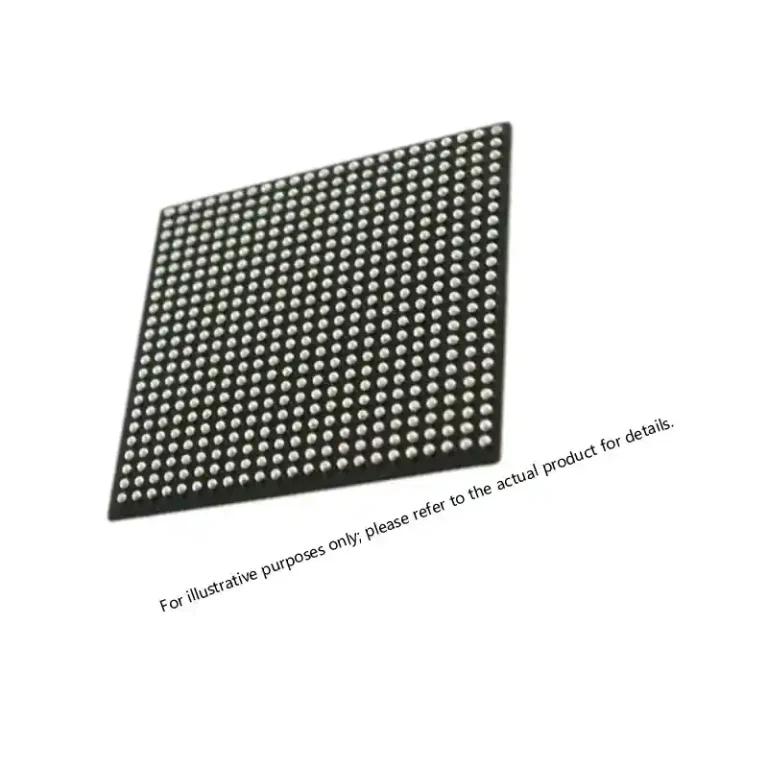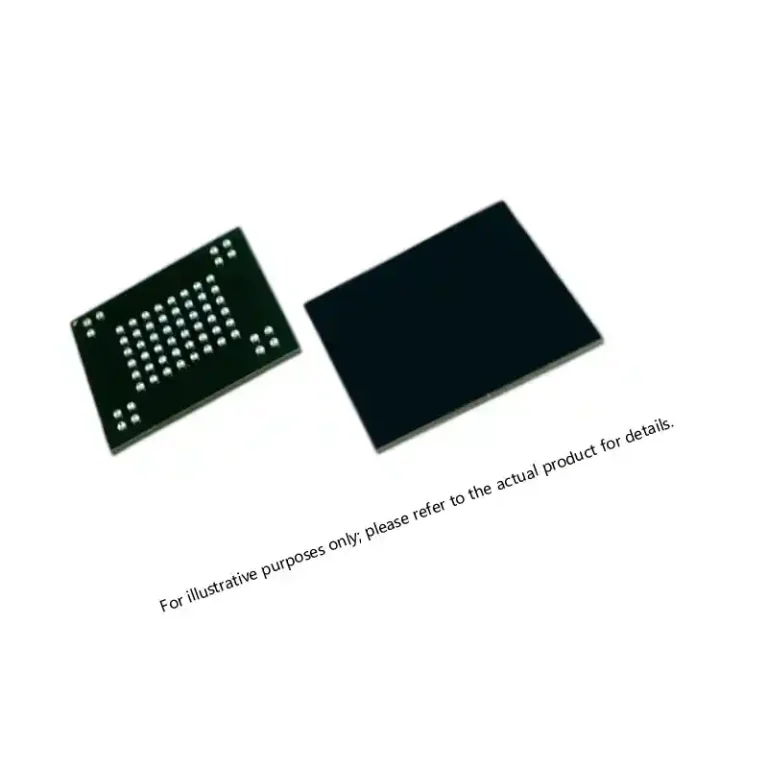
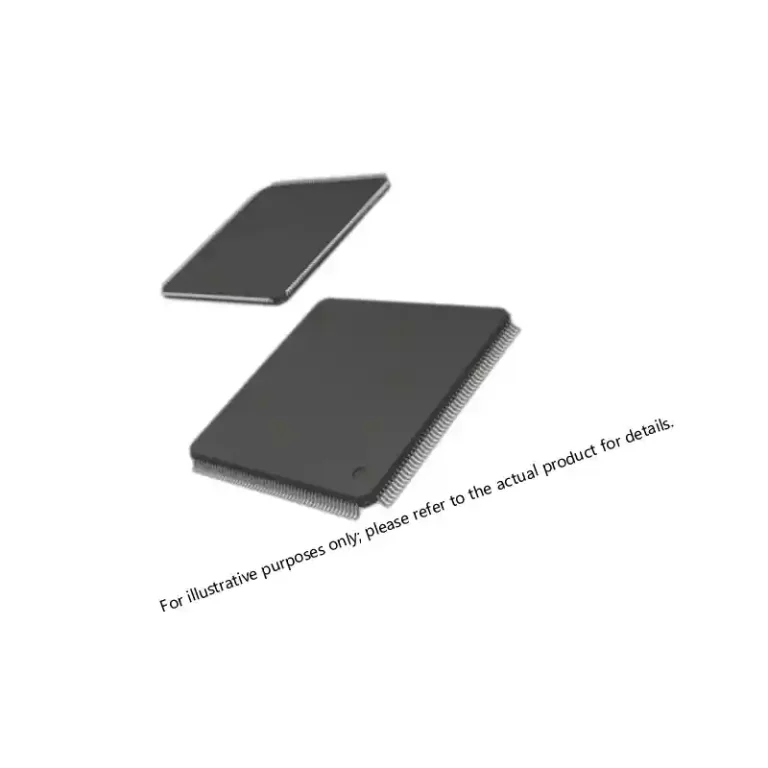
Micron Military Memory: Flash and DRAM for Defense Systems
Table of Contents
- Micron Military Memory Qualification for Defense Systems
- What Does Military Grade Mean for Micron Memory?
- Which Screening Standards Apply to Defense Memory?
- Micron DRAM Choices for Defense Embedded Computing
- Which Micron DRAM Families Do Defense Programs Use?
- Micron NOR and NAND Flash for Boot and Data Logging
- NOR or NAND: Which Flash Type for Boot Code?
- Lifecycle and Obsolescence Planning for Military Memory
- Micron Military Memory Sourcing for Defense Programs
- Common Questions About Micron Military Memory
- Can commercial Micron DRAM be used in a military system?
- Is there a QML or 5962 drawing for every Micron memory part?
- How far ahead should we buy Micron memory for a long program?
- What documentation should we require from a Micron military memory distributor?
Micron military memory decisions are rarely about silicon alone. A defense embedded system may run for fifteen or twenty years, and the memory parts selected today must survive wide temperature swings, hold boot code without bit loss, and remain traceable through every layer of the supply chain. We have watched programs stall on exactly this point when a buyer assumes an industrial temperature grade qualifies a device for military use. The safer path is to choose flash and DRAM by the program’s actual qualification path, then lock screening, documentation, and a second-source strategy before the first prototype is built.
Micron Military Memory Qualification for Defense Systems
What Does Military Grade Mean for Micron Memory?
The term military grade is not a single Micron part number prefix. It is a combination of temperature rating, screening flow, and documentation. A part with an IT suffix, meaning industrial temperature, may operate from -40°C to +85°C but that alone does not make it acceptable for a defense program. Programs either select devices with a defined MIL-PRF-38535 flow or take commercial and industrial parts through an approved upscreening sequence that includes burn-in, temperature cycling, and electrical verification.
Which Screening Standards Apply to Defense Memory?
Micron memory used in U.S. defense programs is often screened to MIL-STD-883 methods, but that depends on the part type and the program’s procurement specification. For devices with available 5962 drawings, the part is built and tested to MIL-PRF-38535. For newer DDR3, LPDDR, or eMMC devices, no current 5962 drawing usually exists, so the qualification path becomes a documented upscreening plan accepted by the customer. We have worked on programs where the difference between an accepted part and a returned lot was not electrical performance, it was whether the distributor could produce full lot traceability and test records.
Micron DRAM Choices for Defense Embedded Computing
Which Micron DRAM Families Do Defense Programs Use?
A surprising number of defense boards still use SDRAM and DDR3 because the processor or FPGA memory controller is fixed and requalifying a new interface is expensive. Micron part numbers such as MT48LC8M16A2P-75IT and MT48LC16M16A2P-6AIT:G appear in embedded industrial and defense applications, but the IT suffix means industrial temperature, not automatic military qualification. For programs that need higher bandwidth, DDR3 and DDR4 offer density and speed at the cost of shorter availability windows. The correct choice follows the processor or FPGA dataheet, not the memory dataheet alone.
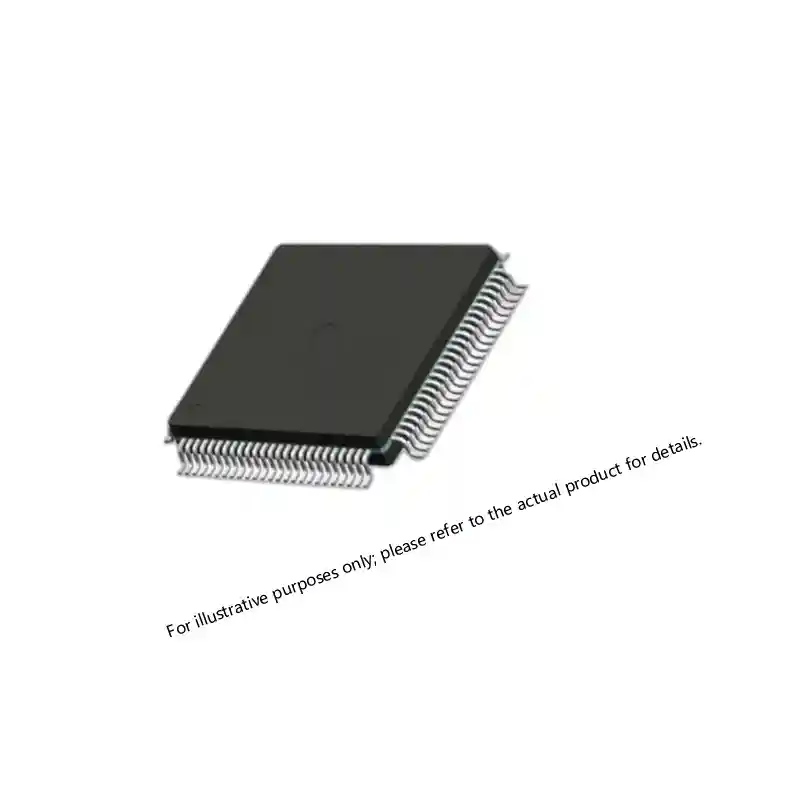
Memory selection is usually driven by the controller, not the memory dataheet. In our experience, the controller availability determines whether a board stays on SDRAM or moves to DDR4. Many boards that carry Micron SDRAM also use qualified FPGA controllers such as the AX1000-CQ352M:
Micron NOR and NAND Flash for Boot and Data Logging
NOR or NAND: Which Flash Type for Boot Code?
NOR flash remains the standard choice for boot code and FPGA configuration because it offers fast random read and execute-in-place capability. NAND flash fits data logging and larger operating system images, but it requires block management and usually a controller. The decision usually comes down to how the processor boots and how much data the system records.
| Flash Type | Typical Defense Use | Temperature Grade | Sourcing Risk |
|---|---|---|---|
| Serial NOR | Boot code, FPGA config | Industrial -40°C to +85°C | High when automotive grades are not accepted |
| Parallel NOR | Legacy boot, radiation-prone designs | Industrial or automotive | Many densities have gone obsolete |
| SLC NAND | Data recorders, rugged storage | Industrial | Endurance depends on block management and qualification |
| eMMC | System boot, OS images | Industrial or automotive | Managed controller adds qualification burden |
| Managed NAND | High-density logging | Industrial | Vendor-specific firmware complicates second-source plans |
If your BOM includes a managed NAND device or boot flash with a fixed controller, confirm the endurance rating and temperature grade before you commit. Send the part number to xuansc2144@gmail.com and we will verify what is actually built against the drawing.
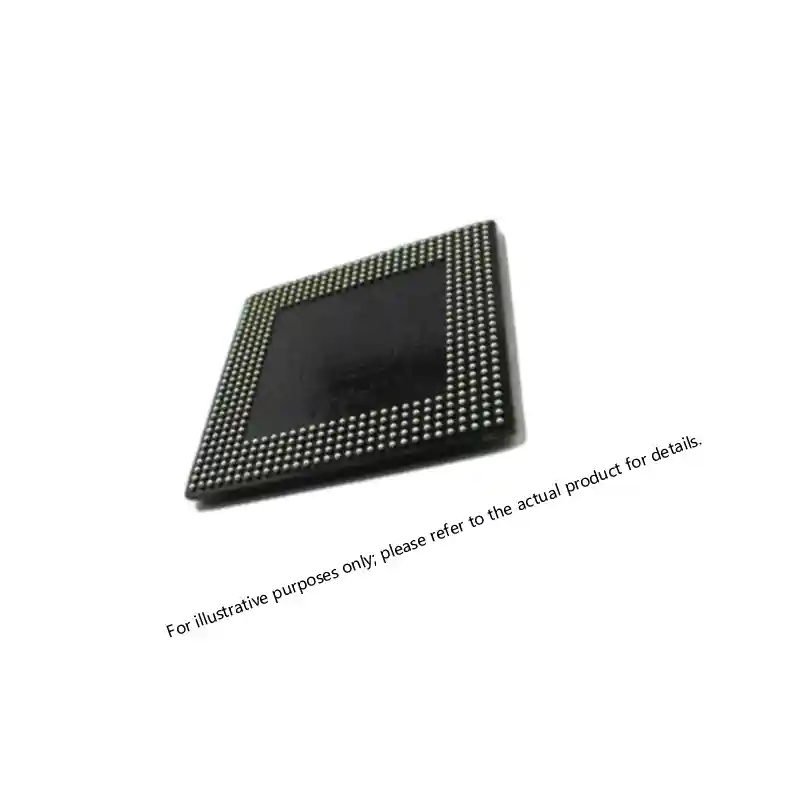
Flash often sits beside FPGA configuration devices in these designs, which is why we document both memory and logic together during a sourcing review:
Lifecycle and Obsolescence Planning for Military Memory
A defense program that spans fifteen years will outlive most Micron catalog lifetimes. DDR, DDR2, and many SDRAM densities have already moved to end-of-life or last-time-buy status. Planning has to start at design release. We ask two questions: can the board accept a second-source footprint, and will the program fund a last-time buy or die bank?
Micron NOR flash families built on older process nodes are often pulled suddenly when the foundry shifts capacity. We have watched a 4Mbit parallel NOR become unobtainable within two quarters, not because the device failed, but because the line was transferred. The only practical protection is a documented second-source plan or a reserved inventory position.
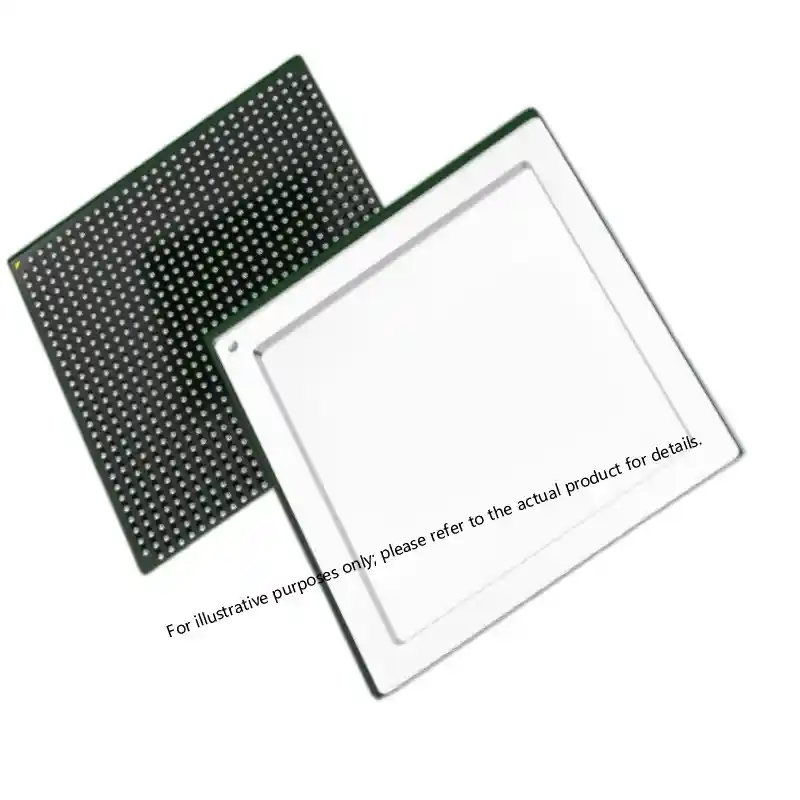
Long-running defense programs often accumulate multiple memory variants and qualified FPGA controllers. Keeping images and documentation for each lot makes the component history visible:
Micron Military Memory Sourcing for Defense Programs
Programs do not fail because memory makers stop making parts. They fail because the buyer has no documented path from part number to qualified stock. If your program requires Micron military memory and you are juggling temperature grades, obsolescence risk, and certification documents, we can confirm stock, screening options, and traceability before you commit.
Send the part number, quantity, and target date to xuansc2144@gmail.com. We will return a quote with the qualification path clearly stated, including what documents exist and what would require additional testing.
Common Questions About Micron Military Memory
Can commercial Micron DRAM be used in a military system?
Yes, with two conditions. The program must accept an industrial or commercial temperature grade through a documented upscreening plan, and the distributor must maintain full lot traceability back to the manufacturer. Most newer Micron DRAM devices do not carry a QML or 5962 drawing, so the standard path is electrical testing, temperature cycling, and a program approval letter. Without those two conditions, the part is still functional but not defensible in a compliance audit.
Is there a QML or 5962 drawing for every Micron memory part?
Buyers often assume a QML drawing exists for every Micron DRAM and NAND, but for most newer parts it does not. Legacy parallel NOR and some SDRAM have 5962 listings. DDR3, DDR4, LPDDR, and eMMC usually do not. That does not make the newer parts unusable. It means the qualification burden shifts to the distr ibutor, the test house, and the program office. Ask for the exact drawing number before committing to a part.
How far ahead should we buy Micron memory for a long program?
It depends on whether the device is a high-volume catalog part or a narrow-density legacy part. For mainstream SDRAM or DDR3 densities still used across industrial automation, buying twelve months ahead may be enough if the distributor holds buffer stock. For a 4Mbit or 8Mbit NOR flash that only one or two boards use, a last-time buy or die bank is usually the safer route. We recommend checking the manufacturer’s end-of-life notice first, then matching the purchase to the program’s production window.
What documentation should we require from a Micron military memory distributor?
In the programs I have worked on, three documents matter more than the rest: a certificate of conformance, lot-level test data, and full chain of custody. The certificate alone is not enough because it does not show which screening steps the memory actually passed. Chain of custody matters when a part has changed hands between an OEM, a broker, and a distributor. Before you issue an order, send us the part number and your required documentation list. We will confirm what exists and what would require additional testing.
If you’re interested, check out these related articles:
XC7VX485T FPGA: Virtex-7 Performance for Defense
Virtex-7 690T FPGA: Performance for Mission-Critical Systems
A1020B-PG84B ACT2 FPGA: Specs, Sourcing, and Availability
Virtex-7 XC7VX690T: Performance, Reliability, and Integration