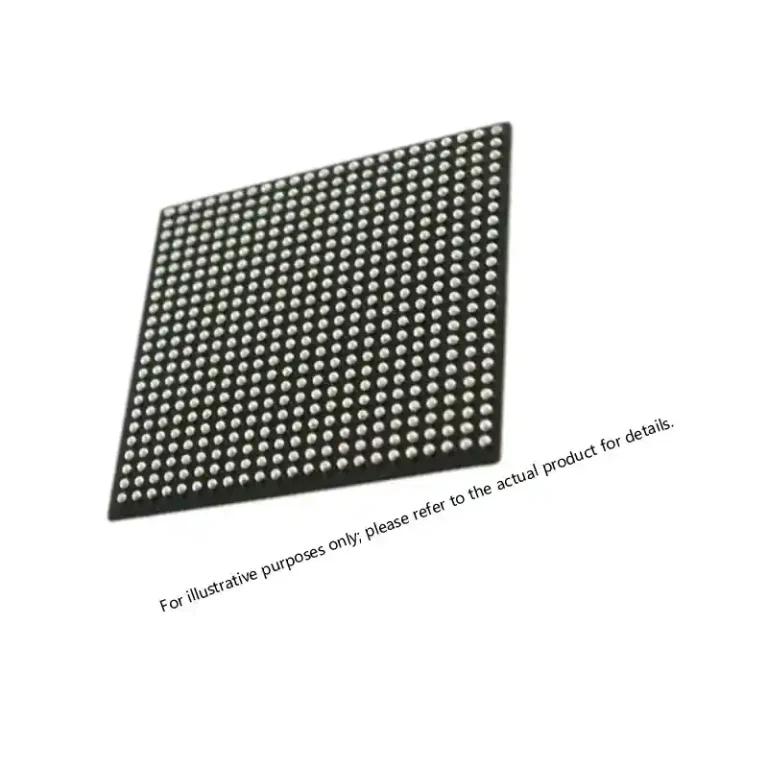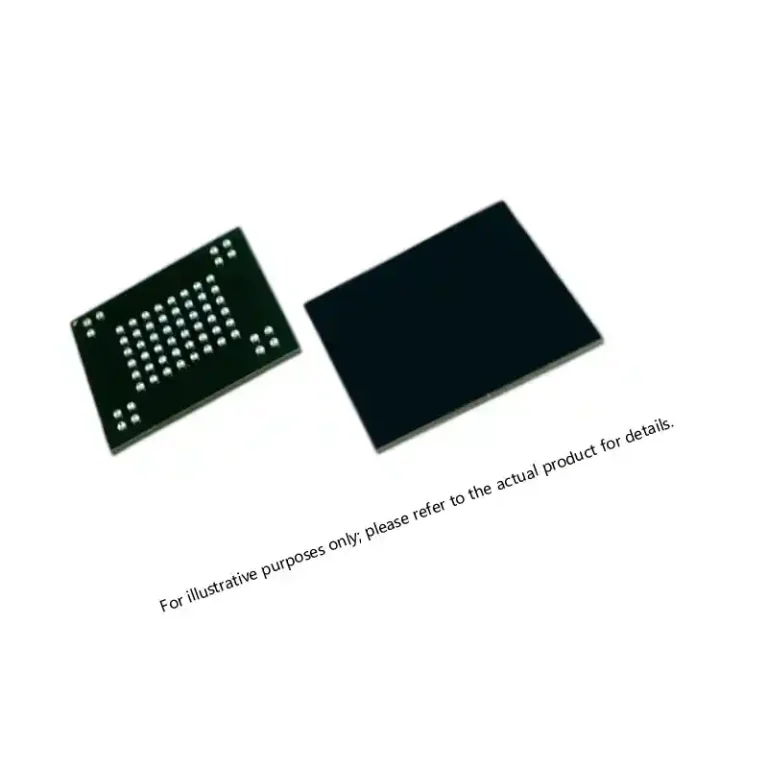
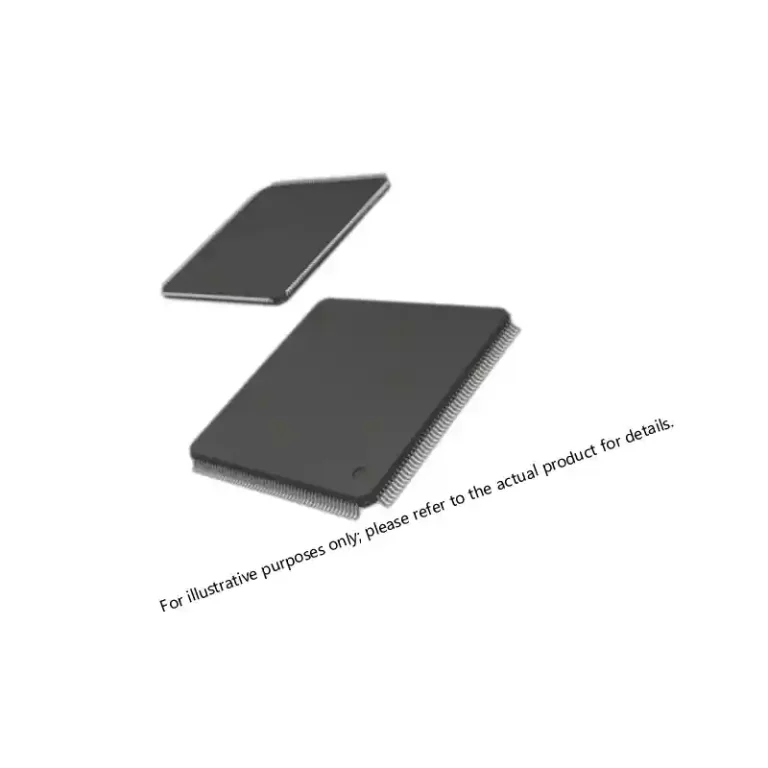
Cypress Military SRAM and FPGA Sourcing for Defense Systems
Table of Contents
- The Role of Cypress Military SRAM in Defense Systems
- Key Cypress Military SRAM Families and Part Numbers
- QDR II vs QDR IV
- SRAM Selection Factors for FPGA-Based Defense Designs
- Sourcing and Traceability for Cypress Military ICs
- Common Questions About Cypress Military SRAM
- Does Cypress manufacture defense FPGAs?
- What is the difference between QDR II and QDR IV SRAM?
- What temperature grade should a defense program specify for Cypress SRAM?
- How do we verify authenticity of Cypress military SRAM?
Cypress Military SRAM has a specific role in defense FPGA systems that is easy to misunderstand. Engineers usually select the FPGA or processor first, then treat memory as a commodity. That sequence creates problems later because SRAM architecture determines whether a wide datapath, deterministic latency target, or long-life sustainment plan actually holds. From the sourcing side, I focus on part number validity, package availability, temperature rating, and the documentation trail that gets a part through incoming inspection. Before a BOM is frozen, the memory architecture should be locked as early as FPGA I/O planning. If a design drops in a memory device after logic selection, the team inherits timing and lifecycle risk.
The Role of Cypress Military SRAM in Defense Systems
Cypress Semiconductor is not an FPGA manufacturer. Its strength in defense electronics sits in static memory, clock distribution, and interface components that surround FPGAs, DSPs, and data converters. A radar signal processor does not depend only on logic density. It also depends on deterministic access time, wide bus organization, and the ability to keep data moving without stalls. Cypress SRAM families fill that layer.
Military programs select these parts for several reasons. Package choices include ceramic and industrial plastic options with extended temperature screening. Long product life is another factor. Many defense systems remain in service for decades, so a stable part number has more value than a newer process node. I have worked on sustainment requests where the original BOM called out a Cypress QDR II device and the program needed the same organization, not a faster replacement.
Key Cypress Military SRAM Families and Part Numbers
The useful division for defense buyers is between synchronous pipeline SRAM, QDR II/II+, and QDR IV. These are not interchangeable at board level without checking data widths, clocking, and package footprints.
| Part Number | Organization | Interface | Rated Clock | Typical Defense Role |
|---|---|---|---|---|
| CY7C1370D-167AXI | 512K x 18 | QDR II | 167 MHz | Packet buffers and radar datapath staging |
| CY7C1381D-133AXI | 512K x 36 | QDR II | 133 MHz | Wide datapath FPGA scratchpad |
| CY7C1620KV18-333BZXI | 4M x 18 | QDR IV | 333 MHz | High-throughput memory co-processing |
| CY7C0851AV-133BBI | 512K x 18 | Synchronous pipeline | 133 MHz | Deterministic latency control |
| CY7C0853AV-100BBI | 1M x 18 | Synchronous pipeline | 100 MHz | Mission processor working memory |
QDR II vs QDR IV
QDR II parts such as CY7C1370D-167AXI have independent read and write ports, which cuts bus turnaround penalties in packet processing. QDR IV parts such as CY7C1620KV18-333BZXI raise capacity and clock rate for deeper buffers. The trade is not only speed. QDR IV controllers are more complex, and timing closure requires careful board design. I usually ask whether the existing FPGA controller IP supports the chosen family before recommending a part.
SRAM Selection Factors for FPGA-Based Defense Designs
Memory selection should follow the FPGA I/O map, not the other way around. The first factors are data width and read/write pattern. Many defense logic blocks use 36-bit or 72-bit ECC-protected memory channels, which do not map cleanly to standard x18 devices. If the FPGA has spare I/O, a wide x36 QDR II part can reduce banks. If pin count is fixed, two x18 devices may be the only workable route.
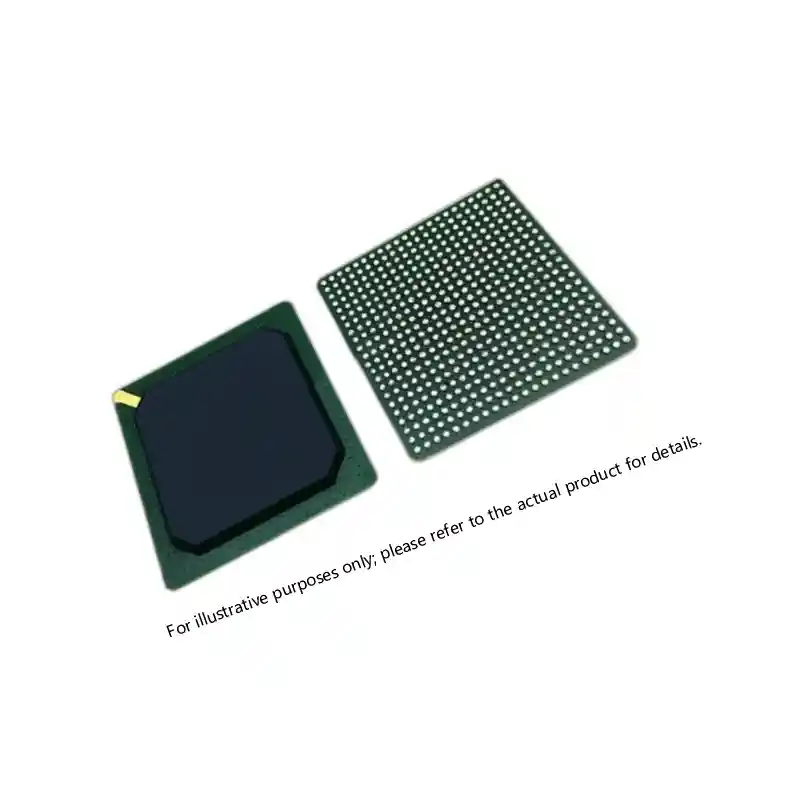
I have seen a common decision error in radar and EW programs: the team sizes memory by storage capacity alone and ignores bank count. A 512K x 36 SRAM and a 1M x 18 SRAM can hold similar bits but behave differently under continuous access. Selecting the wrong organization forces the FPGA controller to add wait states, and that can erase the benefit of a fast converter. In one sustainment review, we matched the original organization rather than replacing it with a denser part because the timing budget had already been closed around the narrower bus.
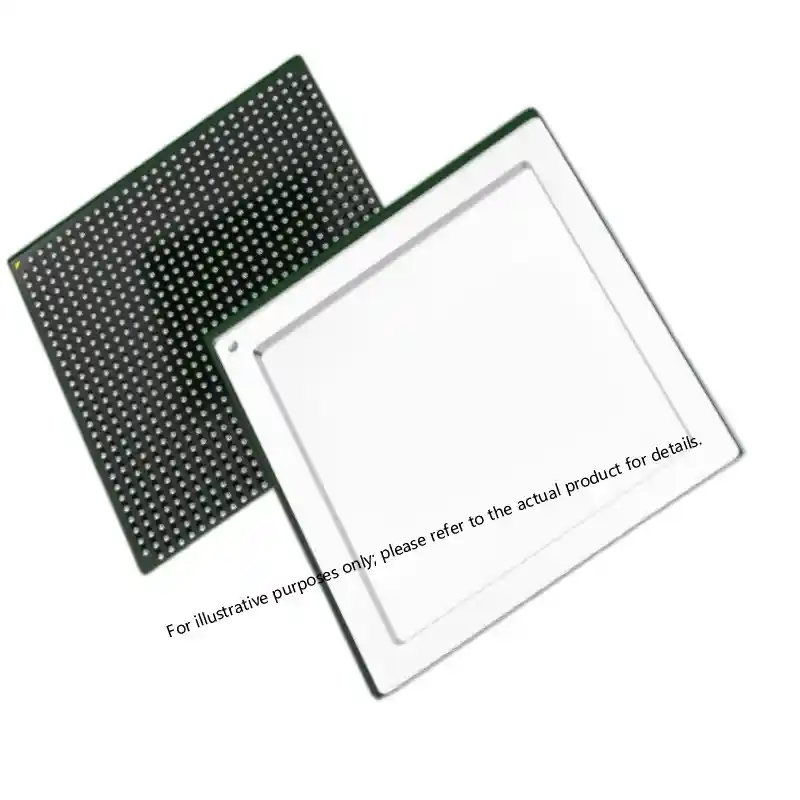
If your FPGA design uses QDR memory or a wide datapath, confirm the chosen part’s bank access, clocking, and controller IP against your timing budget before BOM freeze. Send the part number and interface requirements to xuansc2144@gmail.com and we will check availability and compatibility from stock.
Sourcing and Traceability for Cypress Military ICs
Sourcing Cypress military ICs means verifying more than the part number. Defense buyers need a clear chain of custody, date code and lot code records, and documentation that matches the intended environmental screening. Some Cypress SRAM parts are built and tested as industrial grade, then upscreened to a project-specific temperature range. If the drawing calls for the full military flow, confirm that the flow exists for that exact suffix. Do not assume every Cypress part includes the same testing.
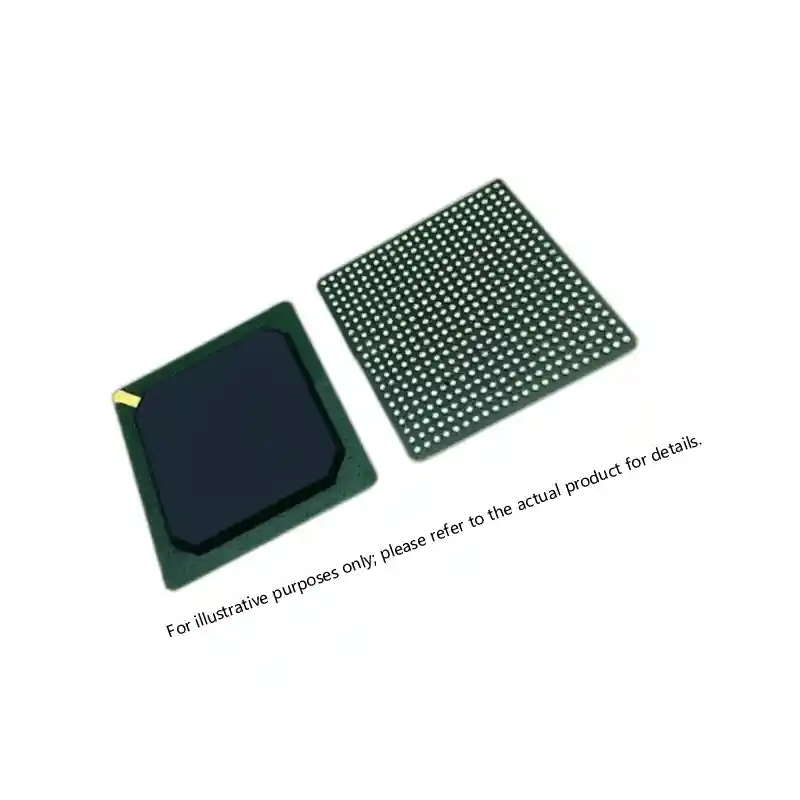
The most expensive mistake in this segment is accepting a spreadsheet quote without evidence. I have reviewed requests where the buyer approved a part number but not the suffix, and the parts arrived in the wrong package speed grade. That is a paperwork problem, not a silicon problem. On critical path orders, we ask for photos, label verification, and the C of C before shipment. It costs a little time and saves a teardown later.
If your program is managing an existing BOM or preparing for a technology refresh, the practical next step is to confirm part availability, temperature screening, and documentation early. Send your Cypress SRAM part number and required quantity to xuansc2144@gmail.com and we will quote against traceable stock with the compliance paperwork your incoming inspection needs.
Common Questions About Cypress Military SRAM
Does Cypress manufacture defense FPGAs?
No. Cypress Semiconductor is known for static memory, clock, and interface products. FPGA sockets in defense systems come from other vendors. Cypress SRAM often sits alongside those FPGAs as pipeline, buffer, or configuration-adjacent memory. When a BOM lists both an FPGA and a Cypress memory part, treat the memory as a companion component with its own timing and lifecycle requirements. Grouping them under one blanket FPGA qualification usually creates confusion during incoming inspection.
What is the difference between QDR II and QDR IV SRAM?
QDR II and QDR IV both use separate read and write ports, but QDR IV supports higher clock rates and deeper densities. A part like CY7C1620KV18-333BZXI offers a larger buffer with a higher rated clock than typical QDR II devices such as CY7C1370D-167AXI. The cost is added controller complexity and tighter board timing. For programs with existing FPGA IP, matching the memory family to the controller usually beats redesigning the interface.
What temperature grade should a defense program specify for Cypress SRAM?
It depends on the installation environment and the actual qualification requirement. For air-cooled systems in benign interiors, industrial temperature grades may work. For externally mounted, high-altitude, or high-power-density cases, extended temperature screening is usually appropriate. The safest move is to match the original part suffix and avoid accepting a wider or narrower grade without an engineering review. A mismatch here can invalidate the paper trail even when the silicon looks identical.
How do we verify authenticity of Cypress military SRAM?
In programs we have supported, the first check is label integrity. Part number, date code, lot code, and package markings should be readable and consistent. We also compare the C of C against the incoming parts and ask for photos before shipment. For high-value or long-lead-time parts, electrical sample testing may be worth the schedule impact. Without the paperwork trail, even a visually correct part can be unverifiable. Send your part number and required quantity to xuansc2144@gmail.com and we will confirm lot availability, temperature grade, and certification documentation before quoting.
If you’re interested, check out these related articles:
UltraScale KU085 FPGA Specifications for Defense Systems
Virtex-7 690T FPGA: Performance for Mission-Critical Systems
XC7VX485T FPGA: Virtex-7 Performance for Defense
Virtex-7 XC7VX690T: Performance and Reliability Insights